If you’ve ever bought cheap PVC Venetian blinds for your home or office, you know the frustration: one summer of direct sunlight, and those once-bright slats start to look dull, discolored, or even patchy. You spent time picking the perfect shade to match your decor, only to watch it fade into a lackluster version of itself in just a few months. It’s not your imagination—and it’s not a “you did something wrong” problem. Cheap PVC Venetian blinds are practically designed to fade quickly under sunlight, but the good news is, you can slow down the process (or avoid it altogether) with a few simple steps. Let’s break down why this happens, what makes some blinds more fade-resistant than others, and how to keep your PVC Venetian blinds looking fresh for years.
First, let’s get clear on what we’re talking about. PVC Venetian blinds are the most popular budget window covering for a reason: they’re affordable, easy to clean, and work in almost any room—from humid bathrooms to busy kitchens. Unlike real wood Venetian blinds, which can warp in moisture, PVC blinds hold up well in damp spaces, making them a go-to for renters and homeowners on a budget. But here’s the catch: not all PVC Venetian blinds are created equal. The cheap ones—usually those under $50 for a standard window—cut corners in materials and manufacturing, and that’s where the fading problem starts.
To understand why cheap PVC Venetian blinds fade so fast, we need to start with the sun itself. The sun emits three types of radiation that affect your blinds: ultraviolet (UV) rays, visible light, and infrared radiation. UV rays are the biggest culprit—they’re invisible to the naked eye, but they break down the chemical bonds in the PVC material and the dyes used to color the slats. According to the National Fenestration Rating Council (NFRC), UV radiation is responsible for 40%—60% of all fading damage to window coverings, furniture, and fabrics. Even on cloudy days, UV rays pass through windows, slowly chipping away at the color of your blinds.
Now, why do cheap PVC Venetian blinds suffer more than expensive ones? It all comes down to two key factors: the quality of the PVC material and the type of coloring process used. Cheap blinds use thin, low-grade PVC that’s porous and lacks any UV-resistant additives. This porous PVC soaks up the dyes rather than locking them in, so when UV rays hit, the dyes break down quickly and wash out. On top of that, cheap manufacturers use low-quality, water-based dyes that aren’t formulated to withstand sunlight—think of it like painting a wall with craft paint instead of exterior paint. It looks good at first, but it won’t hold up to the elements.
Expensive PVC Venetian blinds, on the other hand, use thick, high-density PVC that’s treated with UV inhibitors. These inhibitors act like sunscreen for your blinds, blocking or absorbing UV rays before they can damage the material and dyes. They also use a process called “co-extrusion,” where the color is mixed directly into the PVC during manufacturing, rather than painted on top. This means the color goes all the way through the slat, not just on the surface—so even if the top layer fades a little, the color underneath stays intact. It’s a small difference in manufacturing, but it makes a huge difference in how long your blinds last.
Another factor that contributes to fading is heat. When your PVC Venetian blinds are closed on a hot, sunny day, they trap heat between the slats and the window. This heat accelerates the breakdown of the PVC and dyes, making the fading process even faster. If you have south-facing windows or a conservatory, this heat buildup is even worse—cheap PVC slats can even start to warp or become brittle over time, in addition to fading. I learned this the hard way: last year, I installed cheap PVC Venetian blinds in my living room, which gets direct sun from 10 AM to 4 PM. By the end of summer, the once-white slats were a yellowish-gray, and a few even started to curl at the edges. I thought I’d saved money, but I ended up replacing them just six months later—costing me more in the long run.
While we’ve covered the basics of why fading happens, it’s worth emphasizing that the issue isn’t just about the sun—it’s a combination of subpar materials and poor manufacturing in cheap PVC blinds. Even if you’re careful with your blinds, the low-grade PVC and dyes will break down faster than their higher-quality counterparts, which is why investing in even slightly better blinds can save you time and money in the long run.
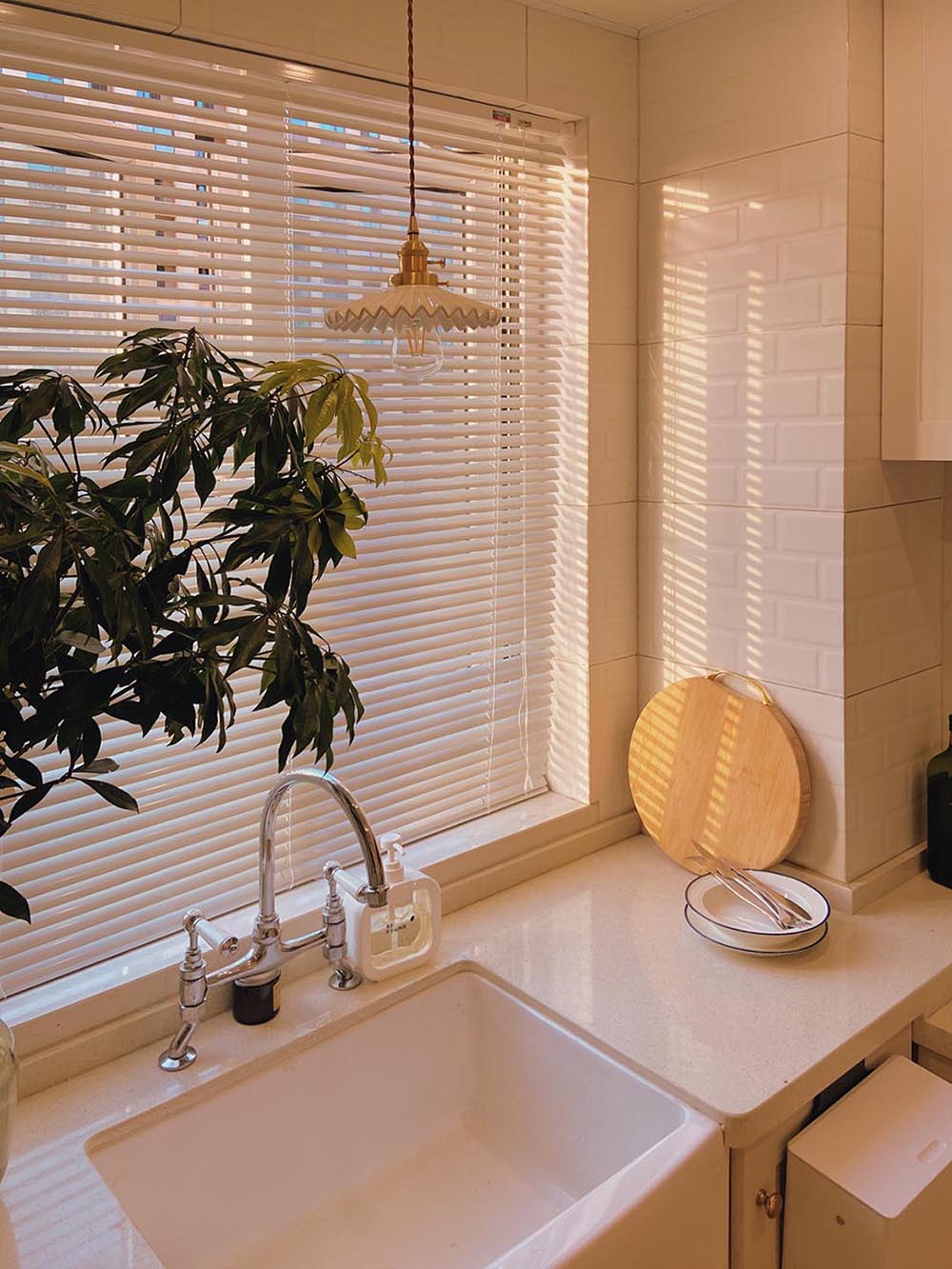
Other Venetian Blinds: Faux Wood, Aluminum, and Cordless Options
Let’s talk about the auxiliary keywords you’ll want to keep an eye out for: faux wood Venetian blinds, aluminum Venetian blinds, and cordless Venetian blinds. These are all related to PVC Venetian blinds, and they play a role in fading too. Faux wood Venetian blinds are often made from PVC mixed with other materials (like wood fibers) to mimic real wood, and while they’re more durable than pure PVC, cheap faux wood blinds still suffer from the same fading issues if they lack UV protection. Aluminum Venetian blinds are more fade-resistant than PVC because aluminum reflects sunlight, but cheap aluminum blinds can still fade if they’re painted with low-quality coatings. Cordless Venetian blinds—whether PVC or aluminum—are great for safety and aesthetics, but the mechanisms don’t affect fading; it’s still all about the material and coloring.
It’s also worth noting that while these alternative Venetian blinds have their own advantages, their fade resistance still hinges on quality. For example, high-end faux wood Venetian blinds with UV protection can last nearly as long as premium PVC options, while cheap aluminum blinds with thin coatings will still fade over time—proving that price alone isn’t the marker of durability, but rather the materials and treatments used.
Practical Tips to Slow Down Fading
Now, let’s get to the part you’re really here for: how to prevent or slow down fading in your PVC Venetian blinds. You don’t have to spend a fortune on expensive blinds to keep them looking good—you just need to be strategic about how you choose, install, and maintain them. Here are my top practical tips, based on personal experience and expert advice:
1. Choose Blinds with UV Protection: This is the most important step. When shopping for PVC Venetian blinds, look for labels that say “UV-resistant” or “fade-resistant.” Even if they cost a little more (usually $10-$20 extra for a standard window), they’ll save you money in the long run by lasting 2-3 times longer than cheap, unprotected blinds. Some manufacturers also offer a warranty against fading—always check for that. If you’re buying online, read reviews to see if other customers mention fading; if multiple people say their blinds faded quickly, steer clear.
2. Install Window Film: If you already have cheap PVC Venetian blinds and don’t want to replace them, install UV-blocking window film. This film sticks to your window glass and blocks up to 99% of UV rays, which is a game-changer for fading. It’s easy to install yourself (most kits cost under $30) and doesn’t affect the look of your windows—you’ll barely notice it’s there. I installed window film on my south-facing windows after replacing my blinds, and my new UV-resistant PVC Venetian blinds still look brand new a year later.
3. Adjust Your Blinds Throughout the Day: You don’t have to keep your blinds closed all day to prevent fading. Instead, tilt the slats so that they reflect sunlight away from the room, rather than absorbing it. This way, you still get natural light, but the direct sun isn’t hitting the slats head-on. During the hottest part of the day (11 AM to 3 PM), consider closing the blinds partially or fully to reduce heat buildup. If you’re not home during the day, set a timer or use smart blinds (yes, even cordless Venetian blinds come in smart versions) to adjust automatically.
4. Clean Your Blinds Regularly (the Right Way): Dust and dirt can trap heat and UV rays, accelerating fading. But cleaning your PVC Venetian blinds the wrong way can also damage them. Avoid harsh cleaners (like bleach or ammonia) that can strip the color and damage the PVC. Instead, use a microfiber duster to wipe down the slats weekly, and once a month, wipe them with a damp cloth and a mild detergent (like dish soap). Make sure to dry the slats thoroughly afterward—moisture can cause discoloration over time, especially in humid rooms.
5. Avoid Secondary Coverings That Trap Heat: It might be tempting to layer curtains over your PVC Venetian blinds for extra privacy, but this can trap heat between the curtains and the blinds, making fading worse. If you want extra coverage, use sheer curtains instead—they let light through while still providing some privacy, and they don’t trap heat like heavy curtains do. Alternatively, use a double window treatment: sheers during peak sunlight hours and blinds for full coverage at night.
6. Rotate or Replace Slats If Needed: If your blinds start to fade unevenly (which is common if some slats get more sun than others), you can rotate the slats to distribute the fading more evenly. Most PVC Venetian blinds have removable slats, so you can swap them around to make the fading less noticeable. If a few slats are severely faded or damaged, you can replace just those slats instead of the entire blind—this is a cheap fix that extends the life of your blinds.
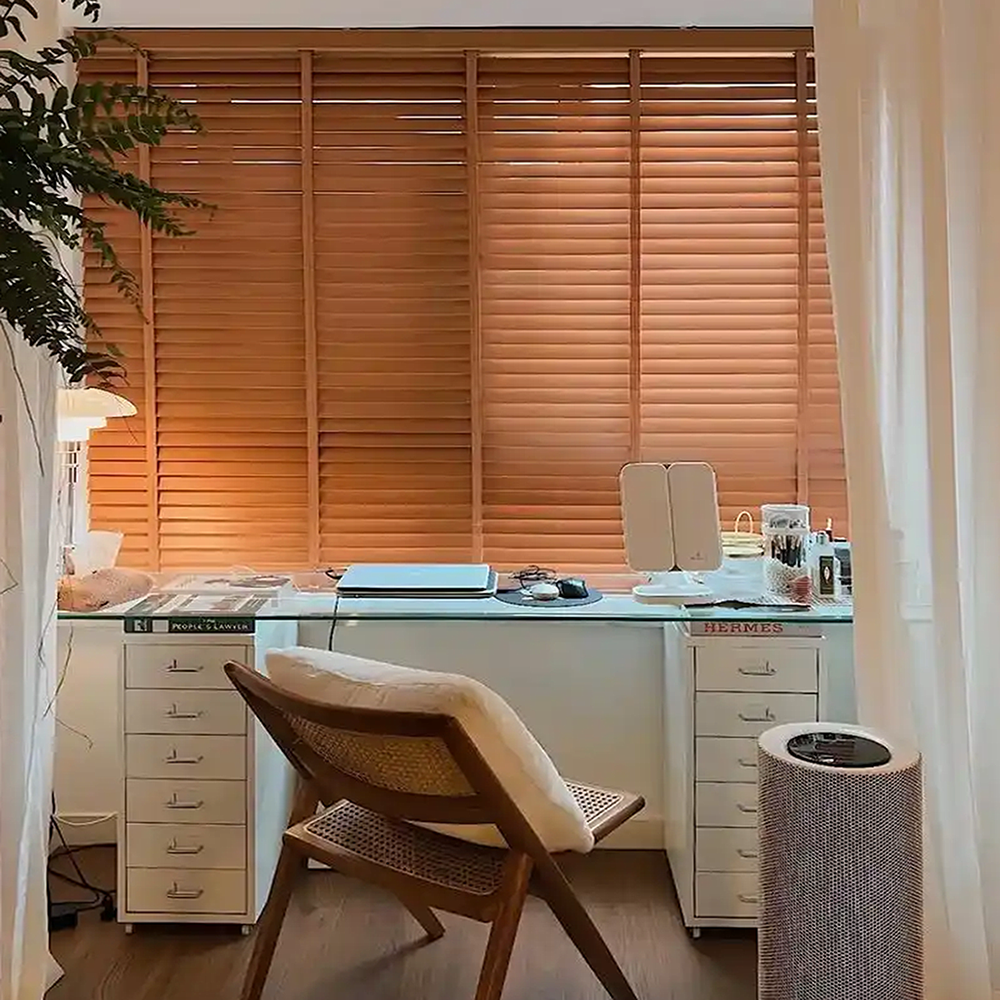
Common Myths About Venetian Blinds Fading
Let’s address a common myth: “All PVC Venetian blinds fade, so why bother spending more?” That’s not true. While even high-quality PVC blinds will fade a little over time (nothing lasts forever), they fade at a much slower rate—usually 5-7 years before they start to look dull, compared to 6-12 months for cheap blinds. Spending a little extra upfront means you won’t have to replace your blinds every year, which saves you money and hassle in the long run.
Another myth: “Faux wood Venetian blinds don’t fade.” While faux wood blinds are more durable than pure PVC, cheap faux wood blinds still use low-quality materials and dyes, so they can fade just as quickly as pure PVC blinds. The key is still UV protection—look for faux wood blinds that are treated with UV inhibitors, just like you would with PVC.
A related myth worth debunking is that “more expensive blinds never fade at all.” Even the best PVC Venetian blinds will show slight signs of fading after 5-7 years of direct sunlight—that’s normal wear and tear. The difference is that cheap blinds fade to an unsightly state in months, while quality blinds maintain their appearance long enough to be a worthwhile investment.
Quick Checklist for Buying Fade-Resistant PVC Venetian Blinds
If you’re in the market for new PVC Venetian blinds, here’s a quick checklist to ensure you’re getting a fade-resistant option:
1) Look for UV-resistant or fade-resistant labeling;
2) Check the material thickness (thicker PVC is better);
3) Ask about the coloring process (co-extruded is better than painted);
4) Read reviews for fading complaints;
5) Check for a fading warranty.
Even if you’re on a budget, you can find affordable blinds that meet these criteria—they just might not be the absolute cheapest option on the shelf.
Keep Your Blinds Looking Fresh Longer
In conclusion, cheap PVC Venetian blinds fade quickly under sunlight because of low-quality materials, poor dyeing processes, and lack of UV protection. But with the right choices and a little maintenance, you can keep your PVC Venetian blinds looking fresh for years. Whether you’re buying new blinds or trying to save your current ones, the tips above are simple, affordable, and effective. Remember: when it comes to PVC Venetian blinds, you get what you pay for—but that doesn’t mean you have to break the bank. A small investment in UV protection and proper care goes a long way.
Post time: Apr-21-2026