When shopping for window coverings, most homeowners face the same dilemma: choosing between budget-friendly low-cost blinds and premium high-end options. At first glance, most Venetian Blinds look nearly identical, with horizontal slats, adjustable tilt functions, and a neat minimalist appearance. Many people opt for cheap blinds to save upfront costs, only to encounter sagging slats, stuck cords, fading surfaces, and frequent replacements within one or two years. The gap between high-quality blinds and inexpensive alternatives is never just about aesthetics. It lies in material durability, structural craftsmanship, daily usability, and long-term cost performance.
Material Quality: The Fundamental Gap Between Premium and Budget Venetian Blinds
Materials determine the service life, stability, and safety of Venetian window blinds, and this is where cheap products cut corners the most. Low-cost blinds usually adopt recycled low-density PVC, thin inferior aluminium alloy, or artificial wood composites filled with impurities. These raw materials are low in cost but poor in stability, prone to deformation, discoloration, and aging under daily sunlight and temperature changes.
Cheap PVC Venetian blinds often contain unpurified recycled materials. After several months of sun exposure, the slats will gradually turn yellow, become brittle, and even crack when slightly bent. Their surface coating is thin and uneven, leading to easy peeling and dust accumulation. In humid environments, low-quality composite wood slats absorb moisture quickly, resulting in warping, mold growth, and uneven gaps between slats that ruin both privacy and light control.
In contrast, high-quality Venetian blinds use virgin industrial-grade materials with strict quality screening. Premium aluminium blinds adopt thickened pure aluminium slats with anti-UV and anti-corrosion coatings, resisting fading, rust, and deformation for years. High-end faux wood and timber options use purified solid wood or high-density non-toxic composite materials, with stable physical properties that adapt to various temperatures and humidity. These durable Venetian blinds maintain their original flatness, color, and texture for 5 to 10 years, requiring almost no replacement or major repairs.
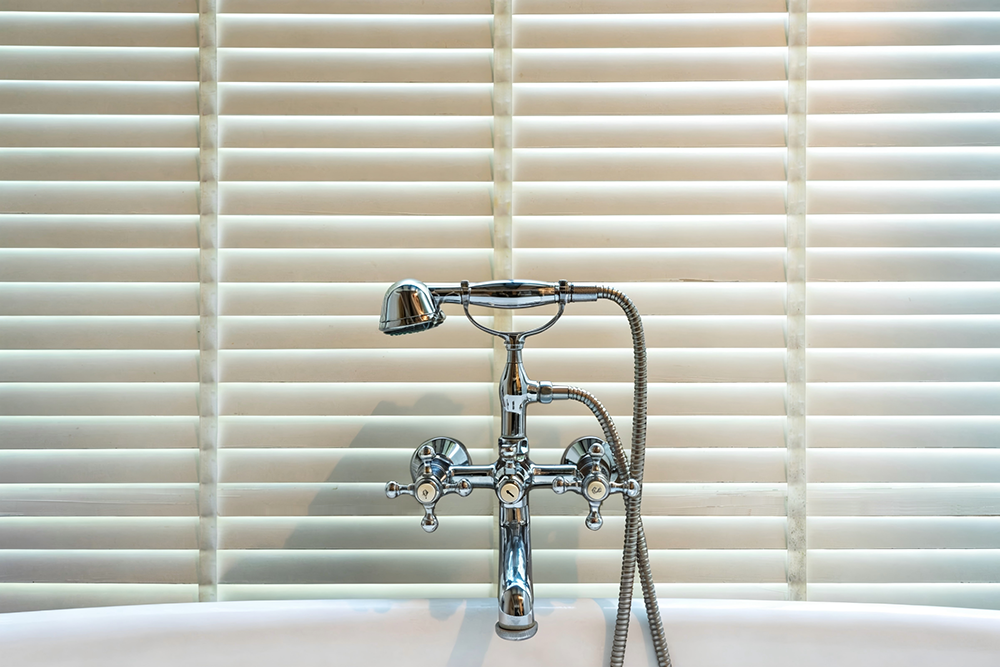
Craftsmanship and Structural Design Details
Most ordinary consumers ignore structural details, but they directly affect the daily use experience of blinds. Cheap mass-produced Venetian blinds rely on simplified assembly processes to reduce costs. Their ladder tapes are made of thin low-toughness polyester, which is easy to fray, loosen, or break after frequent pulling and adjustment. The connecting holes on cheap slats are rough and unpolished, causing the cords to wear quickly and get stuck easily.
The control system is another obvious difference. Budget blinds are equipped with low-precision pull rods and lifting cords, with unstable tilt angles. It is difficult to align all slats evenly, resulting in light leakage and poor shading effects after long-term use. The bottom rails are thin and lightweight, making the entire blind easy to shake and produce noisy flapping sounds when there is slight wind or indoor air flow.
High-quality custom Venetian blinds adopt refined industrial craftsmanship. Thickened high-tensile ladder tapes fix each slat firmly without loosening or offsetting. Precisely polished slat holes protect cords from friction and jamming. The upgraded mute control system enables smooth, precise tilt adjustment, allowing users to freely control light intake from full shading to full light transmission. The weighted thickened bottom rail keeps the blinds stable, eliminating shaking and noise. Every detail is optimized for long-term frequent use, bringing a smooth and quiet daily experience.
Performance Differences in Daily Use Scenarios
The performance gap between high-quality and cheap blinds becomes completely obvious after long-term household use, especially in light control, privacy protection, insulation, and safety.
In terms of light and privacy performance, cheap Venetian blinds have inconsistent slat flatness and uneven assembly gaps. Even when fully closed, they produce obvious light leakage, failing to block strong outdoor sunlight or protect indoor privacy at night. High-quality blinds feature perfectly fitted slats with zero gaps when closed, achieving full shading and excellent privacy protection. When tilted open, they deliver uniform and soft light transmission, avoiding dazzling direct sunlight.
For thermal insulation and energy efficiency, durable Venetian blinds with thickened slats and professional coatings form an effective thermal barrier. They block solar heat in summer to reduce indoor temperature and lock indoor warm air in winter, effectively reducing air conditioning and heating energy consumption. Cheap thin-slat blinds have almost no insulation effect, failing to isolate outdoor heat and cold air.
Safety is another key difference. Low-cost blinds often use unqualified thin cords without safety protection, posing a potential strangulation risk for children and pets. Premium modern Venetian blinds are equipped with cordless designs or child-safe cord locks, fully complying with international household safety standards and eliminating hidden safety hazards for families.

Long Term Cost Performance and Maintenance
Many consumers choose cheap blinds for low upfront prices, but they end up spending more in the long run. Low-quality blinds have a service life of only 1 to 3 years. After that, they face frequent problems such as broken cords, deformed slats, fading, and mold, requiring repeated maintenance or full replacement. Frequent replacement costs, matching installation fees, and maintenance time costs far exceed the savings from initial low prices.
High-quality Venetian blinds belong to one-time investment and long-term use household products. With stable material performance and fine craftsmanship, they rarely fail in daily use. Their smooth compact surface is dust-proof and easy to clean, only requiring regular simple wiping to maintain a new look. Most premium blind brands also provide 3 to 10 years of official warranty services. If structural damage occurs under normal use, users can enjoy free replacement and after-sales maintenance, greatly reducing long-term household costs.
Practical Buying Tips to Avoid Inferior Venetian Blinds
To help consumers select cost-effective high-quality Venetian blinds and avoid inferior products, we summarize three core practical buying standards.
First, check the material thickness and surface texture. Touch the slats to feel if they are thick and sturdy, without soft bending or flimsy texture. High-quality blinds have smooth uniform surfaces without burrs, color difference, or peeling paint. Second, test the control flexibility. Pull the lifting cord and adjust the tilt angle repeatedly; qualified products operate smoothly without jamming, stuttering, or uneven slat alignment.
Third, focus on accessory quality and safety configuration. Prioritize products with thickened ladder tapes, weighted bottom rails, and child-safe cord designs. Avoid ultra-low-priced products with thin accessories and incomplete safety configurations, even if they look identical in appearance.
Frequently Asked Questions
1. Are expensive Venetian blinds really worth the extra cost?
Yes. High-quality Venetian blinds deliver far better durability, safety, and usage experience. They avoid frequent replacement and maintenance costs of cheap blinds, provide stable insulation and privacy performance, and feature safer household designs. From a long-term cost performance perspective, premium blinds are more economical and practical.
2. What is the biggest flaw of cheap Venetian blinds?
The biggest problem is unstable material and structural quality. Cheap blinds are prone to fading, warping, cord breakage, and light leakage after short-term use. They also lack safety protection designs and cannot withstand long-term sunlight and humidity erosion, leading to rapid performance degradation.
3. How long can high-quality Venetian blinds last?
With normal use and simple daily maintenance, premium custom Venetian blinds can last 5 to 10 years. High-grade aluminium and faux wood blinds even maintain intact performance and appearance for more than a decade, with almost no aging failure.
4. Can high-quality blinds greatly improve indoor comfort?
Absolutely. Durable Venetian blinds achieve precise light control and efficient thermal insulation. They soften harsh sunlight, protect furniture from UV fading, stabilize indoor temperature, and create a quieter, safer, and more comfortable living environment compared with low-quality blinds.
Post time: May-26-2026