Balcony windows take the brunt of direct sunlight, sweltering heat, and year-round seasonal weather shifts, making exterior window treatments far more susceptible to wear and tear than purely indoor coverings. Most homeowners have dealt with the same annoying issues with balcony window blinds: slow color fading, brittle slats, unwanted warping, and the hassle of replacing blinds every couple of years due to poor weather durability. Many shoppers prioritize looks over performance when buying blinds, picking trendy styles without checking core material quality, only to watch their new window coverings lose their shape, color, and functionality in just one or two seasons.
When it comes to functional, long-lasting balcony window coverings, Venetian blinds are a top pick for homeowners, thanks to their customizable light control, great airflow, and timeless minimalist design. That said, not every Venetian blind material holds up well to constant outdoor balcony exposure. Picking the wrong material leads to weak UV defense, accelerated aging, and unnecessary spending on frequent replacements.
Why Balcony Window Blinds Need Anti-UV and Anti-Aging Properties
Indoor blinds only filter gentle ambient light, but balcony blinds battle harsh outdoor conditions day in and day out. Long-term ultraviolet exposure is the biggest culprit behind premature blindness. UV rays break down the molecular structure of most synthetic and wooden blind materials, triggering common problems like patchy fading, cracked surfaces, lost flexibility, and overall deterioration. On top of UV damage, relentless summer heat worsens material warping, while fluctuating seasonal humidity leads to mildew buildup and corrosion on low-quality blind styles.
Low-quality balcony blinds do more than ruin your home’s aesthetics—they fail at their core job. Faded, worn-out blinds can’t block harsh sunlight effectively, leaving your indoor space glaring and damaging expensive flooring, furniture, and textiles. Warped, aging slats also stop adjusting light and airflow smoothly, which drastically impacts daily living comfort. For these reasons, UV resistance and anti-aging durability are the two non-negotiable factors for choosing quality balcony Venetian blinds, far more important than superficial style or bargain pricing.
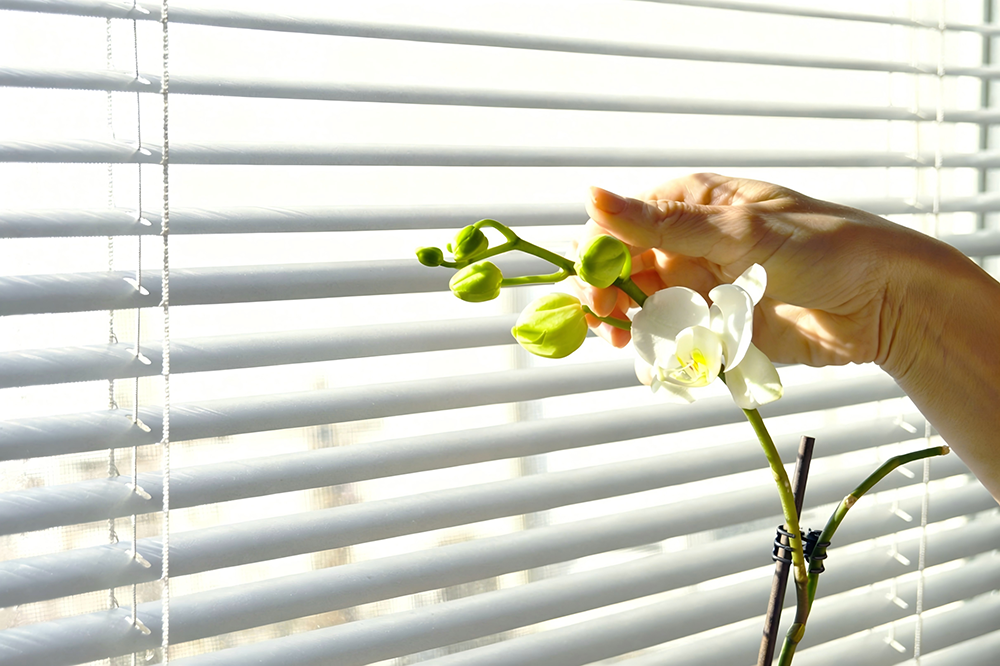
Material Comparison: Best Anti-UV Anti-Aging Materials for Balcony Venetian Blinds
The durability and weather resistance of Venetian blinds hinge entirely on their raw materials. To help you avoid common shopping mistakes, we’ve tested and reviewed the four most popular blind materials available today. We evaluate each option based on real-world balcony performance: UV protection, heat resistance, long-term anti-aging durability, and overall suitability for sun-exposed outdoor spaces.
1. Aluminum Alloy Venetian Blinds (Most Recommended for Balconies)
Aluminum alloy is the most reliable, field-tested material for balcony horizontal window blinds, dominating the high-performance weather-resistant blind category. Premium aluminum alloy blinds undergo professional anti-rust treatment and electrostatic spray finishing, delivering exceptional UV protection. They block over 90% of harmful ultraviolet radiation, shielding your indoor floors, sofas, curtains, and decor from sun-induced fading and damage.
When it comes to fighting aging, aluminum alloy boasts unmatched stability. It won’t warp, crack, fade, or degrade from years of direct sun exposure, high heat, wind, or seasonal weather changes. Unlike wood and plastic alternatives, aluminum is completely unaffected by humidity, so you’ll never deal with mildew, rot, or brittle breakdown. With proper simple care, these blinds last 8 to 15 years—easily outperforming all other standard blind materials for balcony use.
The only minor downside is that basic thin aluminum slats can conduct a small amount of heat during extreme summer heatwaves. However, upgraded thickened aluminum blinds with nano-insulation coatings eliminate this issue entirely. For anyone with an open, sun-baked balcony that gets all-day direct sunlight, aluminum Venetian blinds offer the perfect mix of affordability and long-term durability.
2. PVC Venetian Blinds (Budget-Friendly for Semi-Shaded Balconies)
PVC Venetian blinds are popular budget-friendly sun shade blinds with solid waterproof and light-blocking capabilities. They work best for partially shaded balconies that don’t receive constant, direct sunlight. Modified PVC materials come with a basic UV-resistant coating that fends off mild ultraviolet rays and prevents short-term color fading for casual use.
Even so, PVC has clear limits when it comes to heat resistance and long-term anti-aging performance. When exposed to persistent strong sunlight and temperatures above 35°C, PVC expands and contracts repeatedly. This cycle causes slats to warp, turn yellow, and become brittle after just one or two years of use. The thin surface UV coating also wears away over time with sun exposure and routine cleaning, leading to a sharp drop in performance.
This material is a decent choice for budget-focused homeowners with shaded balconies, but it’s not recommended for open balconies with all-day sun exposure. You can slightly extend its lifespan by cleaning it regularly and avoiding prolonged exposure to extreme midday heat.
3. Solid Wood & Bamboo Venetian Blinds (Not Suitable for Sunny Balconies)
Solid wood and bamboo Venetian blinds offer a gorgeous natural texture that elevates any home decor, but they rank lowest among common blind materials for UV and aging resistance. Natural wood and bamboo fibers are extremely sensitive to UV rays and high heat. Consistent sun exposure fades their natural finish, dries out the material, and causes unsightly cracks and warping. Meanwhile, fluctuating balcony humidity leads to mildew growth, mold, and even pest infestations over time.
Even high-end solid wood blinds coated with premium UV-protective varnish don’t stand up long-term. The surface coating wears down with use and sunlight, leaving the vulnerable natural wood underneath exposed to solar damage. For this reason, wood and bamboo blinds are only suitable for fully covered, dark balconies or purely indoor use—never for sun-exposed balcony windows.
4. Faux Wood Venetian Blinds (Balanced Choice for Aesthetics and Durability)
Faux wood (also known as polywood) blinds blend the warm, natural look of real wood with the sturdy stability of synthetic materials, making them a premium middle-ground option for outdoor window blinds. Crafted from durable polymer composite, these blinds feature integrated professional UV treatment that actively resists ultraviolet damage and prevents fading or discoloration over years of use.
Their anti-aging performance far outshines real wood. Faux wood won’t crack, warp, mildew, or degrade from sun exposure and humidity fluctuations, and it handles high temperatures far better than natural wood. It delivers a warmer, more organic texture than aluminum blinds, allowing homeowners to enjoy a cozy, stylish aesthetic without sacrificing balcony-ready durability. The only downside is its higher price point, ideal for users who refuse to choose between homey charm and long-term functionality.
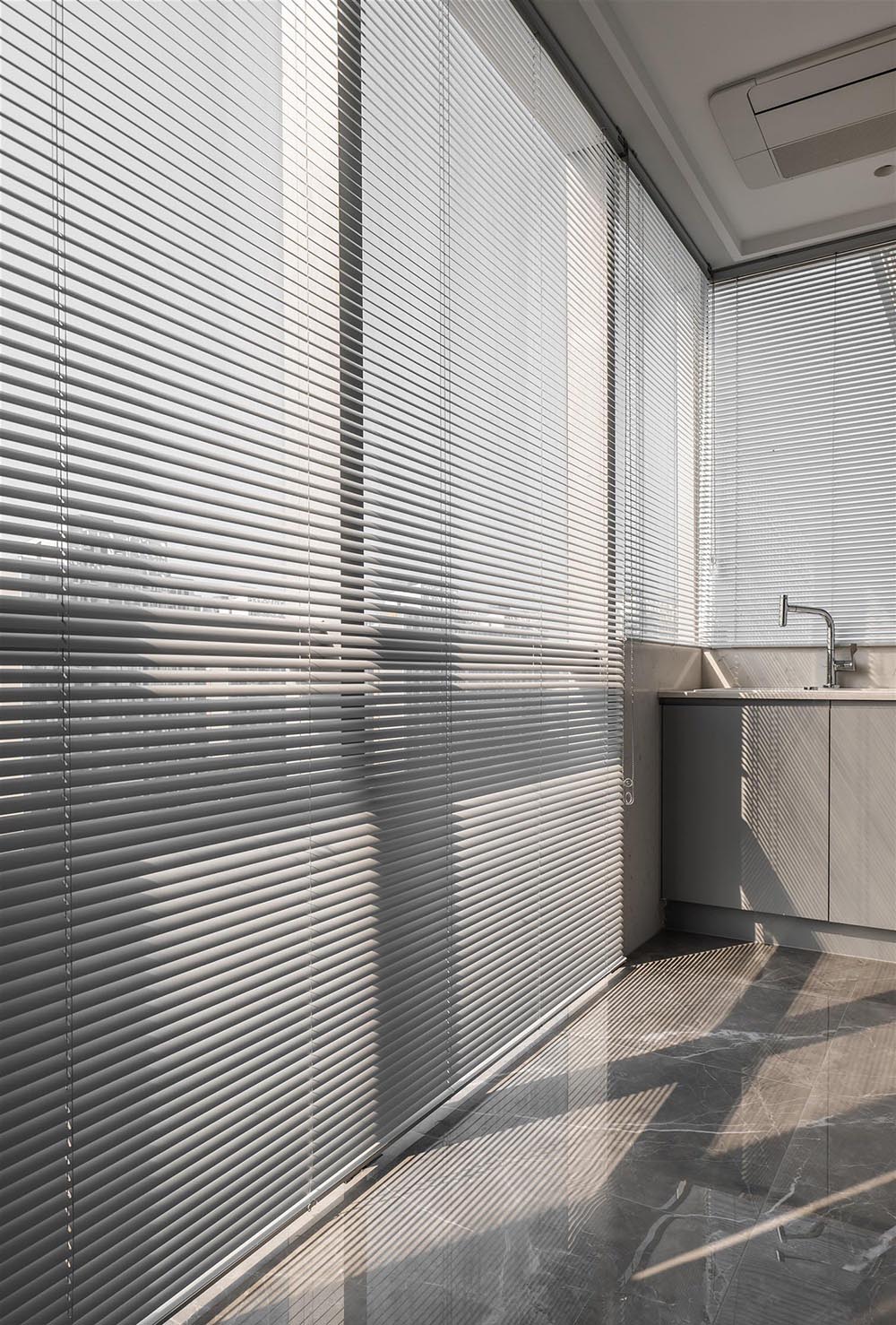
Practical Tips for Buying Balcony Venetian Blinds
Picking the right material is the foundation of long-lasting balcony blinds, but small, often overlooked details make a huge difference in lifespan and daily usability. Drawing on real homeowner feedback and professional industry experience, we’ve rounded up the most practical buying tips to help you shop smarter:
First, always prioritize blinds with official third-party UV resistance certification. Many cheap blinds claim to be UV-proof but only have a thin, temporary surface coating that wears off within months. Reliable balcony blinds feature built-in, integrated UV-blocking technology, not just superficial spray-on treatment.
Second, steer clear of ultra-thin slat designs. Flimsy thin slats bend and deform easily under high heat and gusty balcony winds. For outdoor balcony installation, opt for thickened, reinforced slats with a stable structure for superior anti-aging and wind-resistant performance.
Third, match your blind material to your balcony’s sunlight conditions. Open, fully sunlit balconies work best with aluminum alloy or faux wood Venetian blinds. Partially shaded balconies can use budget-friendly PVC blinds for solid performance at a lower cost. Fully enclosed, low-light balconies allow for decorative solid wood blinds to boost interior style.
Fourth, pay attention to surface finishing techniques. Blinds treated with electrostatic spraying and nano-insulation coatings resist dirt, heat, and aging much better. They also require far less effort for routine cleaning, perfect for busy households.
Common Questions About Balcony Venetian Blinds Selection
Q1: Are Venetian blinds good for balcony windows?
A: Absolutely. Venetian blinds are one of the most practical, user-friendly options for balcony windows. Unlike full-coverage roller blinds that block all natural light, their adjustable slats let you fine-tune brightness and airflow to suit your preference. High-quality aluminum and faux-wood Venetian blinds hold up incredibly well against harsh balcony weather, offering far better durability and everyday functionality than standard fabric curtains.
Q2: Which balcony blind material has the longest service life?
A: Thickened, nano-coated aluminum alloy Venetian blinds offer the longest lifespan by a wide margin. With basic regular maintenance, they can last 10 to 15 years with zero fading, deformation, or weather-related aging. Completely immune to humidity swings and extreme temperatures, they outperform PVC, solid wood, and faux wood alternatives in long-term balcony applications.
Q3: How to maintain balcony Venetian blinds to prevent aging?
A: Keeping your balcony Venetian blinds in great shape is simple. Wipe down slats regularly with a soft damp cloth to remove dust and grime, and avoid harsh scrub brushes or chemical cleaners that scratch and strip the UV-resistant coating. During heatwaves or strong wind storms, close the blinds to reduce direct environmental wear. Also, wipe away accumulated water stains promptly to preserve the material’s anti-aging properties long-term.
Q4: Can UV-resistant Venetian blinds protect indoor furniture?
A: Yes, they absolutely do. Premium UV-resistant Venetian blinds block over 90% of harmful UVA and UVB rays—the primary causes of faded furniture, worn flooring, and brittle upholstery. Adjusting your blinds throughout the day to filter harsh sunlight is an easy, effective way to protect your indoor investments and extend the life of your home decor.
Choosing balcony window blinds is never just about picking a pretty design—it’s about selecting a durable solution built for tough outdoor conditions. As the most flexible and functional balcony window covering on the market, Venetian blinds deliver reliable long-term performance when you choose the right material. Aluminum alloy is the top choice for sun-drenched open balconies with industry-leading UV and aging resistance. Faux wood strikes the perfect balance between elegant aesthetics and sturdy durability. PVC works great for low-budget, shaded balcony setups. Solid wood, however, is best reserved for indoor decoration only.
With the material breakdown and practical shopping tips in this guide, you can easily avoid the most common balcony window blinds issues: fading, warping, and premature replacement. Investing in high-quality, UV-resistant, and anti-aging Venetian blinds boosts your daily living comfort, cuts down on recurring replacement costs, and adds long-term value to your home decor.
Post time: Jun-26-2026