If you’ve had window blinds in your home for a few years, you’ve almost certainly dealt with that annoying sun-fading issue. One season, your blinds look fresh, vivid, and perfectly coordinated with your interior decor; the next, they turn dull, splotchy, or yellowed, dragging down the entire look of your windows and living space. This problem hits homeowners with PVC blinds and aluminum blinds the hardest, as these two styles are among the most affordable, versatile, and widely used options for both residential and commercial spaces. A lot of people assume fading is an inevitable downside of owning blinds, but that’s simply not true. With targeted care, smart purchasing choices, and small daily adjustments, you can easily minimize sun damage and keep your blinds looking new for much longer. Even classic Venetian blinds, whether made from PVC or aluminum, will gradually wear down under unprotected sunlight, which is why these practical, easy-to-follow solutions are a must for all slatted window coverings.
Before jumping into the step-by-step fixes, it’s helpful to understand exactly how sunlight damages PVC blinds and aluminum blinds differently. Many homeowners use generic cleaning and protection tricks with little success because they don’t realize these two materials have unique fading triggers. A hack that works for aluminum might do almost nothing for PVC, and vice versa. By learning these distinct fading mechanisms, you’ll be able to apply more precise, effective care and drastically extend the lifespan of your window blinds.
Let’s start with PVC blinds, a popular choice for bathrooms, kitchens, and other high-moisture areas thanks to their excellent waterproof and rust-resistant properties. As a synthetic plastic material, PVC is blended with color pigments, plasticizers, and protective additives to achieve its finished look and durability. When exposed to ongoing direct sunlight and strong UV radiation, these chemical ingredients slowly break down. UV rays penetrate the slat surface and gradually degrade the color pigments, resulting in faded, uneven tones and that familiar yellowed appearance on older PVC window coverings. With years of unprotected sun exposure, PVC slats also become brittle, prone to warping, cracking, and permanent structural damage. Most budget-friendly PVC Venetian blinds come without upgraded UV shielding, which explains why they fade far quicker than premium versions in sunlit rooms.
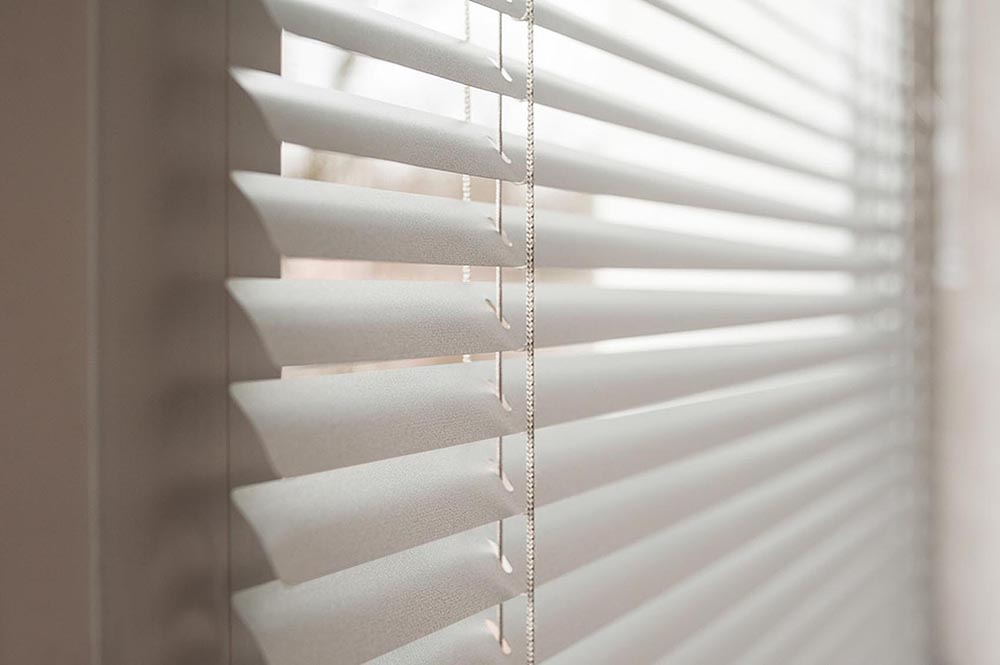
Aluminum blinds experience sun fading in a completely different way. Pure aluminum metal is naturally UV-resistant and won’t discolor or degrade from sunlight alone. All fading on aluminum blinds happens on their factory-finished paint or powder-coated outer layer. Hours of daily direct sunlight, combined with high window-side heat, weakens the chemical binders that hold the coating intact. Over time, this triggers oxidation, leaving the slats looking washed out, patchy, and muted. In intense, consistent sunlight, the coating can even chalk up or peel off entirely, exposing the raw, dull aluminum underneath. This issue is extremely common with standard aluminum Venetian blinds installed on sun-facing living room, office, and balcony windows, which bear the brunt of daily unfiltered sunlight year-round.
Now that you understand the unique root causes of sun damage for each material, we’ll walk through actionable, beginner-friendly solutions to stop fading on both PVC blinds and aluminum blinds. All of these methods require no professional tools or expertise, rely on affordable everyday products, and fit seamlessly into regular home maintenance routines.
One of the best long-term strategies to avoid fading is making smart material choices when buying new blinds. If you’re upgrading old window coverings or installing blinds for a new space, prioritize premium PVC blinds infused with industrial-grade UV stabilizers. These additives block harmful UV rays from penetrating the plastic, locking in original pigments and preventing yellowing and brittleness. For aluminum blinds, always choose models with high-quality powder-coated finishes instead of cheap spray-painted layers. Powder coating creates a thick, tough protective barrier that resists solar oxidation and significantly slows fading and surface wear. Most trusted blind suppliers clearly label UV-resistant and powder-coated products, making it simple to pick durable options for sun-exposed rooms. This single purchasing tip eliminates roughly 70% of potential sun-fading issues for both PVC and aluminum blinds.
If you’re happy with your current blinds and don’t want to replace them, adding external UV protection is the most practical fix. UV-blocking window film is an affordable, highly effective upgrade for all Venetian blinds and slatted window coverings. This clear, discreet film adheres directly to your window glass, filtering out over 95% of damaging UV rays without dimming natural light or altering your room’s ambiance. It creates a protective buffer between harsh sunlight and your blind slats, stopping UV damage before it can affect your window coverings. The installation process is simple enough for complete beginners, requiring just basic window cleaning and smooth, careful application. This solution works equally well for aging PVC blinds and aluminum blinds, and it also protects your furniture, flooring, and soft furnishings from sun-related discoloration.
Small daily usage habits also make a massive difference in preventing premature blind fading. Many homeowners leave their blinds fully open all day long, leaving slats constantly exposed to unfiltered, direct sunlight. A quick routine adjustment can drastically reduce wear: during peak sun hours, generally from 10 AM to 4 PM, tilt your slats up or down so their flat surfaces don’t face direct sunlight. You can also partially close the blinds to cut down on intense light exposure while still keeping your room bright and well-ventilated. For windows that get harsh afternoon sun, pairing your PVC blinds or aluminum blinds with lightweight sheer curtains is a smart move. The thin fabric diffuses harsh solar rays, lowering UV intensity and slowing down premature fading and surface degradation.
Consistent, proper cleaning is an often-overlooked yet critical part of anti-fading blind maintenance. Built-up dust, dirt, and grime on slats trap heat and UV radiation directly against the blind surface, speeding up pigment breakdown in PVC and oxidation in aluminum coatings. For PVC blinds, do a gentle monthly clean with a soft microfiber cloth and mild, diluted soapy water. Steer clear of bleach, harsh chemical cleaners, and abrasive scrubbing tools, as these strip away subtle surface protection and accelerate fading. For aluminum blinds, regularly wipe away dust and grime, and inspect slats for chipped or peeling coating. Touch up small damaged areas with matching paint to prevent further oxidation and uneven discoloration. Never use rough sponges or pressure washers on either blind type, as scratches compromise their protective outer layers.
Simple temperature control is another underrated anti-fading trick. Sun-exposed windows can reach extremely high surface temperatures throughout the summer, and excessive heat amplifies UV damage significantly. High heat accelerates the chemical breakdown of PVC materials and speeds up coating oxidation on aluminum blinds. Whenever possible, improve room ventilation or run ceiling fans to reduce heat buildup around sun-facing windows. On extremely hot, sunny days, partially close your blinds to minimize direct heat absorption. These tiny, effortless adjustments effectively preserve the vibrant appearance and extend the overall lifespan of your PVC blinds and aluminum blinds.
Frequently Asked Questions
Q1: Do PVC blinds fade faster than aluminum blinds in direct sunlight?
A1: In most cases, yes. Standard PVC blinds are more susceptible to fading and yellowing because UV rays directly break down their internal color pigments and plastic structure. Aluminum blinds only fade on their outer coating, and high-quality powder-coated aluminum variants offer far better sun resistance than basic PVC models. That said, with reliable UV protection and regular maintenance, both blind types can stay vibrant and fade-free for many years.
Q2: Can faded PVC and aluminum blinds be restored to their original color?
A2: It depends on the severity of the damage. Minor, early-stage fading can be subtly improved with dedicated blind color restoration sprays and UV-protective sealants. However, severe yellowing, deep discoloration, or peeling coating is permanent and cannot be fully restored to the original factory finish. In the long run, consistent prevention is always more reliable and cost-effective than trying to repair heavily sun-damaged PVC blinds and aluminum blinds.
Q3: Are Venetian blinds more susceptible to sun fading than other blind styles?
A3: Yes, slightly more so than other styles. Traditional Venetian blinds feature flat horizontal slats that sit fully exposed to direct sunlight when open, absorbing more UV radiation than vertical blinds or roller blinds. Fortunately, all the prevention and maintenance tips covered above work perfectly for both PVC and aluminum Venetian blinds, effectively slowing sun fading and extending their service life.
Q4: Is window film worth installing to prevent blind fading?
A4: Definitely. UV-blocking window film is one of the most budget-friendly, long-term solutions for sun protection. It blocks over 90% of UV rays that cause fading on PVC blinds and aluminum blinds, while also cutting down indoor heat and protecting your furniture and flooring from sun damage. Once installed, it requires almost no upkeep and delivers consistent protection for years.
Post time: Jun-30-2026