If you’re planning a home renovation, a rental property update, or even a commercial space fit-out, you’ve likely faced this common dilemma: PVC vs aluminum Venetian blinds. These two materials dominate the modern window covering market, especially for the classic Venetian blind design, but they serve very different needs. With 2026 home trends leaning hard into energy efficiency, smart home integration, and practical low-maintenance living, making the right choice isn’t just about aesthetics—it’s about long-term performance, cost, and suitability for your exact space.
We’ll break down every critical factor: durability, moisture resistance, insulation, style, cost, and real-world use cases. By the end, you’ll know exactly which material works for bathrooms, sun-drenched living rooms, home offices, rental units, and high-traffic commercial areas. We’ll also touch on trending upgrades like motorized Venetian blinds and blackout Venetian blinds to help you future-proof your project.
What Are Venetian Blinds?
First, a quick refresher: Venetian blinds are horizontal slatted blinds, typically made from PVC, aluminum, wood, or faux wood. They’re controlled by cords or wands to tilt, lift, and lower, giving precise control over light and privacy. Unlike vertical blinds or curtains, they sit close to the window, offering a clean, streamlined look that works in modern, minimalist, industrial, and even traditional interiors.
Their core appeal lies in versatility:
• Precise light control: Tilt slats to filter soft daylight or block glare entirely.
• Privacy without darkness: Angle slats to block views from outside while letting light in.
• Space efficiency: Stack tightly when fully open, maximizing window views.
• Easy maintenance: Wipe-clean slats, no washing or dry-cleaning needed.
Now, let’s dive into the PVC vs aluminum showdown—tailored to 2026’s biggest homeowner pain points: humidity, heat, cost, and smart home compatibility.
PVC Venetian Blinds: Budget-Friendly & Moisture-Proof
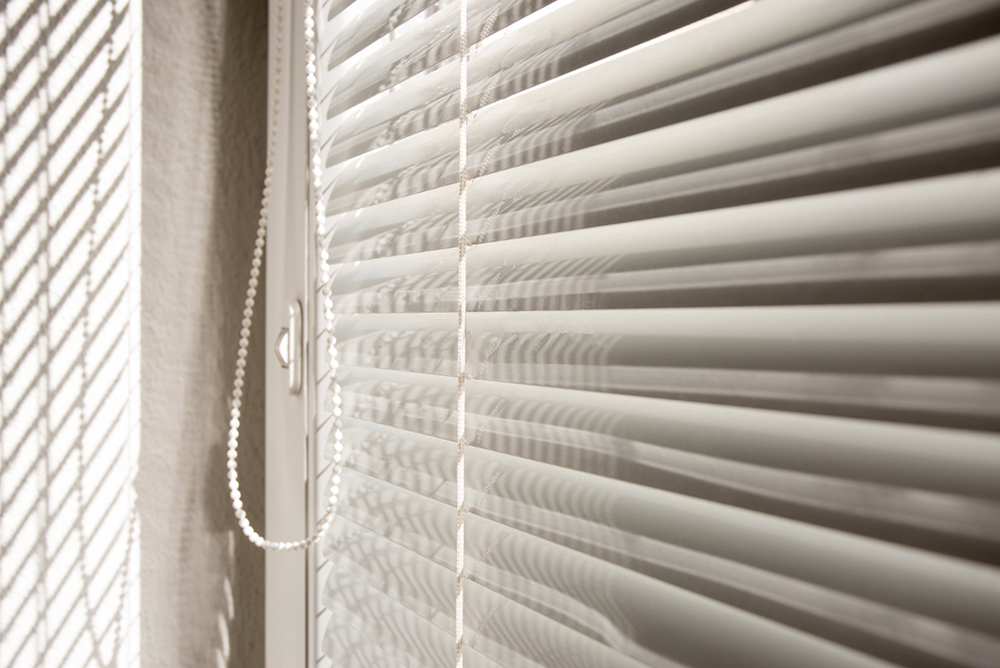
PVC Venetian blinds are made from rigid plastic, engineered to be lightweight, affordable, and resistant to water and humidity. They’re the go-to choice for budget projects and wet spaces—and for good reason.
▼ Key Advantages of PVC Blinds
• Unbeatable moisture resistance
PVC is completely waterproof and won’t warp, swell, or develop mold in high-humidity environments. This makes them ideal for bathrooms, laundry rooms, and coastal homes where constant steam or salt air would damage metal or wood. Wipe them down with a damp cloth or disinfectant—no risk of corrosion or water stains.
• Budget-friendly upfront cost
PVC is the most economical Venetian blind material. It typically costs 30–60% less than aluminum blinds, making it perfect for:
- Large-scale projects (whole home, multi-unit rentals)
- Temporary installations or rental properties
- Budget renovations where you need functional blinds without overspending
• Wide color & style variety
Modern PVC blinds come in hundreds of colors, matte/gloss finishes, and even realistic wood-grain textures. You can match bold decor themes, neutral palettes, or mimic the look of wood blinds at a fraction of the price. This flexibility is a big win for design-focused projects on a budget.
• Lightweight & easy to install
PVC slats are lighter than aluminum, so they put less stress on window frames and mounting hardware. They’re also easier for DIY installation—no heavy lifting or specialized tools needed.
• Sound dampening
PVC absorbs more sound than aluminum, which can rattle or amplify noise. This makes them a solid choice for bedrooms or homes on busy streets, where quiet is a priority.
▼ Drawbacks of PVC Blinds
• Heat sensitivity & warping
Lower-quality PVC can warp, fade, or turn yellow under intense, direct sunlight (especially west-facing or sunroom windows). High-quality UV-stabilized PVC resists this better, but it’s still less heat-stable than aluminum.
• Less durable in high-traffic areas
PVC slats can crack or bend if hit or forced—they’re not as rigid as aluminum. Avoid them in homes with kids, pets, or commercial spaces with heavy daily use.
• Moderate insulation
PVC insulates better than thin aluminum but isn’t as energy-efficient as insulated aluminum or wood. It absorbs heat rather than reflecting it, so it won’t keep rooms as cool in summer.
Aluminum Venetian Blinds: Durable, Heat-Resistant & Commercial-Grade
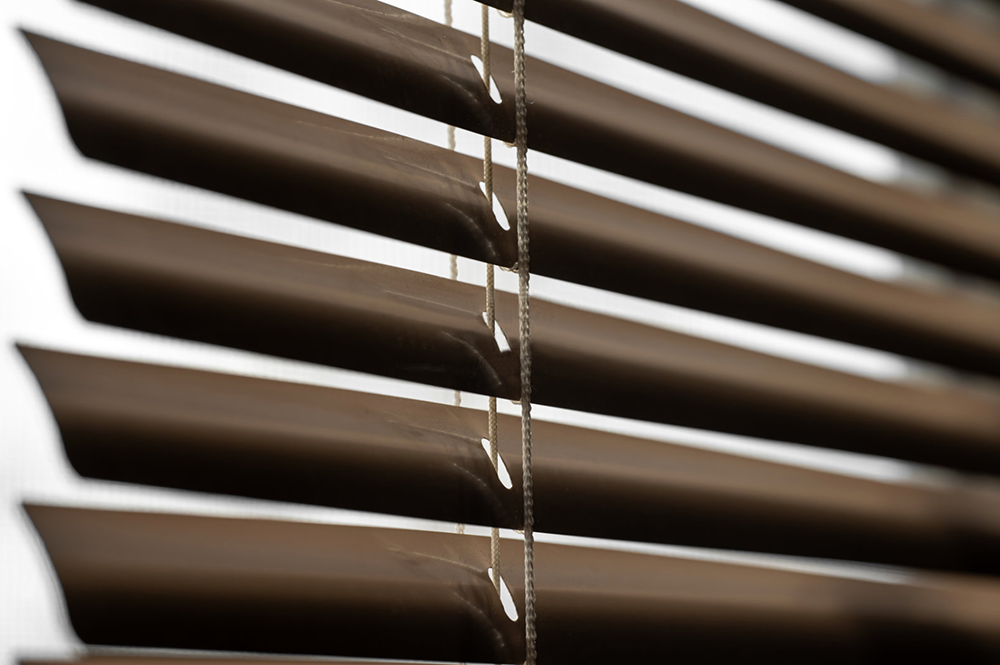
Aluminum Venetian blinds are made from thin, rigid metal slats (usually 25mm or 50mm wide) with a durable powder-coated finish. They’re the premium choice for longevity, heat resistance, and modern sleekness—favored in both luxury homes and commercial spaces.
▼ Key Advantages of Aluminum Blinds
• Superior durability & shape retention
Aluminum is strong, rigid, and impact-resistant. It won’t warp, bend, crack, or fade—even after decades of sun exposure. High-quality aluminum blinds can last 15+ years with minimal maintenance, making them a long-term investment. Perfect for:
- High-traffic home offices
- Commercial spaces (offices, retail, cafes)
- Homes with children or pets
- South-facing windows with intense sun
• Excellent heat reflection & energy efficiency
Aluminum naturally reflects sunlight and heat, keeping rooms cooler in summer and reducing AC costs. Many modern aluminum blinds come with Thermostop or heat-reflective coatings that boost energy efficiency by up to 3x compared to standard blinds. This aligns perfectly with 2026’s focus on sustainable, energy-saving home upgrades.
• Sleek, modern aesthetic
Aluminum has a crisp, metallic, minimalist look that elevates contemporary, industrial, or Scandi-style interiors. Thin slats (25 mm) create a refined, uncluttered appearance, while wider 50 mm slats offer a bold, shutter-like vibe. They’re the top pick for design-forward homes and commercial projects.
• Superior light control & blackout performance
Aluminum slats close tighter than PVC, with minimal light leakage. This makes them ideal for blackout Venetian blinds setups—critical for bedrooms, media rooms, or shift workers who need total darkness.
• Moisture-resistant (with proper finish)
Powder-coated aluminum resists rust and corrosion in moderately humid spaces (like kitchens). While not completely waterproof like PVC, high-quality aluminum holds up well to steam and occasional moisture.
▼ Drawbacks of Aluminum Blinds
• Higher upfront cost
Aluminum blinds cost 30–60% more than PVC. They’re an investment, not a budget pick—though their long lifespan often offsets the price over time.
• Can dent or scratch
While rigid, aluminum can dent under heavy impact (e.g., a toy or furniture bump). Deep scratches may expose the metal to potential corrosion over time.
• Noise conduction
Thin aluminum can rattle in strong winds or when operated quickly. It also amplifies external noise slightly compared to PVC.
PVC vs Aluminum Venetian Blinds: Head-to-Head Comparison
Let’s distill the differences into a clear, project-focused table—so you can quickly match your needs to the right material.
|
Factor |
PVC Venetian Blinds |
Aluminum Venetian Blinds |
|
Best for spaces |
Bathrooms, laundries, rentals, budget renovations, coastal homes |
Sunrooms, west-facing windows, home offices, commercial spaces, high-traffic areas |
|
Durability |
Good (1–5 years; prone to warping/cracking) |
Excellent (10–15+ years; rigid, warp-proof) |
|
Moisture resistance |
Perfect (100% waterproof, mold-proof) |
Good (rust-resistant with powder coating) |
|
Heat resistance |
Moderate (warps in intense sun) |
Excellent (reflects heat, no warping) |
|
Energy efficiency |
Fair (absorbs heat) |
Excellent (reflects heat, lowers cooling costs) |
|
Cost |
Budget-friendly ($) |
Premium ($$$) |
|
Style options |
Wide (colors, wood-grain, matte/gloss) |
Modern (metallic, solid colors; sleek finish) |
|
Maintenance |
Very easy (wipe clean) |
Easy (wipe clean; avoid harsh abrasives) |
|
Smart home compatibility |
Compatible with motorized kits |
Ideal for motorized Venetian blinds (sturdy, reliable) |
|
Noise level |
Quiet (absorbs sound) |
Slight rattle in wind |
2026 Trending Upgrades: Elevate Your Venetian Blinds
Whichever material you choose, these modern upgrades will add value and align with current home trends:
• Motorized Venetian Blinds
2026’s must-have feature: motorized Venetian blinds integrate with smart home systems. Control via app, voice, or schedule—perfect for hard-to-reach windows, kids’ rooms, or enhancing home security. Aluminum blinds are ideal for motorization due to their rigid, stable slats.
• Blackout Venetian Blinds
Pair aluminum or thick PVC slats with blackout lining for total light blockage—essential for bedrooms, nurseries, and media rooms. Top pick for shift workers and anyone prioritizing sleep quality.
• Eco-Friendly Materials
Look for recycled aluminum or low-VOC PVC blinds—aligned with 2026’s sustainability trends. Recycled aluminum reduces carbon footprint by 40% vs. virgin metal.
• Custom Slat Sizes
Choose 25mm slats for a sleek, modern look or 50mm slats for a bold, luxurious feel. Smaller slats work better for small windows; wider slats suit large living room windows.
Match Material to Your Project
To eliminate guesswork, here’s a room-by-room recommendation for 2026 homes and projects:
• Bathrooms & Laundries → PVC Blinds
Why: Moisture is the #1 enemy here. PVC’s 100% waterproof design prevents warping, mold, and water damage—aluminum can rust over time in constant steam. Budget-friendly and easy to wipe clean.
• Kitchens → PVC or Aluminum (High-Quality)
Why: Moderate humidity and heat. PVC works for budget kitchens; premium powder-coated aluminum resists heat and steam for a sleek, modern finish. Avoid wood—too prone to warping.
• Living Rooms & Sunrooms → Aluminum Blinds
Why: Intense sun exposure demands aluminum’s heat resistance and durability. It keeps rooms cool, blocks glare, and maintains its shape for years. The sleek metallic finish elevates modern living spaces.
• Bedrooms → PVC (Quiet) or Aluminum (Blackout)
Why: Choose PVC for sound dampening on busy streets. Choose aluminum for blackout Venetian blinds to ensure total darkness and better sleep. Both work—pick based on noise vs. light priority.
• Home Offices → Aluminum Blinds
Why: Precise light control to eliminate screen glare. Durable for daily use and heat-reflective to keep your workspace cool. Perfect for long hours at the desk.
• Rental Properties → PVC Blinds
Why: Low upfront cost, easy replacement, and moisture-resistant for tenant turnover. Tenants appreciate easy maintenance, and you save on replacement costs.
• Commercial Spaces (Offices, Retail) → Aluminum Blinds
Why: Commercial-grade durability, sleek professional look, and long lifespan. Handles high traffic and intense sun—ideal for businesses wanting a polished, low-maintenance window solution.
PVC or Aluminum Venetian Blinds?
There’s no universal “better” option—only the better choice for your project. Here’s the final call:
Choose PVC Venetian blinds if:
• You’re on a tight budget
• Installing in bathrooms, laundries, or coastal homes
• Need maximum moisture resistance
• Updating a rental property
• Want wide color/wood-grain options
Choose Aluminum Venetian blinds if:
• You want long-term durability (10+ years)
• Need heat resistance for sun-drenched windows
• Prioritize energy efficiency and lower cooling bills
• Want a sleek, modern, commercial-grade look
• Planning motorized Venetian blinds or blackout setups
2026 Pro Tips Before You Buy
• Measure twice: For inside-mount blinds, measure after tiling/painting to avoid gaps.
• Invest in quality: Cheap PVC warps fast; cheap aluminum dents easily. Spend a little more for UV-stabilized PVC or powder-coated aluminum.
• Consider hybrid solutions: For humid sunrooms, use PVC slats with aluminum headrails for waterproofing + structural strength.
• Test operation: Check tilt and lift mechanisms—smooth operation means longer life.
Venetian blinds remain a timeless, practical choice in 2026 because they balance function, style, and affordability. Whether you pick budget-friendly PVC or premium aluminum, you’ll get precise light control, easy maintenance, and a look that complements nearly any interior.
Take your project’s key factors—location, humidity, sun exposure, budget, and durability—and let this guide lead you to the perfect Venetian blinds for your space.
Post time: May-08-2026