Faux wood blinds have become a go-to window treatment for modern homes, rental properties, and commercial spaces alike. Crafted from synthetic composite materials, they outperform solid wood blinds in moisture and pest resistance, making them perfect for high-humidity areas like bathrooms and kitchens. Despite their robust build, faux wood blinds are not indestructible and require basic routine care. Many homeowners face frustrating, preventable issues: unsightly yellowing from prolonged sun exposure, brittle slats that crack with minor contact, and patchy fading that disrupts a room’s overall decor.
Nearly all damage to faux wood venetian blinds and horizontal faux wood blinds stems from flawed cleaning habits, unregulated environmental exposure, and neglected seasonal upkeep. The best part? Cracking, discoloration, and warping are almost entirely avoidable with simple, consistent maintenance tailored to the material’s unique properties.
Understand Why Faux Wood Blinds Crack and Discolor
To maintain your blinds effectively, it helps to understand the root causes of common damage, so you can prevent issues rather than fix them after they occur. Most faux wood blinds are constructed from PVC or wood-composite materials, which have distinct physical traits that differ greatly from natural solid wood.
Prolonged direct sunlight is the leading cause of discoloration. Harmful UV rays gradually break down the synthetic pigments coating the slats, resulting in faded, yellowed, or splotchy surfaces over time. Cracking and warping, on the other hand, are mostly triggered by extreme fluctuations in temperature and humidity. Dry winter air strips composite slats of trace moisture, leaving them brittle and prone to snapping. In sweltering, humid summer conditions, poorly ventilated blinds absorb excess ambient moisture, causing subtle material expansion and internal structural loosening that eventually leads to permanent warping or cracking.
Poor cleaning practices further accelerate deterioration. Scrubbing vertical faux wood blinds with abrasive tools or using harsh chemical cleaners strips away their protective outer coating. This removes their natural UV and oxidation resistance, speeding up aging, discoloration, and surface damage.
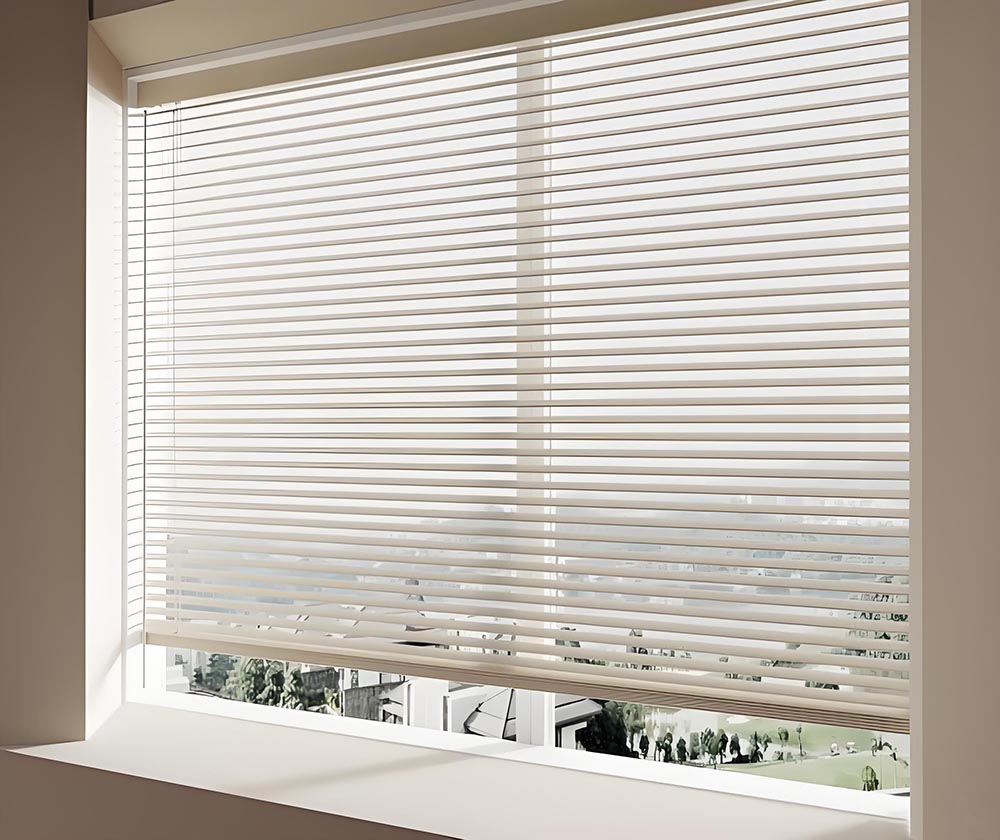
Daily Maintenance Habits to Avoid Damage
Consistent daily maintenance is the simplest, most effective way to stop faux wood blinds from cracking or discoloring. Small, regular care routines eliminate most causes of premature aging, keeping your window treatments looking fresh and extending their usable life significantly.
Routine dust removal forms the foundation of blind care. Built-up dust and grime do more than ruin curb appeal—they trap heat and moisture against the slat surface, accelerating material degradation. For weekly upkeep, use a soft microfiber cloth, gentle feather duster, or vacuum fitted with a soft brush attachment. Wipe each slat slowly from top to bottom, avoiding harsh back-and-forth scrubbing that can wear down the coating. Faux wood venetian blinds feature layered horizontal slats with narrow gaps that easily trap dust, so be sure to clean these crevices thoroughly during each session.
Always opt for mild cleaning solutions when tackling stains and smudges. A common homeowner mistake is using bleach, rubbing alcohol, or heavy-duty detergents to remove tough marks. These corrosive chemicals eat away at the blind’s protective finish, gradually causing fading, brittleness, and permanent surface damage. The safest alternative is a homemade solution of warm water and a tiny amount of neutral, mild soap. Dampen a microfiber cloth with the mixture, wring it out completely to avoid excess water, and gently wipe away stains. Follow up immediately with a dry cloth to remove residual moisture and prevent water spots.
It is also critical to avoid overdoing wet cleaning. Faux wood materials are water-resistant, not fully waterproof. Excess water seeps into slat gaps, destabilizes the internal composite structure, and leads to cracking or warping as the material dries. Stick to dry dusting for regular upkeep, and reserve wet cleaning exclusively for noticeable stains and grime buildup.
Seasonal Protection Strategies for Long-Term Durability
Seasonal shifts in temperature and humidity pose some of the biggest threats to unprotected faux wood blinds. Adapting your maintenance routine to the seasons actively prevents weather-related cracking, fading, and warping, preserving your blinds’ structure and appearance year-round.
Summer care centers on UV protection and proper ventilation. Intense midday sunlight is the primary driver of blind discoloration. During peak UV hours, adjust the angle of your horizontal faux wood blinds to deflect direct sunlight or partially close slats to reduce radiation exposure. For windows that face full sun all day, affordable UV window film adds an extra layer of defense. Additionally, summer’s high humidity creates stagnant, moist air that clings to blinds. Maintain consistent room ventilation to prevent moisture buildup, mold growth, and soft, warped slats.
Winter maintenance focuses on preventing dryness and temperature stress. Indoor heating systems strip household air of moisture, leaving faux wood slats dry, brittle, and far more likely to crack with contact or adjustment. Running a room humidifier to maintain mild humidity levels keeps slats flexible and intact. Never place space heaters, blow heaters, or other heating units directly beside blinds—prolonged hot airflow causes uneven surface heating, leading to shrinkage and cracking. Always adjust blinds gently during cold, dry winter months, avoiding forceful pulling or twisting.
Spring and autumn bring mild, stable weather, requiring only basic consistent care. Continue weekly dusting and conduct quick visual inspections of your vertical faux wood blinds every few weeks. Check for faint discoloration, tiny hairline cracks, or loose cords and connectors. Catching these minor issues early prevents them from worsening into permanent, costly damage.
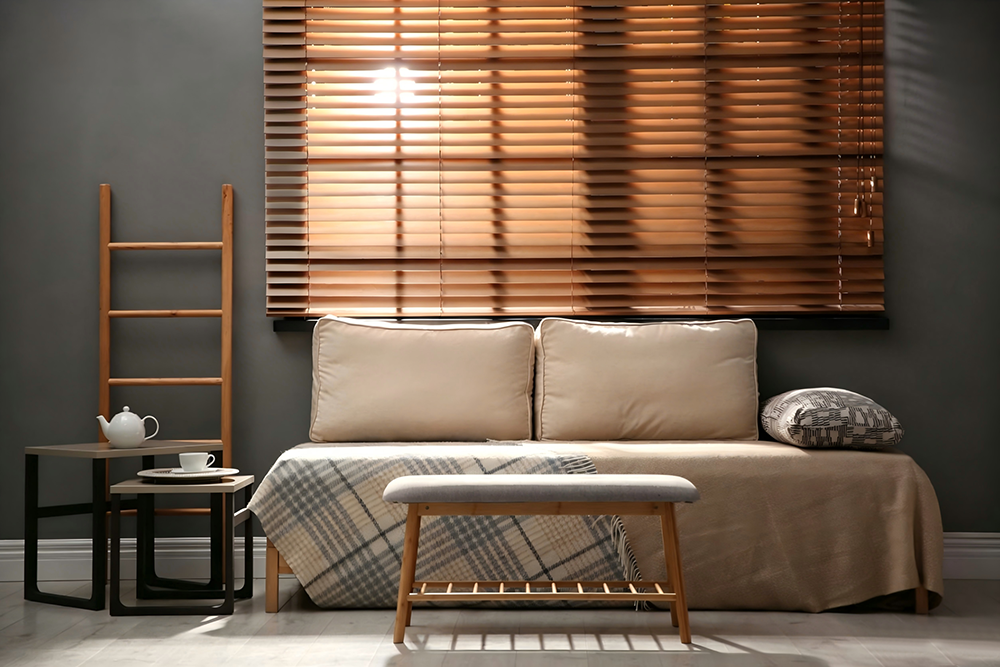
Scientific Placement and Usage Rules to Prevent Damage
Proper placement and careful daily usage are just as important as cleaning for extending the lifespan of faux wood blinds. Many cases of cracking, warping, and discoloration stem from poor installation placement and rough, improper operation, rather than material flaws.
First, avoid installing blinds in extreme environments. While faux wood blinds tolerate more conditions than natural wood alternatives, they cannot withstand constant extreme heat or excessive moisture. Keep blinds clear of kitchen stoves and cooking areas, where persistent high heat and oil fumes cause rapid discoloration and material degradation. In bathrooms and laundry rooms with regular steam exposure, always ventilate the space fully after use to prevent long-term moisture erosion on slats.
Second, practice proper operation techniques. Most accidental slat cracks occur during rough adjustments. When operating faux wood venetian blinds, pull the lift cords straight down with steady, gentle pressure—never tug sideways or use excessive force. To reposition slat angles, turn the adjustment rod slowly and smoothly. Violent twisting and jerking loosens hardware and fractures delicate slat material over time.
Finally, protect blinds from physical stress and damage. Avoid placing tall furniture, large potted plants, or bulky decor directly against your blinds. Constant light pressure causes gradual slat deformation, while accidental knocks and bumps create hidden micro-cracks that expand over months of use, compromising the blind’s overall structural integrity.
Q&A: Common Questions About Faux Wood Blinds Maintenance
Q1: How to fix slight discoloration on faux wood blinds?
Minor fading and yellowing from light sun exposure can be improved with gentle cleaning. Wipe discolored areas with a damp microfiber cloth treated with diluted neutral soap, then dry the slats completely. Severe, uneven discoloration from years of intense UV damage cannot be reversed, but you can adjust your daily sun protection habits to stop further fading and preserve the remaining finish.
Q2: Can cracked faux wood blind slats be repaired?
Small surface micro-cracks can be repaired with specialized PVC repair adhesive. Thoroughly clean the damaged area to remove dust and grime, apply a thin, even layer of glue, and smooth the surface until it fully dries. For large, deep cracks or completely broken slats, replacing individual damaged slats is far more cost-effective than purchasing an entirely new set of faux wood venetian blinds.
Q3: How often should I clean faux wood blinds professionally?
If you maintain consistent weekly dusting and light cleaning, a thorough professional deep clean every 6 to 12 months is ideal. Professional cleaning removes embedded dirt, hidden residue, and buildup in hard-to-reach slat gaps that routine cleaning misses, effectively slowing aging, discoloration, and wear.
Q4: Is it necessary to take down faux wood blinds for cleaning?
Standard daily cleaning can be done without removing your blinds from the window. Full removal is only necessary for heavy grease buildup, thick dust accumulation, or stubborn deep-set stains on horizontal faux wood blinds. Always allow freshly cleaned blinds to air dry completely before reinstalling them to prevent trapped moisture from causing warping or mold.
With simple, intentional maintenance habits, your faux wood blinds can retain their smooth finish, uniform color, and sturdy structure for a decade or more. Regular daily care, season-specific protection, and careful usage eliminate the most common causes of cracking and discoloration, ensuring your window treatments stay clean, attractive, and functional while elevating your home’s interior aesthetic for years on end.
Post time: Jun-25-2026