Living in a coastal home delivers breathtaking ocean views and a relaxed seaside lifestyle, but it also brings unique challenges for household window treatments. Persistent salt spray, humid coastal air, and strong sea breezes gradually erode ordinary window coverings, causing fading, rust, warping, and premature damage. Many coastal homeowners struggle with frequent blind replacements, unsightly surface oxidation, and poor durability of low-quality window blinds. Among all window covering options, anti-salt corrosion aluminum blinds stand out as the most reliable and cost-effective solution for seaside residences.
Why Regular Window Blinds Fail in Coastal Salt Air Environments
Most stock window blinds sold in general home improvement stores are designed for inland, mild climate conditions, not the harsh chemical exposure of coastal regions. The biggest threat to coastal window furnishings is airborne salt chloride ions, which cling to blind surfaces and react with moisture in humid air to form a corrosive electrolyte layer. Over weeks and months, this continuous chemical reaction breaks down material structures and surface finishes.
Wooden blinds quickly absorb moisture and salt particles, leading to mold growth, swelling, cracking, and discoloration. Vinyl and PVC blinds resist minor humidity but become brittle under constant sea wind and UV exposure, eventually warping or snapping. Steel and iron blinds rust rapidly in salt air, leaving orange stains on windowsills and ruining home aesthetics. Even ordinary aluminum blinds with thin, low-quality spray paint cannot withstand sustained salt corrosion, developing white powdery oxidation spots and peeling coatings within one to two years. This is why professional corrosion resistant window blinds are a non-negotiable investment for coastal properties.
What Makes Anti Salt Corrosion Aluminum Blinds Ideal for Coastal Residences
High-quality anti-salt corrosion aluminum blinds are engineered specifically to counteract the three core damaging factors of coastal climates: salt spray, high humidity, and intense coastal UV radiation. Unlike generic aluminum blinds, marine-grade variants adopt upgraded material processing and surface treatment technologies to deliver superior durability. The base material uses high-purity aluminum alloy with stable molecular structure, which does not rust like metal iron and features natural oxidation resistance far exceeding steel and low-grade alloy materials.
The key anti-corrosion advantage lies in its premium surface finishing. Qualified coastal aluminum blinds undergo strict multi-layer treatments, including anodization, electrostatic fluorocarbon coating, and sealing layer processing. These dense, non-porous surface layers effectively isolate salt ions, moisture, and oxygen from contacting the aluminum substrate, preventing electrochemical corrosion and surface oxidation. Compared with other materials, these durable aluminum window blinds maintain stable color and structural integrity for 5 to 10 years in coastal environments, drastically reducing replacement frequency and long-term household maintenance costs.
Beyond corrosion resistance, these professional aluminum blinds retain all the practical advantages of traditional styles. They feature flexible light adjustment, excellent ventilation performance, strong UV protection, and easy cleaning. Their sleek, minimalist design fits all coastal home decor styles, from modern beach houses to casual seaside cottages, balancing functionality and visual appeal perfectly.
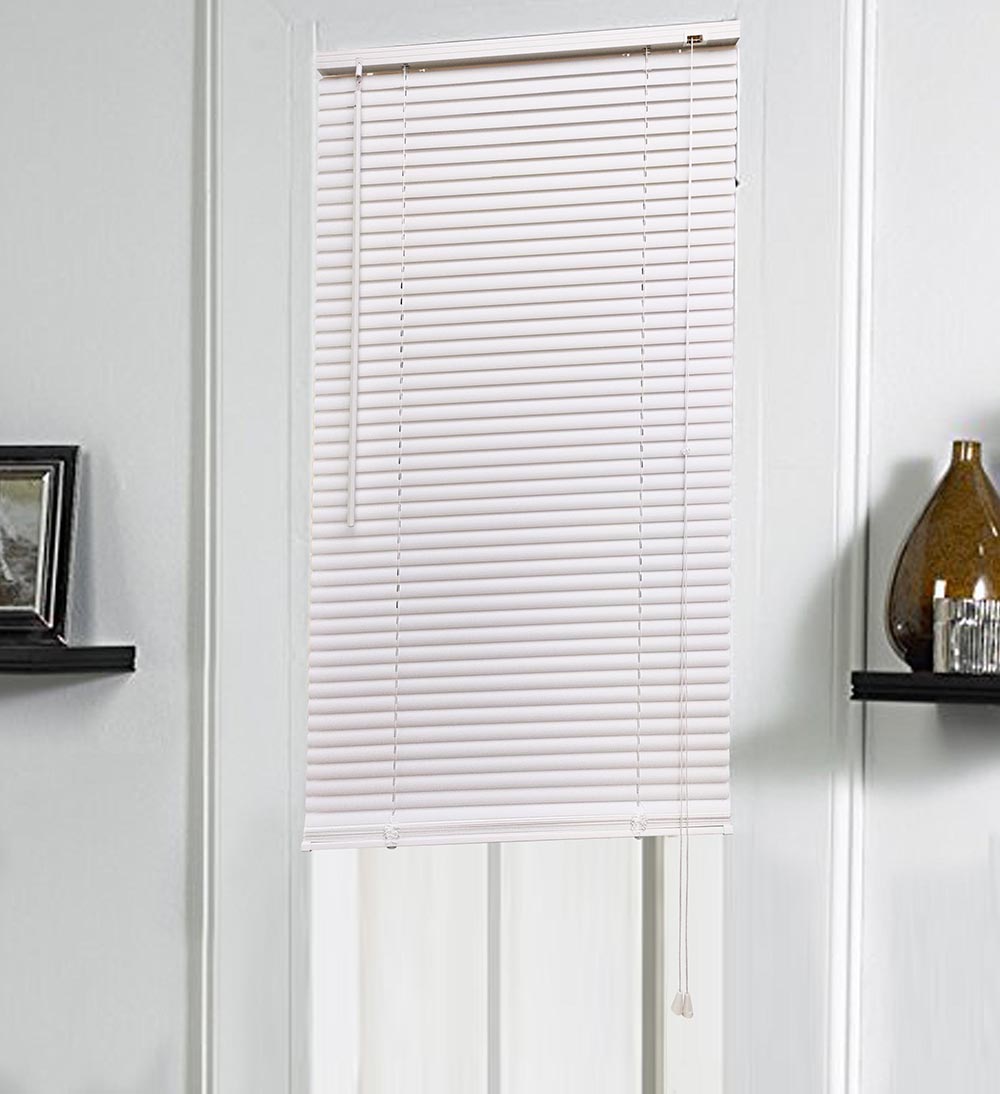
Key Tips to Choose High-Quality Coastal Aluminum Blinds
Not all aluminum blinds are suitable for coastal use. Many merchants label ordinary painted aluminum blinds as “corrosion-resistant” to mislead consumers. To avoid purchase pitfalls, coastal homeowners need to focus on three core selection criteria when buying coastal rated aluminum blinds.
First, prioritize confirmed marine-grade surface treatments. Fluorocarbon coating and hard anodization are the most reliable anti-salt corrosion processes, with weather resistance and corrosion resistance 3 to 5 times higher than ordinary spray painting. You can ask suppliers for material test reports to verify salt spray resistance certification, which is the most direct proof of professional coastal applicability.
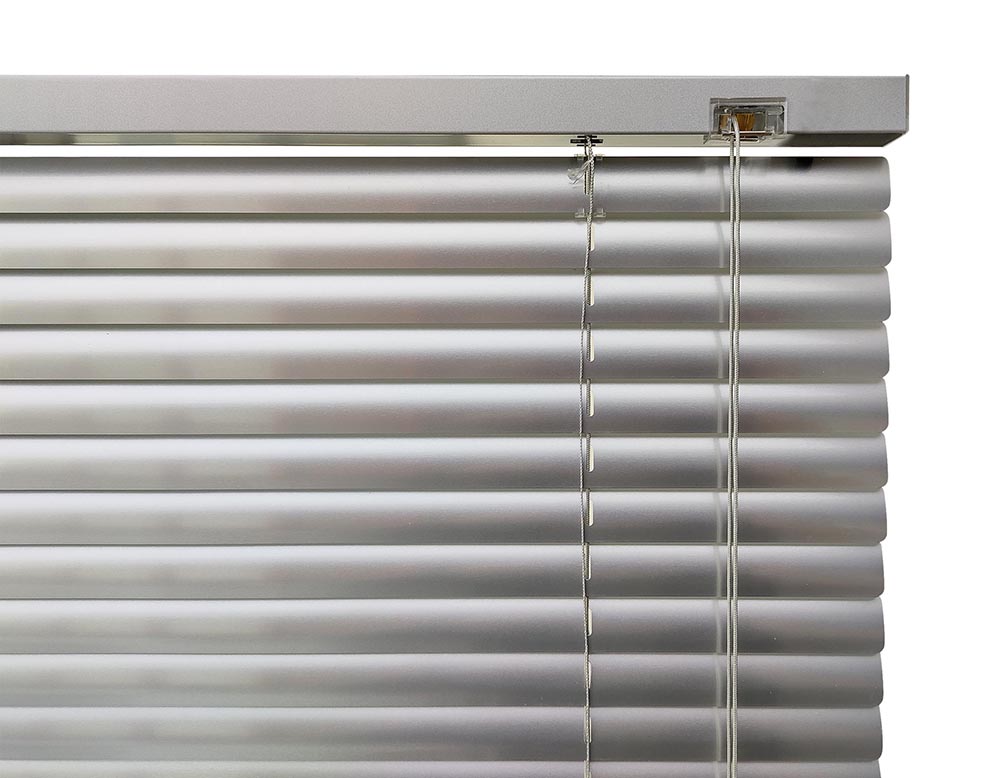
Second, check the thickness and craftsmanship of the aluminum slats. Thin, low-cost slats are prone to deformation under long-term sea wind impact, affecting lifting and closing smoothness. Opt for thickened integrated molded slats with uniform surface coating, no pinholes, and no color difference. Fine edge polishing is also essential to prevent sharp corners from scratching and avoid incomplete coating at edges that causes local corrosion.
Third, avoid overly complex accessory structures. Coastal blind accessories including lifting ropes, track components, and adjustment rods should also adopt anti-corrosion materials such as stainless steel and reinforced engineering plastics. Ordinary iron accessories will rust first, causing jamming, stuck lifting, and shortened overall service life of the blinds.
Daily Maintenance Practices to Extend the Service Life of Coastal Aluminum Blinds
Even the highest-quality anti-salt corrosion aluminum blinds require simple regular maintenance to maintain optimal performance in harsh coastal environments. Daily upkeep is far less labor-intensive than maintaining wooden or iron blinds, and just a few routine operations can extend service life by several years.
The most critical daily step is regular dust and salt residue removal. Salt particles accumulate on slat surfaces every day, and long-term accumulation will gradually wear down the protective coating. Wipe the blinds gently with a soft microfiber cloth every one to two weeks to remove surface dust and salt deposits. For slight stubborn stains, use a damp cloth with neutral mild detergent, and avoid acidic or alkaline cleaning agents that may erode the protective layer.
Do not use hard brushes, steel wool, or sharp cleaning tools during cleaning, as these will scratch the surface coating and create tiny gaps for salt ions to invade and cause corrosion. Every three months, check the track and lifting accessories, wipe off residual salt dirt, and add a small amount of neutral lubricant to ensure flexible operation. During persistent stormy weather or heavy sea breeze periods, close the blinds properly to reduce direct contact with dense salt spray and slow down surface aging.
If you find tiny white oxidation spots or local coating peeling on individual slats, clean and dry the area in time. Minor surface problems can be repaired with professional touch-up paint for aluminum blinds to prevent the corrosion range from expanding and affecting the entire window treatment.
Frequently Asked Questions About Coastal Anti-Salt Corrosion Aluminum Blinds
1. Are aluminum blinds really better than PVC blinds for coastal homes?
Yes. While PVC blinds are cheap and slightly corrosion-resistant, they cannot resist coastal UV radiation and high temperature humidity. They will turn yellow, brittle, and deformed in 2–3 years. Anti-salt corrosion aluminum blinds maintain stable physical and chemical properties under long-term salt spray and UV exposure, with far better durability and safety, making them more cost-effective for long-term use.
2. How long do anti-salt corrosion aluminum blinds last in coastal areas?
With professional marine-grade coating and standard daily maintenance, these aluminum blinds can serve 5–10 years in ordinary coastal residential areas. In offshore areas with stronger salt spray, regular maintenance can still guarantee more than 4 years of stable use, which is 3–4 times the service life of ordinary window blinds.
3. Do coastal aluminum blinds require professional cleaning regularly?
No professional cleaning is needed. Daily household wiping is sufficient for routine maintenance. Professional deep cleaning is only required once a year at most. Its simple maintenance feature is one of the core advantages for busy coastal homeowners.
4. Will corrosion-resistant aluminum blinds fade in seaside sunlight?
High-quality fluorocarbon and anodized aluminum blinds feature excellent UV resistance and color fastness. They will not fade significantly under long-term seaside sunlight exposure. Only low-cost ordinary painted aluminum blinds are prone to fading and discoloration.
Post time: Jul-16-2026