If you live in coastal areas, subtropical zones or places with long-lasting rainy weather, you have probably run into a common home annoyance: brand-new indoor blinds develop faint dark mildew spots in just a few weeks, mostly on slats sitting close to window glass. Even after careful deep cleaning, mold keeps coming back once humidity rises indoors. Worse still, ongoing mold growth on indoor blinds degrades indoor air quality, aggravates respiratory allergies, and shortens the overall service life of your home window treatments over time.
Many homeowners wrongly blame inadequate cleaning habits for repeated mold outbreaks. In fact, three main factors cause this issue: unsuitable blind materials, trapped condensation on window glass, and lack of regular preventive care. Combining real home use cases and professional window covering industry insights, this article breaks down hidden mold-prone spots on indoor blinds, compares moisture resistance across popular blind materials, shares actionable mold removal steps, and offers easy daily maintenance tips. We also add a Google snippet-optimized FAQ section to answer all your questions about moldy indoor blinds in one place.
Why Do Indoor Blinds Easily Grow Mold in Humid Weather?
Tiny mold spores float everywhere in indoor air. They start spreading rapidly once three conditions are met at the same time: room temperature between 20℃ and 30℃, relative humidity above 75%, and accumulated dust that feeds mold growth. Window sides always form a damp, poorly ventilated microclimate, making indoor blinds one of the most vulnerable home furnishings to mildew. Below are the three key reasons why blinds get moldy easily in humid weather.
• Window Condensation Creates Continuous Moisture Sources
Temperature gaps between warm indoor air and cold window glass create condensation every morning and evening. Most people mount indoor blinds right against windows to block harsh sunlight and protect privacy, letting blind slats absorb moisture directly. Unlike full-length curtains that allow full air flow when fully opened, slatted indoor blinds trap moisture in narrow gaps, creating a damp space perfect for mold to grow. This problem is much worse for narrow-slat Venetian blinds, as their tight slat gaps barely allow natural air to circulate through.
• Poor Ventilation in High-Humidity Rooms
Rooms with high inherent humidity—including bathrooms, kitchens and dark north-facing bedrooms—pose the highest mold risk for indoor blinds. Shower steam, cooking moisture and closed windows trap humid air around window areas. Many homeowners keep Venetian blinds fully closed all day for full privacy, which cuts off all air circulation and locks damp air inside the blind structure. Regular surface dust wiping can never clear hidden moisture stuck inside these tight gaps.
• Dust Accumulation Accelerates Mold Reproduction
Dust buildup, pet dander and dead skin cells left on blind slats provide enough nutrients for dormant mold spores to wake up and reproduce. Most households only deep-clean their indoor blinds every two to three months, letting dust pile up in hard-to-reach slat gaps. Combined with persistent window condensation, mold first appears on slat bottom edges, top headrails and slat joints. These hidden corners are the hardest areas to clean for all blind styles, including standard Venetian blinds.
Best & Worst Blind Materials for Humid Climates (Honest Comparison)
Regular cleaning can only fix mild surface mold temporarily. Choosing moisture-proof blind materials is the most effective long-term solution to stop recurring mildew. We ranked five mainstream blind materials based on real long-term home usage feedback and professional humidity resistance tests. This guide helps you pick suitable indoor blinds directly without costly trial and error.
• Top 3 Mold-Resistant Materials Worth Buying
- Aluminum Venetian Blinds: A top pick for humid homes, aluminum Venetian blinds feature fully non-porous surfaces that never soak up water or moisture. They resist corrosion, shape deformation and mold naturally, requiring nothing more than routine wiping for upkeep. They work exceptionally well in moisture-heavy rooms like bathrooms and kitchens with heavy window condensation, delivering reliable anti-mold performance at a budget-friendly price point.
- PVC/Vinyl Indoor Blinds: Engineered with innate waterproof and stain-resistant properties, PVC vinyl blinds perform exceptionally well in extremely humid indoor environments. They feature lighter overall weight compared to aluminum alternatives and offer a richer spectrum of color finishes to match diverse interior design schemes. One key caveat: low-grade unprocessed PVC blinds suffer from UV-induced yellowing under prolonged sunlight exposure, so UV-stabilized vinyl variants are recommended for long-term residential installation.
- Faux Wood Blinds: Manufactured to replicate the natural texture of solid wood, engineered faux wood blinds eliminate all moisture-related defects inherent to natural timber. They resist swelling, warping and mold infestation consistently in humid and rainy climates, delivering premium wooden aesthetic effects without mildew-related maintenance headaches. This option is ideal for living rooms and master bedrooms seeking both decorative appeal and reliable moisture resistance.
• 2 Materials to Avoid in Humid Areas
- Solid Wood Blinds: Natural timber features porous internal cellular structures that readily absorb ambient moisture. In prolonged humid conditions, solid wood blinds are prone to rapid mold colonization, accompanied by irreversible structural damage, including slat warping, cracking and dimensional deformation.
- Fabric Indoor Blinds: Woven textile fabrics have intricate fiber structures that trap moisture and dust deep within internal layers. Once mold penetrates textile fibers, complete sanitization becomes nearly impossible. Fabric blinds are only recommended for dry, well-ventilated interior spaces far away from direct window condensation and humid airflow.
Practical Step-by-Step Tips to Remove Existing Mold on Indoor Blinds
If your indoor blinds already have visible mold colonies, avoid harsh bleach-based cleaners directly, as these chemicals will fade surface finishes and damage protective coating layers on blind slats. Below are two safe, household-friendly mold remediation methods compatible with all blind styles, including Venetian blinds, with no specialized cleaning equipment required.
• Method 1: Mild Vinegar Solution (For Mild Surface Mildew)
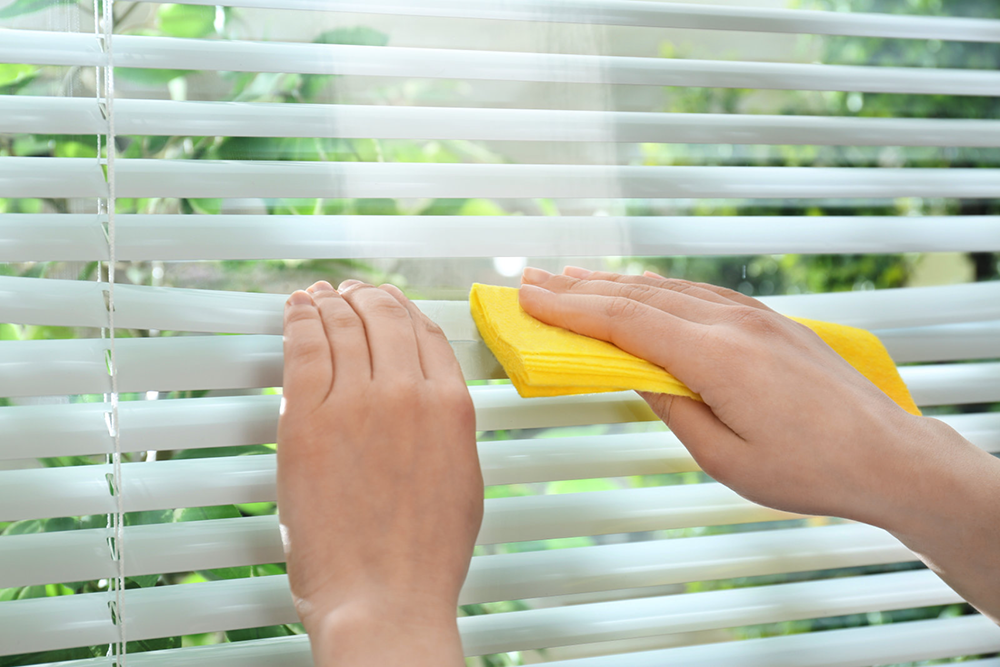
Mix white vinegar and lukewarm water at a 1:3 ratio. Dampen a lint-free microfiber cloth with the solution, then wring it out completely to avoid dripping water. Wipe each slat one by one, paying extra attention to slat joints and moisture-prone bottom edges. Once cleaning is finished, open both indoor blinds and windows fully for 2–3 hours to achieve thorough air drying. Vinegar acts as a natural mold killer and will not scratch or damage blind surface coatings.
• Method 2: Diluted Non-Chlorine Disinfectant (For Stubborn Dark Mold)
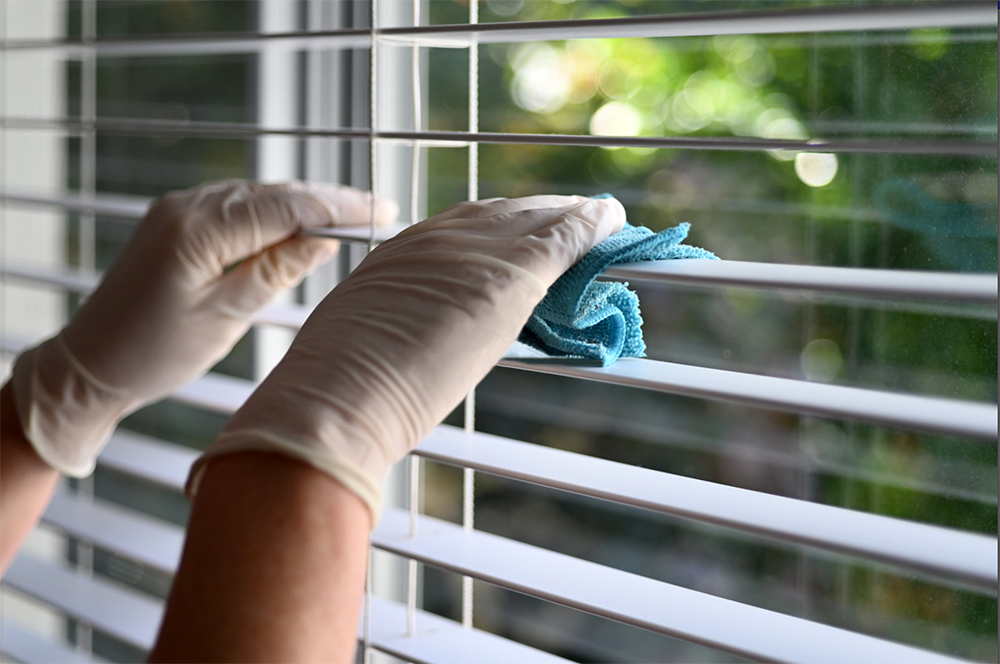
For tough, embedded molds that vinegar cannot remove, use diluted non-chlorine household disinfectant. Wear disposable gloves during cleaning, and keep liquid away from the blind’s top headrail and rotating mechanisms to avoid mechanical damage. Ventilate the room fully right after cleaning. Never mix vinegar and disinfectant together, as this combination releases harmful toxic fumes indoors.
Daily Maintenance Routines to Prevent Mold Regrowth (Easy to Stick To)
Great material selection and emergency mold cleaning matter a lot, but simple daily preventive habits can cut mold growth risks by over 80%. Below are four easy, low-effort maintenance routines tailored for busy homeowners that require no extra time or tools.
- Optimize daily slat angle adjustment: Avoid keeping indoor blinds fully closed throughout the day. Tilt slats to a 45-degree angle during daytime hours to maintain passive airflow between window glass and blind assemblies, effectively evacuating trapped humid air. This simple adjustment delivers particularly prominent anti-mold effects for densely structured Venetian blinds.
- Maintain stable indoor humidity levels: Operate a portable dehumidifier during rainy seasons, or activate the dry mode of air conditioning systems for 1 to 2 hours daily. Keeping indoor relative humidity below 75% inhibits the metabolic activity of airborne mold spores fundamentally.
- Weekly dry particulate removal: Use a specialized blind duster or a vacuum cleaner brush attachment to clear surface dust weekly. Eliminating organic dust nutrients cuts off the core survival condition for mold spores, even when minor residual moisture exists on slats.
- Timely condensation removal: Wipe off accumulated condensation on window glass every morning to cut down excess moisture transfer onto indoor blind slats.
Frequently Asked Questions
Q1: Are Venetian blinds more likely to get moldy than other indoor blinds?
A: Yes, they are slightly more susceptible. Venetian blinds have narrower slat gaps than roller blinds and vertical blinds, so they trap moisture and dust more easily. That said, premium aluminum and PVC Venetian blinds have fully waterproof sealed surfaces. As long as you keep proper daily ventilation, mold will never grow on these high-quality blinds. Poor air flow, rather than the blind design itself, causes most mold problems.
Q2: Can moldy indoor blinds affect family health?
A: Yes. Continuous inhalation of airborne mold spores released from contaminated indoor blinds can worsen asthma, allergic rhinitis and cutaneous allergies. Vulnerable groups, including young children, pregnant women and individuals with compromised respiratory systems face higher health risks. Timely sanitization of mold patches is necessary instead of ignoring minor mildew growth.
Q3: Is it worth repairing severely moldy fabric indoor blinds?
A: It is not recommended. Mold hyphae penetrate deep into textile fiber structures and cannot be fully eliminated even after repeated deep washing. For residences located in high-humidity zones, replacing fabric blinds with aluminum or faux wood indoor blinds is a more cost-effective long-term solution with lower subsequent maintenance costs.
Q4: How often should I clean indoor blinds in rainy humid seasons?
A: Perform dry dust removal once per week, and conduct thorough wet sanitization once per month in general humid environments. For high-moisture spaces such as bathrooms and kitchens, increase wet cleaning frequency to once every two weeks to prevent hidden mold buildup inside blind structures.
Homeowners living in humid climates do not need to put up with moldy indoor blinds year-round. The solution boils down to three simple parts: choosing climate-suitable moisture-resistant blind materials, adjusting daily ventilation habits, and sticking to regular basic cleaning. Small changes to how you use and care for your window blinds will keep them clean, intact and mold-free all year long, while protecting your family’s indoor air quality and respiratory health effortlessly.
Whether you plan to replace old window treatments or upgrade current Venetian blinds for better humidity resistance, always prioritize non-porous, waterproof blind materials. This choice eliminates recurring mold issues permanently and cuts down your long-term home cleaning workload significantly.
Post time: Jul-13-2026