Bathrooms, laundry rooms, and coastal living spaces represent some of the most challenging environments for window treatments due to their consistently high humidity levels. Unlike residential areas such as living rooms or bedrooms, where aesthetic considerations may take precedence, spaces with persistent moisture require window blinds that integrate durability, functionality, and visual appeal. Selecting an inappropriate window treatment can result in warping, mold proliferation, surface peeling, or complete structural degradation, transforming a basic window covering into a costly replacement expense. Against the backdrop of global trends toward eco-friendly and low-maintenance home design, the selection of Blinds for High-Humidity Areas has evolved beyond a mere practical consideration—it now entails investing in long-lasting, sustainable solutions that align with contemporary lifestyles. Among the various options available, PVC Venetian Blinds emerge as a leading choice, offering an optimal balance of affordability, durability, and versatility that few alternatives can match.
It is critical to first understand the detrimental impact of high humidity on window blinds. Humidity levels exceeding 60%—a common occurrence in bathrooms without adequate ventilation, laundry rooms during operation, or homes in coastal regions—can penetrate porous materials, leading to expansion, contraction, or mold and mildew colonization. Traditional blinds constructed from wood, fabric, or uncoated metal are particularly susceptible to premature wear: wooden slats may warp and crack, fabric blinds can absorb moisture and develop malodorous mold, and unprotected metal surfaces are prone to rust and corrosion. Beyond aesthetic deterioration, mold-infested blinds can compromise indoor air quality, potentially triggering allergic reactions or respiratory issues. This underscores the growing emphasis on moisture-resistant materials in 2026, as homeowners increasingly prioritize health and longevity in home furnishings.
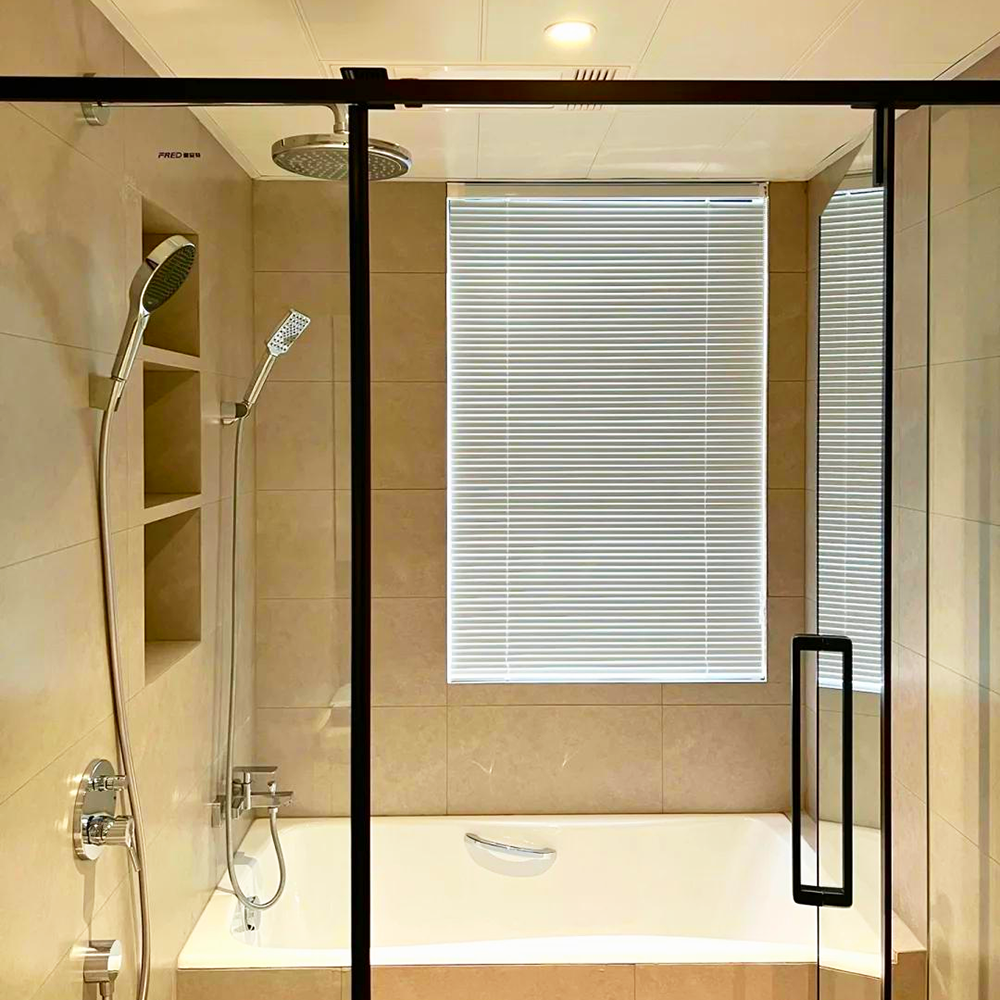
Key Considerations for Selecting Blinds for High-Humidity Areas
When selecting blinds for damp environments, four essential criteria must be prioritized: material composition, moisture resistance, maintenance requirements, and aesthetic compatibility. Neglecting any of these factors is likely to result in premature replacement and unnecessary expenditure. Each criterion is elaborated below in clear, industry-appropriate terms.
1. Material Composition: Prioritize Non-Porous, Moisture-Resistant Materials
The material of the blinds is the most critical determinant of their performance in high-humidity environments. Porous materials—including wood, fabric, and bamboo—are ill-suited for such spaces, as they absorb moisture readily, leading to the aforementioned issues of warping, mold growth, and degradation. Instead, non-porous materials that repel water and inhibit mold formation should be prioritized. The leading material options in 2026 include:
• Polyvinyl Chloride (PVC): PVC Venetian Blinds are widely recognized as the industry standard for damp environments. Their 100% non-porous structure ensures that moisture beads on the surface rather than penetrating the material. Additionally, PVC blinds are lightweight, cost-effective, and available in a diverse range of colors and finishes, facilitating seamless integration with various interior design schemes.
• Coated Aluminum: Coated aluminum blinds offer reliable rust and corrosion resistance, making them a viable alternative to PVC. However, they may exhibit a cold tactile quality in cooler bathroom environments and are more prone to denting compared to PVC.
• PVC-Coated Faux Wood: For homeowners seeking the aesthetic appeal of wood without the associated maintenance challenges, PVC-coated faux wood blinds provide an ideal compromise. These blinds replicate the texture and appearance of real wood while retaining the moisture resistance of PVC, though they typically command a slightly higher price point than standard PVC Venetian Blinds.
It is advisable to avoid thin or poorly constructed vinyl blinds, as these may become brittle over time—especially when exposed to direct sunlight, a common feature in bathrooms with large windows. High-quality PVC slats with a smooth, durable finish are recommended, as they offer enhanced resistance to daily moisture exposure and cleaning.
2. Moisture Resistance: Prioritize Mold-Resistant Treatments
Even the most effective non-porous materials can benefit from additional mold-resistant treatments. Many PVC Venetian Blinds are equipped with a protective coating designed to prevent mold and mildew colonization, even in the most humid bathroom environments. This coating also simplifies cleaning by minimizing the adhesion of dirt and grime to the surface.
When evaluating products, it is essential to review specifications for terms such as “mold-resistant,” “waterproof,” or “moisture-proof.” Blinds that do not explicitly feature these properties should be avoided—even PVC materials with a low-quality finish may allow moisture accumulation in small crevices, leading to long-term damage.
3. Maintenance Requirements: Select Low-Maintenance Options
High-humidity areas are prone to rapid dirt accumulation—bathroom blinds, in particular, are exposed to soap scum, steam, and dust, which can build up over time. The optimal Blinds for High-Humidity Areas are those that require minimal maintenance. PVC Venetian Blinds excel in this regard: a gentle wipe with a damp cloth or a mild soap-and-water solution is sufficient to maintain their appearance. They do not require specialized cleaning products or treatments and dry quickly, eliminating the risk of residual moisture accumulation.
Blinds with complex mechanisms or hard-to-reach crevices should be avoided, as these areas can trap moisture and dirt, complicating cleaning efforts. Simple, smooth slats paired with a basic cord or motorized mechanism are most suitable for damp environments.
4. Aesthetic Compatibility: Balance Functionality with Visual Appeal
Functional performance does not need to come at the expense of aesthetic quality. In 2026, minimalist and sustainable design trends have driven the development of PVC Venetian Blinds with sleek, modern profiles. These blinds are available in neutral tones—including white, gray, and beige—that complement most bathroom interiors, as well as bolder hues for those seeking to incorporate a decorative accent.
For smaller bathrooms, slim slats (25mm or 35mm) are recommended to maintain an open, uncluttered feel. For larger windows, wider slats (50mm) can enhance depth and visual interest. Corded, cordless, and motorized options are available: cordless blinds offer enhanced safety for households with children or pets, while motorized blinds provide added convenience—particularly for hard-to-reach windows.
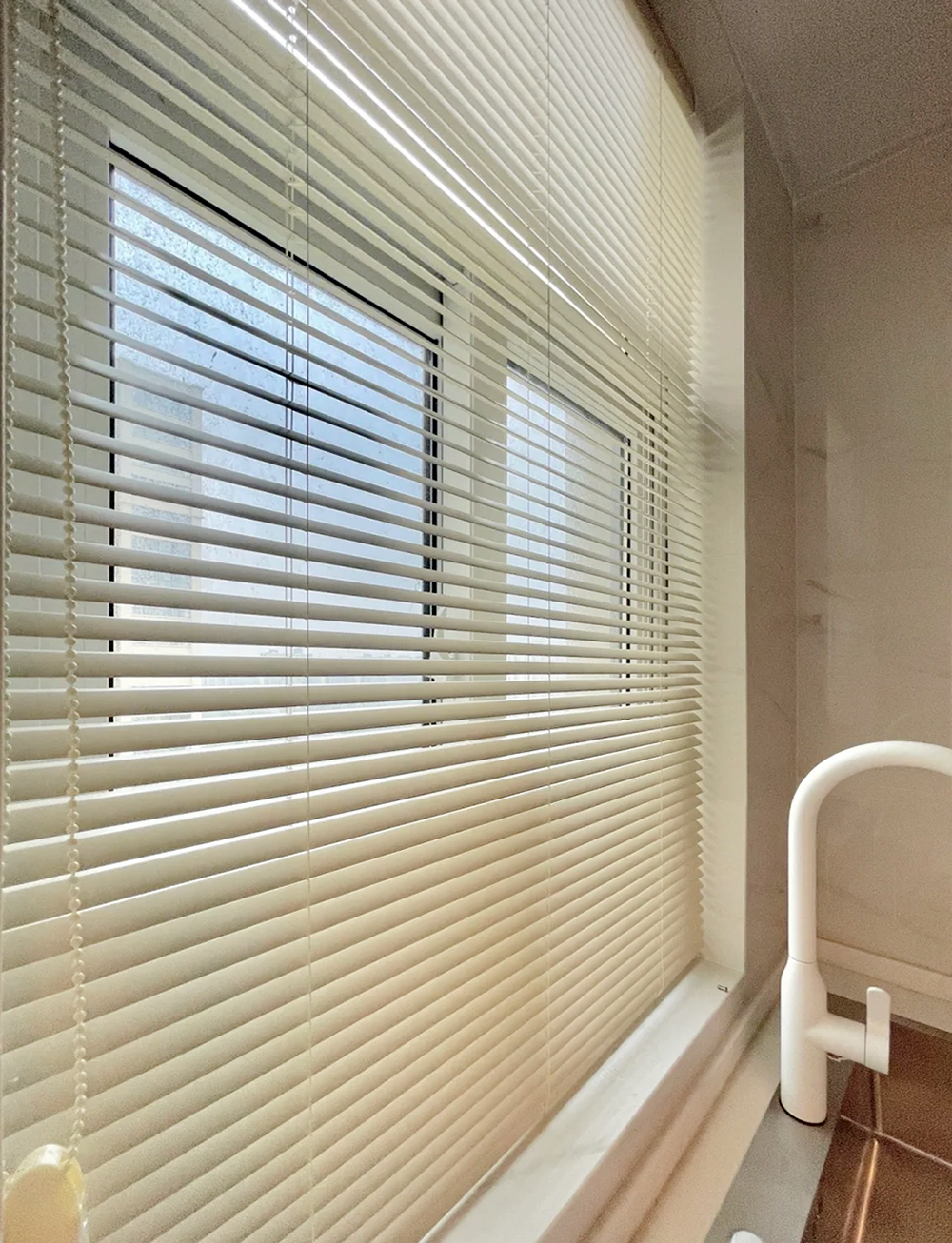
The Advantages of PVC Venetian Blinds for High-Humidity Areas
Among the diverse range of window treatment options, PVC Venetian Blinds consistently outperform alternatives in high-humidity environments, owing to their unique combination of durability, affordability, and versatility. Their key advantages are detailed below:
First, PVC Venetian Blinds are fully waterproof. Unlike wood or fabric, PVC does not absorb moisture, eliminating the risk of warping, cracking, or mold growth. This makes them ideally suited for bathrooms, where steam and water splashes are daily occurrences. Second, they offer exceptional cost-effectiveness. PVC Venetian Blinds are typically more affordable than aluminum or faux wood alternatives, making them a budget-friendly solution for homeowners seeking to upgrade window treatments without excessive expenditure.
Third, they require minimal maintenance. As noted earlier, basic cleaning with a damp cloth or mild soap solution is sufficient to keep them in optimal condition. They also exhibit excellent resistance to sun fading, ensuring long-term color retention. Finally, their versatility is unmatched. Whether installed in a modern, minimalist bathroom or a traditional interior, PVC Venetian Blinds can be customized to suit specific design preferences, with a range of color, slat size, and mechanism options available.
A real-world case study illustrates the reliability of PVC Venetian Blinds in high-humidity environments. Our company sales representative recently collaborated with a homeowner in a coastal community, where ambient humidity levels frequently exceed 75%. The homeowner had previously installed wooden blinds in their bathroom, which warped and developed mold within six months of installation. The sales representative recommended PVC Venetian Blinds with a specialized mold-resistant coating, explaining that the non-porous material would repel moisture and withstand the corrosive effects of coastal air. Initially, the homeowner expressed concerns about the aesthetic quality of PVC, fearing it would appear inexpensive. The sales representative addressed these concerns by presenting a range of sleek, neutral-toned PVC blinds that aligned with the bathroom’s existing decor. Six months later, the homeowner contacted the company to report that the blinds remained in pristine condition—free from warping, mold, and discoloration—with minimal cleaning required. The sales representative noted that this scenario is common, as many homeowners underestimate the impact of high humidity on traditional window treatments, while PVC Venetian Blinds consistently deliver long-term performance in even the most challenging damp environments.
Common Pitfalls to Avoid When Selecting Blinds for High-Humidity Areas
Despite careful consideration, homeowners often make avoidable mistakes when selecting blinds for damp spaces. The most common errors to avoid in 2026 are outlined below:
• Selecting porous materials: As emphasized earlier, wood, fabric, and bamboo are incompatible with high-humidity environments. While their aesthetic appeal may be tempting, their short lifespan and maintenance requirements make them a costly choice in the long term.
• Neglecting mold-resistant treatments: Even PVC blinds benefit from mold-resistant coatings. Assuming that non-porous material alone is sufficient can lead to mold growth in hard-to-reach areas.
• Opting for low-quality PVC: Thin, poorly constructed PVC blinds are prone to brittleness and breakage over time. Investing in high-quality slats with a durable finish ensures longevity and performance.
• Overlooking ventilation: While appropriate blinds can mitigate moisture damage, proper ventilation is essential for reducing humidity levels in bathrooms. Pairing blinds with an exhaust fan or operable window helps maintain optimal moisture levels.
• Ignoring proper sizing and fit: Blinds that are ill-fitted—either too small or too large—fail to provide adequate coverage, allowing moisture to seep into gaps. Accurate window measurements and a snug fit are critical for optimal performance.
Recommendations for Selecting Blinds for High-Humidity Spaces
The selection of Blinds for High-Humidity Areas can be streamlined by prioritizing non-porous materials, with PVC Venetian Blinds representing the optimal choice for most homeowners. Key considerations include mold-resistant treatments, easy-to-clean surfaces, and aesthetic compatibility with the existing interior. Accurate window measurements and avoidance of common pitfalls—such as selecting porous materials or low-quality PVC—are essential for ensuring long-term performance.
For homeowners seeking additional guidance, consulting a professional sales representative is advisable. A knowledgeable representative can assess the specific humidity levels of the space, recommend suitable materials, and identify blinds that align with budgetary constraints and design preferences. As the coastal homeowner case study demonstrates, the right window treatment can significantly enhance the durability and functionality of high-humidity spaces—reducing replacement costs and ensuring long-term satisfaction.
Ultimately, the ideal blinds for high-humidity areas are those that balance functionality and aesthetics. PVC Venetian Blinds meet all these criteria: they are durable, moisture-resistant, low-maintenance, cost-effective, and visually versatile. Whether upgrading a bathroom, laundry room, or coastal living space, PVC Venetian Blinds offer a reliable solution that withstands the challenges of high humidity. In 2026, as sustainability and low-maintenance living continue to gain prominence, PVC Venetian Blinds are more than a window treatment—they are an investment in the comfort, durability, and longevity of the home.
Post time: Apr-17-2026