Let’s be real—we’ve all been there. It’s the middle of summer, your AC is cranked up to the max, but your living room still feels like a sauna. Or it’s winter, you’re wrapped in a blanket, and you can feel a cold draft seeping through the windows, making your heater work overtime. You might not realize it, but your window treatments—specifically, your Venetian Blinds—are playing a huge role in all of this.
First, let’s get on the same page: what even are Venetian Blinds? If you’re picturing those horizontal slats (usually made of wood, aluminum, or PVC) that you can tilt up or down, or raise and lower completely—yep, that’s them. They’re one of the most popular window treatments out there, and for good reason: they’re versatile, stylish, and way more functional than people give them credit for. But when it comes to temperature control and saving energy, not all Venetian Blinds are created equal, and how you use them matters just as much as the type you choose.
Let’s start with the big question: Do Venetian blinds actually help with indoor temperature? Short answer: Yes—when used correctly. Long answer: It depends on the material, the direction your windows face, and whether you’re dealing with summer heat or winter cold. Let’s break this down season by season, because let’s be honest, your needs are totally different when it’s 90°F (32°C) outside versus 30°F (-1°C).
Summer: How Venetian Blinds Keep Your Home Cool (and Lower AC Bills)
Summer is when most of us start noticing how much heat comes through our windows. The sun’s rays beat down on your glass, and before you know it, your home turns into a greenhouse. This is called “solar heat gain,” and it’s the main culprit behind those sky-high AC bills. But here’s the good news: Venetian blinds are amazing at blocking that unwanted heat—if you use them right.
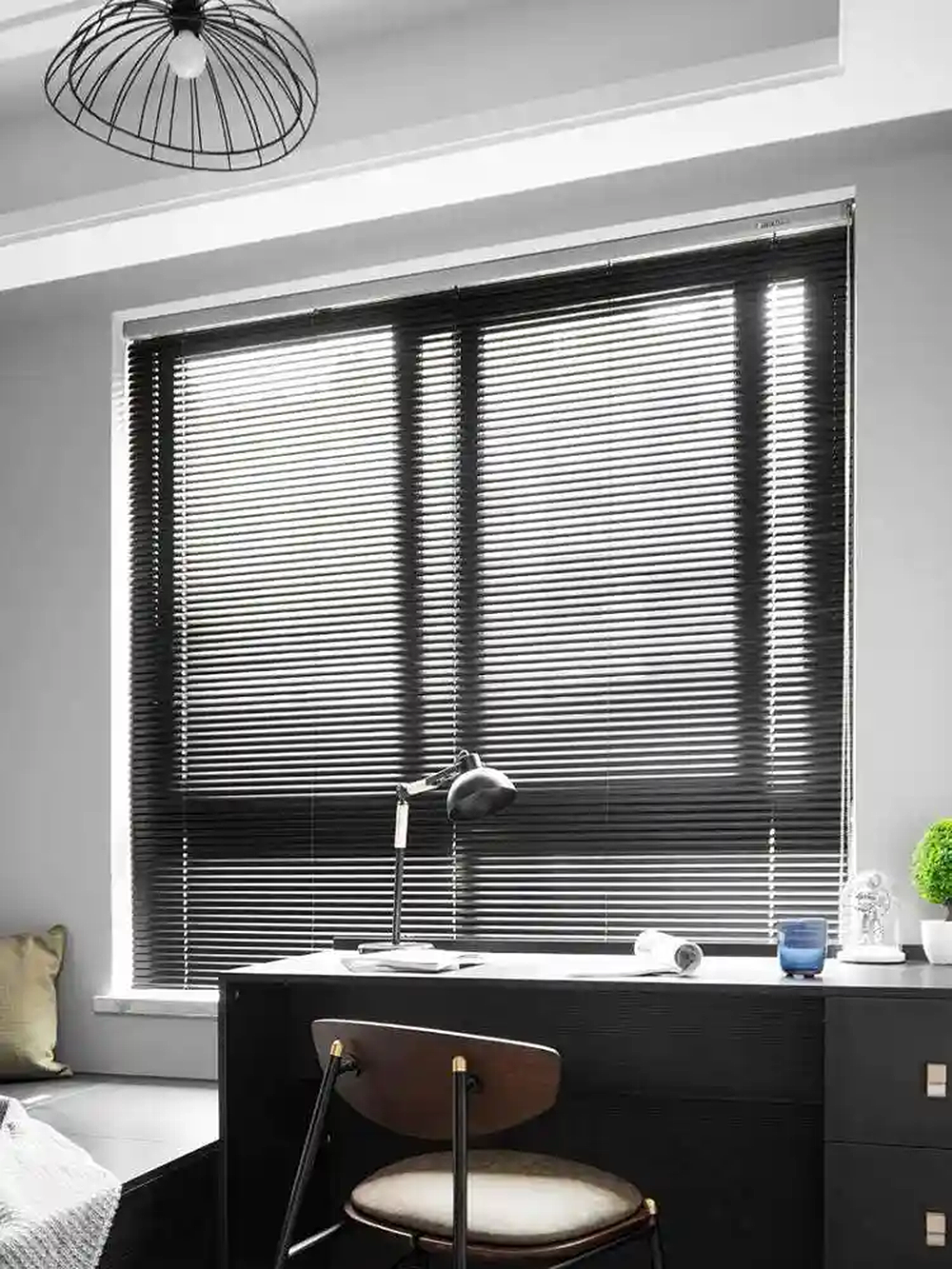
The key here is tilting the slats. I know, it sounds simple, but most people get this wrong. When the sun is shining directly on your windows (like east-facing windows in the morning or west-facing windows in the afternoon), you don’t want to close the blinds completely—you want to tilt the slats downward. Why? Because tilting them down blocks the sun’s direct rays from entering your home, but still lets in natural light. That way, you don’t have to turn on lights (saving more energy!) And you keep the heat out.
But wait—what about the material of your Venetian Blinds? This is where aluminum Venetian Blinds shine (pun intended). Aluminum is a great conductor of heat, but when it’s painted a light color (like white or beige), it reflects the sun’s rays instead of absorbing them. That means less heat gets through to your indoor air. On the flip side, dark-colored aluminum blinds (or wood Venetian blinds, which we’ll talk about next) will absorb more heat, which is the last thing you want in summer.
Wooden Venetian Blinds are beautiful, don’t get me wrong—they add warmth and texture to a room. But in summer, they’re not the best choice for heat control. Wood absorbs heat, so even if you tilt the slats, some of that heat will seep into your home. If you love wooden blinds, stick to lighter wood tones (like oak or maple) instead of dark walnut, and make sure to tilt them correctly during the sunniest parts of the day.
Another pro tip: For south-facing windows (which get the most sun all day), keep your Venetian blinds tilted down during the morning and afternoon, and consider closing them completely if you’re not in the room. South-facing windows are the biggest source of solar heat gain, so a little extra effort here goes a long way.
Oh, and let’s not forget motorized Venetian blinds—if you’re someone who forgets to adjust their blinds throughout the day, these are a game-changer. You can set them to tilt or close automatically when the sun is at its strongest, so you don’t have to lift a finger. They’re a bit of an investment, but they’ll save you money on AC bills in the long run, and they’re super convenient (especially for hard-to-reach windows).
Winter: How Venetian Blinds Keep Your Home Warm (and Cut Heating Costs)
Now, let’s switch to winter. The goal here is the opposite: we want to keep the heat in and the cold out. Windows are a major source of heat loss—up to 30% of your home’s heat can escape through uninsulated windows. But again, Venetian blinds can help, as long as you use them differently than you do in summer.
In winter, the key is to keep the slats tilted upward during the day. Why? Because this lets the sun’s warm rays enter your home (solar heat gain is a good thing in winter!) and bounce off the walls and floor, heating up your space naturally. This is called “passive solar heating,” and it’s totally free—no need to crank up the heater.
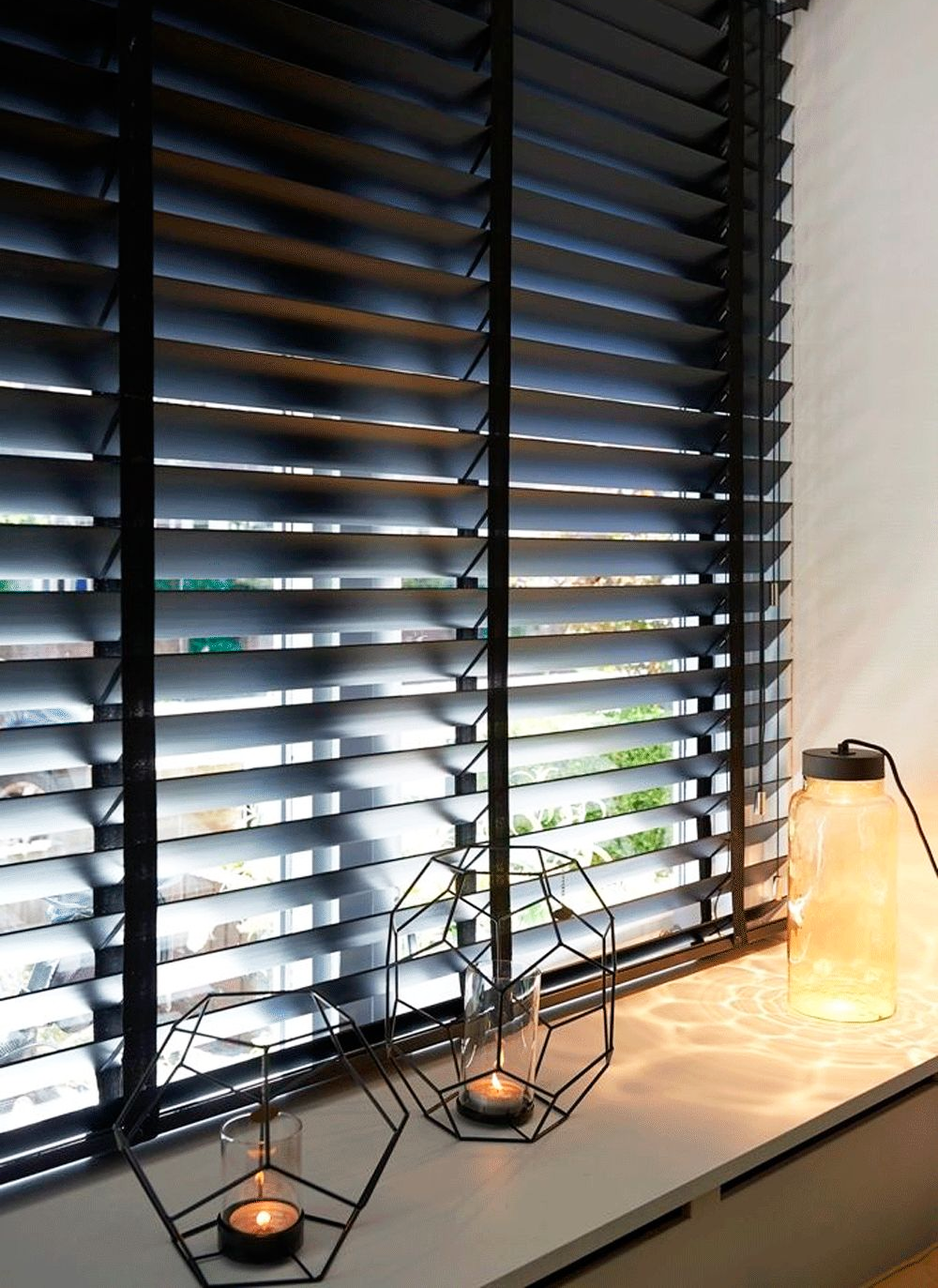
At night, though, you want to close your Venetian Blinds completely. This creates a layer of insulation between the window and your room, trapping the warm air inside and blocking the cold air from seeping in. Think of it like a blanket for your windows. The thicker the blinds, the better the insulation—so wooden Venetian blinds (which are thicker than aluminum ones) are actually better for winter. They trap more air between the slats, keeping your home warmer.
If you really want to boost insulation, look for insulated Venetian Blinds. These have a layer of foam or fabric between the slats, which adds extra warmth and reduces heat loss even more. They’re perfect for homes with old, drafty windows, or for anyone who wants to cut their heating bills significantly.
Another winter tip: Make sure your Venetian blinds fit your windows properly. If there are gaps around the edges, cold air will sneak in, and warm air will escape. Measure your windows carefully before buying blinds—you want them to cover the entire window, including the frame, for maximum insulation.
Common Mistakes People Make with Venetian Blinds (and How to Fix Them)
Now that we’ve covered the basics, let’s talk about the mistakes I see people make all the time with their Venetian Blinds. These mistakes are easy to fix, but they can make a huge difference in your indoor temperature and energy bills.
Mistake #1: Leaving the slats in the wrong position. I mentioned this earlier, but it’s worth repeating. In summer, tilt slats down to block the sun; in winter, tilt up to let the sun in. It’s simple, but so many people leave their slats flat all year round, which means they’re not getting any of the energy-saving benefits.
Mistake #2: Choosing the wrong material for your climate. If you live in a hot climate (like Florida or Arizona), aluminum Venetian blinds (light-colored) are your best bet. If you live in a cold climate (like Minnesota or Maine), wooden or insulated Venetian blinds are better. If you live in a place with both hot summers and cold winters (like most of the US), consider having two sets of blinds, or opt for motorized ones that you can adjust easily.
Mistake #3: Forgetting to close the blinds at night (winter) or during the hottest part of the day (summer). Even if you tilt the slats correctly, closing the blinds completely when you don’t need the light will give you an extra layer of insulation and heat blockage. Set a reminder on your phone if you need to—trust me, it’s worth it.
Mistake #4: Neglecting to clean your Venetian Blinds. Dust and dirt build up on the slats over time, which can block natural light and reduce the blinds’ ability to reflect heat. A quick wipe down with a damp cloth every few weeks is all it takes to keep them working their best.
How to Choose the Right Venetian Blinds for Your Home
If you’re in the market for new Venetian Blinds, here’s what to look for to maximize energy efficiency and temperature control. I’ll keep it simple—no jargon, just practical advice.
First, consider your climate:
• Hot climate: Go for light-colored aluminum Venetian blinds. They’re affordable, easy to clean, and reflect heat well.
• Cold climate: Opt for wooden or insulated Venetian blinds. They’re thicker, trap more heat, and add warmth to your home.
• Mixed climate: Look for motorized Venetian blinds (so you can adjust them easily year-round) or a mid-weight material like PVC, which is durable and works in both hot and cold weather.
Next, think about your windows:
• East/west-facing windows: These get direct sun at certain times of the day. Tilted slats are key here, so make sure your blinds are easy to adjust (motorized is a plus).
• South-facing windows: These get the most sun all day. Look for blinds that can block heat in summer and let in warmth in winter—light-colored aluminum or insulated blinds work well.
• North-facing windows: These get the least sun, so heat loss is the main issue. Go for thicker blinds (wooden or insulated) to trap warmth.
Budget-wise, Venetian Blinds are pretty affordable compared to other window treatments (like curtains or shutters). Aluminum blinds start at around $20 per window, while wooden or motorized ones can cost $50–$100 per window. It’s an investment, but one that will save you money on energy bills over time.
Venetian Blinds Are More Than Just Decoration
At the end of the day, Venetian blinds aren’t just a way to add style to your home—they’re a practical tool to control indoor temperature and save energy. The best part? You don’t need to spend a fortune or hire a professional to make them work for you. Just follow these simple tips:
• Summer: Tilt slats down to block the sun; use light-colored aluminum blinds.
• Winter: Tilt slats up to let sun in; close blinds at night; use wooden or insulated blinds.
• Avoid common mistakes like leaving slats flat, choosing the wrong material, or neglecting to clean your blinds.
Remember, small changes make a big difference. By adjusting your Venetian blinds correctly and choosing the right type for your home, you can stay more comfortable year-round and save money on your energy bills. What’s not to love about that?
Post time: May-07-2026