Your bedroom is your most intimate living space—a dedicated spot for rest, unwinding, and secure privacy. When shopping for bedroom window coverings, most homeowners prioritize two non-negotiable features: accurate, flexible light control and dependable day-and-night privacy. Picking the wrong style can leave you dealing with harsh morning glare, unwelcome outdoor visibility, restless sleep, and noticeable indoor light leakage after dark. Among the most popular residential window solutions today, Faux wood Venetian blinds and Vertical Blinds remain top choices thanks to their solid durability, budget-friendly pricing, and versatile aesthetics. Even so, many homeowners struggle to decide which option better fits a bedroom’s unique needs for consistent comfort, long-term functionality, and cohesive interior design.
If you’re unsure which style is worth investing in, this side-by-side comparison will clear up the confusion. We break down how Faux wood Venetian blinds and vertical blinds perform in real bedroom scenarios, covering light filtration, privacy performance, noise resistance, everyday maintenance, and compatibility with different window types. We’ve also included practical, real-world selection tips to help you pick blinds that match your room layout and daily habits, no guesswork required.
Core Differences Between Faux Wood Venetian Blinds and Vertical Blinds for Bedrooms
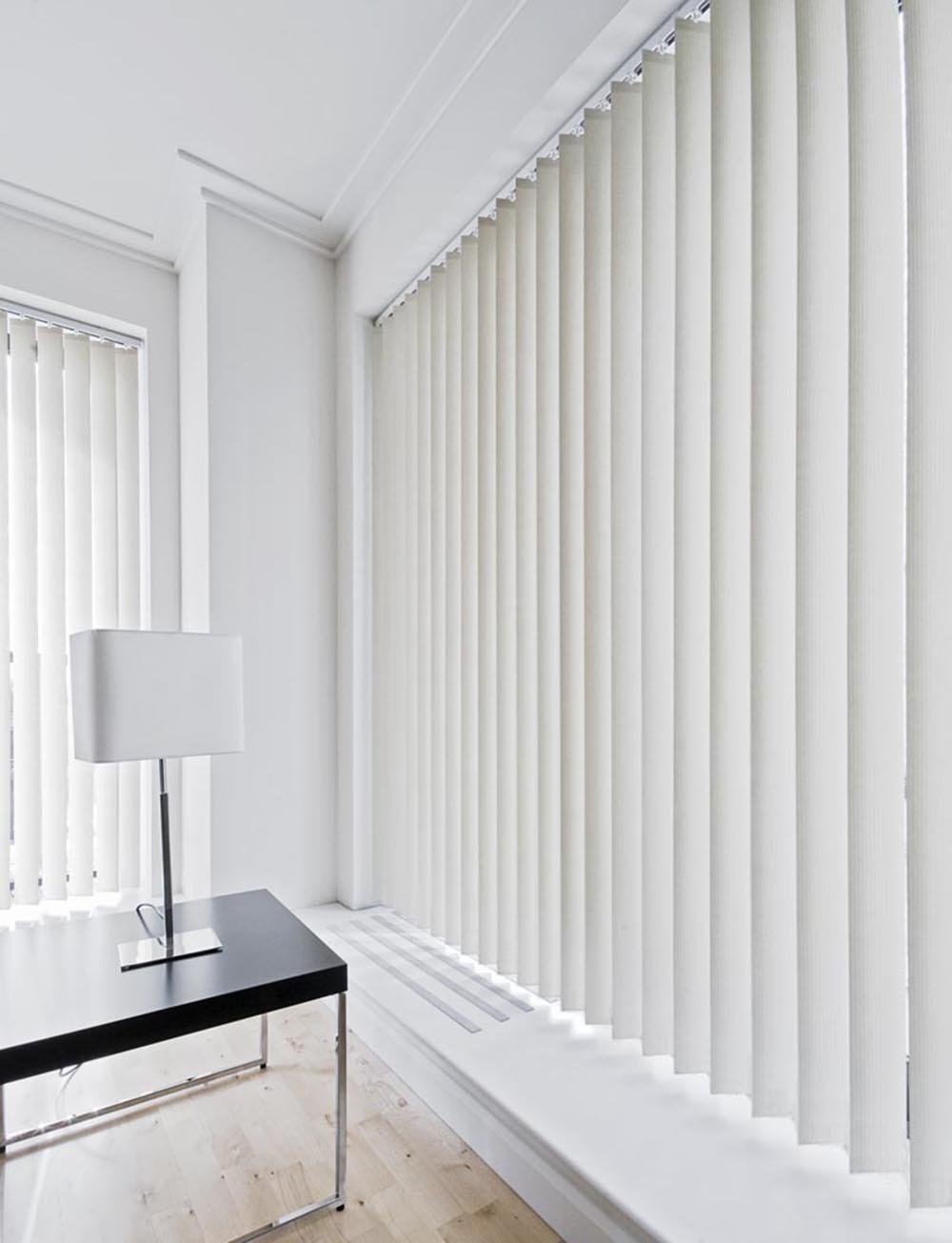
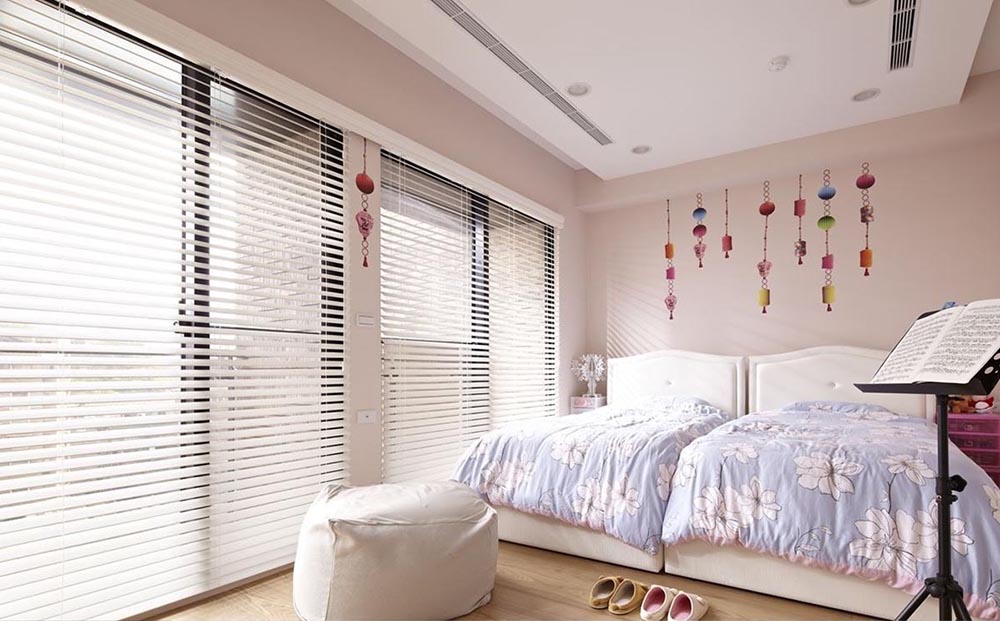
To make a confident choice, it helps to understand the core structural and functional differences between these two popular styles. Faux wood Venetian blinds are a type of horizontal venetian blinds constructed with flat, horizontal slats made from premium synthetic wood composite. Designed to replicate the warm look of real timber, they avoid common natural wood issues like warping, mold growth, and water damage, making them incredibly reliable for long-term bedroom use. Vertical blinds, by contrast, feature long vertical slats in fabric or PVC that slide horizontally and rotate open or closed, a style most commonly used for oversized windows and sliding patio doors.
These structural differences directly shape how each style controls light and protects privacy. Horizontal venetian blinds let you adjust individual slat angles with precision, so you can easily switch between full blackout, partial shading, and soft diffused daylight. Vertical blinds offer far less flexibility; their rotating slats only deliver basic open or closed settings, with very little room for fine-tuning. For bedrooms, which rely on balanced lighting and consistent privacy all day long, these small functional differences create a noticeably different daily user experience.
Head-to-Head Comparison: Privacy, Light Control, and Bedroom Usability
1. Daylight Light Control Soft Lighting vs Full Brightness
Natural light makes bedrooms feel open and comfortable, but unfiltered sunlight brings plenty of downsides—screen glare, faded furniture and textiles, and disrupted daytime naps or rest. Faux wood Venetian blinds shine here thanks to their precise, incremental light control. By adjusting the horizontal slats, you can diffuse harsh midday and afternoon sun into gentle, even ambient light. This keeps your room bright and airy without the discomfort of direct UV exposure or blinding glare, which is perfect for south-facing and west-facing bedrooms that receive intense, prolonged sunlight.
Vertical blinds work on a simpler open-and-closed system. Fully closed blocks most light, while fully open maximizes natural entry. The downside is the lack of middle-ground adjustment. You cannot create uniform soft lighting, and slight misalignments between vertical slats often leave thin, uneven light gaps across the window. This creates patchy indoor lighting that feels either too dim or too bright, making vertical blinds a less polished option for homeowners who prefer consistent, gentle daytime bedroom lighting.
2. Day and Night Privacy Protection Core Bedroom Demand
Privacy is always the top priority for bedroom window treatments, especially after dark. Once indoor lights turn on at night, poorly designed blinds create visible gaps that let outsiders see indoor silhouettes, compromising your personal privacy. Faux wood Venetian blinds solve this issue with tightly fitted, dense horizontal slats that block outside views from every angle. Even when you tilt slats slightly open for airflow, the overlapping design prevents direct line-of-sight penetration, letting you ventilate your room without sacrificing privacy.
Vertical blinds come with an inherent privacy limitation: small, unavoidable gaps between each vertical slat. At night, these gaps become visible sightlines, allowing passersby to see shadows and movement inside the bedroom. While thick blackout fabric vertical blinds can reduce light transmission, they cannot fully eliminate silhouette leakage. This makes them a risky pick for ground-floor homes, street-facing bedrooms, and anyone who values total nighttime privacy—a standard Faux wood Venetian blinds meet effortlessly.
3. Mute Performance and Sleep Friendliness
A quiet window covering is key for uninterrupted sleep, as flapping or rattling blinds can become surprisingly disruptive. High-quality faux wood Venetian blinds feature heavy-duty composite slats and smooth silent ladder cord systems. The slats stay stable and fixed in place once adjusted, with zero rattling, friction noise, or movement from gentle indoor air movement. This quiet operation maintains a calm, peaceful sleeping environment day and night.
Vertical blinds are much more prone to noise issues. Their long, lightweight slats hang independently and easily sway with subtle air currents, causing them to brush against one another and create soft but constant fluttering noises. For light sleepers and anyone sensitive to ambient background noise, this subtle ongoing sound can disrupt deep sleep. For bedroom-specific quiet performance, faux wood Venetian blinds are far more reliable and sleep-friendly.
4. Maintenance and Long-Term Bedroom Adaptability
Bedrooms maintain consistent ambient humidity, which can warp or damage low-quality window treatments over time. Premium waterproof Venetian blinds crafted from faux wood composite resist moisture, mildew, and warping, making them perfectly suited for long-term bedroom use. Their smooth, non-porous surface repels dust and humidity buildup. Routine upkeep is effortless—a quick wipe with a damp cloth is all it takes to keep them clean, with no need for frequent deep cleaning or disassembly.
Vertical blinds are far more maintenance-intensive by comparison. The numerous gaps between vertical slats trap dust, pet hair, and airborne particles, building up grime that’s hard to fully clean. Over months and years of use, the long slats also tend to sag, bend, or misalign, ruining both their appearance and functionality. When it comes to long-term durability and low-effort upkeep for bedroom use, Faux wood Venetian blinds deliver noticeably better value and reliability.
Practical Selection Suggestions: Choose According to Your Bedroom Scenarios
With a clear understanding of how these two blinds perform, you can choose based on your unique room setup and lifestyle, rather than generic trends. Matching your blinds to your actual needs ensures you won’t end up with functional or aesthetic mismatches down the line.
Go with faux wood Venetian blinds if you have standard-sized bedroom windows, prioritize precise lighting control and full nighttime privacy, share your home with light sleepers, or live on a lower floor near street traffic. Their customizable soft light, all-angle privacy coverage, and silent operation cater perfectly to bedroom rest needs. Additionally, their natural wood-grain finish complements nearly every interior style—from modern minimalism and Nordic decor to warm light-luxury designs—instantly elevating your bedroom’s overall aesthetic.
Opt for vertical blinds only if your bedroom features oversized windows, floor-to-ceiling glass walls, or large bay windows. Their side-sliding design clears the entire window frame when fully open, preserving unobstructed views that horizontal blinds can’t always deliver. To offset their weaker privacy performance, always select thick, opaque blackout-grade vertical blinds for bedroom installations.
Q&A: Frequently Asked Questions About Bedroom Blinds Selection
Q1: Are Faux wood Venetian blinds better than vertical blinds for bedroom privacy?
A1: Yes, they absolutely are. Faux wood Venetian blinds offer far more consistent, complete privacy for bedrooms. Their overlapping horizontal slats eliminate sightline gaps, blocking outdoor views and silhouettes both day and night. Vertical blinds cannot avoid small gaps between slats, which lead to visible shadow leakage after dark—a major downside for private sleeping spaces.
Q2: Which blind is easier to clean for daily bedroom use?
A2: Faux wood venetian blinds are significantly easier to maintain in the long term. Their smooth, dense composite surface resists dust accumulation and moisture buildup, requiring only occasional wiping to stay clean. Vertical blinds have countless hard-to-reach gaps that trap dust, pet hair, and allergens, and their long slats are awkward to clean thoroughly, creating ongoing household upkeep work.
Q3: Can vertical blinds achieve full blackout for bedroom sleep?
A3: Not completely. Even premium blackout vertical blinds leave minor gaps between slats that allow faint light to seep through. If you require near-total darkness for deep sleep, shift work rest, or light-sensitive sleeping patterns, faux wood venetian blinds with sealed edge construction deliver superior blackout performance with zero hidden light-leak spots.
Q4: Do faux wood venetian blinds look elegant in modern bedrooms?
A4: Definitely. As versatile decorative venetian blinds, high-quality faux wood designs mimic authentic natural wood texture without the high cost or maintenance of real timber. They skip the cheap plastic look of basic synthetic blinds, blending seamlessly with modern, contemporary, and cozy traditional bedroom styles alike. They strike an ideal balance between practical daily functionality and polished interior decor.
Picking the right bedroom blinds ultimately comes down to balancing everyday functionality, long-term durability, and personal comfort. For the majority of standard family bedrooms, Faux wood Venetian blinds are the most well-rounded choice, delivering precise light tuning, reliable all-night privacy, quiet operation, and low maintenance in one durable package. Vertical blinds work well as a specialized solution for extra-large window layouts, as long as you upgrade to thick blackout materials to cover their privacy weaknesses. By matching your window treatments to your room size, sunlight exposure, and sleep habits, you can create a darker, quieter, more private bedroom space that feels comfortable and tailored to your lifestyle.
Post time: Jun-18-2026