Every homeowner shopping for new window blinds faces the same tough decision: is it worth splurging on authentic real wood blinds, or are affordable faux wood blinds the smarter everyday choice? For a long time, a common industry misconception has led shoppers to believe synthetic faux wood options are an inferior backup — a budget compromise that cuts corners on quality, visual appeal, and long-term durability. This outdated mindset causes many homeowners to overspend on real wood blinds, only to run into frustrating issues like slat warping, tedious routine maintenance, and early replacement within just a few years after installation.
If you’re narrowing down your window treatment options for an upcoming upgrade, you’re likely weighing real-world pros and cons. You may wonder: will faux wood blinds ruin my home’s interior style? Are they sturdy enough for busy family living? Does the lower price point come with hidden quality downsides? Most importantly, are fake wood blinds genuinely inferior to real wood alternatives? In this practical, professional evaluation, we skip the branded marketing fluff to deliver honest, homeowner-centric insights. We compare faux wood blinds and real wood blinds across all the key factors that matter for daily use — durability, moisture resistance, maintenance, cost, and overall functionality — to help you make a confident purchase that matches your lifestyle, space, and budget.
The straightforward truth many shoppers don’t know is that faux wood blinds outperform real wood blinds in most modern residential settings. This guide breaks down the unique strengths and weaknesses of each option, helping you avoid costly buying errors and invest in window coverings that deliver lasting value.
What Are Faux Wood Blinds, and Why Are They So Popular?
Faux wood blinds are high-performance synthetic window treatments designed to mirror the elegant, timeless look of natural wood without the fragility and high upkeep of genuine timber. Constructed from robust PVC and premium composite wood materials, these blinds are engineered specifically for everyday residential use. They blend classic wooden aesthetics with modern, hardwearing functionality, striking a perfect balance between style and practicality. Unlike traditional window coverings that prioritize appearance over function, faux wood blinds stand up to real household stress, making them a top choice for homeowners, interior designers, and rental property managers across all home styles.
The massive rise in faux wood blind popularity boils down to its unbeatable combination of refined style and reliable resilience. Early generations of synthetic blinds suffered from obvious plastic finishes and unnatural grain patterns, making them easy to distinguish from real wood. However, modern manufacturing advancements have completely transformed their look and feel. Today’s premium faux wood blinds feature detailed natural grain textures, muted neutral stain tones, and soft matte finishes so authentic that even design professionals struggle to tell them apart from real wood. Beyond elevated aesthetics, their non-porous composite build delivers practical advantages natural wood simply cannot replicate.
Whether you have a busy household with kids and pets, humid kitchen and bathroom spaces, or sun-drenched living areas, faux wood blinds adapt effortlessly to every residential environment. They resolve the most common pain points associated with real wood window coverings, including moisture damage, UV-induced fading, surface scratches, and time-consuming maintenance, making them a versatile, upgrade-worthy option for any window in your home.
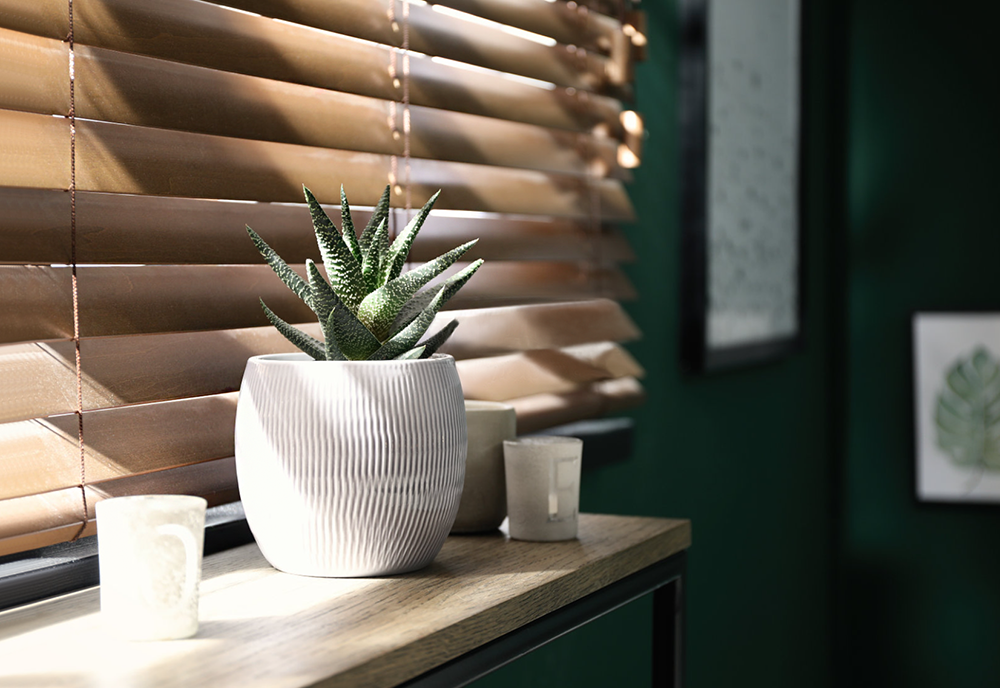
Head-to-Head Evaluation: Faux Wood Blinds vs Real Wood Blinds
To debunk the myth that faux wood blinds are inferior, we’ve conducted a fair, real-world evaluation of both blind types based on five critical criteria that directly impact homeowner satisfaction and long-term value. This head-to-head comparison focuses purely on everyday performance, ignoring outdated design biases and exaggerated brand marketing claims.
1. Everyday Durability & Household Wear Resistance
Durability is where faux wood blinds quickly pull ahead of real wood alternatives. Crafted from porous, organic natural timber, real wood blinds are extremely vulnerable to daily household damage. Minor bumps from furniture, playful pets scratching at slats, children tugging on blinds, and routine adjustments all leave permanent dents, scuffs, and cracks. Over time, consistent sun exposure and air circulation dry out natural wood, causing warping, splitting, and brittleness that demands frequent repairs or full replacements.
Faux wood blinds, by contrast, are built for rugged daily use. Their solid composite and PVC construction resists scratches, dents, and bending, holding up flawlessly in active homes with minimal to no visible wear. Unlike natural wood, faux wood slats retain their original shape and structural integrity for years, even with repeated adjustments, fluctuating room temperatures, and minor accidental impacts. For families, pet owners, and anyone with high-traffic living spaces, faux wood blinds offer far more consistent, stress-free long-term performance.
2. Humidity & Water Resistance for All Rooms
Moisture resistance is the biggest advantage faux wood blinds hold over real wood, making them the most versatile choice for full-home coverage. Natural wood is inherently porous, meaning it readily absorbs airborne humidity, shower steam, and accidental liquid spills. In moisture-heavy rooms like bathrooms, kitchens, laundry rooms, and basements, real wood blinds quickly suffer from swollen slats, irreversible warping, mold growth, and mildew buildup. Even moderately humid residential climates can drastically shorten the functional lifespan of real wood window treatments.
Faux wood blinds feature a completely non-porous, water-resistant surface that performs reliably in every room of the house. They repel steam, water splashes, and humid air without warping, rotting, or developing microbial growth. Whether installed above a kitchen sink, inside a steamy bathroom, or in a cool, damp basement, faux wood blinds maintain their original shape, finish, and cleanliness indefinitely. No other wood-style window treatment delivers this level of consistent room-to-room versatility.
3. Maintenance Requirements & Long-Term Upkeep
Low-maintenance design consistently ranks among the most sought-after features for residential window treatments, and faux wood blinds excel in this category. Their smooth, sealed surface naturally repels dust, pet dander, and everyday dirt. Routine upkeep is as simple as a quick weekly dusting or a gentle wipe down with a damp microfiber cloth to keep slats looking brand new. Stubborn smudges and minor stains can be cleaned safely with mild soap and water, with zero risk of damaging the surface finish or material structure.
Real wood blinds require far more meticulous, ongoing care to preserve their appearance and structure. The textured grain of natural wood traps dust, allergens, and debris deep within its surface, making basic dusting ineffective for thorough cleaning. Harsh chemical cleaners and excess water are strictly off-limits, as they strip protective finishes, cause discoloration, and accelerate warping. To keep real wood blinds in good condition long-term, homeowners need specialized wood conditioners, frequent deep cleaning sessions, and occasional refinishing work — all of which add significant time and ongoing household expenses.
4. Aesthetic Quality & Home Decor Versatility
A common misconception among homeowners is that faux wood blinds look cheap or artificially plastic. This is no longer true for modern, premium-grade options. Today’s high-quality faux wood blinds feature hyper-realistic grain detailing, subtle natural color variations, and versatile neutral finishes including crisp white, classic oak, warm maple, and trendy driftwood. These tones seamlessly complement hardwood flooring, wooden furniture, and all popular interior design styles, from modern farmhouse and coastal casual to minimalist contemporary and traditional decor.
While real wood blinds boast unique organic texture, their appearance fades and degrades over time. Continuous UV exposure from direct sunlight bleaches natural wood, creating splotchy, uneven discoloration across slats. In contrast, premium faux wood blinds come equipped with built-in UV protection that resists fading, yellowing, and sun damage, preserving a uniform, polished look for years on end. For most standard and mid-tier luxury home designs, the visual difference between high-end faux wood and real wood blinds is virtually unnoticeable to the average observer.
5. Affordability & Long-Term Investment Value
Faux wood blinds deliver superior overall investment value for the vast majority of homeowners. They cost 30% to 50% less than comparable real wood blinds, making full-home window upgrades far more budget-friendly. This substantial price difference allows homeowners to outfit every window in the house with premium-looking blinds, rather than reserving high-end coverings for only formal, low-traffic rooms.
Beyond lower upfront costs, faux wood blinds save homeowners money long-term. Their durable, low-maintenance build eliminates frequent repair fees, premature replacement costs, and expensive specialty cleaning supplies required for real wood blinds. Though real wood blinds are marketed as a premium upgrade, their fragile nature makes them a risky long-term investment for everyday homes. Modern home buyers and renters consistently prioritize durable, low-upkeep faux wood blinds over high-maintenance real wood variants, boosting your home’s functional appeal and resale value without extra ongoing costs.

Quick Buyer’s Guide: Which Blinds Should You Choose?
To simplify your final purchasing decision, we’ve outlined clear, actionable buying recommendations tailored to different homeowner lifestyles and home environments:
• Pick Faux Wood Blinds If You:
You have an active household with kids, dogs, or cats that regularly interact with window treatments. Faux wood’s scratch-resistant, sturdy build withstands daily activity without showing wear or damage.
You need window coverings for moisture-prone spaces like bathrooms, kitchens, and utility rooms, where real wood blinds will quickly warp, mold, or degrade.
You prefer low-effort home decor that requires minimal cleaning, repairs, and ongoing maintenance.
You want a high-end wooden aesthetic for a full-home window upgrade while staying within a reasonable budget.
• Pick Real Wood Blinds If You:
You’re furnishing formal, low-traffic, dry spaces such as closed home offices or formal dining rooms with zero humidity or rough daily use.
You prioritize 100% natural organic materials and are willing to dedicate time and money to consistent maintenance and occasional repairs.
You’re designing a luxury custom home where unique, one-of-a-kind natural wood grain variations are a core design feature.
Faux Wood Blinds Frequently Asked Questions
Are faux wood blinds considered lower quality than real wood blinds?
No, this is a long-standing industry myth. While cheap, low-end faux wood products can feel flimsy and artificial, premium faux wood blinds match or even surpass real wood in functional quality. For standard household use, they deliver better durability, superior moisture resistance, and longer service life, making them the higher-quality, more practical choice for most homeowners.
Do faux wood blinds decrease home value?
They do not. Modern home buyers prioritize practicality and long-term reliability over exclusive natural materials. Faux wood blinds offer a clean, timeless aesthetic with zero ongoing upkeep requirements, making them far more appealing to most home shoppers than high-maintenance real wood blinds that will likely need replacement within a few years of moving in.
Can faux wood blinds withstand direct sunlight?
Yes. High-quality faux wood blinds feature built-in UV stabilization technology that actively prevents fading, yellowing, and heat-related warping under direct sunlight. Real wood blinds fade unevenly and degrade quickly in sun-exposed areas, making faux wood a far more durable option for south-facing windows, sunrooms, and bright living spaces.
Are faux wood blinds harder or easier to install than real wood?
Faux wood blinds are considerably easier to install. Their lightweight design and universal mounting hardware make them perfect for simple DIY installation. Heavy real wood blinds require careful handling to avoid bending slats or damaging window frames, often forcing homeowners to hire professional installers and incur extra service fees.
Do faux wood blinds block light as well as real wood?
Premium faux wood blinds deliver identical light control and full privacy coverage when compared to real wood blinds. Properly aligned faux wood slats close completely for full darkness and open smoothly for precise, customizable filtered light. They maintain consistent alignment over time, with no gaps or sagging to compromise privacy or light regulation.
Post time: Jul-09-2026