Homeowners with sunrooms, south-facing balconies, or fully sunlit rooms often worry about the safety of window treatments during sweltering summer weather. Faux wood blinds are a top residential choice over solid wood alternatives thanks to their outstanding durability, excellent moisture resistance, and cost-effective pricing. However, a persistent concern remains for most users: will these popular coverings release toxic or harmful substances when exposed to prolonged intense sunlight and high temperatures? This concern is particularly prevalent among families with young children, pets, and anyone who spends extended periods indoors near sun-drenched windows.
Enclosed sunlit spaces create a significant heat buildup effect, pushing the surface temperature of window blinds far higher than the actual indoor ambient temperature. On peak summer days, blinds positioned closely against glass can sustain extreme heat for hours at a time. As venetian blinds of diverse materials are widely adopted in residential and commercial interiors, it is critical to verify the high-temperature durability and chemical safety of these mainstream slatted window coverings.
What Are Faux Wood Blinds Made Of
To accurately judge the heat-induced safety of faux wood blinds, it is essential to first understand their core material makeup. Premium-grade faux wood blinds are predominantly crafted from high-quality PVC or a stable composite mixture of PVC and natural wood flour. Unlike traditional solid wood blinds, this innovative composite structure delivers superior waterproof performance, effective warp resistance, and long-term cost efficiency, making them ideal for high-humidity and sun-exposed spaces such as bathrooms, kitchens, and open balconies.
There are notable formula differences between standard and premium faux wood blinds from reputable manufacturers. Reliable brands adopt low-VOC, non-toxic PVC resin as the base material, paired with colorfast pigments and eco-friendly stable additives to ensure chemical safety. In contrast, ultra-low-cost, inferior faux wood blinds on the market often utilize recycled plastic scraps and excessive chemical fillers to cut production costs. This fundamental material gap is the primary cause of varying heat stability and potential chemical emission risks among different products.
Notably, classic slatted venetian blinds commonly feature the same PVC faux wood composite construction. These faux wood venetian blinds share identical material properties with standalone faux wood blinds, resulting in consistent high-temperature performance and safety. Combining the sleek, adjustable slat design of traditional venetian blinds with the weather-resistant advantages of composite materials, faux wood venetian blinds have become a mainstream window covering option for modern households.
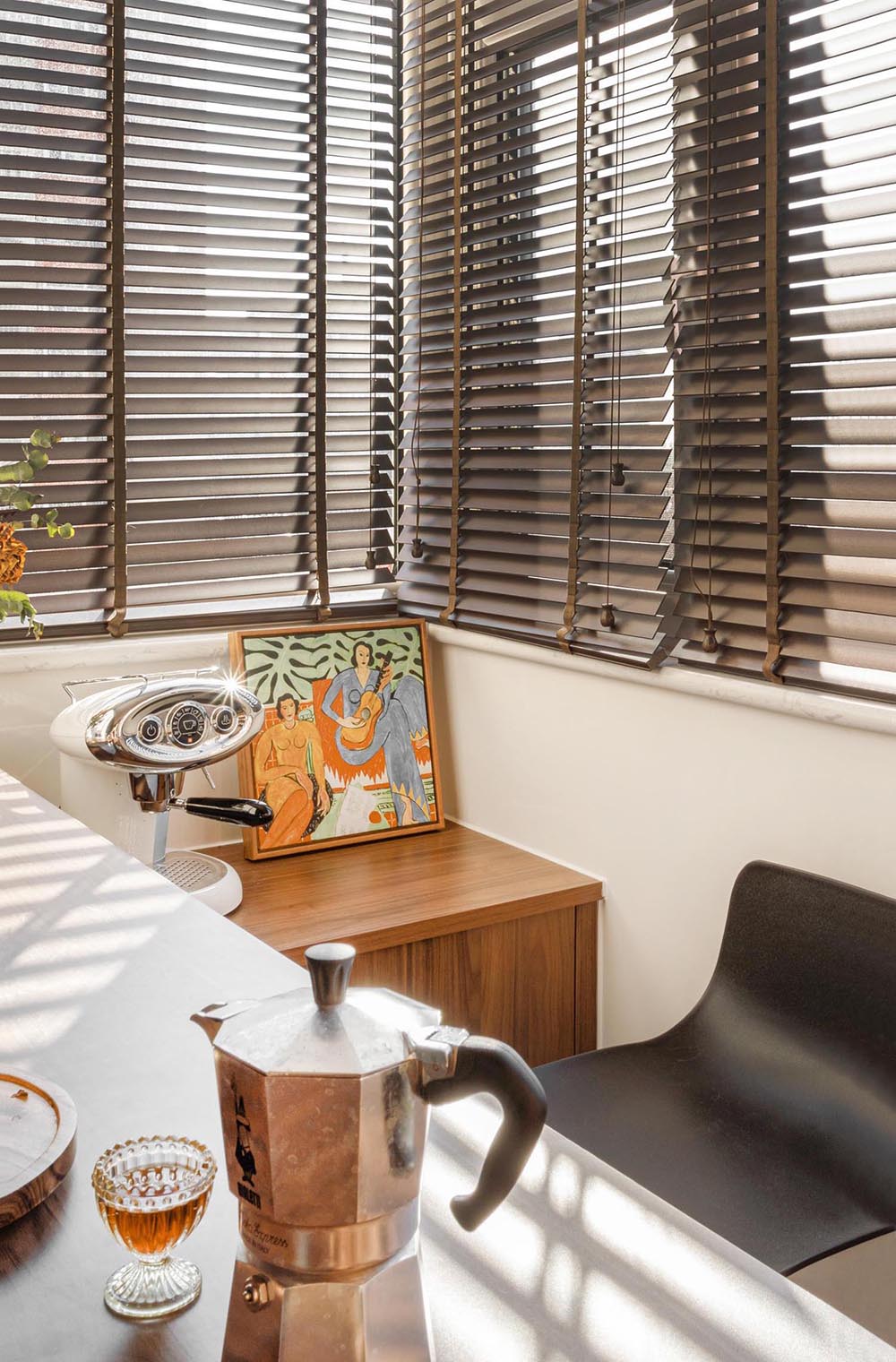
Do Faux Wood Blinds Release Harmful Substances in High Temperature
To clarify user doubts thoroughly, we analyze the safety of faux wood blinds under two distinct real-world scenarios: conventional indoor high temperatures in daily life and extreme surface heat caused by continuous direct solar radiation.
Under regular summer indoor temperatures ranging from 25°C to 35°C—covering most daily household environments—certified faux wood blinds maintain complete chemical stability and release no toxic gases or harmful substances. The faint plastic odor emitted by brand-new blinds is merely residual packaging and production scent, which naturally dissipates within one to two weeks of consistent ventilation, rather than heat-triggered chemical emissions.
Conditions shift during prolonged intense sun exposure. After four to six hours of continuous direct sunlight on glass windows, the surface temperature of attached blinds can surge above 50°C. Even under such extreme surface heat, high-quality certified faux wood blinds will not undergo material decomposition or emit toxic fumes. The only observable long-term changes are minor color fading and slight slat softening after years of sun exposure, neither of which impacts indoor air quality or household health.
Potential health risks exclusively stem from unqualified, low-quality faux wood venetian blinds manufactured with recycled waste plastics. These inferior products contain unstable chemical additives and residual heavy metal impurities. Under sustained high temperatures, the unstable materials gradually release pungent volatile organic compounds (VOCs). Long-term inhalation of these irritants may cause a dry throat, dizziness, and allergic discomfort, especially for individuals with sensitive respiratory systems. It is critical to correct a widespread misconception: standard faux wood blinds produce no formaldehyde under high heat. Formaldehyde emissions are unique to low-grade solid wood blinds and wood composite products that rely on formaldehyde-based adhesives, not PVC-based faux wood materials.
Many consumers mistakenly equate faux wood venetian blinds with thin pure plastic venetian blinds, yet their heat resistance differs drastically. Thin pure plastic venetian blinds feature poor thermal stability and are prone to odor release under intense heat. In contrast, thickened faux wood composite slats deliver superior heat resistance and structural stability. Distinguishing between these similar-looking venetian blinds is key to avoiding unnecessary indoor air quality risks.
Practical Tips to Use Faux Wood Blinds Safely in Hot Sunny Areas
With the heat safety properties clarified, below are practical, easy-to-follow tips to help homeowners use and maintain faux wood blinds and venetian blinds properly in high-temperature, sun-exposed spaces. These guidelines effectively extend product lifespan while safeguarding indoor air quality and household safety.
First, prioritize certified, high-quality products at the time of purchase. When shopping for faux wood blinds or faux wood venetian blinds, always verify official environmental certification reports. Opt for products labeled low-VOC, non-toxic, and formaldehyde-free, and avoid suspiciously cheap options with strong, lingering pungent odors out of the box. Selecting qualified products is the most fundamental way to eliminate heat-induced emission risks.
Second, adjust daily usage habits during hot sunny weather. During peak sunlight hours from 10 a.m. to 4 p.m., avoid fully closing blinds to press tightly against window glass. Leaving a small gap creates circulating airflow between the slats and glass, effectively reducing surface heat accumulation and lowering slat temperature. For sunrooms and fully enclosed balconies, partially tilting venetian blind slats block harsh direct sunlight while preserving indoor air circulation, further reducing heat stress on the blinds.
Third, implement scientific ventilation and routine maintenance. Newly installed faux wood blinds require continuous cross-ventilation for one to two weeks to eliminate residual production and packaging odors. Never use high-temperature steam cleaners on slats, as extreme heat and steam will damage the surface protective coating and accelerate material aging. For daily upkeep, gently wipe dust with a soft dry or slightly damp cloth.
Fourth, add auxiliary sun protection for long-term sun-exposed windows. South-facing floor-to-ceiling windows with year-round direct sunlight can be paired with glass solar film or external sun visors alongside faux wood venetian blinds. These auxiliary shading tools block most ultraviolet rays and radiant heat before they reach the blinds, significantly reducing thermal load, slowing color fading, and delaying material aging.
Fifth, replace aging blinds in a timely manner. Even premium faux wood blinds experience gradual material degradation after five to eight years of sustained sun exposure and high-temperature cycling. If you notice persistent unusual odors, slat brittleness, or permanent deformation under normal room temperatures, the material has deteriorated. Prompt replacement maintains a healthy indoor living environment and avoids potential safety hazards.
Q&A
Q1: Will faux wood blinds release toxins in a hot sunroom all summer long?
A1: Certified, high-quality faux wood blinds produce no toxic substances, even with all-day continuous sun exposure in hot sunrooms. Only low-grade blinds made from recycled waste plastics will release irritating volatile compounds under prolonged high heat. With qualified products and regular indoor ventilation, faux wood blinds are completely safe for summer-long use in sun-exposed spaces.
Q2: Are faux wood venetian blinds less safe than traditional solid wood venetian blinds under high temperatures?
A2: Faux wood venetian blinds are actually safer for high-heat environments than traditional solid wood venetian blinds. Solid wood venetian blinds are prone to warping, cracking, and mildew in hot, humid conditions, and low-quality solid wood blinds often release formaldehyde from interior adhesives. Standard faux wood venetian blinds offer superior heat and moisture resistance with zero formaldehyde emissions, making them far more suitable for sunny, high-temperature rooms.
Q3: What is the acceptable temperature range for daily use of faux wood blinds?
A3: Faux wood blinds work perfectly safely at standard indoor temperatures between 18°C and 40°C. Their chemical structure remains stable even when surface temperatures rise to 55°C from direct sunlight. To avoid permanent material damage, keep faux wood blinds away from open flames and extreme temperatures exceeding 70°C.
Q4: How to remove the slight odor of new faux wood blinds quickly?
A4: The faint odor of new faux wood blinds is harmless residual plastic and packaging scent, not toxic fumes. Accelerate odor removal by keeping windows open for natural cross-ventilation; placing activated carbon near the blinds can also absorb residual smells. The odor typically fades completely within one to two weeks. Avoid covering the scent with air fresheners, as this only masks the issue instead of resolving it.
Q5: Can I install faux wood blinds on a balcony with direct strong sunlight all year round?
A5: Yes, faux wood blinds are an excellent choice for sun-exposed balconies year-round. Compared with fabric curtains and pure solid wood blinds, they boast stronger anti-fade and anti-deformation properties under continuous sunlight. For long-term use, simply leave a heat-dissipation gap between slats and glass in hot summer, and apply solar film to windows to extend the blinds’ service life significantly.
Post time: Jun-29-2026