Choosing eco-friendly blinds is no longer just a trendy home upgrade—it is a practical, health-focused decision for modern households. Many homeowners struggle with common window covering issues: hidden toxic chemical emissions, poor recyclability, short service lifespans, and materials that worsen indoor air quality. Among the most popular sustainable options on the market, aluminum Venetian blinds and faux wood Venetian blinds stand out as top choices for green home renovations. However, most people cannot tell which non-toxic material fits their living environment, budget, and long-term eco goals.
With countless window covering options flooding the market, it can be overwhelming to figure out which non-toxic material matches your living environment, budget, and long-term sustainable living goals. Whether you are upgrading standard horizontal Venetian blinds for your bedroom, kitchen, or living room, understanding the real-world strengths and weaknesses of these two popular materials will help you steer clear of low-quality, chemical-laden window treatments and build a truly healthy, sustainable living space.
Core Eco-Friendly & Non-Toxic Standards for Home Blinds
Before comparing materials, it is essential to clarify what makes blinds truly eco-friendly and non-toxic. Many ordinary blinds contain hidden hazards like formaldehyde, harsh VOCs (volatile organic compounds), lead-based pigments, and non-recyclable synthetic fillers, which release pollutants indoors for years after installation. Qualified eco-friendly blinds must meet three key criteria: zero harmful chemical emissions, recyclable or sustainable material composition, and long durability to reduce waste frequency.
For household use, non-toxic certification is non-negotiable. Reliable eco-friendly blind products skip toxic dyeing, glue, and surface coating processes. They do not release irritating substances under high temperature or humid conditions, making them safe for kids, pets, and people with allergies. Both aluminum and faux wood Venetian blinds from regular manufacturers can meet these standards, but their environmental advantages and applicable scenarios differ greatly.
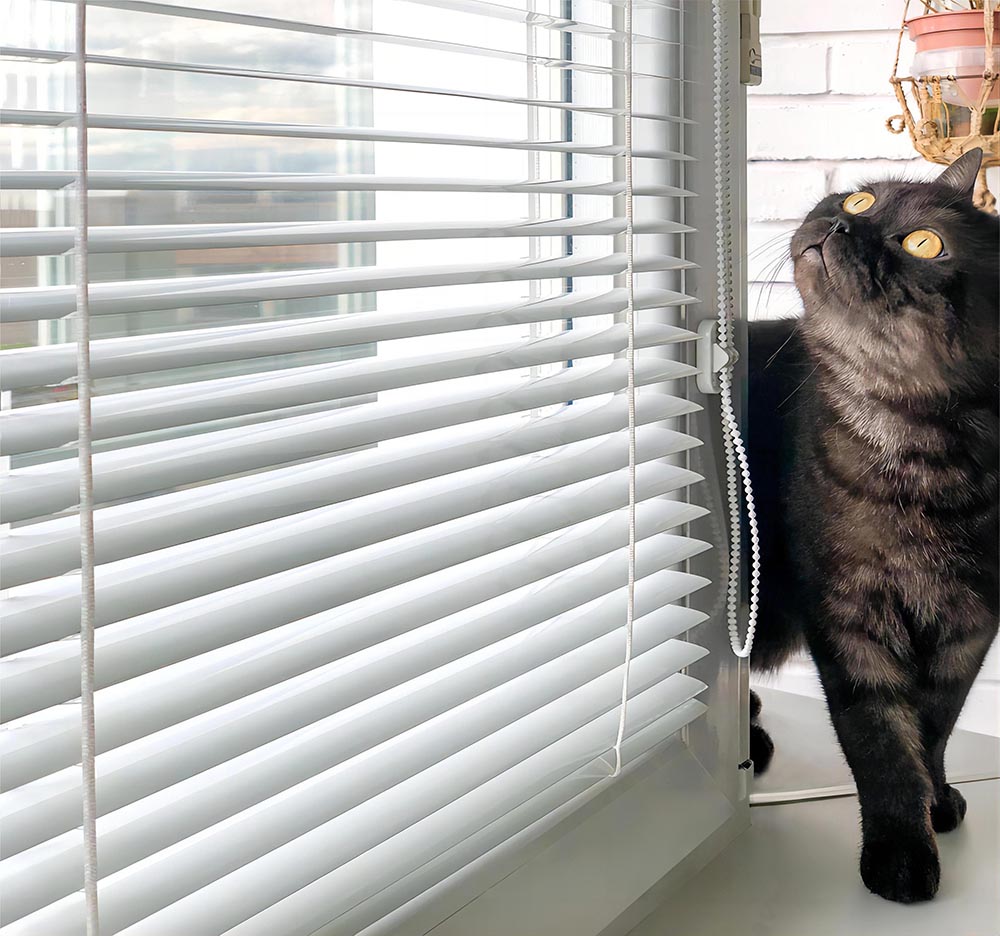
Aluminum Eco-Friendly Blinds: Pros, Cons, & Ideal Use Cases
Aluminum horizontal Venetian blinds are a classic sustainable window treatment favored by eco-conscious families for decades. The biggest environmental highlight of aluminum blinds is their exceptional recyclability. Premium aluminum blinds are made with up to 95% recycled aluminum materials, and the metal itself can be recycled infinitely without losing structural quality or performance. Statistics show that over 75% of all aluminum ever produced is still in active use today, drastically cutting down mining waste and carbon emissions associated with virgin material production.
In terms of non-toxic performance, high-quality aluminum eco-friendly blinds are completely safe for indoor use. They adopt food-grade non-toxic surface coatings, free of formaldehyde, VOCs, and heavy metals. Unlike wooden or synthetic blinds, aluminum does not absorb moisture, odors, or mold spores, so it will not produce harmful volatile substances even in long-term high-temperature and humid environments. This makes it a hygienic choice for enclosed indoor spaces.
Durability is another core advantage of aluminum Venetian blinds. The material is rust-proof, UV-resistant, and fade-resistant, with no warping, cracking, or deformation after years of sunlight exposure. It requires almost no complicated maintenance; only regular dust wiping to keep it clean. Its long service life effectively reduces the frequency of blind replacement, minimizing household solid waste and further boosting its eco-friendly attributes.
The only minor drawbacks of aluminum eco-friendly blinds are their relatively cold visual and tactile texture, and slightly weaker heat insulation performance compared to wood-like materials. They are also less decorative for warm, cozy home styles. Ideal application scenarios include kitchens, bathrooms, balconies, and home offices—spaces with high humidity, strong sunlight, or strict hygiene requirements.
Faux Wood Eco-Friendly Blinds: Pros, Cons, & Ideal Use Cases
Faux wood eco-friendly blinds, also known as composite wood Venetian blinds, are made from non-toxic PVC or wood-plastic composite materials designed to simulate the natural texture of real wood without the environmental drawbacks of solid wood harvesting. Unlike low-grade plastic blinds, qualified faux wood eco-friendly blinds use pure non-toxic composite formulas, eliminating formaldehyde, toxic adhesives, and harmful chemical additives throughout the production process.
The biggest advantage of faux wood blinds is their balanced eco-performance and aesthetic value. They avoid deforestation caused by solid wood blinds, protecting forest ecological resources while retaining the warm, natural wooden texture that upgrades home decor. For homeowners who pursue a green home style and a warm interior atmosphere, faux wood horizontal Venetian blinds are a perfect compromise choice.
In terms of indoor friendliness, faux wood materials have better heat insulation and sound absorption effects than aluminum. They can effectively block outdoor heat in summer and reduce indoor heat loss in winter, lowering household air conditioning and heating energy consumption. This energy-saving feature indirectly reduces household carbon footprints, fitting the core concept of eco-friendly home improvement.
However, faux wood blinds have certain limitations. Although high-quality products are durable, long-term intense sunlight may cause slight aging and brittleness of the composite material, shortening its service life compared to aluminum. In addition, most faux wood blinds are not fully recyclable like aluminum, and their decomposition cycle is longer after disposal. They are more suitable for dry, indoor spaces such as bedrooms, living rooms, and study rooms, and are not recommended for long-term humid kitchen and bathroom environments.
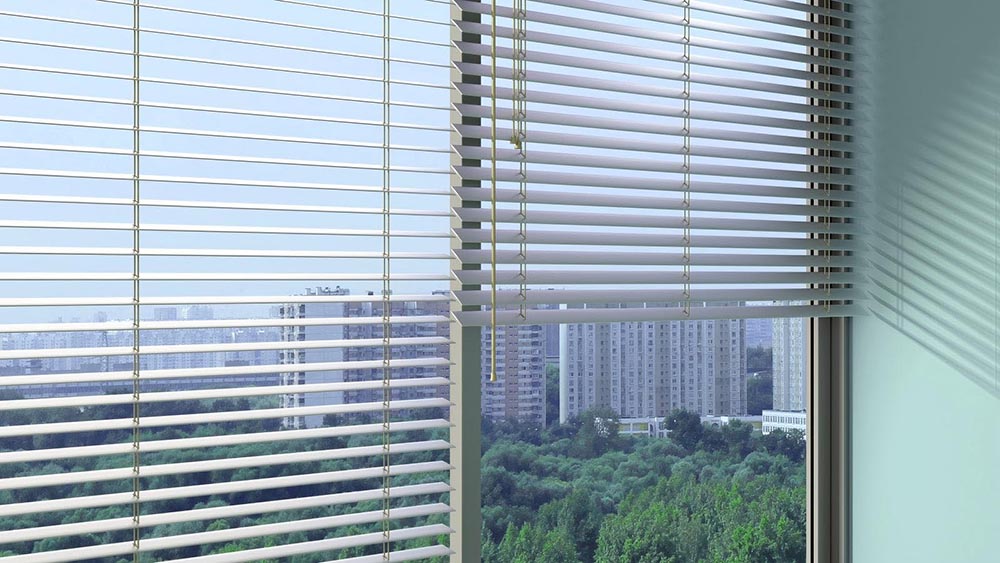
Head-to-Head Comparison: Aluminum vs. Faux Wood Eco-Friendly Blinds
To help you make a more intuitive choice, we summarize the key performance differences between the two non-toxic eco-friendly blinds in practical household scenarios. In terms of non-toxicity, both options are zero-formaldehyde and low-VOC, fully meeting household health standards. For recyclability, aluminum takes the lead with 100% infinite recyclability, while faux wood has limited recycling capacity.
In durability and environmental adaptability, aluminum outperforms faux wood in humidity resistance, UV resistance, and corrosion resistance, with a longer service life and lower replacement waste. In energy-saving and decorative effects, faux wood is superior with better heat preservation and warmer visual effects. In terms of daily maintenance, both are easy to clean, but aluminum is more resistant to stains and mold.
For eco-friendly priority selection: If your core demand is maximum sustainability, long-term waste reduction, and use in humid high-temperature areas, choose aluminum Venetian blinds. If you prioritize healthy, non-toxic performance, home aesthetic warmth, and indoor energy saving for dry living spaces, faux wood eco-friendly blinds are the better choice.
Practical Buying & Usage Tips for Eco-Friendly Blinds
Many homeowners fail to buy real eco-friendly blinds even after choosing the right material, due to ignoring product details. First, always pick regular brands with formaldehyde-free and low-VOC certification. Avoid ultra-low-priced inferior products, which often use toxic recycled materials and harmful coatings to cut costs.
Second, match materials according to room functions. Install aluminum Venetian blinds in kitchens, bathrooms, and sun-exposed balconies to resist moisture and high temperatures. Choose faux wood composite blinds for bedrooms and living rooms to balance health, aesthetics, and energy saving. Third, prioritize customized sizes to avoid material waste caused by inappropriate finished product sizes.
For daily maintenance, both types of eco-friendly blinds only need regular dust wiping with a damp cloth. Do not use strong chemical detergents, which will damage the surface non-toxic coating and cause potential pollutant release. Proper maintenance can extend the service life of blinds, further optimizing your home’s environmental protection effect.
FAQ About Eco-Friendly Blinds & Non-Toxic Materials
Q1: Are aluminum and faux wood eco-friendly blinds completely safe for babies and pregnant women?
A1: Yes, certified high-quality aluminum and faux wood eco-friendly blinds are 100% non-toxic. They contain no formaldehyde, VOCs, or heavy metals, and will not release harmful substances at room temperature or high temperature. They are safe for sensitive groups, including infants, pregnant women, and allergy sufferers, far safer than ordinary fabric and solid wood blinds with glue and dye residues.
Q2: Which is more environmentally friendly in the long term, aluminum or faux wood blinds?
A2: Aluminum eco-friendly blinds have better long-term environmental benefits. Their infinite recyclability, ultra-long service life, and zero mold growth characteristics greatly reduce household waste and resource consumption. Faux wood blinds are eco-friendly alternatives to solid wood but have shorter lifespans and lower recyclability, making them slightly less sustainable than aluminum options.
Q3: Can eco-friendly Venetian blinds reduce household energy consumption?
A3: Absolutely. Both types of eco-friendly horizontal Venetian blinds have excellent light control and heat insulation functions. Faux wood blinds provide better heat preservation, while aluminum blinds effectively reflect strong sunlight. Proper use can reduce indoor temperature fluctuations, lowering the use frequency of air conditioners and heaters and cutting household carbon emissions.
Q4: Do non-toxic, eco-friendly blinds cost much more than ordinary blinds?
A4: The price difference is negligible in the long run. Although certified eco-friendly blinds have a slightly higher upfront cost, they have a longer service life, no hidden health hazards, and no need for frequent replacement. They avoid medical expenses and replacement costs caused by poor indoor air quality, offering higher cost performance.
Every home has unique needs when it comes to window coverings, and your personal lifestyle, room conditions, and sustainability priorities will always dictate the best final choice. Whether you lean toward sturdy, endlessly recyclable aluminum Venetian blinds or warm, energy-efficient faux wood eco-friendly blinds, prioritizing certified non-toxic materials ensures your window upgrades support a healthier indoor environment and greener household habits. Small, mindful choices in home decor add up, creating safer, more comfortable living spaces for everyday life.
Post time: Jun-15-2026