If you own window coverings for your home or office, chances are you have dealt with annoying slat misalignment and uneven positioning at some point. Nothing ruins the neat look of a room faster than crooked, lopsided Venetian Blinds that refuse to sit straight, tilt evenly, or lift and lower smoothly. Many homeowners immediately assume they need professional repair or full replacement when their horizontal blind slats go out of alignment, but most uneven blind issues are simple enough to resolve with basic household tools and a little patience. This guide walks you through practical, step-by-step solutions to fix misaligned Venetian Blinds, cover common causes of slat unevenness, and share routine maintenance tips to keep your horizontal window blinds working perfectly for years.
One of the biggest reasons people struggle with uneven blind slats is not understanding what causes the problem in the first place. Daily use, accidental tugs, dust buildup, aging ladder tapes, and improper installation all contribute to crooked slats on Venetian Blinds. Pets brushing against the blinds, kids pulling on the lift cords, or even regular window cleaning can shift individual slats out of place over time. Bent slat edges, tangled lift strings, and worn headrail components also lead to uneven tilting, where one side of the blinds sits higher than the other or slats fail to close uniformly for privacy and light control. Before jumping into repairs, it helps to inspect your horizontal window blinds closely to spot exactly where the misalignment happens, whether it is a single bent slat, tangled cords, or damaged ladder tape holding the slats together.
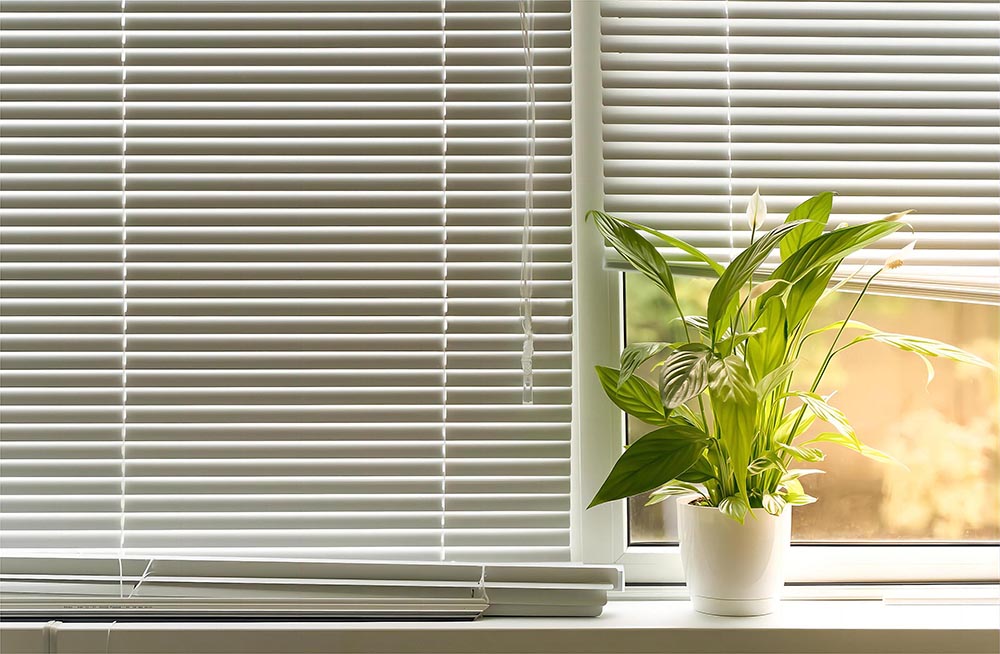
Start your repair process with a quick visual and physical inspection, which takes only a few minutes and saves you from unnecessary work. Fully lower your Venetian Blinds and tilt all slats to a closed position, then step back to check for lopsided sections, raised individual slats, or gaps that should not exist. Run your hand gently along the slats to feel for bent edges, warped plastic or wooden panels, and check the lift cords and tilt mechanism on the headrail. Look closely at the ladder tape strips that weave through each slat hole; frayed, stretched, or disconnected ladder tape is one of the most frequent culprits of uneven slat alignment. Also test the lift cord operation: if the blinds lift up crooked every time you pull the cord, the internal cord lock inside the headrail is likely misaligned or jammed with dust and debris. Having a clear idea of the fault spot makes every repair step far more effective for your horizontal slat blinds.
For minor misalignment where slats are simply shifted out of position without any bends or broken parts, manual realignment is the easiest fix and requires no tools at all. Fully lower the blinds and lock them in place so they do not slide up while you work. Gently grasp each misaligned slat by its outer edge and nudge it left or right until it lines up perfectly with the rest of the row. Work slowly and avoid forcing the slats, as rough handling can crack thin wooden or aluminum slats. After adjusting all off-kilter panels, tilt the blinds open and closed a few times to confirm they move uniformly without catching or sticking. This simple method works great for slight shifting caused by everyday bumping and light use, and it is the first solution anyone should try before moving to more complex repairs for Venetian Blinds.
Bent or warped slats are another common source of uneven blinds, and they are surprisingly easy to straighten with gentle methods tailored to different blind materials. Aluminum Venetian Blinds slats are flexible and can be carefully reshaped by hand; hold each end of the bent slat and apply slow, even pressure to bend it back to its original flat shape. Never use sharp force, as aluminum can crease permanently if bent too quickly. For wooden or faux wood horizontal slat blinds that have minor warping from humidity changes, lay the affected slat flat on a clean, level surface and place a light, flat weight on top for several hours to flatten it gradually. Avoid using heat sources like hair dryers on wooden slats, as excessive heat can crack or fade the finish. If a slat is severely cracked or permanently bent beyond repair, replacing a single individual slat is far cheaper than buying an entirely new set of Venetian Blinds.
Tangled lift cords and misaligned cord locks are frequent hidden causes of lopsided blinds that many homeowners overlook. When lift cords twist, knot up, or feed unevenly through the headrail, one side of the blinds will rise higher than the other every time you lift them. To fix this, fully lower the blinds completely until all slats rest evenly at the bottom, then untangle any knotted cords by hand. Straighten each cord strand and ensure they run parallel without crossing inside the headrail. If the cord lock is jammed with dust, use a soft dry brush to clear away debris, then test the lift cord repeatedly to see if the blinds raise and lower evenly. For older horizontal window blinds with worn cord locks that no longer grip cords properly, replacing the small internal cord lock component is an affordable DIY fix that restores perfect alignment instantly.

Damaged or stretched ladder tape is a slightly more involved repair but still manageable for average homeowners. Ladder tape holds each slat in uniform spacing, and when it stretches, frays, or detaches from the headrail, slats sag and become uneven. You can find replacement ladder tape designed specifically for standard Venetian Blinds at home improvement stores, and it comes in matching colors to blend seamlessly with your blinds. To replace it, remove the blinds from the window mounting brackets, take out the old broken ladder tape, and thread the new tape through each slat hole one by one, keeping spacing consistent with the undamaged side. Secure the top of the new ladder tape firmly to the headrail, then rehang the blinds and test tilting and lifting to confirm all slats sit perfectly level. This repair eliminates persistent unevenness that simple manual adjustment cannot fix.
Once you have fixed your misaligned Venetian Blinds, simple regular maintenance will prevent slat alignment issues from coming back. Dust your horizontal slat blinds weekly with a microfiber duster to stop dust buildup from jamming the headrail and cord mechanisms. Avoid yanking lift or tilt cords sharply, and train children and pets not to pull or lean on the slats. Every few months, check the ladder tape and cords for early signs of fraying, and realign any slightly shifted slats before the problem worsens. Keeping window humidity balanced also prevents wooden and faux wood slats from warping, maintaining smooth, even operation year-round.
Most people overcomplicate uneven Venetian blinds problems, thinking professional help is the only option. In reality, nearly all slat misalignment, crooked tilting, and lopsided lifting issues can be resolved with basic inspection, manual adjustment, gentle straightening, and simple part replacements. By understanding the common causes and following these practical DIY steps, you can restore your horizontal window blinds to a neat, perfectly aligned look without expensive service calls or full replacements. A little routine care after repair will keep your Venetian blinds functioning smoothly and looking polished, enhancing your home’s decor and light control for many years ahead.
Post time: May-11-2026