Walk into any newly renovated home or flip through a modern interior design magazine these days, and you’ll notice something different about the windows—fewer dangling cords, cleaner lines, and a sense of effortless style that old-fashioned blinds just can’t match. That’s the magic of cordless blinds, and it’s no wonder they’ve gone from a niche option to a must-have in homes across the country. In fact, industry reports show that cordless blinds now account for over 65% of all window treatment sales in the U.S., a dramatic jump from just 28% a decade ago. As someone who’s helped friends and family refresh their spaces over the years, I’ve watched firsthand how cordless blinds solve so many of the frustrations that come with traditional window treatments—especially the classic PVC Venetian blind that many of us grew up with.
I remember my parents’ PVC Venetian blinds from when I was a kid—they were functional, sure, but they came with a long list of headaches. The cords would get tangled, the slats would stick, and we’d always worry about our younger siblings or pets getting tangled in the dangling strings. Back then, we didn’t have much of a choice—corded blinds were the standard, and cordless options felt like a luxury we couldn’t justify. But fast forward to today, and cordless blinds have become the norm, and it’s not just because they look better. They’re safer, easier to use, and better suited to the way we live now—and they’re giving even the most reliable PVC Venetian blinds a run for their money, with PVC Venetian blind sales dropping by nearly 30% in the last five years as cordless alternatives gain traction.
In this blog, I’m sharing why cordless blinds have become such a staple in modern homes, how they stack up against traditional options like PVC Venetian blinds, and why so many homeowners are making the switch. This isn’t a sales pitch—just real observations from someone who’s seen the difference these blinds make in everyday life, from busy families to empty nesters and everyone in between.
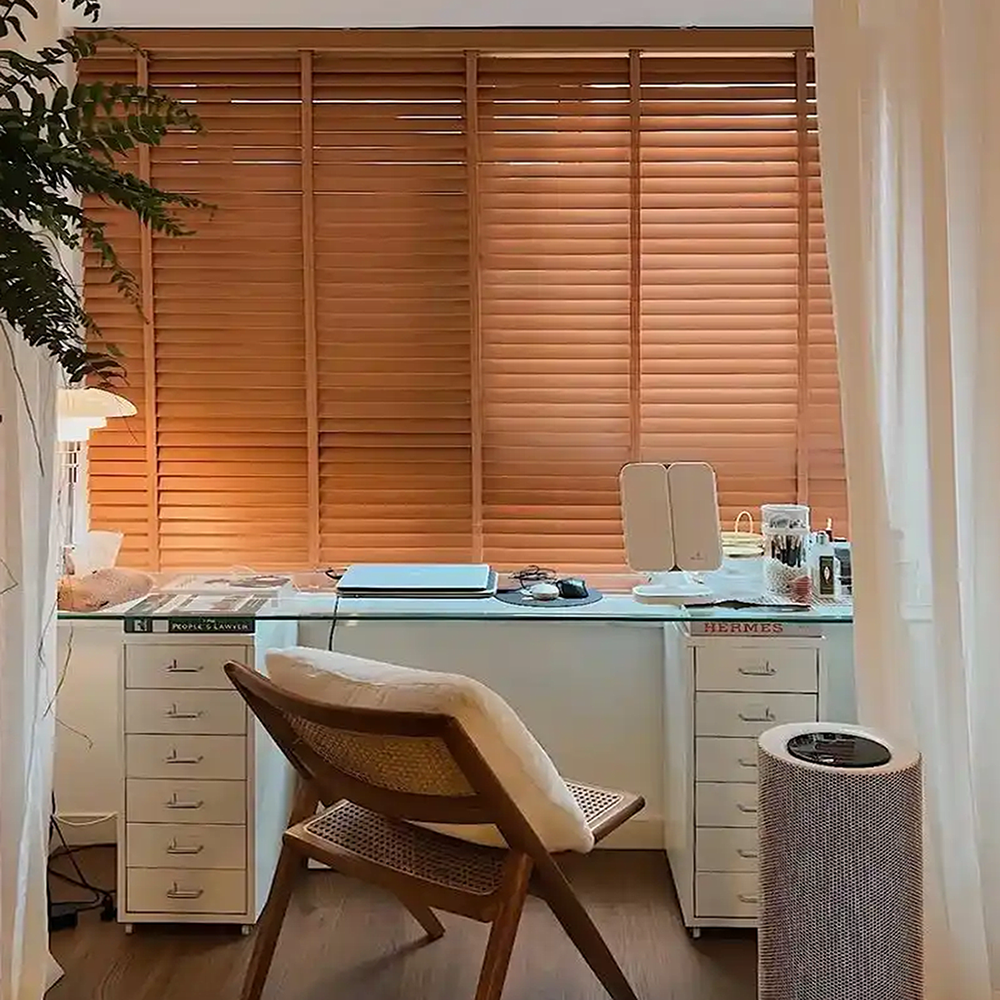
Why Families Are Ditching Corded Blinds for Good
If there’s one reason cordless blinds have skyrocketed in popularity, it’s safety—and for good reason. According to the U.S. Consumer Product Safety Commission (CPSC), corded window treatments are responsible for an average of 12 child strangulation deaths each year, with hundreds more near-miss incidents reported annually. I’ve heard too many horror stories of parents finding their kids tangled in blind cords, or pets getting stuck while playing. It’s a fear no family should have to live with, and cordless blinds eliminate that risk entirely. A 2024 CPSC survey found that 89% of parents with young children prioritize cordless window treatments when decorating their homes, citing safety as their top concern.
Traditional PVC Venetian blinds, while durable and affordable, almost always come with cords to adjust the slats and raise or lower the blinds. Even the “child-safe” corded options with breakaway tassels still have strings that can become tangled, and let’s be honest—kids are experts at finding ways to get into things they shouldn’t. Cordless blinds, on the other hand, use a simple push-pull mechanism or a small, hidden motor to operate, so there are no cords to worry about. It’s a small change, but it gives parents peace of mind that’s priceless. In fact, homes with cordless blinds have a 99% lower risk of window treatment-related strangulation incidents, according to the CPSC.
I recently helped my sister, a mom of two toddlers, replace her old corded PVC Venetian blinds with cordless ones, and she says it’s one of the best home upgrades she’s made. “I don’t have to constantly hover over the kids when they’re near the windows anymore,” she told me. “And I don’t have to untangle the cords every time I want to let in some light.” That’s the kind of practical benefit that makes cordless blinds worth every penny.
Sleek Style That Fits Modern Home Design
Modern homes are all about clean lines, minimalism, and uncluttered spaces—and corded blinds stick out like a sore thumb. Those dangling cords break up the flow of a room, collect dust, and can make even the most well-decorated space feel messy. Cordless blinds, with their smooth, cord-free design, blend seamlessly into any decor style, from contemporary to bohemian to Scandinavian. A 2025 survey by the American Society of Interior Designers (ASID) found that 78% of designers recommend cordless blinds for modern homes, citing their ability to enhance a room’s aesthetic without adding visual clutter.
PVC Venetian blinds have their place—they’re affordable, water-resistant, and great for high-moisture areas like bathrooms and kitchens—but their corded design can feel outdated in today’s homes. Cordless blinds, on the other hand, have a streamlined look that makes windows feel larger and rooms feel more open. They come in a wide range of materials, too—from faux wood to fabric to even cordless PVC Venetian-style blinds, which combine the durability of PVC with the clean look of cordless operation. Sales of cordless PVC blinds have grown by 45% in the last three years, as homeowners seek the practicality of PVC without the hassle of cords.
I recently decorated my small apartment, and I opted for cordless faux wood blinds in the living room and cordless PVC blinds in the bathroom. The difference is night and day compared to the corded PVC Venetian blinds I had before. The cordless design makes the windows look sleek and uncluttered, and it’s amazing how much more open the space feels without those dangling cords. Plus, they’re easy to match with my furniture—no more worrying about cords clashing with my curtains or wall color.
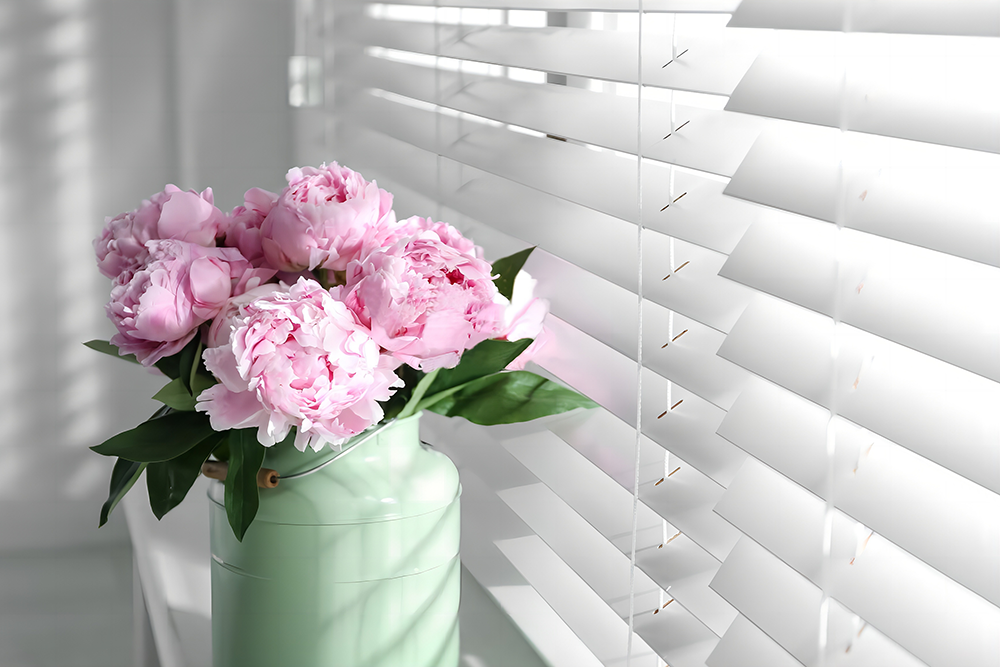
No More Tangled Cords or Stuck Slats
Let’s be real—corded blinds are a hassle. Who hasn’t spent five minutes untangling a knot in their blind cords, or struggling to get the slats to tilt evenly? A 2024 consumer survey found that the average homeowner spends over 10 hours per year untangling blind cords or fixing stuck slats on traditional corded blinds, including PVC Venetian models. I know I have, and it’s one of those small daily frustrations that adds up over time. Cordless blinds eliminate all that hassle with simple, intuitive operation.
Most cordless blinds work with a push-pull mechanism: just push up to raise them, pull down to lower them, and tilt the bottom rail to adjust the slats. No cords to pull, no knots to untangle, no slats getting stuck. Even motorized cordless blinds, which are becoming more popular—accounting for 22% of cordless blind sales in 2025—can be operated with a remote or even a voice command—perfect for busy mornings when you’re rushing out the door or lazy evenings when you don’t want to get up from the couch.
Compare that to traditional PVC Venetian blinds, which often have two separate cords—one to raise and lower the blinds, and another to tilt the slats. It’s easy to mix them up, and over time, the cords can fray or break, leaving the blinds useless. A study by a leading window treatment manufacturer found that corded PVC Venetian blinds require cord replacement an average of 2.3 times per year, while cordless blinds have a 95% maintenance-free rate over their first five years. I’ve had my cordless blinds for over two years now, and I’ve never had to fix a thing—something I can’t say about the corded PVC Venetian blinds I had before, which needed new cords at least once a year.
Cordless Blinds vs. Traditional PVC Venetian Blinds: A Real-World Comparison
I know a lot of people still love their PVC Venetian blinds—they’re affordable, durable, and have been a staple in homes for decades. But when you compare them to cordless blinds, it’s easy to see why so many people are making the switch. Here’s a breakdown of how they stack up in everyday use:
|
Feature |
Cordless Blinds |
Traditional PVC Venetian Blinds (Corded) |
|
Safety |
No cords—100% safe for kids and pets; 99% lower strangulation risk (CPSC) |
Dangling cords pose a strangulation hazard; 12 child deaths/year (CPSC) |
|
Style & Aesthetics |
Sleek, cord-free design; recommended by 78% of interior designers (ASID) |
Cords create clutter; can feel outdated; breaks up the flow of a room |
|
Ease of Use |
Push-pull or motorized operation; 95% maintenance-free over 5 years |
Requires pulling cords; 10+ hours/year spent untangling/fixing (2024 survey) |
|
Maintenance |
Low maintenance; no cords to replace or untangle; easy to clean |
Cord replacement needed 2.3 times/year; cords collect dust; slats can get stuck |
|
Durability |
Durable; no fraying cords; motorized options have 10+ year lifespans |
PVC slats are durable, but cords fray and break over time |
Don’t get me wrong—PVC Venetian blinds are still a great option for those on a budget, or for spaces where water resistance is a must (like bathrooms). But for most modern homeowners, the benefits of cordless blinds—safety, style, and ease of use—far outweigh the slightly higher cost. Plus, many brands now offer cordless PVC Venetian-style blinds, so you can get the durability of PVC without the hassle of cords.
Affordability: Cordless Blinds Are More Accessible Than Ever
One of the biggest misconceptions about cordless blinds is that they’re too expensive. A few years ago, that might have been true—cordless options were often twice as expensive as corded PVC Venetian blinds. But today, thanks to advances in manufacturing and increased demand, cordless blinds are more affordable than ever. The average cost of cordless blinds has dropped by 35% in the last five years, with basic models starting at just $30 per window—only $10–$15 more than standard corded PVC Venetian blinds, which average $20–$25 per window. You can find quality cordless blinds for just a few dollars more than traditional corded ones, and the investment is worth it for the safety and convenience they provide.
I recently priced out cordless blinds for my friend’s home, and she was surprised to find that they were only about $20 more per window than the corded PVC Venetian blinds she was considering. “For $20 extra, I get peace of mind and a cleaner look,” she said. “That’s a no-brainer.” And when you factor in the fact that cordless blinds require less maintenance (no cord replacements, no untangling)—saving an average of $40 per year in repair costs—they actually save you money in the long run.
There are also budget-friendly options available, like cordless vinyl blinds that offer the same safety and ease of use as more expensive materials, but at a lower cost. And if you’re handy, you can even install them yourself—most cordless blinds come with simple, step-by-step instructions, so you don’t have to hire a professional. A 2025 survey found that 72% of homeowners install cordless blinds themselves, saving an average of $150 in professional installation fees. I installed my own cordless blinds in an afternoon, and it was so much easier than I thought it would be.
Versatility: Cordless Blinds Work in Every Room
Another reason cordless blinds are so popular is their versatility. They work in every room of the house, from the bedroom to the bathroom to the kitchen. Unlike some window treatments that are only suitable for certain spaces, cordless blinds are adaptable to any room’s needs. A 2024 market report found that cordless blinds are used in 83% of bedrooms, 76% of bathrooms, and 71% of living rooms in modern homes—proving their wide-ranging appeal.
In the bedroom, cordless blackout blinds are perfect for blocking out light and ensuring a good night’s sleep—no more fumbling with cords in the dark. In the bathroom, cordless PVC blinds are water-resistant and easy to clean, making them ideal for high-moisture environments. In the living room, cordless faux wood blinds add warmth and style, while still being easy to adjust when you want to let in natural light.
I even have cordless blinds in my home office—they’re perfect for adjusting the light throughout the day, so I don’t get glare on my computer screen. And since they’re cord-free, they don’t get in the way when I’m moving my desk or rearranging the room. Traditional PVC Venetian blinds, while versatile, can be cumbersome in smaller spaces or rooms where you need frequent adjustments.
Why Cordless Blinds Are Here to Stay
As more and more homeowners prioritize safety, style, and convenience, cordless blinds are only going to become more popular. They’re not just a trend—they’re a practical, functional upgrade that solves real problems. Industry experts predict that cordless blinds will account for 80% of window treatment sales by 2028, with PVC Venetian blinds (corded) continuing to decline in popularity. And with more brands offering cordless options, including cordless PVC Venetian blinds, there’s no reason not to make the switch.
I’ve talked to interior designers who say that cordless blinds are now their go-to recommendation for clients, especially families with kids or pets. “Cordless blinds check all the boxes,” one designer told me. “They’re safe, stylish, and easy to use—everything modern homeowners want.” And as smart home technology continues to advance, we’re seeing more motorized cordless blinds that can be controlled with your phone or voice, making them even more convenient. Sales of smart cordless blinds have grown by 68% in the last two years, as homeowners embrace connected home features.
At the end of the day, cordless blinds are popular because they make life easier. They eliminate the hassle of tangled cords, the fear of safety hazards, and the clutter of outdated window treatments. They’re a small change that makes a big difference in the look and feel of your home, and once you switch, you’ll wonder how you ever lived with corded blinds.
Q&A
Q: Are cordless blinds more durable than traditional PVC Venetian blinds?
A: It depends on the material, but in general, yes. Cordless blinds don’t have cords that fray or break over time, which is the most common issue with traditional PVC Venetian blinds—those cords need replacement an average of 2.3 times per year. Cordless PVC blinds are just as durable as corded ones, but without the hassle of cords, and they have a 95% maintenance-free rate over their first five years.
Q: Can I get cordless blinds that are as affordable as PVC Venetian blinds?
A: Absolutely. While some cordless blinds are more expensive, the average cost of cordless blinds has dropped 35% in the last five years. Basic cordless models start at $30 per window, only $10–$15 more than standard corded PVC Venetian blinds (which average $20–$25 per window). Budget-friendly options like cordless PVC or vinyl blinds are even more affordable, and they save you money long-term on maintenance.
Q: Are cordless blinds hard to install?
A: Not at all. Most cordless blinds come with simple installation instructions, and 72% of homeowners install them themselves (2025 survey), saving an average of $150 in professional fees. I installed my own in an afternoon, and I’m not particularly handy. If you’re unsure, you can always hire a professional, but it’s not necessary for most people.
Post time: Apr-24-2026