There’s something magical about large windows—they flood your home with natural light, blur the line between indoor comfort and outdoor beauty, and make even small spaces feel open and airy. But when it comes to dressing them with Venetian blinds, I’ve seen so many homeowners stumble into the same pitfalls. I recently helped a friend redo her living room with floor-to-ceiling windows, and she admitted she almost bought the first set of Venetian blinds she saw online—only to realize they were too flimsy to cover her large window, let alone stand up to daily use. Sound familiar?
Venetian blinds are a timeless choice for any window, but large windows (think: picture windows, sliding glass doors, or floor-to-ceiling units) come with their own set of challenges. The wrong choice can leave you with blinds that are hard to operate, look disproportionate, or fail to deliver on privacy and light control. To save you time, money, and frustration, I’m breaking down the most common mistakes people make when choosing Venetian Blinds for Large Windows—plus actionable tips to get it right the first time. Along the way, we’ll cover key details like slat size, material selection, and installation, including helpful mentions of aluminum Venetian blinds, faux wood Venetian blinds, and motorized Venetian blinds—three auxiliary keywords that’ll help you narrow down your options.
Mistake #1: Ignoring Slat Size—Going Too Narrow (or Too Wide) for Large Windows
One of the biggest mistakes I see is choosing the wrong slat size for large windows. Most people default to the standard 25mm or 35mm slats because they’re common, but these narrow slats can look tiny and cluttered on a large window—like trying to dress a king-size bed with a twin sheet. On the flip side, some homeowners go too wide, picking 60mm+ slats that overwhelm the window and make the space feel heavy.
Let’s break it down: Slat size directly impacts both aesthetics and functionality for Venetian Blinds for Large Windows. Narrow slats (25mm-35mm) work well for small to medium windows, but on large windows, they require more slats to cover the space. This means more gaps between slats (even when closed) for light to seep through, and more cords to adjust—making the blinds cumbersome to operate. Wide slats (50 mm is the sweet spot for most large windows) cover more area per slat, creating a cleaner, more streamlined look. They also tilt more smoothly, giving you better control over light and privacy without the hassle of too many moving parts.
Pro Tip: For windows wider than 1.8 meters, opt for 50mm slats. If your window is extra wide (3 meters or more), 50mm slats are still ideal—they balance proportion and functionality. Avoid slats narrower than 35 mm for large windows, and save 60 mm+ slats for extremely tall windows (over 2.5 meters) to avoid visual imbalance. If you’re choosing aluminum Venetian blinds (a great choice for durability), 50mm slats are lightweight enough to operate easily, even on wide windows.
Mistake #2: Choosing the Wrong Material—Prioritizing Looks Over Durability
Another common misstep is picking a material that looks good but can’t handle the demands of a large window. Venetian blinds for large windows need to be sturdy—they have more surface area to cover, so flimsy materials will sag, warp, or break over time. I once had a client who chose cheap plastic Venetian blinds for her large dining room window; within six months, the slats started bending, and the cords frayed from the weight of the blinds.
Let’s compare the most popular materials for Venetian Blinds for Large Windows, including our auxiliary keywords:
• Aluminum Venetian Blinds: These are a top pick for large windows. Aluminum is lightweight but strong, so it won’t sag even on wide windows. It’s also water-resistant, easy to clean (just wipe with a damp cloth), and affordable—perfect for high-traffic areas like living rooms or kitchens. Look for powder-coated aluminum slats to prevent scratches and fading, especially if your window gets direct sunlight.
• Faux Wood Venetian Blinds: If you love the look of real wood but need durability, faux wood is the way to go. Made from PVC or composite materials, faux wood resists warping, fading, and moisture—ideal for large windows in bathrooms, kitchens, or sunrooms. Unlike real wood, it won’t crack or bow under the weight of a large blind, and it’s easier to maintain. Just avoid cheap faux wood (it feels flimsy and looks fake); invest in high-quality options with a wood-grain texture for a natural look.
• Real Wood Venetian Blinds: Real wood is beautiful, but it’s not the best choice for large windows—especially if they’re exposed to direct sunlight or humidity. Wood warps and fades over time, and the weight of a large real wood blind can strain the mounting brackets, leading to sagging. If you must have real wood, choose a dense wood like oak or maple, and make sure it’s treated with a UV-resistant finish. Keep in mind, real wood is more expensive and requires more maintenance (dusting regularly, avoiding moisture).
• Plastic Venetian Blinds: Skip these for large windows. Cheap plastic slats are thin and fragile, and they can’t support the weight of a large blind. They also fade quickly in sunlight and look cheap, which undermines the beauty of your large window.
Pro Tip: For most homeowners, aluminum Venetian blinds or faux wood Venetian blinds are the best choices for large windows. They balance durability, functionality, and aesthetics without breaking the bank. If you have a modern home, aluminum adds a sleek touch; if you prefer a warm, traditional look, faux wood is perfect.
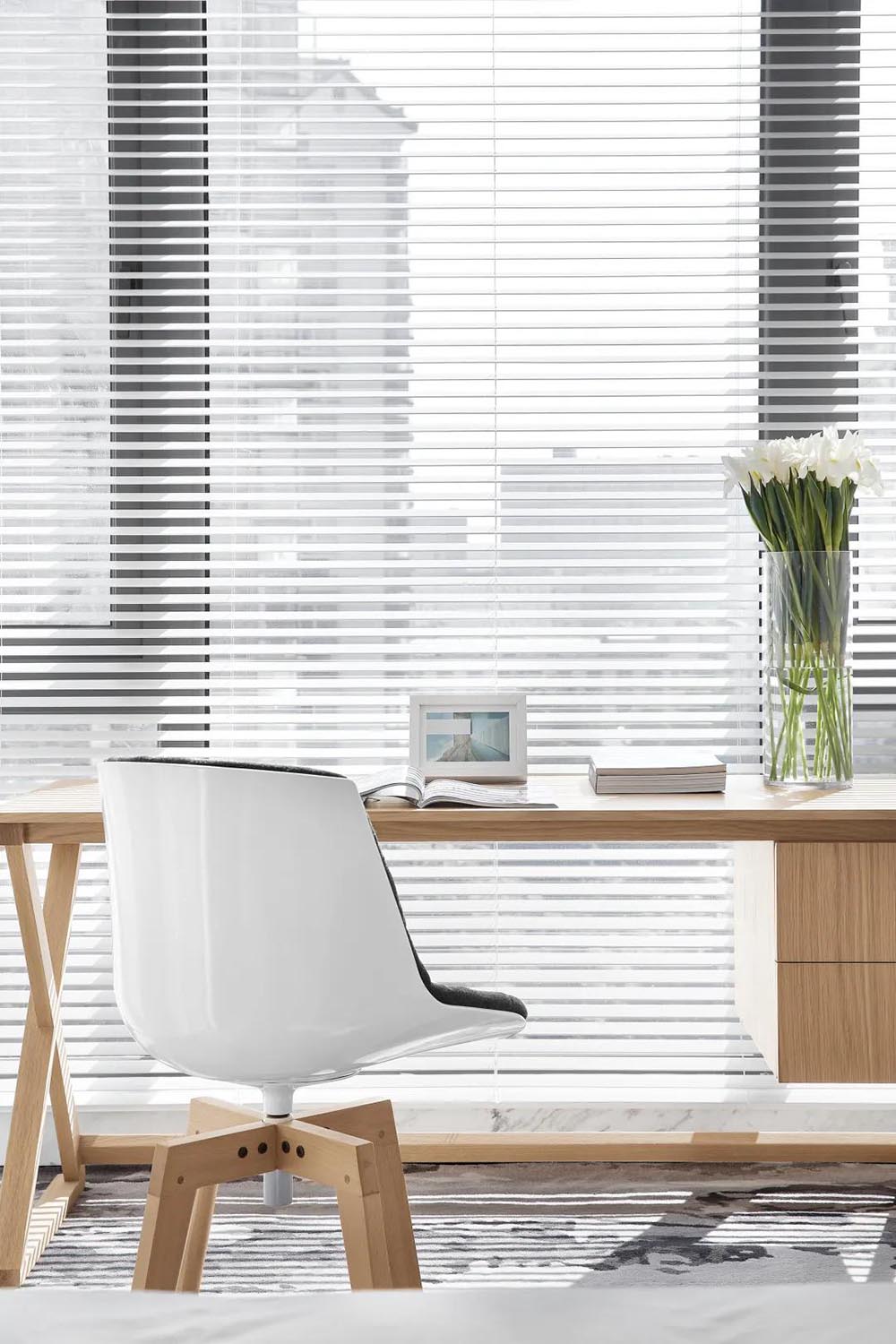
Mistake #3: Underestimating the Importance of Mounting and Installation
You could choose the perfect slat size and material, but if your Venetian blinds are poorly mounted, they’ll look messy and perform poorly. I’ve seen homeowners try to cut corners by installing the blinds themselves, only to have them hang crookedly, sag in the middle, or even fall off the wall. Large windows require sturdy mounting brackets and proper installation—this isn’t a DIY project for beginners.
First, decide whether to mount your Venetian Blinds for Large Windows inside the window recess or outside. Inside mounting gives a clean, streamlined look, but it requires enough depth in the recess (at least 5 cm) to fit the headrail without blocking the window. Outside mounting is better for large windows with shallow recesses—it covers the entire window frame, blocks more light, and can make the window look larger. For outside mounting, make sure the brackets are mounted to studs (not just drywall) to support the weight of the blind.
Another installation mistake: skipping middle brackets. For windows wider than 1.5 meters, a single bracket on each end isn’t enough— the headrail will sag in the middle, causing the slats to hang unevenly. Middle brackets distribute the weight evenly, keeping the blinds straight and functional. If you’re installing motorized Venetian blinds (a game-changer for large windows), proper installation is even more crucial—you’ll need to ensure the motor is securely mounted and the wiring is hidden (if hardwired) or battery-powered (for easier installation).
Pro Tip: Hire a professional installer for large windows. They’ll measure accurately, choose the right brackets, and ensure the blinds are level and secure. It’s a small investment that saves you from costly mistakes (like replacing a broken blind or repairing a damaged wall) down the line. If you do DIY, use a level to ensure the brackets are even, and always follow the manufacturer’s instructions for weight limits.
Mistake #4: Forgetting About Operation—Choosing Manual Blinds for Hard-to-Reach Large Windows
Large windows are often tall or wide, which means the blinds can be hard to reach—especially if they’re above a couch, bed, or countertop. Yet, many homeowners still choose manual Venetian blinds (with cords or wands) for large windows, leading to frustration every time they need to adjust the slats or raise/lower the blinds. I’ve had clients tell me they avoid adjusting their large manual blinds because it’s too much of a hassle—what’s the point of having blinds if you don’t use them?
This is where motorized Venetian blinds come in. Motorized blinds are a game-changer for large windows—they let you adjust the slats, raise, or lower the blinds with the push of a button, a remote control, or even your smartphone. They’re especially useful for tall windows (like floor-to-ceiling units) or windows that are hard to reach. Motorized Venetian blinds also eliminate the need for cords, which is safer for kids and pets, and they’re more precise—you can adjust the slats to let in just the right amount of light without straining.
If motorized blinds are out of your budget, there are other options. Look for manual blinds with a continuous cord loop (instead of a standard cord)—these are easier to operate for large blinds, as they distribute the weight evenly. Avoid blinds with short cords or wands—they’ll require you to stretch or stand on a chair to adjust them, which is unsafe and inconvenient.
Pro Tip: For any large window that’s hard to reach (above 1.8 meters), invest in motorized Venetian blinds. They’re worth the extra cost for the convenience and safety. If you’re on a budget, opt for a continuous cord loop system— it’s a simple upgrade that makes operating large blinds much easier.
Mistake #5: Neglecting Light and Privacy Needs
Large windows let in lots of light, which is great—but they also mean less privacy, especially if your home faces a street, neighbor’s house, or public area. Many homeowners choose Venetian Blinds for Large Windows based solely on looks, forgetting to consider how they’ll control light and privacy. For example, light-colored slats might look great, but they won’t block as much light or provide as much privacy as dark-colored slats. Similarly, slats with gaps (common in cheap blinds) will let light seep through, even when closed.
To avoid this mistake, think about your room’s needs. If you’re dressing a bedroom or home office, you’ll want blinds that block most light (blackout slats are a good option) and provide maximum privacy. For living rooms or dining rooms, you might want more light control—blinds that let in soft, diffused light while still maintaining privacy. Aluminum Venetian blinds with a matte finish are great for light control, as they reflect sunlight without creating glare. Faux wood Venetian blinds in dark colors (like espresso or charcoal) provide excellent privacy and block more light.
Another thing to consider: the direction of your window. South-facing windows get the most sunlight, so you’ll need blinds that can block UV rays (to prevent furniture fading) and reduce glare. North-facing windows get less direct sunlight, so you can choose lighter slats that let in more light. If your window faces east or west, you’ll need blinds that can adjust easily to block morning or afternoon sun.
Pro Tip: Test the light control before you buy. Ask the retailer for a sample slat, and hold it up to your window at different times of the day to see how it blocks light. If privacy is a top priority, choose slats that close tightly (no gaps) and opt for darker colors. For light control, look for slats with a UV-resistant coating—this will protect your furniture and keep your room cool.
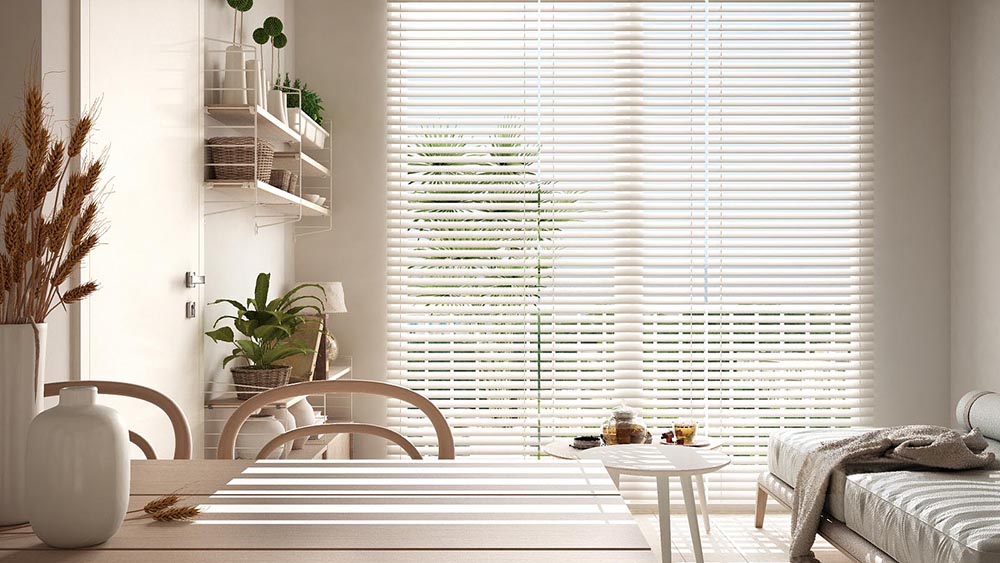
How to Choose the Perfect Venetian Blinds for Large Windows
Choosing Venetian Blinds for Large Windows doesn’t have to be stressful. Avoid these common mistakes, and you’ll end up with blinds that are functional, beautiful, and built to last. To recap:
• Choose 50mm slats for most large windows (avoid narrow slats under 35mm).
• Opt for aluminum Venetian blinds or faux wood Venetian blinds for durability.
• Hire a professional installer (or use sturdy brackets and middle supports if DIY).
• Invest in motorized Venetian blinds for hard-to-reach windows.
• Prioritize light and privacy by choosing the right color and slat type for your room.
Large windows are a beautiful feature in any home—don’t let poorly chosen Venetian blinds detract from their beauty. With a little planning and these tips, you’ll find blinds that enhance your space, control light and privacy, and make your large windows feel like the focal point they are.
FAQ: Common Questions About Venetian Blinds for Large Windows
I get asked a lot of questions about choosing Venetian blinds for large windows—here are the most common ones, answered clearly and honestly:
Q: Can I use real wood Venetian blinds for large windows?
A: You can, but it’s not ideal. Real wood warps and fades over time, especially in direct sunlight or humid areas. The weight of a large real wood blind can also strain the mounting brackets, leading to sagging. If you love the look of real wood, choose a dense wood (like oak) with a UV-resistant finish, and make sure it’s properly installed with middle brackets. For most homeowners, faux wood Venetian blinds are a better, low-maintenance alternative.
Q: Are motorized Venetian blinds worth the extra cost for large windows?
A: Absolutely! If your large window is hard to reach (above a couch, bed, or countertop), motorized blinds will save you time and frustration. They’re also safer for kids and pets (no cords), and they let you adjust the slats or raise/lower the blinds with precision. If you’re on a budget, look for battery-powered motorized blinds—they’re easier to install than hardwired ones and still offer the same convenience.
Q: How do I clean Venetian blinds for large windows?
A: Cleaning large Venetian blinds is easier than you think! For aluminum Venetian blinds, wipe the slats with a damp cloth or use a vacuum with a brush attachment to remove dust. For faux wood Venetian blinds, you can use a mild soap and water solution (avoid harsh chemicals) to wipe away dirt. For hard-to-reach areas (like tall windows), use a telescoping duster or hire a professional cleaner once or twice a year. Avoid using water on real wood blinds—dust them regularly with a dry cloth.
Q: What’s the maximum width a Venetian blind can be for a large window?
A: Most high-quality Venetian blinds can be made up to 3 meters wide, but it depends on the material. Aluminum Venetian blinds are lightweight, so they can handle wider widths (up to 3.5 meters) without sagging. Faux wood Venetian blinds are slightly heavier, so they’re best for widths up to 3 meters. If your window is wider than 3 meters, you can use two blinds side by side—just make sure they’re the same material, slat size, and color for a cohesive look.
Q: Should I choose inside or outside mounting for my large window Venetian blinds?
A: It depends on your window recess and aesthetic preferences. The inside mounting is clean and streamlined, but it requires a recess depth of at least 5 cm. Outside mounting is better for shallow recesses—it covers the entire window frame, blocks more light, and can make the window look larger. For large windows, outside mounting is often preferred because it’s more forgiving (you don’t have to worry about exact measurements) and provides better light control.
Post time: May-06-2026