Venetian blinds are a staple in homes and offices alike, valued for their versatility, light control, and timeless appearance. But what happens when a part breaks—a slat cracks, a cord snaps, or a tilt mechanism jams? Many homeowners assume they need to replace the entire blind, wasting money on a new set when the issue is just a small, fixable component. The good news is: most Venetian blinds components are replaceable, and doing so is often cheaper, easier, and more sustainable than buying new blinds.
Which Venetian Blinds Components Are Actually Replaceable?
Before diving into fixes, it’s important to know which parts of your Venetian blinds can be replaced and which might mean it’s time for a new set. The truth is, nearly all major components are replaceable—you just need to know where to find them and how to install them. Here’s a breakdown of the most common replaceable Venetian blinds components, along with what to look for if they’re damaged:
• Slats (The Most Common Replacement)
Slats are the horizontal pieces that make up the body of your Venetian blinds, and they’re also the most likely to get damaged. Whether it’s a cracked wood slat, a bent aluminum slat, or a yellowed PVC slat, replacing individual slats is quick and affordable. Most manufacturers sell replacement slats in the same size, color, and material as your original blinds—you just need to measure your existing slats (width and length) and match the material (aluminum, wood, faux wood, or PVC).
One common mistake homeowners make is assuming all slats are universal. They’re not—slat width (usually 1 inch, 2 inches, or 2.5 inches) and thickness vary by brand and model. To avoid buying the wrong size, remove a damaged slat and take it with you to the store, or note the brand name (often printed on the headrail) when ordering online.
• Lift Cords and Tilt Cords
Lift cords (used to raise and lower the blinds) and tilt cords (used to adjust the angle of the slats) are prone to fraying, snapping, or getting tangled over time—especially with kids or pets pulling on them. The good news is these are some of the easiest Venetian blinds components to replace, and they’re very affordable (usually under $10 for a set of cords).
Lift cords are typically made of cotton, polyester, or nylon, and they come in different thicknesses. Tilt cords are often thinner and may be attached to a wand (more on that next). When replacing cords, it’s important to match the thickness and length of the original—too thin, and it will snap easily; too thick, and it won’t fit through the cord holes in the slats.
• Tilt Mechanisms and Wands
The tilt mechanism is the part inside the headrail (the top part of the blinds) that controls the angle of the slats. If your slats won’t tilt, or if they tilt unevenly, the tilt mechanism is likely broken. This is another replaceable component, though it’s a bit more involved than replacing slats or cords. Tilt mechanisms come in two main types: corded (operated by a tilt cord) and wand-operated (operated by a plastic or metal wand).
Tilt wands themselves are also easy to replace if they break or go missing. They usually attach to the tilt mechanism with a small clip or set screw, and replacement wands are available in most home improvement stores. Just make sure to match the length and style (straight or curved) to your existing wand.
• Valance Clips and Valances
The valance is the decorative piece that covers the headrail, and it’s held in place by small valance clips. These clips are prone to breaking if the valance is pulled or dropped, but they’re cheap and easy to replace. Valances themselves can also be replaced if they get scratched, stained, or damaged—just measure the length of your headrail and find a valance that matches the style of your blinds.
• Components That Are Harder (But Still Possible) to Replace
Some Venetian blinds components are less commonly replaced but still fixable, including the headrail (the main frame at the top), the bottom rail (the piece at the bottom that holds the slats together), and the cord locks (the mechanism that keeps the blinds raised). These parts are more expensive and require a bit more skill to replace, but they’re still worth considering if the rest of the blinds are in good condition.
The only time you might need to replace the entire blind is if the headrail is bent beyond repair, or if multiple components are damaged (e.g., broken slats, frayed cords, and a faulty tilt mechanism all at once). In most cases, though, replacing one or two components will bring your blinds back to life.
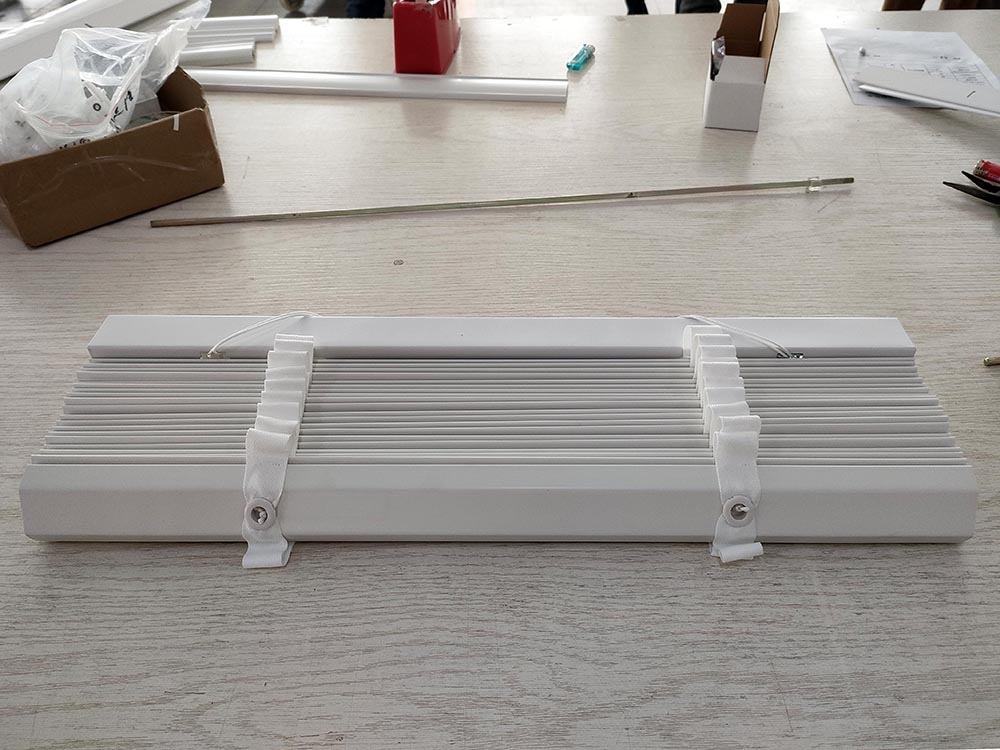
How to Replace Common Venetian Blinds Components
Replacing Venetian blinds components doesn’t require advanced DIY skills—just a few basic tools (like a screwdriver, pliers, and scissors) and a little patience. Below are step-by-step guides for the most common replacements, so you can do it yourself without calling a professional.
• Replacing a Damaged Slat
- First, lower the blinds completely so the slats are fully extended. This will make it easier to access the damaged slat.
- Locate the ladder cords (the thin cords that run vertically between the slats, holding them in place). Each slat is held by two ladder cords—one on each side.
- Use a pair of pliers to gently untie the knots that hold the damaged slat in place. Be careful not to pull too hard, as this can damage the ladder cords.
- Slide the damaged slat out of the ladder cords. If the slat is stuck, gently wiggle it back and forth until it comes free.
- Take your replacement slat and slide it into the ladder cords, making sure it’s aligned with the other slats. The slat should fit snugly but not too tight.
- Retie the knots in the ladder cords to hold the new slat in place. Make sure the knots are tight enough to keep the slat from sliding, but not so tight that they damage the cords.
- Test the blinds by tilting the slats and raising/lowering them to make sure the new slat moves smoothly with the others.
• Replacing Frayed or Broken Lift Cords
- Lower the blinds completely and remove the valance (if you have one) by gently prying off the valance clips.
- Locate the cord lock inside the headrail. This is the mechanism that holds the lift cords in place when the blinds are raised. Use a screwdriver to remove the screws holding the cord lock in place.
- Pull the old lift cords out of the cord lock and the slats. If the cords are frayed but not broken, you can use them as a guide to measure the length of the new cords.
- Cut the new lift cords to the same length as the old ones, plus a few extra inches to make tying knots easier.
- Thread the new cords through the cord holes in the slats, starting from the bottom rail and working your way up to the headrail.
- Thread the top ends of the cords through the cord lock, then reattach the cord lock to the headrail with the screws.
- Tie the ends of the cords together in a knot (or attach a cord tassel if you have one) to keep them from slipping through the cord lock.
- Reattach the valance and test the blinds by raising and lowering them to make sure the new cords work smoothly.
• Replacing a Tilt Wand
- Locate the tilt mechanism at the end of the headrail. The tilt wand is attached to this mechanism with a small clip or set screw.
- If there’s a set screw, use a screwdriver to loosen it (don’t remove it completely). If it’s a clip, gently pry the clip open with a flathead screwdriver.
- Pull the old tilt wand off the tilt mechanism. It should come off easily once the screw is loosened or the clip is open.
- Take your new tilt wand and slide it onto the tilt mechanism. Make sure it’s pushed all the way on.
- Tighten the set screw (or close the clip) to secure the new wand in place.
- Test the wand by tilting the slats back and forth. If it doesn’t work smoothly, check to make sure the wand is properly attached to the tilt mechanism.

Where to Buy Replacement Venetian Blinds Components
One of the biggest challenges homeowners face when replacing Venetian blinds components is finding the right parts. Here are the best places to buy replacement parts, along with tips to ensure you get the right fit:
• Original Manufacturer: If you know the brand of your Venetian blinds (e.g., Hunter Douglas, Levolor), check the manufacturer’s website or contact their customer service. They’ll have exact replacement parts that match your blinds, including slats, cords, and tilt mechanisms. This is the most reliable option, but it may be a bit more expensive.
• Home Improvement Stores: Stores like Home Depot, Lowe’s, and Ace Hardware carry a wide range of generic Venetian blinds components, including slats, cords, valance clips, and tilt wands. This is a great option if you need parts quickly, but you’ll need to measure your existing components carefully to ensure a match.
• Online Retailers: Websites like Amazon, eBay, and Blinds.com offer a huge selection of replacement parts for all types of Venetian blinds. Many sellers allow you to filter by material, size, and brand, making it easy to find the right part. Just be sure to read reviews to make sure the parts are high-quality.
• Local Blind Shops: Small, local blind shops often carry hard-to-find components and can help you match the exact style and size of your existing blinds. They may also offer installation services if you don’t want to do it yourself.
When to Call a Professional (Instead of DIY)
While most Venetian blinds components can be replaced DIY, there are a few cases where it’s better to call a professional:
• Damaged Headrail: If the headrail (the main frame) is bent, cracked, or broken, replacing it requires more skill and tools. A professional can ensure the new headrail is properly installed and aligned with the slats.
• Motorized Venetian Blinds: If your blinds are motorized, replacing components like the motor or remote control is best left to a professional. Motorized systems are more complex, and improper installation can damage the motor or the blinds.
• Multiple Damaged Components: If your blinds have multiple damaged parts (e.g., broken slats, frayed cords, and a faulty tilt mechanism), it may be more cost-effective to have a professional replace all the parts at once.
• Warranty Coverage: If your blinds are still under warranty, DIY replacement may void the warranty. Check your warranty terms before attempting any repairs—many manufacturers offer free or discounted replacement parts and installation if the blinds are still under warranty.
Common Questions About Replacing Venetian Blinds Components (FAQs)
To wrap up, here are answers to the most common questions homeowners have about replacing Venetian blinds components. These are the questions we hear most often, and they’ll help clear up any confusion you might have:
Q: Can I replace just one slat, or do I need to replace all of them?
A: You can absolutely replace just one slat! As long as you can find a replacement slat that matches the size, color, and material of your existing slats, there’s no need to replace the entire set. This is one of the biggest money-savers when it comes to Venetian blinds maintenance.
Q: Are replacement cords universal, or do I need to match the brand?
A: Replacement cords are not universal—they come in different thicknesses and lengths. While you don’t necessarily need to match the brand, you do need to match the thickness (measured in millimeters) and length of the original cord. If you’re unsure, take the old cord with you to the store or measure it before ordering online.
Q: How much does it cost to replace Venetian blinds components?
A: The cost varies depending on the component. Replacement slats typically cost $5–$15 each, lift cords cost $5–$10 per set, tilt wands cost $10–$20, and valance clips cost $2–$5 each. Professional installation (if needed) usually costs $50–$100 per blind, which is still cheaper than buying a new set (which can cost $100–$300 or more).
Q: Can I replace components on old Venetian blinds, or is it better to buy new ones?
A: It depends on the condition of the blinds. If the headrail is in good shape and only one or two components are damaged, replacing those parts is a great way to extend the life of your blinds. If the blinds are very old (10+ years), have multiple damaged components, or are faded beyond repair, it may be better to buy new ones. But in most cases, replacing components is cheaper and more sustainable.
Q: Are all Venetian blinds components replaceable, or are some brands not designed for repairs?
A: Most major brands design their Venetian blinds to be repairable, with replaceable components. Even budget-friendly brands usually have replacement slats, cords, and wands available. The only exception is some very cheap, low-quality blinds that are made as “disposable” and may not have replacement parts available. If you’re buying new blinds, look for brands that offer replacement parts to make maintenance easier down the line.
Q: Do I need special tools to replace Venetian blinds components?
A: No, you don’t need special tools. Most replacements can be done with basic tools you probably already have: a screwdriver (flathead and Phillips), pliers, scissors, and a tape measure. For more complex replacements (like the headrail), you may need a drill, but most DIY replacements don’t require it.
Post time: Apr-13-2026