Creating a comfortable, productive, and professional office environment hinges heavily on window treatments. Many business owners and office managers struggle with a common dilemma: picking blinds that balance glare control, employee comfort, workspace aesthetics, and long-term durability. Cheap, ill-fitting window coverings lead to distracting screen glares, overheated workspaces, compromised privacy, and frequent replacements that drive up operational costs. Among all commercial window solutions, Office Venetian Blinds stand out as the most versatile, cost-effective, and office-friendly option. Unlike bulky shutters or sheer curtains that offer limited adjustability, quality horizontal Venetian blinds deliver precise light regulation, clean professional lines, and reliable daily performance tailored for high-traffic work environments.
This practical guide breaks down exactly how to choose Venetian blinds for different office layouts, budgets, and functional needs. We cover material comparisons, slat size selection, mounting rules, and common purchasing mistakes to avoid, helping you invest in durable commercial-grade Venetian blinds that boost workplace productivity and elevate your office’s professional look. Whether you are furnishing an open-plan startup office, a formal corporate conference room, or private executive offices, this guide will eliminate guesswork from your selection process.

Why Venetian Blinds Remain the Top Choice for Modern Offices
Before diving into selection tips, it is essential to understand why custom office Venetian blinds outperform roller shades, vertical blinds, and fabric curtains for commercial use. Office spaces have unique requirements: consistent lighting for screen work, adjustable privacy for client visits, heat resistance for long daylight hours, and durability for daily employee operation. Venetian blinds check every box where other window treatments fall short.
First, they offer unmatched precision in light control. The adjustable horizontal slats let users fine-tune natural light intake, eliminating harsh computer screen glare without darkening the entire workspace. This is critical for reducing eye strain and fatigue during long work hours, a common pain point in offices with unfiltered direct sunlight. Second, they deliver superior privacy flexibility. Unlike fixed roller blinds that only offer fully open or fully closed states, Venetian blind slats can be tilted partially to block outside views while retaining soft indoor daylight, perfect for ground-floor offices or buildings close to neighboring structures.
Additionally, their minimalist, streamlined design fits all modern office aesthetics, from minimalist open-plan layouts to traditional formal corporate spaces. They do not accumulate excess dust like thick fabric curtains and require far less maintenance than vertical blinds, which easily get stuck or misaligned with frequent use. Most importantly, high-quality commercial Venetian blinds are engineered for heavy daily use, resisting fading, bending, and warping even under constant sunlight and repeated adjustments.
Step 1: Choose the Right Material Based on Office Function
Material selection is the most impactful decision for your long-term satisfaction and blinds lifespan. Each Venetian blind material serves distinct office scenarios, and choosing the wrong option leads to premature damage or poor performance. Below is a straightforward, office-focused material comparison to simplify your choice.
• Aluminum Venetian Blinds (Best for Most General Offices)
Aluminum is the gold standard for commercial office use, ideal for open-plan work areas, staff cubicles, and common office zones. Lightweight, rigid, and fully fade-resistant, aluminum slats withstand prolonged direct sunlight without warping or discoloration. They feature excellent heat reflection properties, reducing solar heat gain and helping maintain a consistent indoor temperature to ease air conditioning loads. Smooth, non-porous surfaces repel dust and are easy to clean with a simple microfiber wipe, making them perfect for high-traffic areas. Available in matte, satin, and neutral finishes like white, silver, and light gray, they create a bright, unified professional look for large-scale office spaces.
• Faux Wood Venetian Blinds (Best for Executive & Meeting Rooms)
For executive offices, formal conference rooms, and client reception areas where aesthetics matter more, faux wood Venetian blinds are the ideal upgrade. Unlike real wood, faux wood is moisture-proof, warp-resistant, and unaffected by fluctuating indoor temperatures, avoiding the cracking and fading issues that plague natural wood blinds in air-conditioned offices. They deliver a warm, premium texture that softens rigid office decor, creating a sophisticated and welcoming atmosphere for client meetings and executive workspaces. Note that faux wood is slightly heavier than aluminum, so it is best suited for standard-sized windows rather than oversized floor-to-ceiling panes.
• PVC Venetian Blinds (Best for Special Functional Offices)
PVC Venetian blinds are waterproof, mold-resistant, and highly durable, making them perfect for pantry areas, break rooms, basement offices, or spaces with high humidity. They are budget-friendly and easy to replace, suitable for auxiliary office zones that prioritize practicality over high-end aesthetics. Their only downside is slightly lower heat resistance compared to aluminum, so they are not recommended for sun-exposed front-facing office windows.
Step 2: Select Slat Size for Optimal Light & Privacy Balance
Slat width directly impacts light control precision, privacy levels, and overall visual effect—one of the most overlooked details when purchasing office Venetian blinds. Office window sizes and functional purposes should dictate your slat choice entirely.
• 25mm Slim Slats (For Small Windows & High-Privacy Zones)
25mm slats are the classic compact option, ideal for narrow office windows, private booths, and partitioned work areas. The dense slat arrangement closes tightly to deliver maximum privacy, preventing outside visibility even at close distances. They offer ultra-fine light adjustment, making them perfect for accounting offices, HR departments, and other confidential work zones requiring strict privacy and precise lighting control.
• 35mm Standard Slats (Most Versatile for General Offices)
35mm slats strike the perfect balance between functionality and aesthetics, making them the top choice for 80% of standard office windows. They provide smooth light transitions, effective glare reduction, and a neat, tidy appearance that fits all common office layouts. Whether for open workspaces or small meeting rooms, 35mm slats deliver consistent performance with no compromises.
• 50–63mm Wide Slats (For Large Windows & Modern Open Offices)
Wide slats create a sleek, minimalist modern look with fewer lines across large floor-to-ceiling windows. They allow more natural light to penetrate when fully open and deliver better overall heat insulation. However, wide slats require sufficient window recess depth (at least 70 mm) for flush installation. If your office windows have shallow frames, opt for an exterior mounting style to avoid jamming issues.
Step 3: Master Mounting & Measurement Rules to Avoid Fitting Errors
Poor measurement and mounting are the most common reasons for unsatisfactory Venetian blind installation. Ill-fitted blinds leave light gaps, fail to block glare completely, and look unprofessional. Follow these practical commercial installation rules for perfect results every time.
Choose inside mounting if your window frames have a recess depth of over 50 mm. This flush installation creates a clean, built-in look, prevents slat shaking from indoor airflow, and keeps windows fully functional for opening and closing. For shallow recesses or windows with protruding handles and hardware, select outside mounting to avoid obstruction and ensure full coverage of the window area for maximum light and privacy control.
Always use a steel tape for measurement (cloth tapes often produce inaccurate readings) and measure width and height at three different points to account for uneven window frames. For commercial office bulk purchases, reserve 3–5 mm of tolerance to guarantee smooth installation. Additionally, prioritize cordless or motorized designs for formal offices. Cordless Venetian blinds eliminate tangled cords, create a neater workspace, and comply with modern commercial safety standards, while motorized options allow one-touch adjustment for large meeting room windows during presentations.
Step 4: Avoid These Common Office Blind Purchasing Mistakes
Most office renovation regrets stem from prioritizing low cost over targeted functionality. First, never uniformly choose dark-colored blinds. Deep gray or black blinds block excessive light, making indoor spaces dim and depressing, while overly bright pure white blinds easily reflect harsh sunlight and amplify glare. Neutral tones like off-white, light silver, and warm gray are universally office-friendly, brightening spaces without causing visual fatigue.
Second, do not ignore long-term maintenance. Avoid low-grade thin aluminum slats that bend easily after repeated adjustments. Bent slats cannot close tightly, creating persistent light leakage and ruined privacy. Investing in thick, reinforced commercial-grade slats ensures years of stable use and reduces frequent replacement costs. Third, avoid mismatched configurations for unified office spaces. Consistent slat sizes and colors across all work areas maintain a cohesive, professional brand image for client-facing offices.
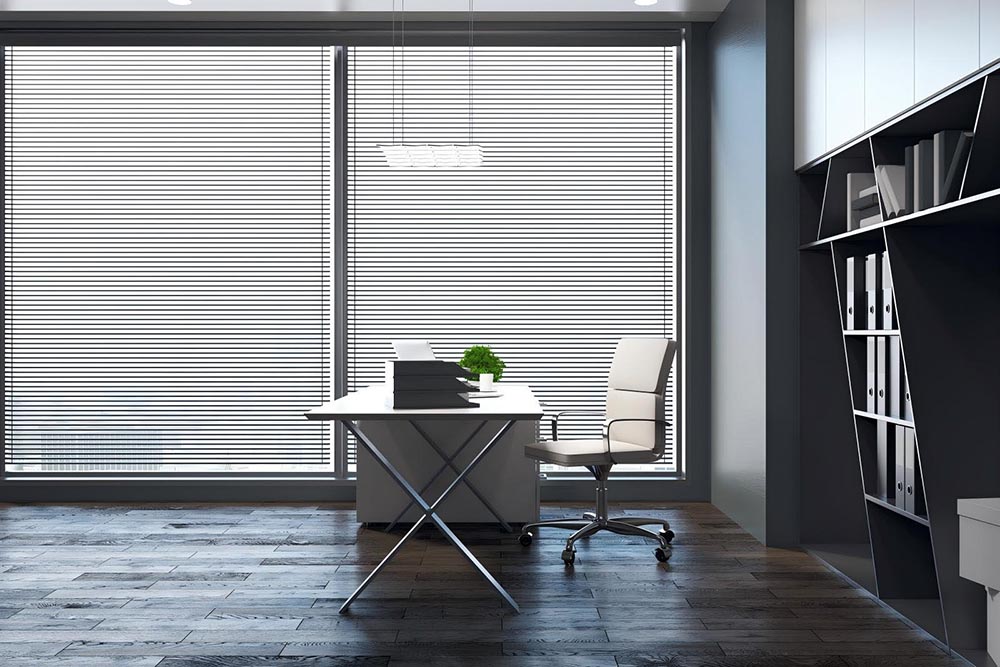
Tips for Long-Term Office Blind Usage
To maximize the service life and performance of your Office Venetian Blinds, establish a simple weekly maintenance routine. Wipe slats with a microfiber cloth or use a vacuum brush attachment to remove surface dust, preventing dust accumulation that affects indoor air quality. For aluminum and PVC blinds, occasional damp cleaning removes stubborn stains without damaging the surface. For faux wood styles, avoid excessive water exposure and use dry cleaning methods to preserve texture integrity.
Ultimately, the best office Venetian blinds are not the most expensive ones, but the most suitable ones for your workspace layout, lighting conditions, and functional needs. Aluminum slats for high-traffic general areas, faux wood for formal premium zones, and reasonable slat size matching eliminate daily workspace annoyances, boost employee comfort, and upgrade your office’s overall professional atmosphere effortlessly.
Post time: May-21-2026