If you’ve been scrolling through modern home decor inspiration lately, you’ve likely come across a common question: are vertical blinds really outdated for residential spaces? For a long time, vertical blinds have been heavily associated with generic office interiors, old rental homes, and dated late-century design styles. Because of this association, many homeowners automatically write them off as too plain, overly corporate, or unfit for stylish modern living spaces. But this assumption doesn’t hold up against today’s upgraded designs. Modern vertical blinds have undergone significant upgrades in materials, surface finishes, and customizability, blending solid practicality with contemporary aesthetics.
Why People Think Vertical Blinds Feel Outdated
Most of the negative feedback around vertical blinds doesn’t come from flaws in the modern design, but from outdated older versions. Traditional vertical blinds featured flimsy, thin plastic slats, a very limited range of neutral shades, and bulky track systems that were prone to sticking, rattling, and premature wear. These basic, low-cost models were mass-produced purely for commercial buildings and budget rental properties, cementing a widespread stereotype that vertical blinds look cheap and serve no purpose beyond basic function.
These old-school designs came with a host of noticeable drawbacks that further ruined their reputation. They trapped dust and pet hair easily, offered imprecise, clunky light adjustment, and provided barely any thermal insulation. It’s no wonder many homeowners favor soft curtains, sleek roller shades, and elegant plantation shutters as more upscale alternatives. That said, today’s upgraded vertical blinds fix almost every single one of these historic issues, while preserving the core functional perks that make vertical blinds uniquely useful for home interiors.
Key Benefits of Modern Vertical Blinds for Contemporary Interiors
The main reason vertical blinds continue to hold a place in modern home decoration is their rare balance of timeless practicality and refreshed modern aesthetics. Unlike fleeting decor trends that feel outdated within a few years, quality vertical blinds deliver long-lasting value that aligns perfectly with today’s home design priorities: clean simplicity, everyday functionality, and versatile styling that adapts to changing decor.
First, vertical blinds excel at covering large windows and sliding glass doors, which are standard in new modern home builds. Horizontal blinds often look cramped on wide panes and can disrupt clean sightlines, but vertical slats follow the natural vertical flow of tall windows. They stack neatly to the side when fully open, preserving maximum natural light and unobstructed outdoor views—an essential feature for bright, minimalist interior styles.
Light and privacy control is another major advantage. Each slat rotates independently, letting you adjust sunlight from full brightness to complete coverage without fully closing the blinds. This precision is ideal for living rooms, home offices, and bedrooms, where homeowners want flexible lighting throughout the day. Compared to thick curtains that block all light or sheer shades that compromise privacy, vertical blinds strike a balanced, customizable middle ground.
Modern manufacturing upgrades have fully resolved these old quality pain points. New-generation vertical blinds adopt sturdy polyester fabrics, textured matte materials, realistic faux wood, and premium matte aluminum finishes that feel warm and residential, completely ditching the cold, commercial look of old plastic versions. Upgraded silent track systems eliminate annoying rattling and jamming, while anti-static, dust-resistant coatings make daily upkeep effortless—all you need is a quick wipe with a damp cloth or a pass with a lint roller. For busy families, pet owners, and anyone who prefers low-fuss home decor, this easy-maintenance design is far more livable than high-upkeep fabric curtains.
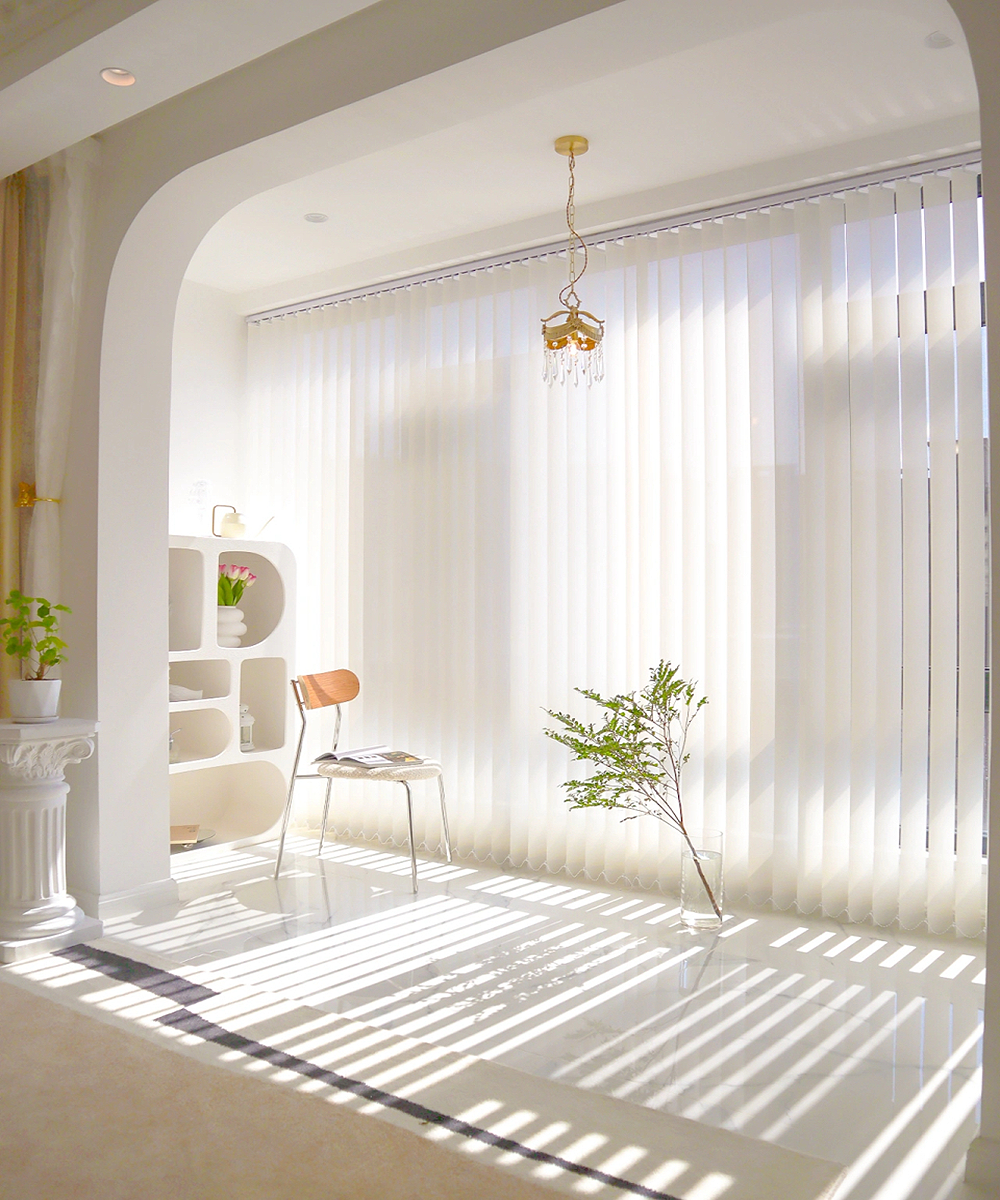
Popular Modern Home Styles That Work Perfectly With Vertical Blinds
A widespread decorating myth is that vertical blinds only suit sterile, corporate-style spaces. In truth, their slim, streamlined silhouette works with nearly all trending modern interior styles, as long as you pick the right materials and color tones to match your space.
For minimalist modern homes, neutral-toned fabric vertical blinds in white, cream, light gray, or warm beige create a seamless, clutter-free look. Their clean vertical lines enhance the uncluttered, airy vibe of minimalism without adding busy patterns or heavy textures.
Scandinavian and Nordic contemporary designs also pair beautifully with modern vertical blinds. Light-filtering slats preserve the bright, open atmosphere central to Nordic decor while softening harsh midday sunlight. Faint textured finishes add subtle warmth that balances sleek modern furniture and light wood flooring.
For industrial and modern farmhouse homes, matte black, deep gray, and natural faux wood vertical blinds are an ideal match. Their sharp vertical lines complement the raw, geometric charm of industrial decor, while wood-textured slats bring gentle rustic warmth to balance out modern farmhouse’s casual, cozy vibe. Unlike delicate sheer curtains that snag or stain easily, vertical blinds stand up well to high-traffic living areas, entryways, and family rooms.
Vertical Blinds vs. Other Modern Window Treatments
To truly gauge whether vertical blinds fit modern home decor, it’s helpful to compare them side by side with today’s most popular window treatments. Fabric curtains add softness and warmth to a room, but bulky curtain styles can make small spaces feel cramped, trap dust and allergens, and require regular deep cleaning. Roller shades offer a sleek, minimal look, but they lack flexible lighting control—you’re limited to fully open or fully closed, with no middle ground for tailored brightness.
Plantation shutters deliver a high-end, luxurious finish, but they come with a steep price premium and always partially block outdoor views, even when fully adjusted. Modern vertical blinds offer the same clean, polished, tailored aesthetic at a far more budget-friendly cost, with superior flexibility for wide windows and sliding patio doors. For homeowners who want stylish decor without sacrificing practicality or overspending, vertical blinds fill a unique niche that no other window covering can fully replicate.
Expert Tips to Style Vertical Blinds and Avoid an Outdated Look
The easiest way to ensure your vertical blinds feel modern and intentional is to focus on three key details: material quality, color coordination, and installation style. Steer clear of cheap, shiny plastic slats that instantly evoke outdated office decor. Instead, opt for textured fabric, soft matte finishes, or subtle wood-grain slats that add depth, warmth, and a custom residential feel to any room.
Stick with solid, muted color palettes that blend seamlessly with your wall color, flooring, and existing furniture for a cohesive, curated look. Busy patterns and bold neon shades fall out of style quickly, while neutral tones remain timeless through seasonal decor updates and furniture swaps. For a premium, high-ceiling effect, choose ceiling-mounted tracks instead of wall-mounted ones—this simple tweak creates a smoother, taller visual line that elevates the entire room’s aesthetic.
If you love the functionality of vertical blinds but want a softer, more inviting look for bedrooms or formal living areas, you can easily layer them with lightweight sheer curtains. This simple combination adds visual depth and gentle warmth to the space, while keeping the precise light control and privacy benefits of vertical slats, creating a fully personalized modern window treatment that balances style and function.
Frequently Asked Questions
Q: Are vertical blinds still in style for 2026 modern home decor?
A: Absolutely. While old plastic office-style vertical blinds are undeniably outdated, upgraded modern versions are still a stylish, functional choice for 2026 home design. Premium fabric, matte, and wood-textured vertical blinds adapt flawlessly to popular styles including minimalism, Scandinavian decor, industrial design, and contemporary residential interiors.
Q: Do vertical blinds look cheap in living rooms?
A: They only look low-end if you opt for flimsy plastic slats or poorly matched colors. High-quality textured fabric and matte-finish vertical blinds create a built-in, polished appearance that feels deliberate and upscale, making them perfectly suitable for stylish living room layouts.
Q: What window treatments are better than vertical blinds?
A: Plantation shutters and layered curtain sets offer a more luxurious aesthetic for formal rooms and high-end decor styles. Even so, vertical blinds outperform most competing window coverings for large windows, sliding patio doors, busy household spaces, and homeowners who prioritize flexible light control and effortless ongoing maintenance.
Q: How do I update old vertical blinds without replacing them?
A: You can refresh worn vertical blinds affordably with a thorough deep clean, swap out faded or broken slats for new neutral fabric replacements, or upgrade the visible track cover for a cleaner, more modern finish. These small, simple tweaks instantly eliminate outdated visuals and breathe new life into your existing window coverings.
Post time: Jul-27-2026