If you’ve been shopping for budget-friendly window coverings for your home, rental property, or commercial space, you’ve probably stumbled across tons of mixed reviews about PVC Venetian Blinds. A lot of online chatter writes them off entirely, claiming they’re toxic for household use and wear out incredibly fast. This leaves many homeowners hesitant to choose them, forcing them to splurge on far more expensive blind options for no real reason. But how much truth is there to these widespread claims, and how many are just outdated, overblown misconceptions?
Horizontal venetian blinds made from PVC have always been a go-to window treatment for modern interiors, thanks to their unbeatable cost performance and versatile styling. Even so, lingering doubts over safety and durability still confuse everyday shoppers. In this no-nonsense guide, we’re clearing up the two biggest myths surrounding these blinds. We’ll walk through their real-world pros and cons, share practical buying and maintenance advice, and compare them with popular custom venetian blinds alternatives. By the end, you’ll have all the facts to shop confidently and avoid misleading online rumors.
The Two Most Common Misconceptions About PVC Venetian Blinds
Here’s the honest truth: nearly all negative experiences with PVC venetian blinds come from cheap, uncertified products from sketchy manufacturers, not the PVC material itself. Over time, these isolated low-quality issues have been misrepresented as inherent flaws of all PVC blinds. As a result, many people avoid this practical, affordable window option entirely, worried about health risks and frequent replacements, and end up missing out on one of the most functional home decor solutions for everyday use.
• Myth 1: PVC Venetian Blinds Are Toxic and Unsafe for Indoor Use
This is by far the most common myth surrounding venetian window blinds crafted from PVC. Most homeowners assume every PVC blind releases harmful toxins, formaldehyde, or VOCs, creating health hazards for kids, pets, and anyone spending long hours indoors. This belief stems from low-quality PVC blinds manufactured decades ago. Those early products relied on impure raw materials and substandard additives, which did emit small amounts of harmful substances when exposed to heat or direct sunlight.
Thankfully, modern PVC blind manufacturing has come a long way. Reputable brands follow strict global environmental and safety standards, using purified, food-safe PVC materials and non-toxic stabilizers. High-quality certified blinds release zero formaldehyde or harmful VOCs, staying completely safe at room temperature and even in direct sunlight. They’re perfectly fine for bedrooms, kids’ nurseries, and living areas where people spend hours every day. Any toxic concerns or strong odors only come from no-name, untested cheap batches—this is a cutting-corner quality issue, not an inherent flaw of genuine Venetian window blinds.
• Myth 2: PVC Venetian Blinds Have a Very Short Service Lifespan
Another persistent myth is that all PVC venetian blinds are flimsy and short-lived, needing replacement every couple of years due to fading, warping, or cracking. Again, this bad reputation almost always comes from ultra-cheap, mass-produced bargain blinds. These low-end versions use overly thin slats, weak surface coatings, and unstable material blends that break down quickly under sunlight and fluctuating temperatures.
In reality, properly made, branded PVC venetian blinds are surprisingly durable. With basic routine care and standard indoor use, they easily last 5 to 8 years—matching the lifespan of many mid-range aluminum and wooden blind options. They also outperform wooden blinds in moisture-heavy spaces, thanks to their waterproof, rust-proof, and corrosion-resistant build. Kitchens, bathrooms, and coastal homes with humid air won’t cause mildew, rotting, or deformation. Short lifespans are exclusive to shoddy uncertified products, not quality PVC blinds.
Real Pros and Cons of Qualified PVC Venetian Blinds
To help you shop with total confidence, let’s break down the real pros and cons of certified PVC venetian blinds. No overhyped marketing, no unfair bashing—just a realistic look at how these blinds perform in everyday residential and commercial settings, so you can decide if they’re the right fit for your space.
• Key Advantages
First and foremost, PVC venetian blinds offer incredible value for money. They’re far more affordable than aluminum or wood custom venetian blinds, making them ideal for rental upgrades, office fit-outs, and budget-friendly home renovations. Second, their water-resistant build makes them immune to moisture damage. Unlike wooden blinds that warp and mold in humid rooms, PVC blinds stay intact in kitchens, bathrooms, and damp coastal environments. Third, they’re incredibly low-effort to maintain. Their smooth, non-stick surface repels dust and stains, and a quick wipe with a damp cloth is all it takes to keep them clean.
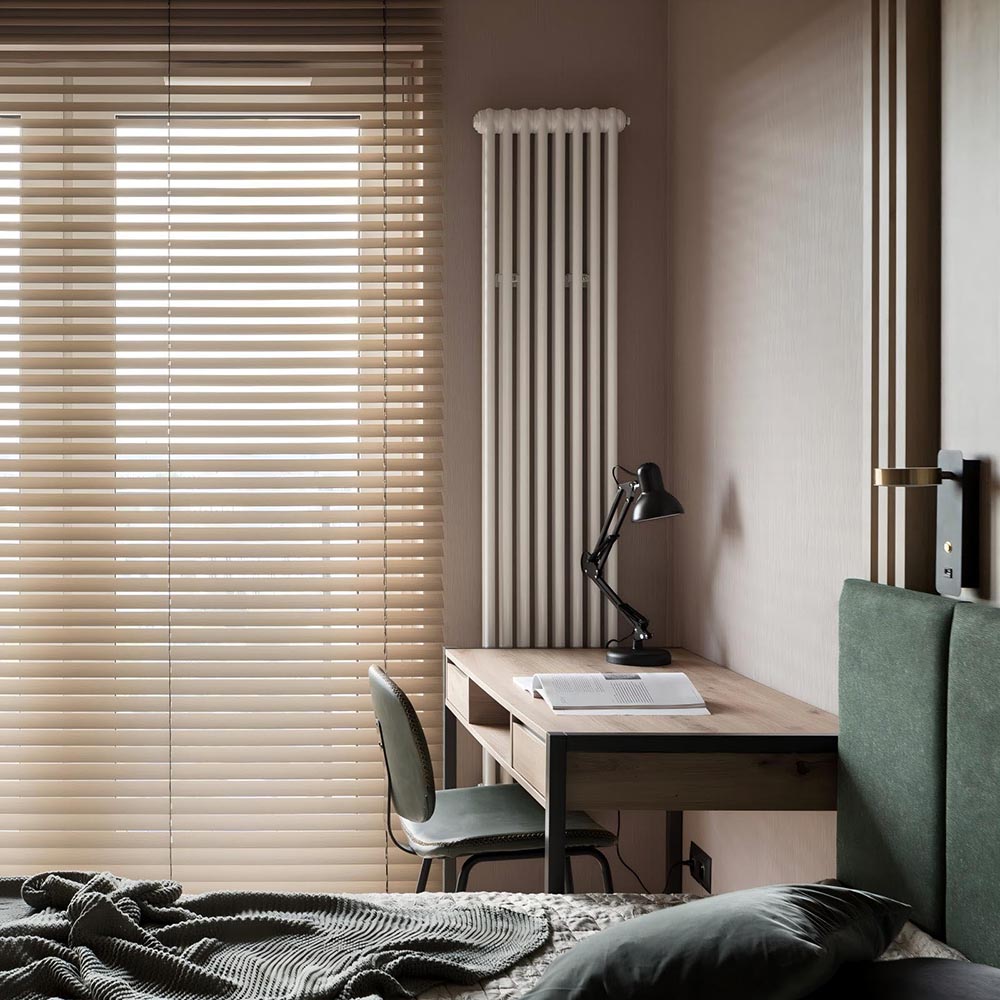
Style versatility is another major plus. Modern PVC blinds come in dozens of matte, frosted, and glossy finishes, easily blending with minimalist, contemporary, and light luxury home aesthetics. Just like other popular horizontal venetian blinds, they let you adjust slat angles freely to fine-tune natural light and privacy, covering all your daily shading and visibility needs.
• Honest Limitations
That said, PVC blinds aren’t perfect, and it’s important to know their limits. For starters, they don’t handle extreme prolonged heat as well as metal alternatives. Years of intense, direct summer sunlight can cause minor fading on mid-tier PVC slats, though premium UV-coated versions slow this down significantly. They also lack the high-end, natural texture of solid wood or sleek aluminum blinds, so they’re less ideal for luxury-focused interior designs. Lastly, ultra-thin slat models can bend if handled roughly, requiring gentle adjustment during daily use.
Practical Tips to Buy and Use PVC Venetian Blinds Correctly
Avoiding safety issues and early wear all comes down to smart shopping and simple consistent care. These easy, actionable tips will help you get the most out of your PVC venetian blinds and steer clear of common buyer pitfalls.
When shopping, always prioritize blinds with official environmental safety certifications. Steer clear of no-name ultra-cheap options with no quality verification—these are the source of almost all toxic and durability complaints. If you have young children, pets, or pregnant family members at home, opt for high-density, UV-resistant eco-friendly PVC formulas for an extra layer of safety and outdoor weather protection. For windows exposed to constant direct sun, pick thickened slat designs to resist fading and warping over time.
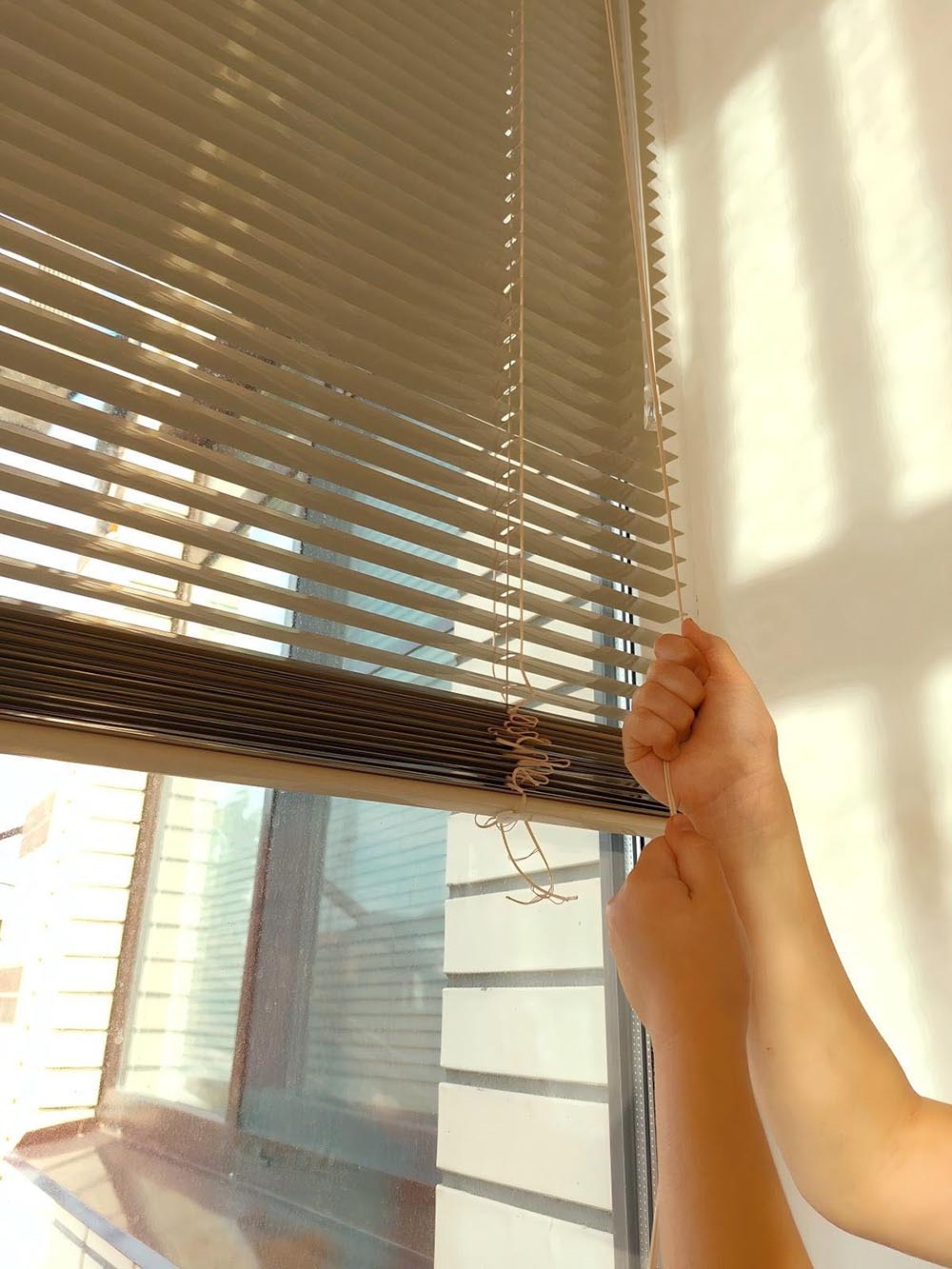
For daily upkeep, keep blinds away from constant direct heat sources like heaters and hot air vents. Do light regular cleaning to stop dust and grime from building up on the surface coating. If you won’t adjust your blinds for an extended period, close the slats flat to prevent long-term bending. Stick to these tiny habits, and your quality PVC blinds will stay looking fresh and performing reliably for years on end.
Frequently Asked Questions
Q1: Are PVC venetian blinds safe to install in bedrooms and nurseries?
A: Absolutely yes. Certified, high-quality PVC venetian blinds are completely safe for bedrooms, nurseries, and any lived-in indoor space. Reputable eco-friendly PVC formulas contain zero formaldehyde or toxic volatile compounds and emit no harmful gases at room temperature. Safety risks only exist with untested, inferior counterfeit products. As long as you choose branded, certified blinds, you can install them in family spaces with total peace of mind.
Q2: How long can qualified PVC venetian blinds actually last indoors?
A: With regular indoor use and basic maintenance, standard certified PVC venetian blinds last 5 to 8 years on average. Windows that stay out of harsh direct sunlight can even perform well for over 8 years. Only uncoated, low-grade blinds exposed to relentless UV rays and extreme humidity will show obvious aging, fading, and wear within a short timeframe.
Q3: Which is better, PVC venetian blinds or aluminum venetian blinds?
A: It all depends on your budget and space needs. PVC venetian blinds offer unbeatable value, superior moisture resistance, and more color choices, making them perfect for everyday homes, rental properties, and damp rooms. Aluminum venetian blinds deliver better heat resistance and a more premium finish, suiting high-end interiors and sun-bathed windows. For standard family use, quality PVC blinds are the more practical, cost-efficient choice with zero compromise on core functionality.
Q4: Why do some people say PVC blinds smell bad?
A: Unpleasant plastic smells only come from newly manufactured low-grade blinds with impure raw materials and poor formula mixing. All certified finished PVC blinds go through professional deodorization processing and have no harsh odor. If your new reputable blinds have a very faint temporary plastic scent, simply ventilate the room for 1 to 3 days, and the smell will disappear completely with no lingering safety risks.
At the end of the day, almost all negative stereotypes around PVC venetian blinds stem from bad experiences with cheap, uncertified products, not flaws in genuine, modern PVC blind technology. Today’s upgraded formulas and standardized manufacturing have fixed every safety and durability issue that plagued outdated vintage designs. For everyday homeowners chasing solid performance, low maintenance, and reasonable pricing, PVC venetian blinds remain one of the most practical window treatment options across all venetian window blinds styles. By choosing certified products and sticking to simple routine care, you’ll get safe, stable, and long-lasting window coverage without overpaying for unnecessary high-end upgrades.
Post time: Jun-09-2026