PVC Venetian Blinds are one of the most popular window treatments for modern homes, rentals, kitchens, and bathrooms. They are affordable, water-resistant, low-maintenance, and versatile enough to fit almost any interior style. Even so, most homeowners share one major concern: Are PVC Venetian Blinds toxic for long-term home use?
Rumors about formaldehyde leakage, harmful VOC emissions, and toxic plastic fumes have left many people hesitant to install these budget-friendly blinds, especially in homes with young kids, pregnant women, or pets. When shopping for reliable modern Venetian blinds, safety always comes before price and appearance. We break down the real truth about PVC blinds, debunk common myths, explain when safety risks may occur, and share practical tips to help you choose and use PVC blinds safely in your living space.
Do PVC Venetian Blinds Contain Formaldehyde? The Real Facts
Let’s start with the most asked question: do standard PVC Venetian Blinds contain formaldehyde? The straightforward answer is no — high-quality pure PVC material is naturally formaldehyde-free.
Unlike wooden composite blinds or fabric curtains that rely heavily on formaldehyde-based glues and bonding agents during manufacturing, PVC is a synthetic polymer formed through a direct polymerization process. No formaldehyde additives are required. This means premium vinyl Venetian blinds made with new, pure raw materials will never release formaldehyde under normal household conditions.
If formaldehyde issues occur with PVC blinds, the problem never lies with the PVC material itself. It always comes from low-grade, cheaply made products from unregulated manufacturers. These budget cutters use recycled plastic scraps, low-quality adhesives, and cheap surface coatings that contain trace formaldehyde. Over time, these chemicals slowly release indoors and cause air quality issues.
For regular household use, certified PVC blinds remain completely safe. They pose zero formaldehyde risks even in closed rooms, making them a healthier alternative to low-end wooden and fabric window coverings that depend on chemical-heavy bonding materials.
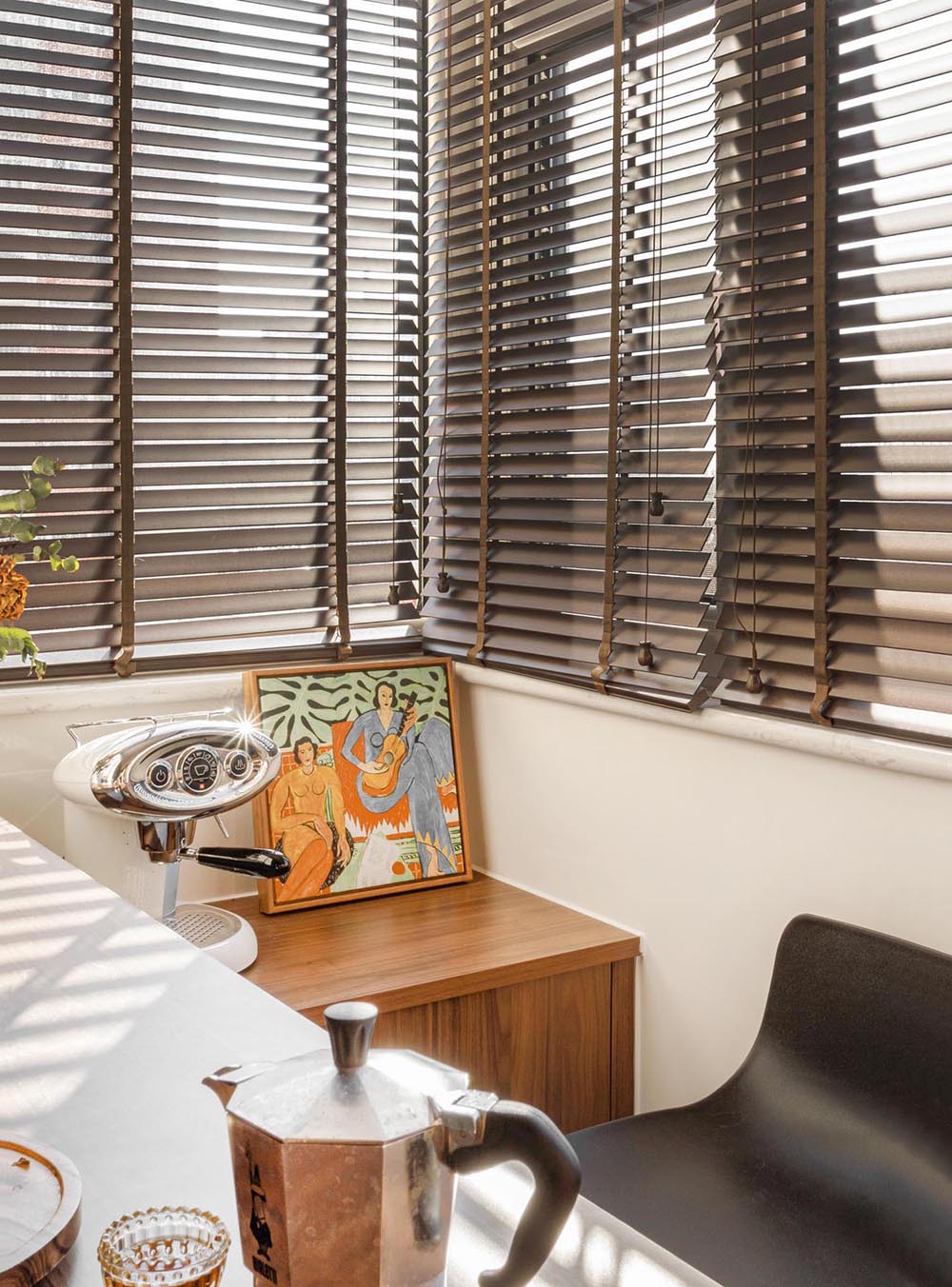
VOC Emission Risks of PVC Venetian Blinds (Room Temperature vs. High Heat)
While formaldehyde is not a concern for quality PVC blinds, VOC emissions are the only legitimate safety factor homeowners need to understand. VOCs (Volatile Organic Compounds) are trace chemical vapors released from plasticizers, surface coatings, and manufacturing residues found in synthetic window coverings.
At normal room temperatures between 20°C and 25°C, certified PVC Venetian Blinds have extremely minimal VOC output that meets international indoor air safety standards. The faint plastic smell you notice on newly installed blinds is simply harmless residual vapor. With consistent ventilation for one to two weeks, the odor fades completely with no lingering health effects.
The only scenario that creates potential risks is prolonged high heat and direct sunlight exposure. When PVC blinds sit in intense summer sun or inside overheated closed rooms, rising temperatures speed up the volatilization of internal additives. For low-quality recycled PVC blinds, this can release mild irritant vapors that cause dry eyes, sore throats, or slight dizziness for sensitive individuals. Long-term exposure to these uncertified products may gradually affect respiratory comfort.
Thankfully, reputable brands solve this issue with UV-stabilized and heat-resistant formulas. Premium heat-treated PVC blinds greatly reduce high-temperature VOC release, offering safety levels comparable to durable custom Venetian blinds made from aluminum or high-grade faux wood.
Common PVC Blind Safety Myths Debunked
A lot of misinformation circulates online regarding PVC blind toxicity, creating unnecessary worry for everyday homeowners. Below, we clear up the three most widespread myths with factual, real-world explanations.
• Myth 1: All PVC Venetian Blinds are toxic and unsafe for homes.
This statement is entirely false. Toxicity depends entirely on manufacturing quality, not the PVC material itself. Certified new-material PVC blinds use formaldehyde-free glue and low-VOC coatings, making them perfectly safe for long-term indoor use. Only uncertified recycled products carry potential hazards.
• Myth 2: PVC blinds release toxins nonstop for several years.
VOC vapors from new PVC blinds only appear in the initial weeks after installation. Once fully ventilated, qualified blinds produce no new volatile emissions. Material aging does not generate formaldehyde or additional toxic chemicals, so they remain safe throughout their service life.
• Myth 3: Sun exposure turns PVC blinds dangerously toxic.
Sunlight does amplify VOC volatilization slightly, but quality UV-stabilized blinds have such low baseline VOC levels that emissions never exceed safe limits. Only ultra-thin, no-brand cheap blinds pose risks under direct sun.
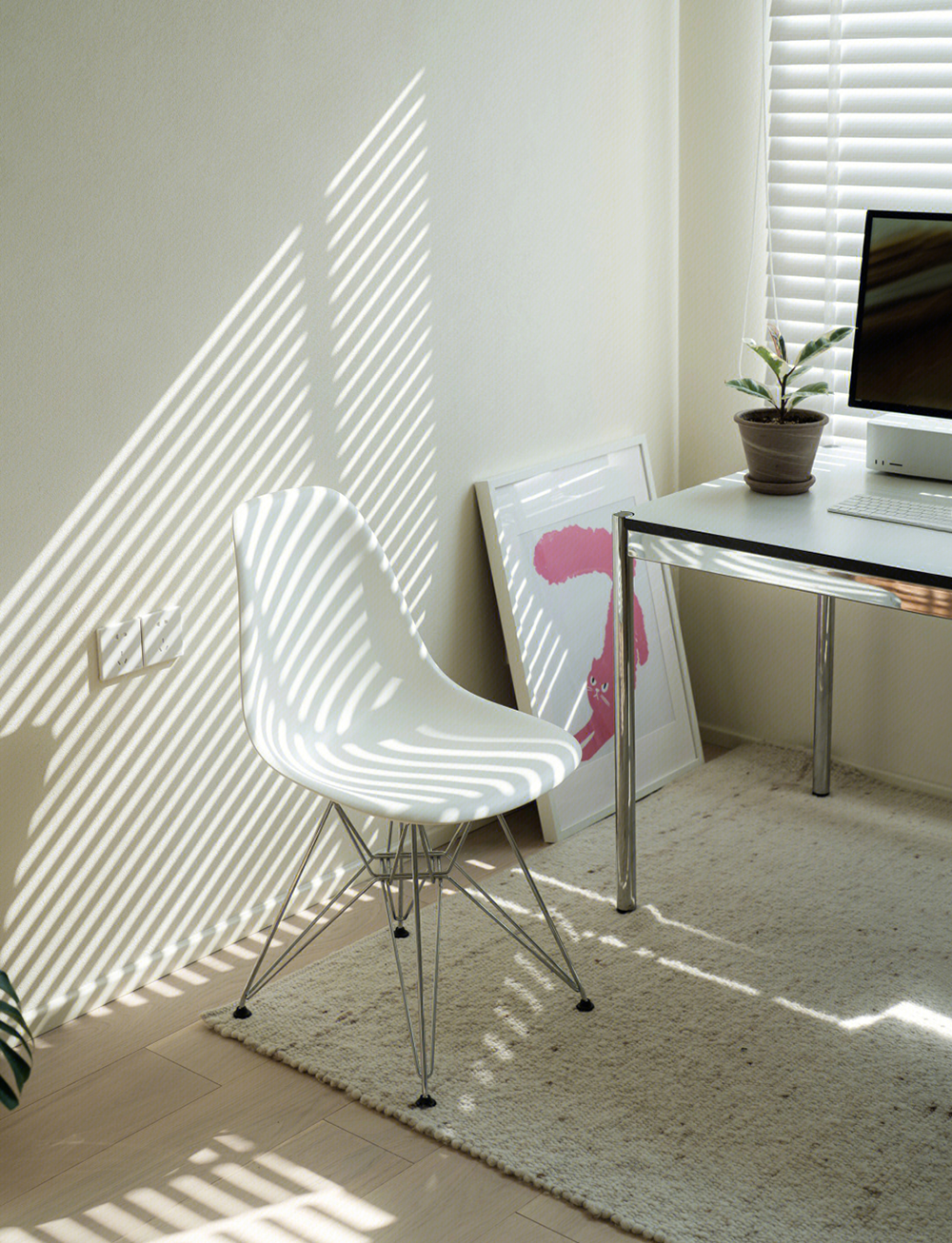
How to Identify Safe PVC Venetian Blinds
You do not need to avoid PVC blinds entirely to keep your home safe. With a few simple shopping rules, you can easily pick non-toxic, family-friendly options that eliminate almost all safety risks.
• Check official environmental certifications
Always prioritize blinds with trusted third-party certifications like GREENGUARD low-VOC accreditation and formaldehyde-free test reports. These certifications guarantee the product meets strict indoor air quality standards suitable for bedrooms, nurseries, and living rooms.
• Avoid ultra-cheap recycled plastic blinds
High-quality PVC blinds feature uniform coloring, smooth slats, and no harsh chemical odor out of the box. Low-grade recycled blinds look dull, feel uneven, and emit a strong plastic smell—clear red flags for poor chemical safety.
• Choose UV-stabilized heat-resistant models for sunny windows
If your windows face direct sunlight all day, invest in upgraded heat-resistant PVC blinds. These models lock in internal additives and prevent excessive VOC release during high-temperature conditions.
Easy Daily Tips to Eliminate Minor Safety Risks
Even with premium safe blinds, simple daily habits can further improve indoor air quality and eliminate residual concerns.
First, ventilate thoroughly after new installation. Keeping windows open for one to two weeks after installation allows residual harmless vapors to dissipate completely, removing the new plastic smell quickly.
Second, avoid closed overheated rooms in summer. On hot, sunny days, open windows periodically or hang sheer curtains to block intense direct sunlight. This lowers blind surface temperatures and minimizes minor VOC volatilization.
Third, maintain regular cleaning. Wiping slats weekly with a soft damp cloth removes dust buildup, preserves material stability, and prevents stale odors caused by accumulated dirt.
Frequently Asked Safety Questions About PVC Venetian Blinds
Q1: Do certified PVC Venetian Blinds release formaldehyde?
A: No. Pure PVC raw materials contain zero formaldehyde, and certified products use only formaldehyde-free adhesives and coatings. They produce no formaldehyde emissions during use and comply with global residential safety standards.
Q2: Is the new plastic smell from PVC blinds toxic?
A: The mild fresh plastic scent of new quality blinds is non-toxic and dissipates quickly with ventilation. Only sharp, pungent odors signal excessive harmful VOCs from inferior products, which should be replaced immediately.
Q3: Are PVC Venetian Blinds safe for babies and pregnant households?
A: Yes, fully certified low-VOC, formaldehyde-free PVC blinds are safe for sensitive groups. Simply ventilate well after installation and avoid uncertified low-cost products to guarantee clean indoor air quality.
Q4: Can I install PVC Venetian Blinds in sunny bedrooms?
A: Absolutely, as long as you select UV-stabilized high-quality versions. Standard unprotected PVC may have slight VOC reactions under heat, but upgraded sun-resistant models remain stable and safe for long-term bedroom use.
Overall, PVC Venetian Blinds are not inherently toxic window coverings. Every potential safety issue stems from low-grade materials and unregulated manufacturing, not the PVC formula itself. When you choose certified, new-material PVC blinds and follow basic ventilation and maintenance habits, you gain a safe, durable, and budget-friendly window solution ideal for every room in your home. Balancing smart purchasing with simple upkeep lets you enjoy all the benefits of PVC Venetian Blinds with zero health-related worries.
Post time: Jun-01-2026