When shopping for window coverings, one of the most common debates among homeowners is whether faux wood blinds are inferior to real wood blinds. For decades, many consumers have assumed that genuine wood is always the superior choice, associating synthetic alternatives with lower quality, cheap materials, and an artificial look. This misconception often leads people to overspend on real wood blinds for high-traffic, high-moisture rooms, only to face warping, fading, and costly replacements down the line.
If you’re currently researching window treatments for your home, you’ve likely asked yourself: Are faux wood blinds worth buying? Which is better for bedrooms, bathrooms, and living rooms? Do faux wood blinds look cheap compared to real wood? In this professional, hands-on comparison, we break down the real differences between faux wood blinds and real wood blinds by analyzing durability, maintenance, moisture resistance, cost, and real-world usability. We’ll also share practical, actionable tips to help you choose the perfect window blinds for your space, no matter your budget or home style.
Before diving in, it’s important to note that both faux wood and real wood blinds have unique advantages. The goal of this guide is to help you make an informed decision based on your specific needs, not just outdated design stereotypes.
What Are Faux Wood Blinds? Key Features & Benefits
Faux wood blinds are durable window coverings crafted from high-quality synthetic materials, primarily PVC and composite wood blends. Designed to replicate the natural texture and grain of real wood, they offer a cost-effective alternative that doesn’t compromise on style. Unlike traditional wood blinds, faux wood options are engineered for everyday household use, making them ideal for busy families, pet owners, and anyone seeking low-maintenance window treatments.
One of the biggest advantages of faux wood blinds is their exceptional durability. These blinds resist scratches, dents, and fading far better than real wood, standing up to kids, pets, and daily wear and tear without showing signs of damage. Their sturdy composite construction also prevents bending and warping, even in rooms with fluctuating temperatures and humidity levels.
Another standout feature of faux wood blinds is their water-resistant properties. Unlike real wood, which absorbs moisture and develops mold, mildew, and rot in humid environments, faux wood blinds repel water perfectly. This makes them the top choice for bathrooms, kitchens, laundry rooms, and sunrooms—spaces where traditional wood blinds quickly deteriorate.
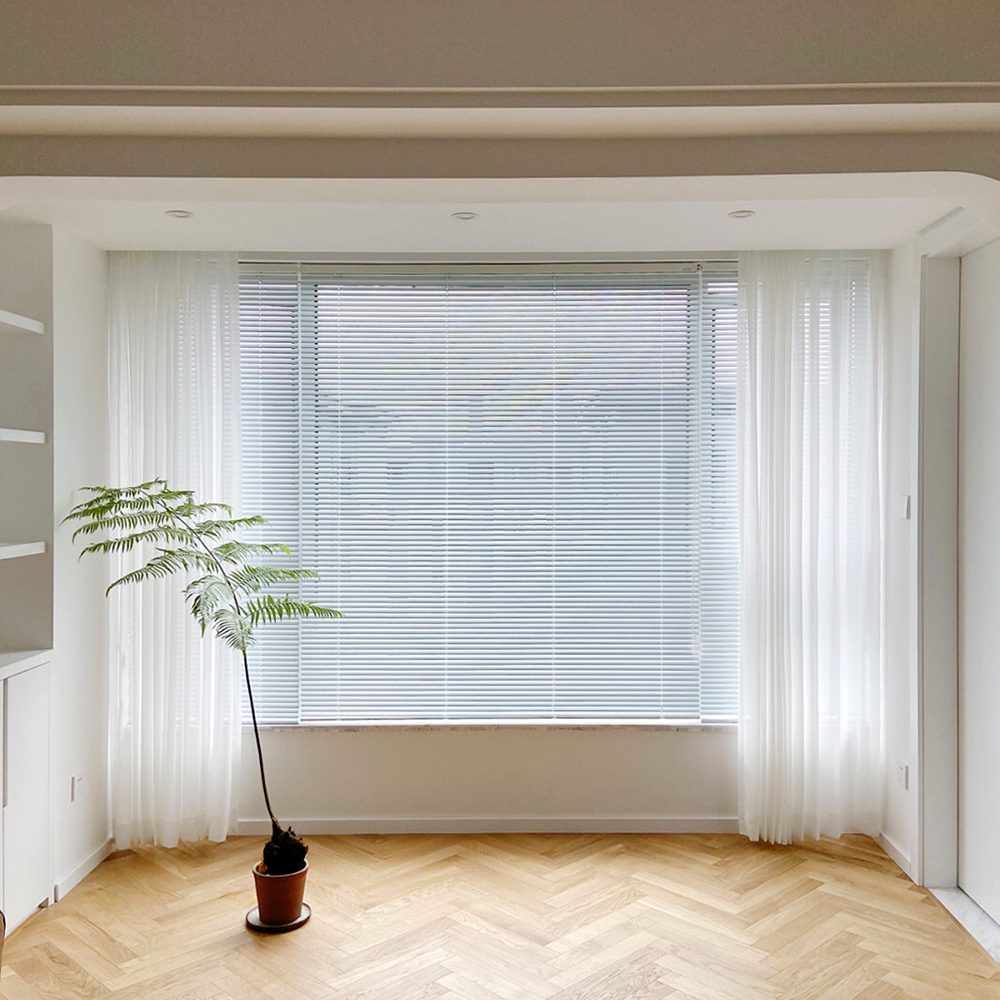
Real Wood Blinds vs Faux Wood Blinds: Side-by-Side Practical Comparison
To settle the age-old debate, we’ve broken down the key differences between faux wood and real wood blinds based on real homeowner experiences and professional industry standards. Every category focuses on practical usability, so you can pick the best option for your home.
1. Durability & Longevity
Faux wood blinds outshine real wood in high-traffic areas. Made from moisture-proof composite materials, they resist cracking, warping, and splitting, even with frequent adjustment. Real wood blinds, while sturdy, are porous and sensitive to environmental changes. Direct sunlight, humidity, and everyday touching can cause wood to fade, warp, and crack over time, requiring regular repairs and replacements.
For homeowners with kids and pets, faux wood blinds are the most practical choice. They can withstand rough handling, spills, and minor impacts without permanent damage. Real wood blinds, however, require careful handling to maintain their integrity, making them a poor fit for busy households.
2. Maintenance & Cleaning
Low maintenance is one of the top reasons homeowners choose faux wood blinds. These window treatments only require simple weekly cleaning with a damp cloth or duster to remove dust and dirt. They do not stain easily and can be wiped clean with mild soap and water without damaging the surface or finish.
Real wood blinds demand more careful maintenance. Wood is porous, meaning dust and allergens settle deep in the grain. Harsh cleaners and water can damage the finish, causing discoloration and warping. To keep real wood blinds looking fresh, you need to dust them regularly and use specialized wood cleaners, adding extra time to your cleaning routine.
3. Moisture & Humidity Resistance
This is where faux wood blinds truly excel. As a non-porous material, they resist moisture buildup, making them perfect for bathrooms, kitchens, and basements. They won’t develop mold or mildew, even in consistently humid environments. Whether you’re dealing with shower steam or cooking fumes, faux wood blinds stay in perfect condition year-round.
Real wood blinds are highly susceptible to moisture damage. Even small amounts of humidity can cause wood to absorb water, leading to warping, swelling, and mold growth. If you install real wood blinds in humid rooms, you’ll likely notice damage within a few months. For this reason, professional window installers never recommend real wood for high-moisture areas.
4. Style & Aesthetics
Modern faux wood blinds are designed to mimic natural wood textures incredibly well. Today’s high-quality faux wood options feature realistic grain patterns, subtle color variations, and matte finishes that are nearly indistinguishable from real wood. They come in a wide range of stains and colors, including oak, maple, cherry, and white finishes, allowing you to match any home decor style from modern farmhouse to contemporary minimalism.
While real wood blinds offer a unique natural warmth, many homeowners struggle to tell the difference between faux and real wood in person. Faux wood blinds also maintain their color longer, resisting UV rays and preventing fading better than natural wood. If you want a polished wood look without the upkeep, faux wood is the perfect solution.
5. Cost & Value
Faux wood blinds are significantly more budget-friendly than real wood blinds, with no compromise on quality for most residential spaces. On average, faux wood blinds cost 30-50% less than genuine wood blinds, making them an excellent choice for whole-house window treatments. The savings add up quickly, especially if you have multiple windows to cover.
While real wood blinds are a premium investment, they don’t always add extra value to your home. In fact, many home buyers prefer low-maintenance faux wood blinds because they know they won’t have to replace them right away. For most homeowners, faux wood blinds offer better long-term value and durability.
Practical Tips for Choosing Between Faux Wood & Real Wood Blinds
To help you make the right choice, here are actionable tips from professional window treatment experts:
• Choose Faux Wood Blinds If:
Your home has kids or pets. Faux wood blinds are scratch-resistant and durable enough for daily household activity. You won’t have to worry about minor damage ruining your window coverings.
You have bathrooms, kitchens, or basement windows. Faux wood blinds handle humidity perfectly and won’t warp or develop mold. They’re also easy to clean after cooking spills and shower moisture.
You want low-maintenance window treatments. Faux wood blinds require no special cleaning products or routine care, saving you time every week.
• Choose Real Wood Blinds If:
All your windows are in dry, low-traffic areas like formal living rooms or home offices.
You prefer natural materials and have the budget for premium upkeep and occasional repairs.
You want a completely organic aesthetic with natural wood variations and textures
Faux Wood Blinds FAQ
Are faux wood blinds better than real wood blinds for allergies?
Yes, faux wood blinds are better for allergy sufferers. Their smooth, non-porous surface doesn’t trap dust, pollen, or pet dander, making them easy to wipe clean. Real wood blinds have textured grain that collects allergens, worsening indoor air quality.
Do faux wood blinds look cheap?
No, modern high-quality faux wood blinds look identical to real wood. Advances in manufacturing have eliminated the plastic, fake appearance of older synthetic blinds. Today’s faux wood blinds feature realistic grain and matte finishes that blend seamlessly with natural wood furniture and decor.
Are faux wood blinds waterproof?
Yes, premium faux wood blinds are fully waterproof and moisture-resistant, making them ideal for bathrooms and kitchens. They resist water damage, steam, and splashes without warping or fading.
How long do faux wood blinds last?
With proper care, faux wood blinds can last 7-10 years or more, often outlasting real wood blinds in high-traffic areas. Their durable synthetic material resists UV damage, warping, and wear better than natural wood.
Are faux wood blinds easy to install?
Absolutely! Most faux wood blinds come with standard mounting hardware and simple step-by-step instructions. They’re lightweight compared to real wood, making DIY installation quick and easy for beginners.
Post time: Jul-22-2026