Most homeowners shopping for humidity-resistant window treatments encounter one persistent industry claim: all faux wood blinds are fully waterproof. This common marketing line has misled countless shoppers into installing these popular blinds in bathrooms, kitchens, and damp balconies, only to run into noticeable damage after just a few months of use. Peeling surface layers, bent and warped slats, and hidden mold development are frequently blamed on faulty manufacturing. In reality, these issues stem from a widespread consumer misunderstanding — not every faux wood blind is built to handle moisture reliably.
If you’re unsure which window coverings can hold up against steady humidity, daily steam, and occasional water splashes, this practical guide will resolve all your doubts. We’ll break down the hidden water intrusion flaws that plague composite faux wood blinds, outline the only genuinely waterproof blind materials for high-moisture spaces, and share real-world buying tips to help you make a cost-effective, long-lasting choice. Every piece of advice is tailored for regular homeowners, helping you avoid costly selection mistakes and premature blind replacement.
Why Composite Faux Wood Blinds Fail In Humid Environments
To figure out why standard faux wood blinds struggle in humid environments, it’s important to start with their basic construction. The majority of budget-friendly faux wood blinds sold today are composite products, made from a mixture of wood flour and PVC resin, pressed and bonded together with industrial glue. This composite build delivers affordable pricing, solid durability for dry rooms, and a convincing natural wood look — key reasons why these blinds remain a top choice for residential window decor.
The critical hidden defect lies in their bonded layered structure. Unlike solid integrated materials, composite faux wood has visible and microscopic gaps at bonding seams and edge seals. In dry indoor environments like bedrooms and living rooms, these gaps cause no issues. However, in moisture-heavy areas with frequent steam, condensation, and humidity, water molecules gradually penetrate these tiny crevices over time.
Slow, ongoing water intrusion gradually breaks down the internal adhesive, weakening the bond between layered composite materials. Over time, consistent moisture exposure leads to three typical, hard-to-fix issues: peeling along slat edges, permanent warping that disrupts normal blind operation, and hidden mold growth trapped inside internal gaps. Unlike accidental water spills that can be dried quickly, continuous bathroom steam or kitchen humidity creates cumulative damage. Most users start seeing visible deterioration six months to two years after installation, proving composite faux wood is only moisture-resistant, not fully waterproof.
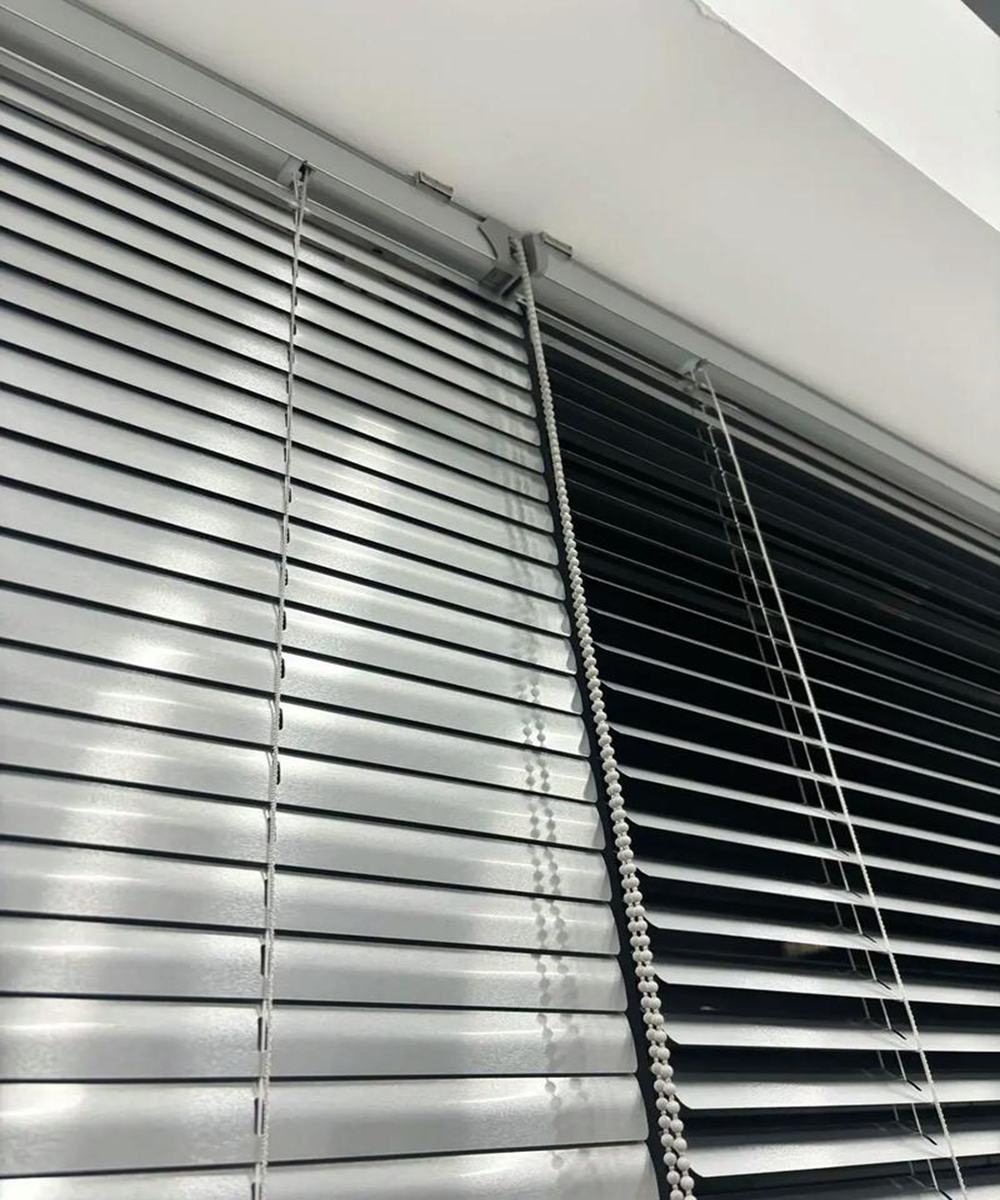
Two Truly Fully Waterproof Blind Materials For Humid Rooms
For spaces that deal with nonstop humidity, regular steam, and occasional water splashes, only two blind materials deliver true, long-term waterproof performance with zero hidden structural flaws. Trusted by professional window treatment installers, these two options stand out for bathrooms, laundry rooms, coastal residences, and busy kitchens where standard composite blinds quickly fail.
• Solid Pure Vinyl Blinds
Solid pure vinyl, also known as solid PVC, blinds feature a seamless one-piece molded structure with no internal glue layers or composite bonding. The uniform, solid material contains no tiny gaps for water or steam to seep into, offering complete resistance to high humidity, standing water, and daily bathroom steam. These blinds will never peel, warp, or develop mold under regular moist conditions. Best of all, they retain the warm, natural wood-like finish homeowners love, blending timeless aesthetics with reliable waterproof functionality for damp living spaces.
• Solid Aluminum Blinds
Solid aluminum is a completely non-porous, inorganic material with zero water absorption capability. Blinds crafted from solid aluminum withstand extreme humidity, persistent steam, and direct water splashes without any structural damage or performance loss. Beyond full waterproof protection, aluminum blinds feature excellent heat and fade resistance, holding their shape, color, and smooth operating function for years. They work exceptionally well for modern home interiors, commercial bathroom spaces, and high-heat kitchen environments where wood-based and composite materials degrade rapidly.
Key Buying Tips For Moisture Resistant Window Blinds
Picking durable moisture-resistant blinds ultimately comes down to matching material performance to your room’s environment. For dry interior spaces such as bedrooms, home offices, and formal living areas, traditional composite faux wood blinds are an excellent option. They deliver great value, realistic wood aesthetics, and dependable durability with no moisture-related risks, making them a practical everyday choice for dry residential rooms.
For any room with consistent humidity or regular water exposure, always prioritize solid pure vinyl or solid aluminum blinds. A common shopping pitfall is generic “PVC faux wood” labeling, as many retailers market layered composite PVC blends as full waterproof products to cut costs. Always verify product specifications before purchasing: only solid integral PVC guarantees full waterproof performance, while cheaper layered composite PVC only offers basic surface moisture resistance and will fail long-term in damp spaces.
Simple daily care and proper installation will also maximize the lifespan of your moisture-resistant blinds. Wiping down slats regularly to remove condensed water droplets and maintaining steady room ventilation prevents residual moisture buildup. These small routine steps keep your blinds in perfect condition, avoiding mold, discoloration, and premature wear in humid environments.
Common Waterproof Faux Wood Blind Questions
Q1: Why can’t composite faux wood blinds withstand long-term water immersion?
Composite faux wood blinds are built with multi-layer bonded construction, combining wood-PVC blends and industrial adhesive. Microscopic gaps exist at every bonding seam and edge seal. Over time, humid air and steam penetrate these tiny openings, slowly corroding the internal glue and breaking down layer adhesion. This gradual hidden damage leads to edge peeling, permanent slat warping, and internal mold growth, making composite faux wood unsuitable for long-term use in wet or highly humid conditions.
Q2: What two blind types are truly fully waterproof?
Solid pure vinyl (solid PVC) blinds and solid aluminum blinds are the only two fully waterproof window blind options on the market. Solid vinyl uses an integrated one-piece molded structure with no internal gaps or adhesive layers for water intrusion. Solid aluminum features a non-porous metal composition that absorbs zero moisture. Both materials deliver consistent, long-lasting waterproof and anti-humid performance ideal for moisture-prone rooms.
Q3: Can all PVC faux wood blinds be installed in bathrooms?
Not all PVC-based faux wood blinds are safe for bathroom installation. Layered composite PVC faux wood blinds still contain adhesive seams and hidden gaps that trap moisture, leading to gradual damage in steamy bathroom environments. Only solid, integral pure PVC faux wood blinds with zero composite bonding can withstand continuous bathroom humidity, making them the only PVC-style option safe for long-term bathroom installation.
Post time: Aug-07-2026