Choosing the right window coverings for kitchens and bathrooms is one of the most overlooked yet critical home decoration decisions. These two spaces feature unique harsh environments: constant high humidity, accumulated cooking grease, water splashes, and frequent temperature fluctuations. Many homeowners opt for stylish Venetian blinds for their sleek, minimalist look and precise light control, only to face mold growth, discoloration, warping, and difficult cleaning within a year or two. The biggest dilemma lies in picking between aluminum and PVC Venetian blinds, the two most popular horizontal window blinds for wet indoor areas. This scenario-based comparison breaks down their real-world performance in kitchen and bathroom conditions, highlighting durability, maintenance, and long-term usability to help you make a risk-free, practical choice.
Key Environmental Challenges for Kitchen and Bathroom Window Blinds
Before comparing materials, it is vital to understand why standard window blinds fail rapidly in kitchens and bathrooms. Unlike living rooms or bedrooms with stable temperature and dry air, these functional spaces pose four core threats to custom Venetian blinds. First, persistent high humidity and water vapor create a damp breeding ground for mold, mildew, and bacteria. Second, kitchen cooking produces oily fumes that adhere to blind slats, forming stubborn grime that is hard to clean. Third, frequent hot air and steam cause repeated thermal expansion and contraction, leading to material deformation over time. Fourth, daily water splashes and chemical cleaning agents accelerate surface wear and fading.
A blind’s aesthetic appeal means nothing if it warps, molds, or turns yellow after short-term use. The ideal kitchen and bathroom blinds must deliver reliable waterproofing, anti-mold performance, heat resistance, and stain resistance. Both aluminum and PVC options claim to fit wet spaces, but their actual performance gaps are significant in long-term daily use.
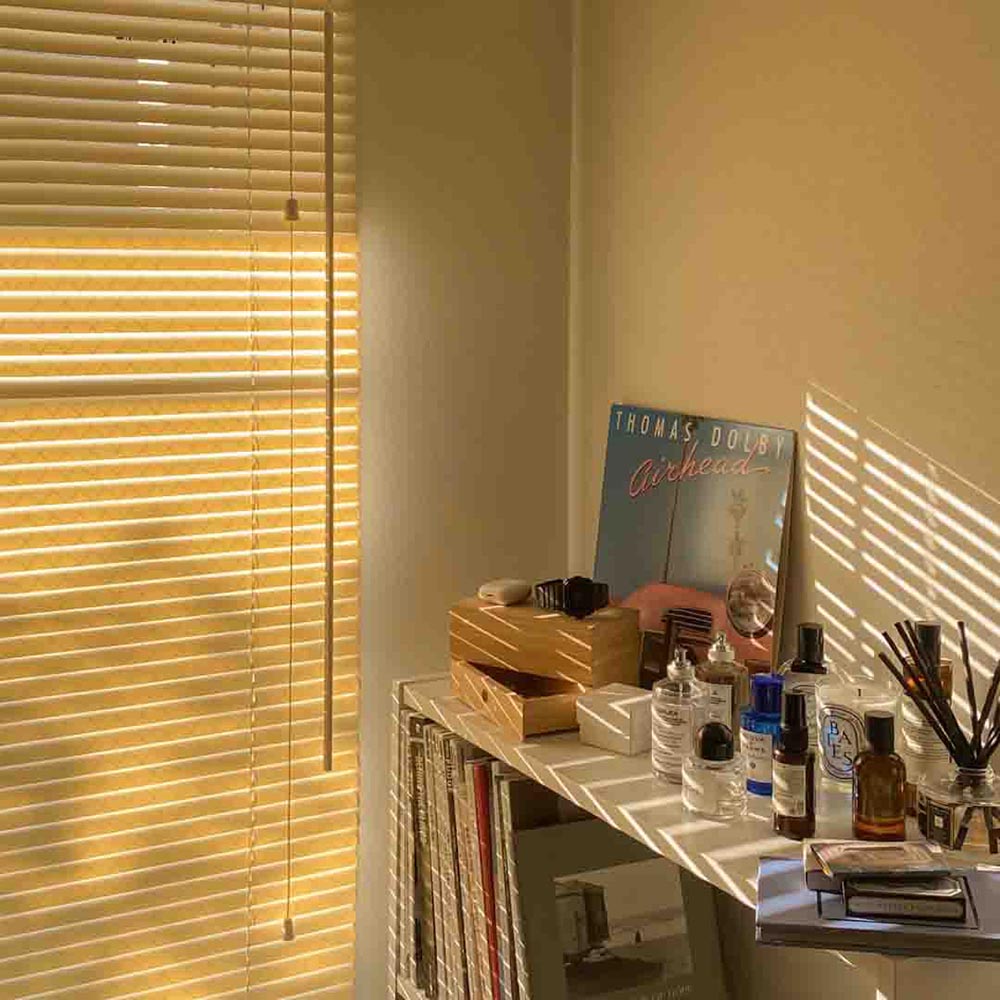
Performance Comparison in Core Kitchen and Bathroom Metrics
1. Waterproof and Anti-Mold Performance
Water resistance is the most fundamental requirement for bathroom and kitchen window treatments. PVC Venetian blinds are made of synthetic plastic polymer, a naturally non-porous material that completely repels water. It will never absorb moisture, swell, or rot after long-term exposure to shower steam or kitchen water vapor. In poorly ventilated bathrooms with frequent condensation, PVC slats remain intact without developing mold spots or mildew stains.
Aluminum blinds also feature excellent waterproof properties. As a metallic material, aluminum does not absorb water or breed mold either. However, a minor flaw exists in its structural details. Most aluminum adjustable slat blinds have tiny gaps at the connecting ladder tapes and rivets. Over months of high humidity, residual moisture can linger in these crevices, leading to faint mildew growth if not cleaned regularly. Overall, PVC takes a slight lead in passive anti-mold performance with zero hidden damp areas.
2. Anti-Fouling and Cleaning Ease
Kitchen blinds endure constant grease accumulation, making stain resistance and cleanability top priorities. PVC has a smooth, non-stick closed surface that resists grease adhesion. Most light oil stains can be wiped off with a damp microfiber cloth, and heavy grime can be cleaned with mild detergent without damaging the slat surface. No special maintenance skills are required for daily upkeep.
Aluminum blinds have a hard, smooth coating that resists stains as well, but their metallic surface is slightly more prone to static electricity than PVC. Static attracts fine kitchen dust and oil particles, causing faster surface fouling. Additionally, excessive scrubbing may scratch the aluminum coating over time, leading to gradual fading. For busy households with frequent cooking, PVC’s low-maintenance fouling resistance is more user-friendly.
3. Heat and High-Temperature Resistance
Kitchens generate continuous high temperatures from stoves and ovens, testing the thermal stability of window blinds. This is where aluminum blinds show their greatest advantage. Aluminum is heat-resistant and non-flammable, with no deformation, warping, or odor release under normal kitchen high temperatures. It can withstand long-term heat radiation near cooking areas without performance degradation.
PVC is a temperature-sensitive material. While it works well in regular room temperature environments, prolonged exposure to high kitchen heat will cause slat warping, bending, and structural loosening. Severe overheating may also lead to slight yellowing or plastic odor emission. For windows directly above kitchen stoves or close to heating sources, PVC blinds carry obvious long-term failure risks.
4. Durability and Long-Term Use Risks
In low-humidity and cool bathroom environments, PVC blinds can maintain stable performance for 5 to 7 years. Their main risk is thermal deformation and brittleness under extreme temperature changes. In contrast, aluminum blinds boast superior structural stability and anti-aging performance. They resist bending, warping, and brittleness in both high heat and humid conditions, with a service life of 8 to 10 years under normal use.
However, aluminum has its own drawbacks. Hard collisions may cause permanent dents on thin aluminum slats, which are irreparable and affect appearance. PVC slats are flexible and elastic, able to bounce back from minor impacts without deformation.
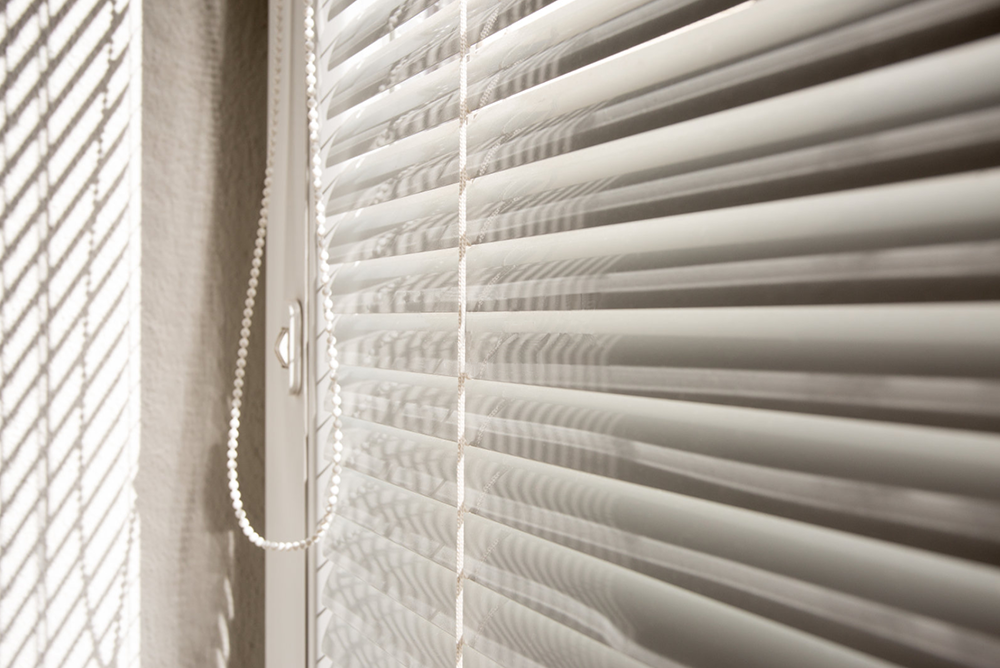
Best Use Cases for Aluminum and PVC Venetian Blinds
Based on the above performance differences, homeowners can choose targeted materials according to their actual home environment. PVC Venetian blinds are the perfect choice for bathrooms, especially enclosed shower bathrooms with poor ventilation, low light, and no heat sources. They are also ideal for kitchens with distant windows from stoves and families prioritizing low-cost, zero-maintenance window treatments. Their affordable price and excellent anti-mold effect make them a cost-effective option for ordinary household wet spaces.
Aluminum Venetian blinds are recommended for open kitchens, kitchens with windows adjacent to stoves, and high-temperature, well-ventilated bathroom spaces. If you pursue long-term durability, uniform light adjustment, and stable structural performance, aluminum is the more reliable pick. It is also suitable for rental houses and high-traffic family spaces that require high wear resistance.
To help you avoid common shopping pitfalls and match the perfect blinds for your space, here are actionable, real-world buying tips for Venetian blinds. First, prioritize material selection based on heat source proximity rather than aesthetics alone. If your kitchen window sits within one meter of your cooking stove or oven, always choose aluminum blinds regardless of humidity levels, as PVC deformation under sustained heat is almost inevitable after one to two years of use. For fully enclosed bathrooms with no heating equipment and poor natural ventilation, prioritize PVC blinds for their superior mold-proof and low-moisture-retention features. Second, pay attention to slat thickness and surface craft. Opt for medium-thickness PVC slats to reduce soft bending issues, and select aluminum blinds with a matte anti-static coating to minimize grease and dust buildup in kitchens. Third, match blind accessories to your usage scenario. Choose rust-proof stainless steel ladder tapes and waterproof cords for both styles to prevent accessory aging and discoloration in humid environments. Fourth, balance budget and lifespan. For short-term rental renovations or low-budget updates, standard PVC Venetian blinds offer ideal cost performance; for permanent home decoration and long-term use, premium aluminum blinds effectively reduce later replacement and maintenance costs. Lastly, avoid overly bright pure-white slats in kitchen areas, as they show grease stains more obviously, while neutral beige and gray tones maintain a cleaner look with lower daily maintenance pressure.
FAQ
Q1: Which type of Venetian blind is less likely to grow mold in bathrooms?
A1: PVC Venetian blinds have better anti-mold performance. Their fully closed, non-porous structure leaves no room for moisture retention, while aluminum blinds have tiny structural gaps that may accumulate dampness and breed mildew if not cleaned regularly.
Q2: Can PVC blinds be used near kitchen stoves?
A2: It is not recommended. Long-term high heat from stoves will cause PVC slats to warp, deform, or turn yellow. For stove-adjacent windows, heat-resistant aluminum blinds are the safer and more durable option.
Q3: Are aluminum or PVC Venetian blinds easier to maintain?
A3: PVC blinds require simpler daily maintenance. They resist static dust and grease adhesion, only needing regular damp wiping. Aluminum blinds are slightly more prone to static fouling and coating scratches with frequent cleaning.
Q4: Which option offers better value for long-term home use?
A4: It depends on the scenario. PVC blinds deliver higher cost performance for cool, humid bathrooms. Aluminum blinds are more worthwhile for high-heat kitchens and long-term fixed home decoration, thanks to their longer service life and stable high-temperature resistance.
Ultimately, there is no one-size-fits-all best material for kitchen and bathroom blinds. The optimal choice depends on your room’s temperature, ventilation conditions, and daily usage habits. By matching horizontal window blinds materials to actual environmental needs, you can avoid common problems like mold, warping, and frequent replacement, keeping your kitchen and bathroom windows tidy, functional, and stylish for years to come.
Post time: Jun-11-2026