Wood blinds bring warmth, texture, and timeless charm to any room—but unlike synthetic alternatives, they need a little extra TLC to stay in top shape. Whether you’re a new wood shutter owner or a long-time fan looking to extend their life, these key guidelines will help you avoid common mistakes and keep your blinds looking beautiful for years. Let’s dive in!
Cleaning: Do‘s and Don‘ts to Protect the Wood
Wood’s biggest enemies? Harsh chemicals, excess moisture, and abrasive tools. Get your cleaning routine right, and your blinds will thank you.
Do: Stick to Gentle, Dry-ish Cleaning
• Daily/Weekly Dusting: Use a microfiber duster, soft-bristled brush, or vacuum with a brush attachment. Work from top to bottom to avoid knocking dust onto already cleaned slats—this saves time and prevents buildup.
• Spot Cleaning for Spills: Blot (don’t rub!) spills immediately with a dry cloth. For sticky spots (like kid’s juice or pet slobber), dampen a cloth with lukewarm water (no soap unless absolutely necessary) and gently wipe. Dry the area right away to prevent water damage.
• Deep Clean Twice a Year: Lay blinds flat on a towel (or keep them hung) and wipe each slat with a cloth dampened with a 1:1 mix of water and white vinegar. Vinegar cuts grime without stripping the wood’s finish—just dry thoroughly afterward.
Don‘t: Use Harsh Products or Soak Them
• Skip bleach, ammonia, or abrasive cleaners (like scouring pads)—they’ll strip the paint/stain and damage the wood’s surface.
• Never submerge wood blinds in water or use a steam cleaner. Excess moisture causes warping, swelling, or even mold growth.
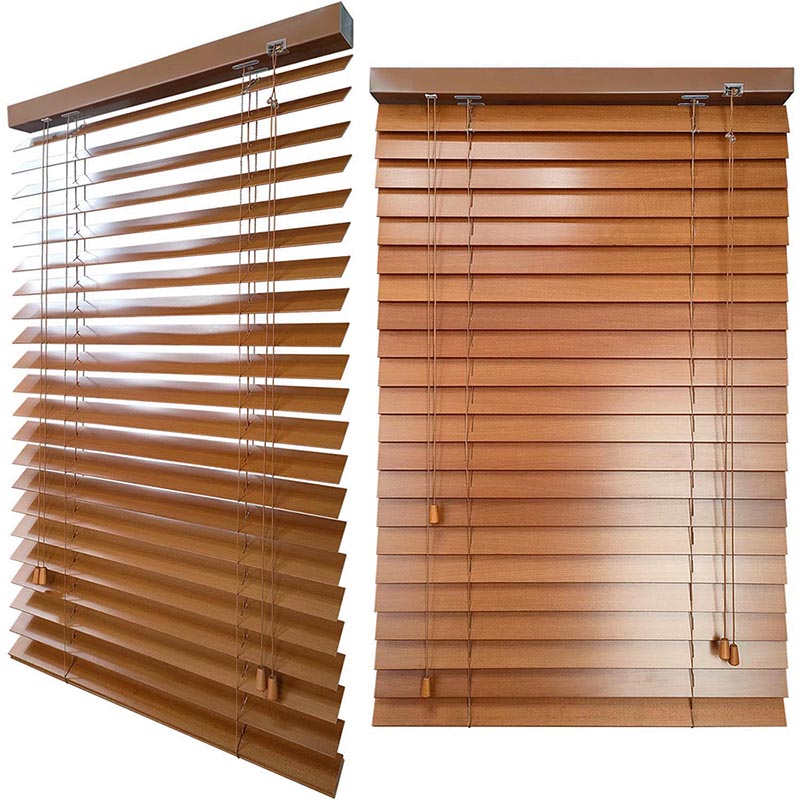
Handling: Be Gentle—Avoid Force!
Wooden blinds are sturdy, but rough handling can bend slats, break cords, or loosen hardware. Here‘s how to use them without damage:
Do: Operate Cords and Tilters Smoothly
• When opening/closing or tilting slats, pull cords gently—avoid yanking. If the blinds stick, stop and check for obstructions (like a twisted slat) instead of forcing them.
• For cordless blinds, push/pull the bottom rail evenly. Don‘t pull one side harder than the other—this can misalign the slats.
Don‘t: Hang Things on Blinds
It‘s tempting to drape towels, hats, or even plants on blinds, but the extra weight will bend slats or pull the entire fixture out of the wall. Keep blinds clear of heavy objects!
Environment: Protect Wood from Sun, Heat, and Humidity
Wood reacts to its surroundings—extreme temperatures, direct sunlight, and moisture are major culprits behind fading, warping, and cracking.
Do: Shield from Direct Sunlight
• Blinds in south-facing windows or glass doors get the most UV exposure. To prevent fading, close them during the hottest part of the day (10 AM–4 PM) or pair them with sheer curtains.
• Consider applying a UV-protective spray (made for wood furniture) once a year—test it on an inconspicuous slat first to ensure it doesn‘t discolor the finish.
Do: Manage Humidity in High-Moisture Areas
• Bathrooms, kitchens, and laundry rooms are tricky for wood blinds. Use an exhaust fan or open a window to reduce moisture after showers or cooking.
• If you must use wood blinds in a humid space, opt for tempered or treated wood (it‘s more moisture-resistant than solid hardwood). Wipe them down weekly to prevent mildew.
Don‘t: Place Near Heat Sources
Keep blinds at least 6 inches away from radiators, space heaters, or oven vents. Extreme heat dries out wood, causing it to shrink and crack.
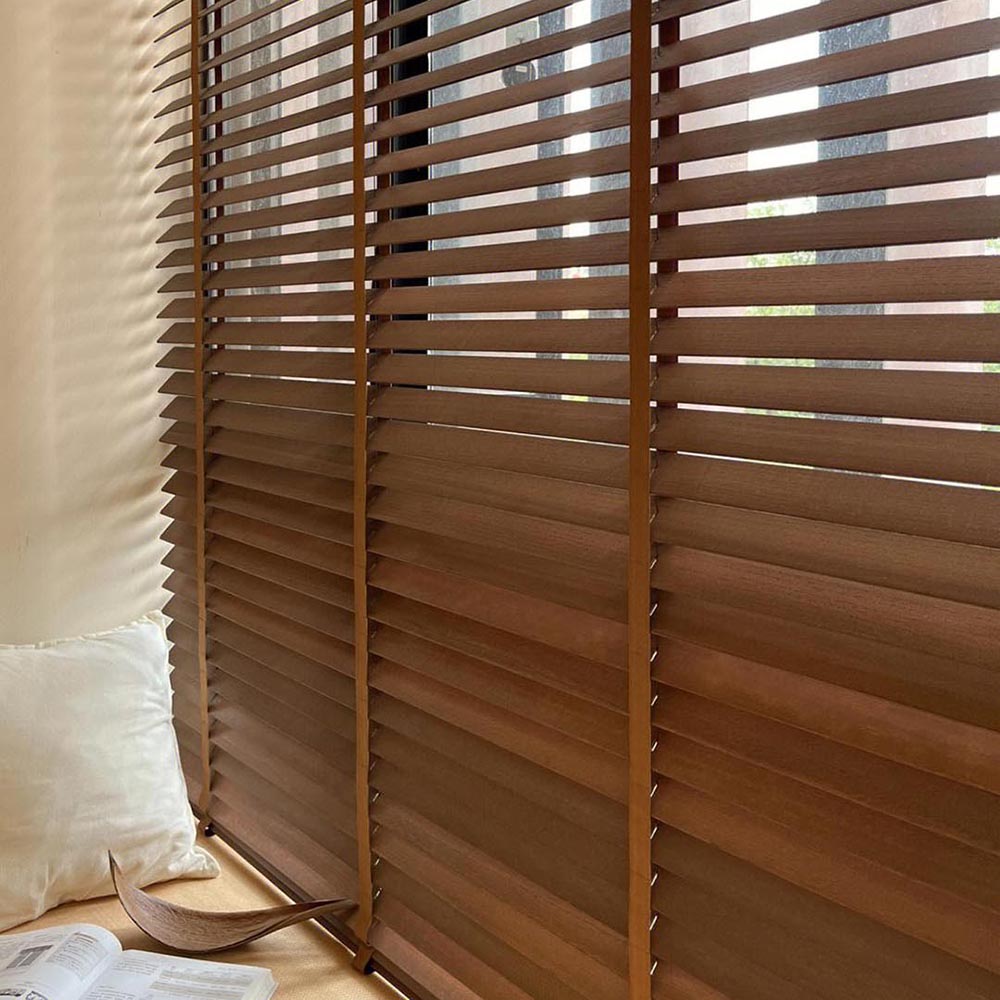
Maintenance: Fix Small Issues Before They Get Worse
Minor problems (like loose screws or a stuck slat) can turn into big headaches if ignored. A little proactive care goes a long way:
Do: Tighten Hardware Regularly
• Every 3–6 months, check the brackets that hold the blinds to the wall/window frame. Tighten any loose screws with a Phillips head screwdriver—loose brackets cause blinds to sag or fall.
• Lubricate tilt mechanisms (the part that turns slats) with a tiny bit of beeswax or silicone spray if they feel stiff. Avoid oil-based lubricants—they attract dust.
Do: Replace Broken Slats Promptly
• If a slat bends or cracks, most manufacturers sell replacement slats. It‘s cheaper than replacing the entire blind, and it prevents the damaged slat from snagging on others.
Don‘t: Ignore Mold or Mildew
• If you spot fuzzy white/green spots (mildew) on slats, clean them immediately with a mixture of water and baking soda (1 tablespoon per cup of water). Scrub gently with a soft brush, then dry thoroughly. If mold comes back, it‘s time to replace the blinds—mold damages wood permanently.
Seasonal Care: Adjust for Weather Changes
Wood expands in humid summer months and contracts in dry winter air. Adapt your care routine to keep blinds stable:
• Winter: Use a humidifier to keep indoor humidity between 30–50%. Dry air causes slats to gap or crack.
• Summer: Open windows on cool mornings to circulate air, and wipe blinds down more often to remove pollen and humidity-related grime.
Wood Blinds Are an Investment—Treat Them Like One
Wood blinds aren‘t just window coverings—they‘re a design statement that adds value to your home. By following these simple do‘s and don‘ts, you‘ll avoid costly replacements and keep their natural beauty intact.
Post time: Dec-30-2025