As a Venetian Blinds manufacturer with over 12 years in the industry, we get the same question week after week: “Why do my Venetian Blinds break so quickly?” It’s a frustration we hear from homeowners and business owners alike—you invest in window treatments, expect them to last 5, 7, even 10 years, only to have slats crack, cords fray, or mechanisms jam within a year or two. The truth is, most blinds don’t fail because of “bad luck”—they fail because of cutting corners in materials and quality control. And with the current market trend of rock-bottom prices and “budget-friendly” options flooding online stores, it’s more important than ever to understand how material choice impacts durability. Today, we’re pulling back the curtain on why some Venetian Blinds break easily, focusing on the materials that make or break your investment.
The Price Gap: It’s All About Materials, Not Markup
First, let’s address the elephant in the room: the market’s obsession with low prices. If you’ve shopped for Venetian Blinds lately, you’ve probably noticed the huge price gap—some options cost $20 per window, others $100 or more. Many customers assume this is just brand markup, but as manufacturers, we know the real difference is in the materials. A recent industry report noted that 68% of cheap Venetian Blinds fail within 18 months, compared to just 12% of high-quality options—and the number one culprit is subpar material selection. Add in the 2026 trend of “fast furniture” seeping into window treatments, where affordability trumps longevity, and it’s no wonder so many people are frustrated with flimsy blinds that don’t hold up. Let’s break down the most common materials used in Venetian Blinds, what makes them durable (or not), and how to spot the red flags before you buy—so you can avoid wasting money on blinds that break before their time.
PVC Venetian Blinds: Thin Fillers vs. High-Density Durability
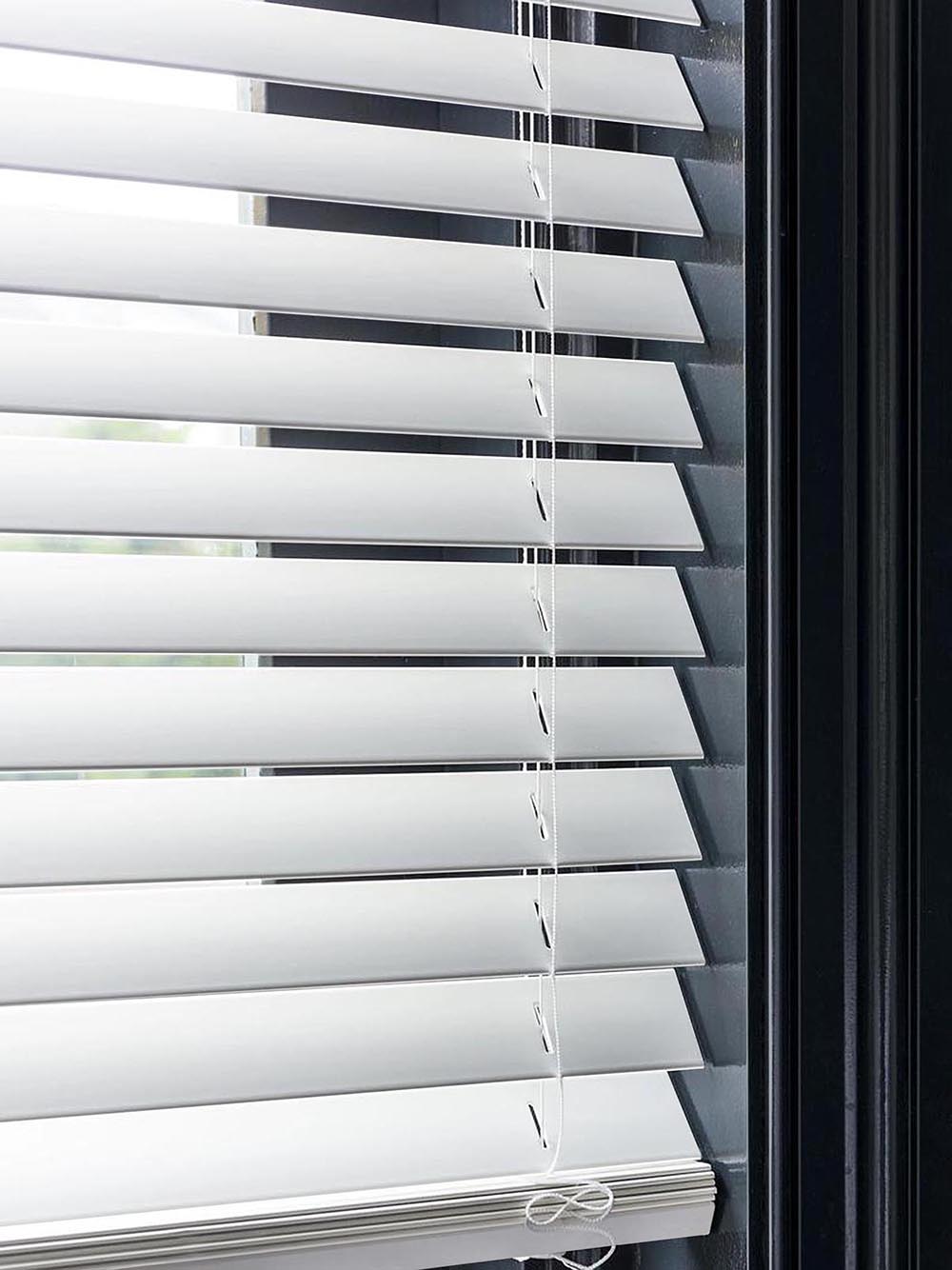
Let’s start with the most popular type of Venetian Blinds on the market: PVC Venetian Blinds. PVC is a go-to material for its affordability and versatility, but not all PVC is created equal—and this is where most cheap blinds cut corners. The PVC used in low-quality Venetian Blinds is often thin, low-grade, and filled with fillers to reduce cost. These fillers make the slats brittle, so they crack or snap easily when adjusted, bumped, or even exposed to slight temperature changes (think direct sunlight on a hot day or cold drafts in winter). We’ve had customers send us PVC Venetian Blinds that broke when they tried to tilt the slats—something that should never happen with a well-made product. On the flip side, high-quality PVC Venetian Blinds (like the ones we manufacture) use thick, high-density PVC with minimal fillers. This material is flexible enough to withstand daily use—adjusting slats multiple times a day, cleaning, even the occasional bump from a chair or pet—without cracking or warping. It’s also moisture-resistant, which is a huge plus for bathrooms, kitchens, or offices with humid climates, where cheap PVC would warp or discolor within months. The key takeaway? If a PVC Venetian Blind feels light and flimsy when you hold it, it’s probably made with low-grade material—and it will break quickly.
Aluminum Venetian Blinds: Gauge Thickness Makes All the Difference
Next up: Aluminum Venetian Blinds, another popular option for commercial spaces and homes alike. Aluminum is naturally durable, but again, quality varies drastically. Cheap Aluminum Venetian Blinds use thin, low-gauge aluminum slats—often just 0.1mm thick—that bend or dent at the slightest pressure. We’ve seen offices replace these blinds every year because slats get bent by cleaning crews or employees, and the thin material can’t be bent back without creasing. Worse, cheap aluminum slats are prone to corrosion, especially in humid areas like coastal homes or restaurants, leading to rust spots that ruin the look and weaken the structure. High-quality Aluminum Venetian Blinds, however, use 0.25mm+ high-gauge aluminum that’s treated with anti-corrosion coating. These slats are sturdy but lightweight, so they don’t bend easily, and the coating prevents rust and discoloration. They’re also designed with reinforced edges to prevent chipping—something cheap blinds skip to save money. For commercial spaces especially, Aluminum Venetian Blinds are a great choice, but only if you opt for higher-gauge material; the cheap stuff will end up costing you more in replacements.
Wooden Venetian Blinds: Soft Wood vs. Kiln-Dried Hardwood
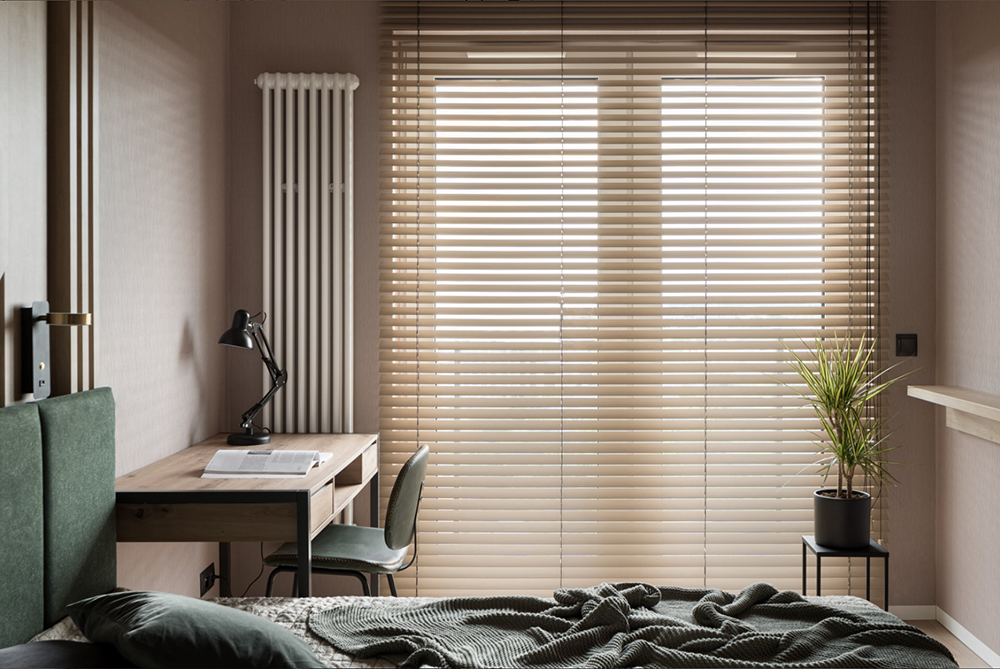
Then there’s Wooden Venetian Blinds, a premium option that’s beloved for its natural warmth—but one that’s often poorly made in cheap versions. The biggest issue with low-quality Wooden Venetian Blinds is the type of wood used: many manufacturers use soft, low-density wood like pine that’s prone to warping, cracking, and fading. These slats absorb moisture easily, so they’ll warp in humid rooms or crack if exposed to direct sunlight for too long. We’ve had customers complain that their wooden blinds started to warp within 6 months of installation, simply because the wood wasn’t properly treated. High-quality Wooden Venetian Blinds, on the other hand, use hard, dense wood like oak or basswood that’s kiln-dried to remove moisture and treated with a protective finish. This treatment prevents warping, fading, and insect damage, ensuring the blinds last for years. They’re also heavier, which means the lifting mechanism has to be sturdier too—another area where cheap blinds cut corners (we’ll get to that in a minute). The market trend here is clear: many customers opt for “budget wooden blinds” thinking they’re getting a deal, but they end up replacing them twice as often as high-quality ones.
Faux Wood Venetian Blinds: Composite Quality Matters
A fourth material worth mentioning is Faux Wood Venetian Blinds, which are designed to mimic the look of real wood without the maintenance issues. Faux Wood Venetian Blinds are made from a composite of PVC and wood fibers, making them a popular middle-ground option. But again, cheap faux wood blinds cut corners: they use low-quality PVC mixed with low-grade wood fibers, which makes the slats brittle and prone to peeling. The finish on cheap faux wood blinds also chips easily, ruining the wood-like appearance within months. High-quality Faux Wood Venetian Blinds use a high-density composite that’s resistant to warping, fading, and peeling. They’re also moisture-resistant, making them a great choice for bathrooms and kitchens where real wood would struggle. We often recommend faux wood to customers who love the look of wooden blinds but don’t want to deal with the upkeep—and as long as they avoid the cheap versions, they’re a durable, long-lasting option.
Don’t Overlook Hardware: The Hidden Weak Spot
Now, let’s talk about something that’s often overlooked but just as important as the slat material: the hardware and mechanisms. Even the best slats won’t save a Venetian Blind if the cords, pulleys, and brackets are cheap. Cheap Venetian Blinds use thin, low-quality cords that fray and break easily—we’ve had customers tell us their cords snapped after just a few months of use. The pulleys are made from flimsy plastic that jams or breaks, making it impossible to raise or lower the blinds. And the brackets? They’re often too thin to support the weight of the blinds, leading to the entire blind falling off the wall. High-quality Venetian Blinds, by contrast, use thick, braided cords that resist fraying, metal pulleys that glide smoothly, and heavy-duty brackets that can support even the heaviest blinds. We also use reinforced tilt mechanisms—another weak spot in cheap blinds—to ensure the slats adjust easily without jamming. This attention to hardware is why our blinds last 5-10 years, while cheap ones fail in 1-2.
Budget Blinds vs. Quality Blinds: The Long-Term Cost
Let’s address a common question we get: “Why can’t I just buy the cheapest Venetian Blinds and replace them when they break?” It’s a fair question, but the math doesn’t add up. A cheap PVC Venetian Blind costs $20 per window, but if you have to replace it every 18 months, that’s $80 per window over 6 years. A high-quality PVC Venetian Blind costs $60 per window but lasts 6+ years—saving you $20 per window in the long run. Add in the hassle of measuring, ordering, and installing new blinds every year or two, and the “budget” option becomes more expensive and time-consuming. Plus, with the growing focus on sustainability in 2026, buying cheap, disposable blinds is not just wasteful—it’s bad for the environment. High-quality Venetian Blinds are a one-time investment that reduces waste and saves you money over time.
How to Spot Low-Quality Venetian Blinds (Before You Buy)
So, how do you spot a cheap, low-quality Venetian Blind before you buy? Here are our top practical tips, straight from the factory floor: First, check the weight. A high-quality Venetian Blind (regardless of material) will feel sturdy and substantial—if it’s light and flimsy, it’s made with cheap materials. Second, inspect the slats: run your finger along the edges. If they’re sharp, thin, or have rough spots, that’s a red flag. High-quality slats have smooth, reinforced edges. Third, test the mechanism: if you’re buying in-store, raise, lower, and tilt the blinds. They should move smoothly without jamming or making noise. If the mechanism feels stiff or cheap, walk away. Fourth, ask about the material: reputable manufacturers will tell you the gauge of aluminum, the type of wood, or the density of PVC used. If a seller can’t answer these questions, they’re probably selling low-quality blinds. Finally, check the warranty: high-quality Venetian Blinds come with a 5-10 year warranty, while cheap ones have no warranty or a 6-month one at best.
Myth Busting: Expensive Doesn’t Always Mean Better
We also want to debunk a common myth: “Expensive means better.” That’s not always true—some brands charge a premium for a name, not for better materials. As a manufacturer, we cut out the middleman, so we can offer high-quality Venetian Blinds at a fair price. The key is to focus on materials and construction, not the brand name. For example, our PVC Venetian Blinds use the same high-density PVC as a luxury brand, but we sell them for 30% less because we don’t have the same marketing and retail costs. It’s all about value—getting the best materials for your budget, not just the most expensive name.
Smart Venetian Blinds: Don’t Sacrifice Material for Features
Another market trend we’re seeing in 2026 is the rise of “smart Venetian Blinds,” but even these can be prone to breaking if the base materials are cheap. We’ve seen cheap smart blinds with flimsy slats and poorly made motor mechanisms that fail within a year. The lesson here is simple: even with new technology, material quality is still king. A smart Venetian Blind with high-quality slats and hardware will last just as long as a traditional one—if not longer—while a cheap smart blind will break just as quickly as a cheap traditional one. Don’t be swayed by fancy features; always check the material first.
At the end of the day, the reason some Venetian Blinds break easily is simple: manufacturers cut corners on materials and hardware to offer rock-bottom prices. As a company that’s been making Venetian Blinds for over a decade, we believe in building products that last. We’ve seen firsthand how a well-made PVC, Aluminum, Wooden, or Faux Wood Venetian Blind can transform a space and last for years—while a cheap one causes frustration and waste. Our goal with this blog is to help you make an informed decision, so you can invest in Venetian Blinds that don’t break easily, save you money, and look great for years to come.
If you’re still unsure which type of Venetian Blinds is right for your home or office, or if you want to learn more about how we make our blinds to be durable and long-lasting, feel free to reach out. We’re not just selling blinds—we’re helping you solve a problem, and we’re here to answer any questions you have. After all, no one should have to replace their Venetian Blinds every year—and with the right material choice, you won’t have to.
Post time: Apr-29-2026