If you’ve ever shopped for window treatments, you know that the cost of Venetian blinds can vary wildly—from budget-friendly options under $50 to high-end picks that top $500 per window. It’s easy to feel overwhelmed when scrolling through listings or visiting home improvement stores, wondering why two seemingly similar sets of blinds have such a stark price difference. The truth is, several key factors influence the final cost, and understanding them can help you avoid overspending while getting blinds that fit your needs, style, and budget.
In this post, we’ll break down the most impactful elements that drive the cost of Venetian blinds, share tips for balancing quality and price, and address common questions homeowners have. We’ll also touch on related terms like aluminum Venetian blinds, wooden Venetian blinds, and motorized Venetian blinds—popular variations that play a big role in pricing. By the end, you’ll be equipped to make an informed decision without falling for unnecessary upgrades or settling for subpar products.
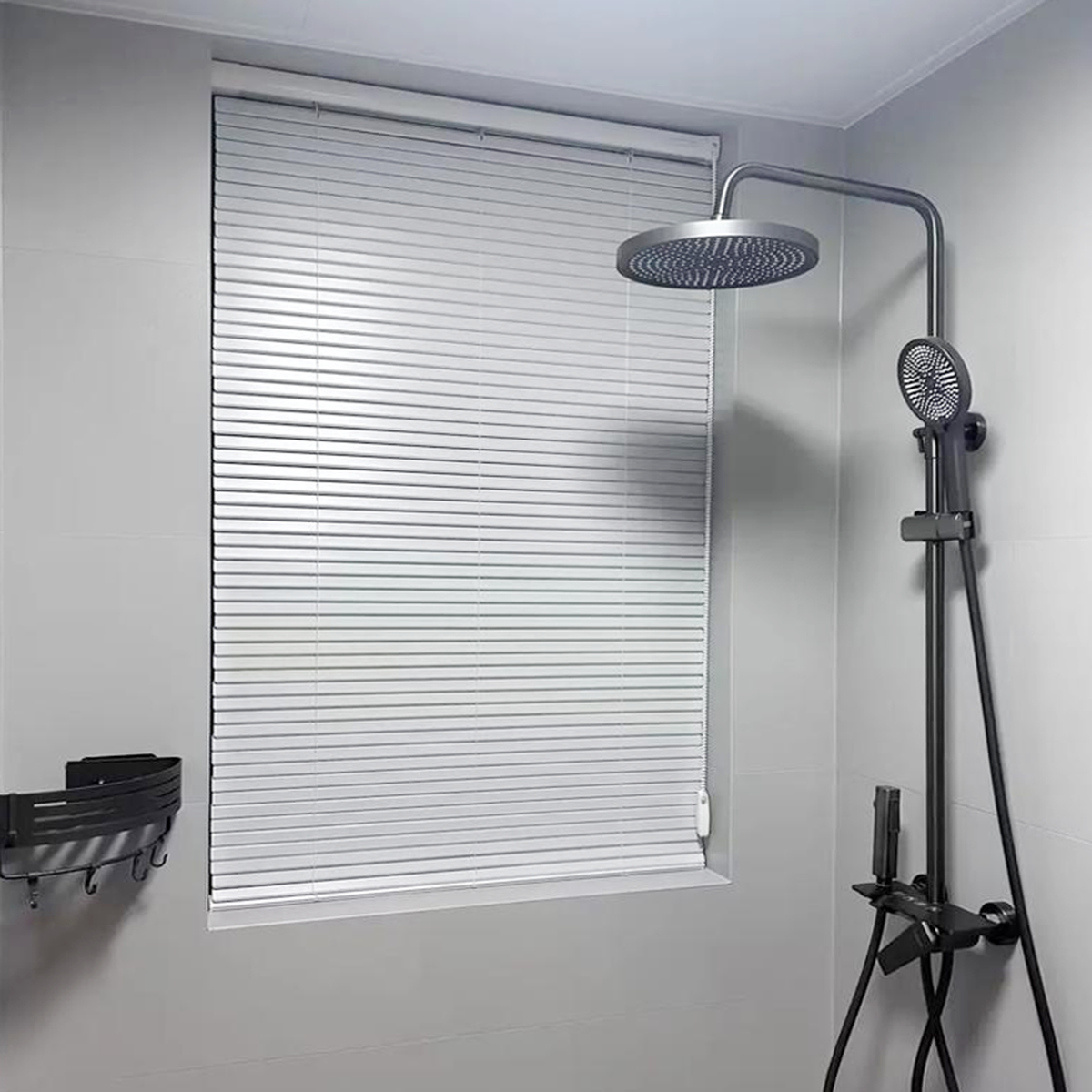
Material is the foundation of price differences
The material of your Venetian blinds is the single biggest factor affecting cost. Manufacturers use a range of materials, each with its own durability, esthetic appeal, and price point. Let’s break down the most common options and how they impact your budget.
• Aluminum Venetian Blinds: Budget-Friendly Workhorses
Aluminum Venetian blinds are the most affordable option on the market, making them a go-to for renters, budget-conscious homeowners, or spaces like kitchens and bathrooms where moisture resistance is key. They’re lightweight, easy to clean, and available in a wide range of colors—from neutral whites and grays to bold hues.
The cost of aluminum Venetian blinds typically ranges from $20 to $80 per window, depending on size and thickness. Thinner slats (usually 1-inch) are cheaper, while 2-inch slats offer better light control and a more polished look, costing slightly more. Keep in mind that low-cost aluminum blinds may bend easily, so if durability matters, opt for mid-range options with reinforced slats.
• Wooden Venetian Blinds: Timeless Elegance (at a Premium)
Wooden Venetian blinds add warmth and sophistication to any room, making them popular for living rooms, bedrooms, and dining areas. They’re crafted from real wood—often basswood, oak, or maple—or composite wood (a mix of wood fibers and resin). Real wood is more expensive but offers unmatched natural beauty, while composite wood is more affordable and resistant to warping from humidity.
The cost of wooden Venetian blinds starts at around $80 per window and can go up to $300 or more for large windows or premium wood species. Factors like slat size (2-inch or 2.5-inch are common), finish (stained or painted), and customization (like motorization) will push prices higher. If you love the look of wood but want to save, composite wooden blinds are a great alternative—they mimic real wood at 30-40% less cost.
• Other Materials: Faux Wood, Vinyl, and PVC
Faux wood Venetian blinds (made from PVC or vinyl) are another budget-friendly option, costing between $30 and $100 per window. They’re ideal for high-humidity spaces like bathrooms and kitchens because they resist warping, fading, and moisture—something real wood struggles with. While they don’t have the same texture as real wood, modern faux wood blinds look surprisingly authentic and are easy to maintain.
Vinyl and PVC blinds are the cheapest of all, starting at $15 per window, but they’re less durable and can become brittle over time, especially in direct sunlight. They’re best for temporary use or low-traffic spaces like storage rooms.
One Size Rarely Fits All
After material, the size of your windows and any customization needs are the next biggest cost drivers. Ready-made Venetian blinds are cheaper, but they only come in standard sizes (usually 24×36 inches, 36×48 inches, etc.). If your windows are non-standard—too wide, too tall, or an unusual shape—you’ll need custom blinds, which cost significantly more.
• Ready-Made vs. Custom Blinds
Ready-made aluminum Venetian blinds can cost as little as $20-$50 per window, while ready-made wooden or faux wood options range from $50-$150. Custom blinds, on the other hand, start at $80 for aluminum and $150 for wood, with prices increasing based on size. For example, a custom wooden blind for a 48×72-inch window could cost $250-$400, depending on the material and finish.
Customization isn’t just about size, though. Other custom features that add to the cost include:
- Slat orientation: Horizontal slats are standard, but vertical Venetian blinds (less common) cost more for wide windows.
- Color and finish: Custom paint or stain colors for wooden blinds can add $20-$50 per window.
- Valances and trims: Decorative valances (the piece that covers the headrail) or decorative trims can add $15-$40 per window.
- Mounting style: Inside-mount blinds (fitted inside the window frame) require precise measurements and may cost more than outside-mount (mounted above the window).
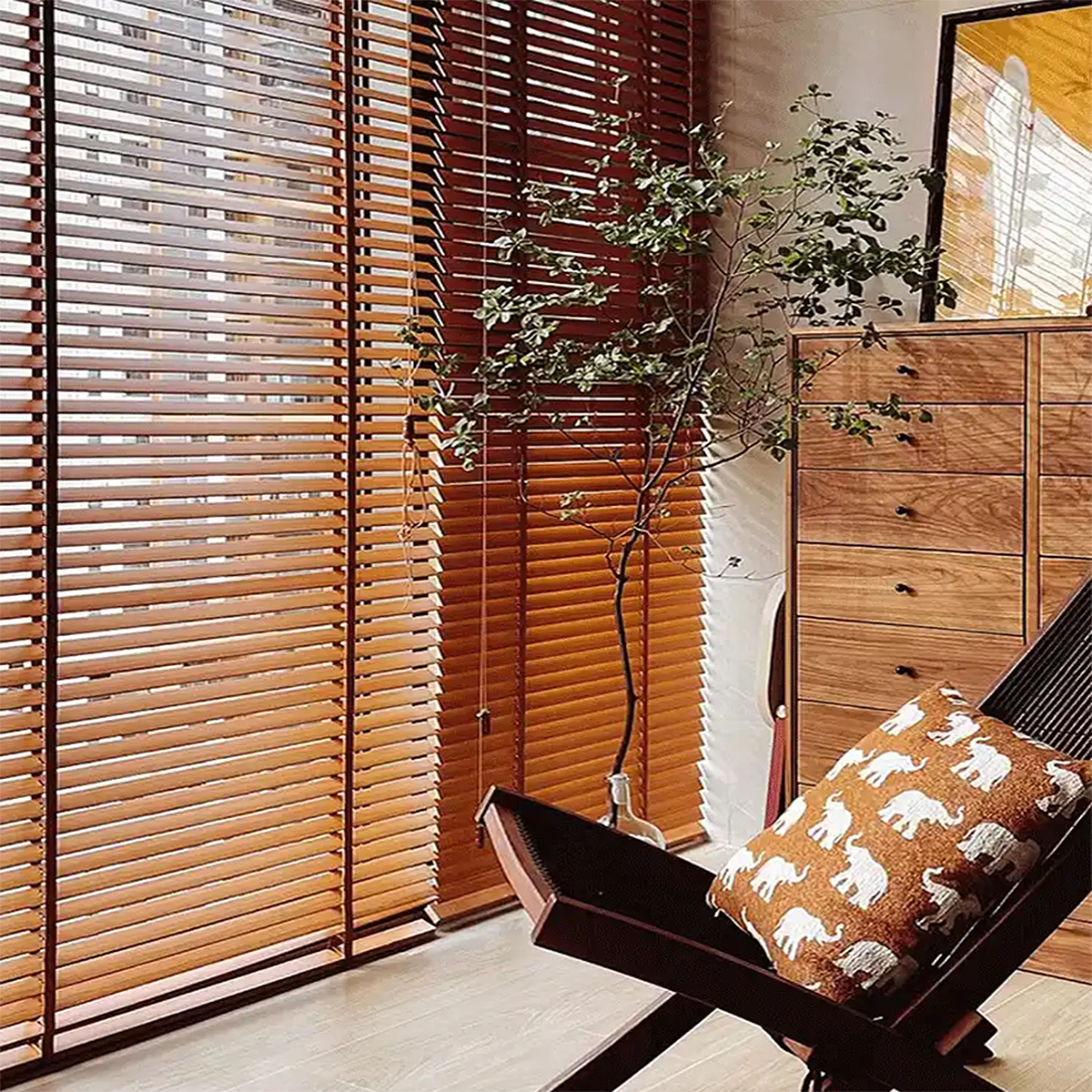
Manual vs. Motorized
The way you operate your Venetian blinds also affects the cost. Manual blinds are the most affordable, while motorized Venetian blinds—which use a remote control, smartphone app, or voice assistant to adjust—are a premium upgrade.
• Manual Blinds: Simple and Affordable
Manual Venetian blinds use either a cord, wand, or cordless lift system. Corded blinds are the cheapest (starting at $20), but they pose a safety hazard for children and pets, so many homeowners opt for cordless models. Cordless manual blinds cost $10-$20 more per window but are safer and have a cleaner look—no dangling cords to clutter the space.
Wand controls are another manual option, often used for aluminum blinds. They’re durable and easy to use, with no additional cost compared to corded models.
• Motorized Venetian Blinds: Convenience at a Cost
Motorized Venetian blinds are a game-changer for convenience, especially for hard-to-reach windows (like above a sofa or staircase) or for homeowners who want to automate their home. They’re also great for consistency—you can adjust all your blinds at once with the touch of a button.
The cost of motorized Venetian blinds varies based on the brand, material, and features. A basic motorized aluminum blind starts at around $150 per window, while motorized wooden blinds can cost $300-$600 per window. Additional features like battery-powered motors (vs. hardwired) add $20-$50 per window, and smart home integration (compatibility with Alexa, Google Home, or Apple HomeKit) can add another $50-$100.
Is the upgrade worth it? If you have multiple windows or hard-to-reach spots, motorized blinds can save time and frustration. For most homeowners, though, manual cordless blinds offer the best balance of cost and functionality.
Brand and Quality
Brand reputation and build quality play a role in the cost of Venetian blinds. Budget brands like IKEA, Walmart, or Home Depot’s in-house lines (e.g., Hampton Bay) offer affordable options, but they may cut corners on materials (thin aluminum, low-grade wood) or craftsmanship (loose slats, flimsy headrails).
Mid-range brands like Levolor, Bali, or Graber offer better quality—sturdier slats, smoother mechanisms, and longer warranties—for $50-$150 more per window. High-end brands like Hunter Douglas or Smith & Noble are the priciest, with blinds costing $300-$800 per window, but they offer premium materials, custom designs, and top-tier customer service.
When choosing a brand, consider the warranty. Budget brands often offer 1-2 year warranties, while mid-range and high-end brands offer 5-10 year warranties (or longer for motorized components). A longer warranty can save you money in the long run, as it covers repairs or replacements for defective parts.
DIY vs. Professional
Installation costs are often overlooked but can add 10-30% to the total cost of Venetian blinds. The good news is that most Venetian blinds are easy to install yourself, saving you money.
DIY installation requires basic tools (a drill, level, and screwdriver) and takes 15-30 minutes per window. Ready-made blinds come with all the necessary hardware and instructions, and many brands offer online tutorials to guide you. If you’re handy, this is a no-brainer way to cut costs.
Professional installation is recommended if you have custom blinds, motorized blinds (especially hardwired ones), or if you’re not comfortable with DIY projects. Professional installers charge $50-$100 per window, plus an additional $100-$200 for hardwired motorization. While this adds to the cost, it ensures the blinds are installed correctly, preventing damage to your walls or windows.
Practical Tips to Save Money on Venetian Blinds
Now that you know what drives the cost of Venetian blinds, here are some actionable tips to get the best value for your money:
• Choose the Right Material for the Space
Don’t splurge on real wooden blinds for high-humidity spaces—opt for faux wood or aluminum instead. Reserve real wood for dry, low-traffic rooms where it will shine. This way, you’re paying for quality where it matters most.
• Buy Ready-Made When Possible
Measure your windows carefully to see if ready-made blinds will fit. If your windows are slightly larger than standard, you can trim some ready-made aluminum or faux wood blinds (follow the manufacturer’s instructions) to save on custom costs.
• Skip Unnecessary Upgrades
Motorized blinds are convenient, but if you don’t have hard-to-reach windows, manual cordless blinds are a cheaper alternative. Similarly, decorative valances and custom colors are nice but not essential—stick to standard options to save.
• Shop Sales and Discounts
Home improvement stores often run sales on window treatments during holidays (Black Friday, Memorial Day) or end-of-season clearance events. You can also find discounted blinds online from retailers like Wayfair or Amazon, but be sure to read reviews to avoid low-quality products.
• Compare Quotes for Custom or Motorized Blinds
If you need custom or motorized blinds, get quotes from 2-3 different retailers or installers. Prices can vary significantly, and some may offer package deals (e.g., free installation with a minimum purchase) that save you money.
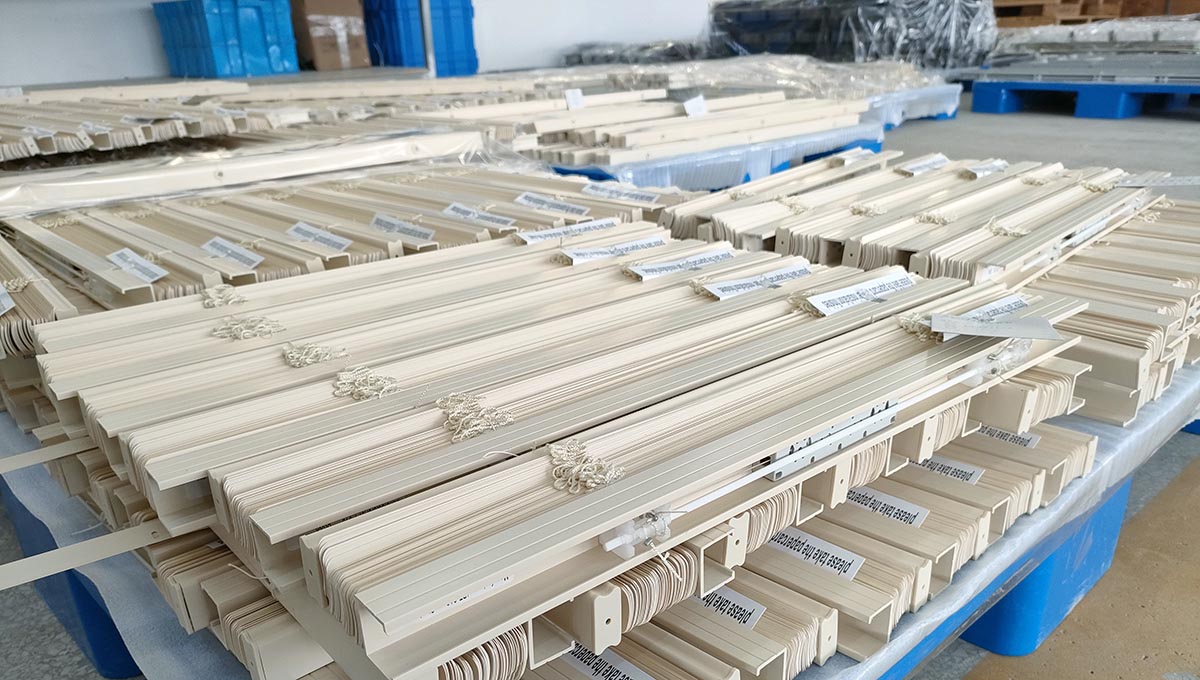
The cost of Venetian blinds doesn’t have to be a mystery. By focusing on material, size, functionality, brand, and installation, you can narrow down your options and find blinds that fit your budget without sacrificing quality. Remember: the cheapest option isn’t always the best—invest in mid-range blinds for spaces you use daily, like living rooms and bedrooms, and save on budget-friendly picks for less important areas such as storage rooms or guest closets.
Whether you opt for affordable aluminum Venetian blinds for a rental kitchen, elegant wooden Venetian blinds to warm up your dining room, or convenient motorized Venetian blinds for those hard-to-reach windows above the staircase, the key is to prioritize what matters most to you—be it durability, style, or convenience. With the insights and tips shared here, you’ll be able to shop with confidence, avoid overpaying for unnecessary extras, and select blinds that not only look great but also stand the test of time.
Post time: Feb-05-2026