Choosing window blinds often feels like a guessing game—especially when you’re stuck between two popular options: Vertical Blinds and Venetian Blinds. Homeowners everywhere wonder which one will work better for their space, their lifestyle, and their budget. Will Vertical Blinds be too clunky for a small bedroom? Are Venetian Blinds high-maintenance for busy households? And how do you pick between the two when both look great in photos?
This isn’t a “one size fits all” answer—and that’s okay. The best blind for you depends on your room, your daily habits, and what you value most (privacy, light control, ease of cleaning, or style).
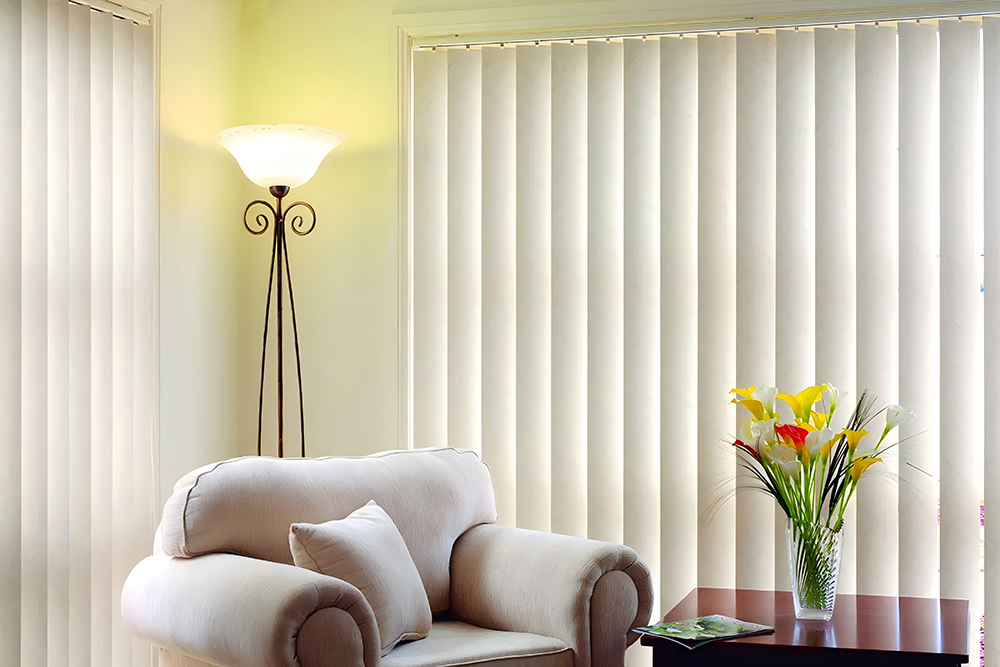
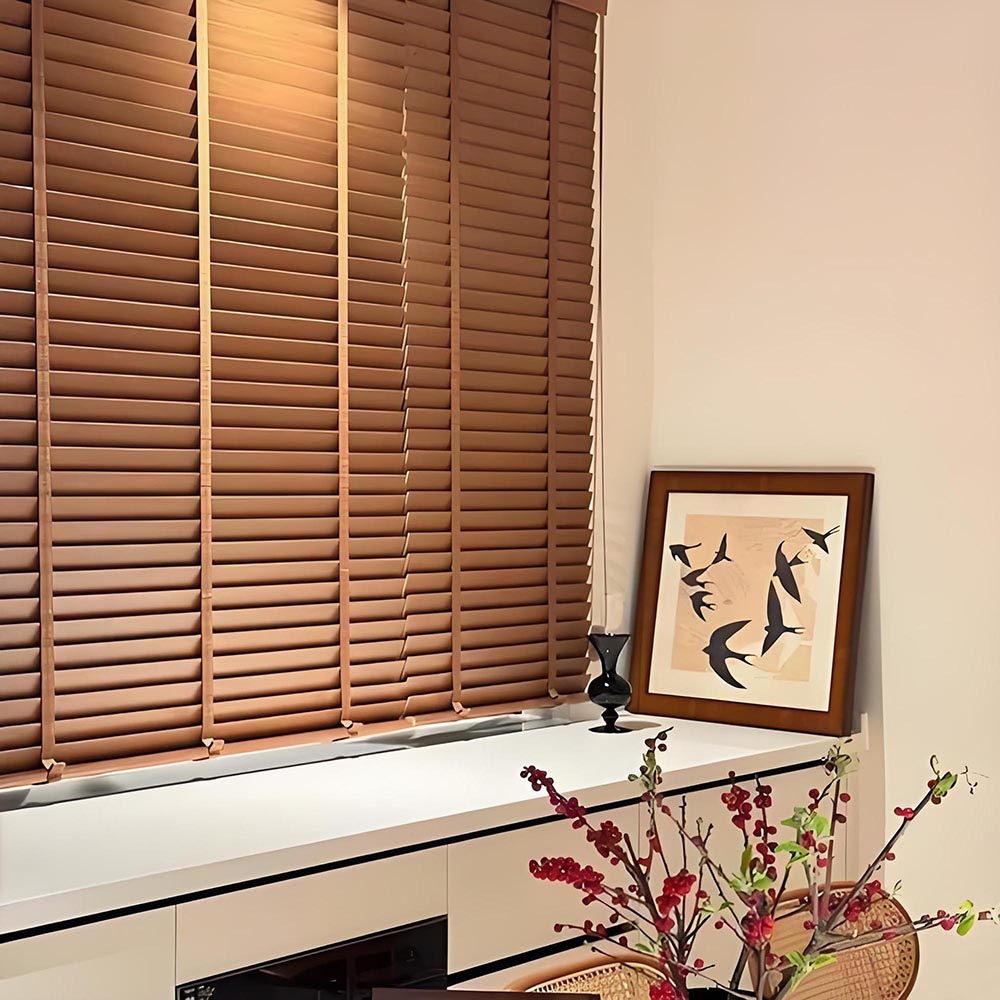
First, let’s get clear on what each blind actually is—since mix-ups are common. Vertical Blinds have long, narrow slats that hang vertically, usually operated by a wand or cord to rotate the slats or slide them open. Venetian Blinds (also called horizontal blinds) have shorter, wider slats that stack horizontally when open, tilting to control light and privacy. Both are versatile, but their design makes them better suited for different spaces and needs.
Key Differences at a Glance
Sometimes a quick comparison is easier than reading paragraphs of text. Here’s a breakdown of how Vertical Blinds and Venetian Blinds stack up—focusing on the features that matter most to homeowners:
|
Feature |
Vertical Blinds |
Venetian Blinds |
|
Best For |
Sliding doors, large windows, wide openings |
Standard windows, bedrooms, offices, small to medium openings |
|
Light Control |
Good—slats rotate 180° to adjust light; easy to fully open for maximum sunlight |
Excellent—precision tilting lets you control light in small increments; fully closed blocks most light |
|
Privacy |
Good when closed; slight gaps possible between slats (depending on quality) |
Excellent—tight-fitting slats block visibility when closed; tilting lets you keep privacy while letting in light |
|
Maintenance |
Low—dust easily with a duster; PVC slats wipe clean with a damp cloth |
Moderate—dust collects in slat grooves; requires regular wiping or vacuuming |
|
Durability |
Durable (especially PVC); resistant to moisture and sagging (high-quality options) |
Durable (aluminum or faux wood); prone to bent slats if handled roughly |
|
Style Flexibility |
Modern, sleek; available in PVC, fabric (limited); neutral colors dominate |
Versatile—wood, faux wood, aluminum; fits modern, traditional, bohemian styles |
|
Price Range |
Affordable to mid-range; PVC options under $100 for standard sizes |
Mid-range to high; wood/faux wood options cost more than PVC Vertical Blinds |
Common Questions (Answered Simply)
Homeowners ask the same questions over and over when choosing between these two blinds. Let’s tackle the most frequent ones to clear up confusion:
Q: Will Vertical Blinds work for small rooms? Or will they make the space feel cramped?
A: Vertical Blinds can work in small rooms—if you choose the right style. Opt for narrow slats (around 3-4 inches) and light colors (white, light gray, beige) to keep the space feeling open. Avoid wide slats or dark colors, which can make a small room feel closed in. The vertical orientation actually helps draw the eye up, which can make ceilings feel higher—bonus!
Q: Are Venetian Blinds hard to clean? I have kids/pets, so low-maintenance is a must.
A: Venetian Blinds are slightly more high-maintenance than Vertical Blinds, but they’re still manageable for busy households. The key is choosing the right material: aluminum Venetian Blinds or faux wood Venetian Blinds are easy to wipe clean with a damp cloth—perfect for kids and pets. Avoid real wood, which can warp if exposed to moisture (like spills or pet drool). A quick weekly dust with a duster will keep them looking tidy without extra effort.
Q: Which is better for sliding doors—Vertical or Venetian Blinds?
A: Hands down, Vertical Blinds. Venetian Blinds are designed for standard windows, and their horizontal slats will get stuck in sliding door tracks or get crushed when the door opens. Vertical Blinds hang parallel to the door, so they slide out of the way easily without obstruction. They also cover the full height and width of sliding doors, which Venetian Blinds struggle to do without looking awkward.
Q: Can I get the same level of privacy with both blinds?
A: Venetian Blinds have a slight edge for privacy, thanks to their tight-fitting horizontal slats. When fully closed, they block almost all visibility from the outside. Vertical Blinds are still private, but low-quality options may have small gaps between slats, especially if they’re not properly aligned. For maximum privacy with Vertical Blinds, choose blackout PVC slats—they block light and visibility completely, perfect for bedrooms or bathrooms.
When to Choose Vertical Blinds
Vertical Blinds are the better choice if you check any of these boxes—they’re practical, low-maintenance, and designed to solve specific problems:
1. You have sliding doors or large windows
As mentioned earlier, Vertical Blinds are made for sliding doors. Their vertical slats move with the door, so you won’t have to worry about them getting stuck or damaged. They also work great for large, wide windows (like picture windows) where Venetian Blinds would look too bulky or be hard to adjust.
2. Low maintenance is non-negotiable
If you don’t have time for frequent cleaning, Vertical Blinds are your best bet. PVC Vertical Blinds are water-resistant, so you can wipe them down with a damp cloth to remove dirt, spills, or pet hair. They don’t collect dust in grooves like Venetian Blinds, so a quick weekly dust is all they need.
3. You want to maximize light without obstruction
Vertical Blinds slide open completely to the side, letting in full sunlight without any slats blocking the window. This is perfect for rooms where you want as much natural light as possible, like living rooms or sunrooms. Venetian Blinds stack horizontally at the top, which can block a small portion of the window even when fully open.
4. You have a humid space (kitchen, bathroom)
PVC Vertical Blinds are humidity-resistant, so they won’t warp or mildew in damp areas. Venetian Blinds (especially real wood) can be damaged by moisture, making them a bad fit for kitchens, bathrooms, or laundry rooms. If you need blinds for a humid space, Vertical Blinds are the safer choice.
When to Choose Venetian Blinds
Venetian Blinds shine in these scenarios—they offer better light control, style flexibility, and privacy for specific spaces:
1. You have standard-sized windows (bedrooms, offices)
Venetian Blinds are ideal for standard windows (24-36 inches wide) in bedrooms, home offices, or guest rooms. Their horizontal slats fit perfectly in these spaces, and their precision tilting lets you control light—great for bedrooms where you want to block light in the morning or offices where you need to reduce glare on screens.
2. Style matters more than anything
Venetian Blinds are more versatile in style. Faux wood Venetian Blinds add warmth to traditional or bohemian spaces, while aluminum Venetian Blinds have a sleek, modern look. They come in a wide range of colors and finishes, so you can match them to any decor—something Vertical Blinds (which are mostly neutral) struggle to do.
3. You need precise light control
If you want to adjust light in small increments (e.g., letting in a little light while keeping privacy), Venetian Blinds are better. Their slats tilt slightly to filter light, so you can have soft, diffused light without opening the blinds fully. Vertical Blinds rotate 180°, which is great for full light or full privacy, but less precise for in-between settings.
4. You want a timeless look
Venetian Blinds have been around for decades and never go out of style. They’re a classic choice that works with any decor, from modern to traditional. Vertical Blinds, while modern, can feel dated if not chosen carefully (cheap, wide slats are a culprit here).
Practical Tips to Avoid Mistakes
No matter which blind you choose, these tips will help you get the most out of your purchase and avoid common mistakes:
• Measure twice, buy once: Both blinds need accurate measurements to fit properly. For Vertical Blinds on sliding doors, subtract ½ inch from the height to avoid slats dragging on the floor. For Venetian Blinds, measure the window width and height carefully to ensure full coverage.
• Invest in quality: Cheap Vertical Blinds will sag or break quickly; opt for high-density PVC slats. Cheap Venetian Blinds will have flimsy slats that bend easily—choose aluminum or faux wood for durability.
• Consider your lifestyle: If you have kids or pets, avoid corded blinds (safety hazard) and choose cordless or motorized options. For busy households, PVC Vertical Blinds or aluminum Venetian Blinds are easiest to maintain.
• Test light and privacy: Before buying, think about how much light the room gets and how much privacy you need. Bedrooms need blackout options (blackout PVC Vertical Blinds or blackout Venetian Blinds), while living rooms can use light-filtering slats.
At the end of the day, there’s no “better” blind—only the one that fits your space and lifestyle. Vertical Blinds are perfect for sliding doors, large windows, and low-maintenance households. Venetian Blinds are ideal for standard windows, style-focused spaces, and precise light control.
If you’re still unsure, start small: Install one type in a less-used room to test how it works. Or, mix and match—Vertical Blinds on sliding doors and Venetian Blinds on standard windows. There’s no rule that says you have to choose one for the whole house!
Post time: Mar-27-2026