When it comes to window treatments, few options offer the perfect blend of functionality, style, and versatility like blinds. Among the most popular choices for homes and commercial spaces alike are Venetian blinds and horizontal blinds. At first glance, these two window coverings may seem similar—after all, both feature horizontal slats that adjust to control light and privacy. However, dig a little deeper, and you’ll discover distinct differences in design, materials, functionality, and ideal use cases that set them apart.
Defining Venetian Blinds: Style Meets Precision
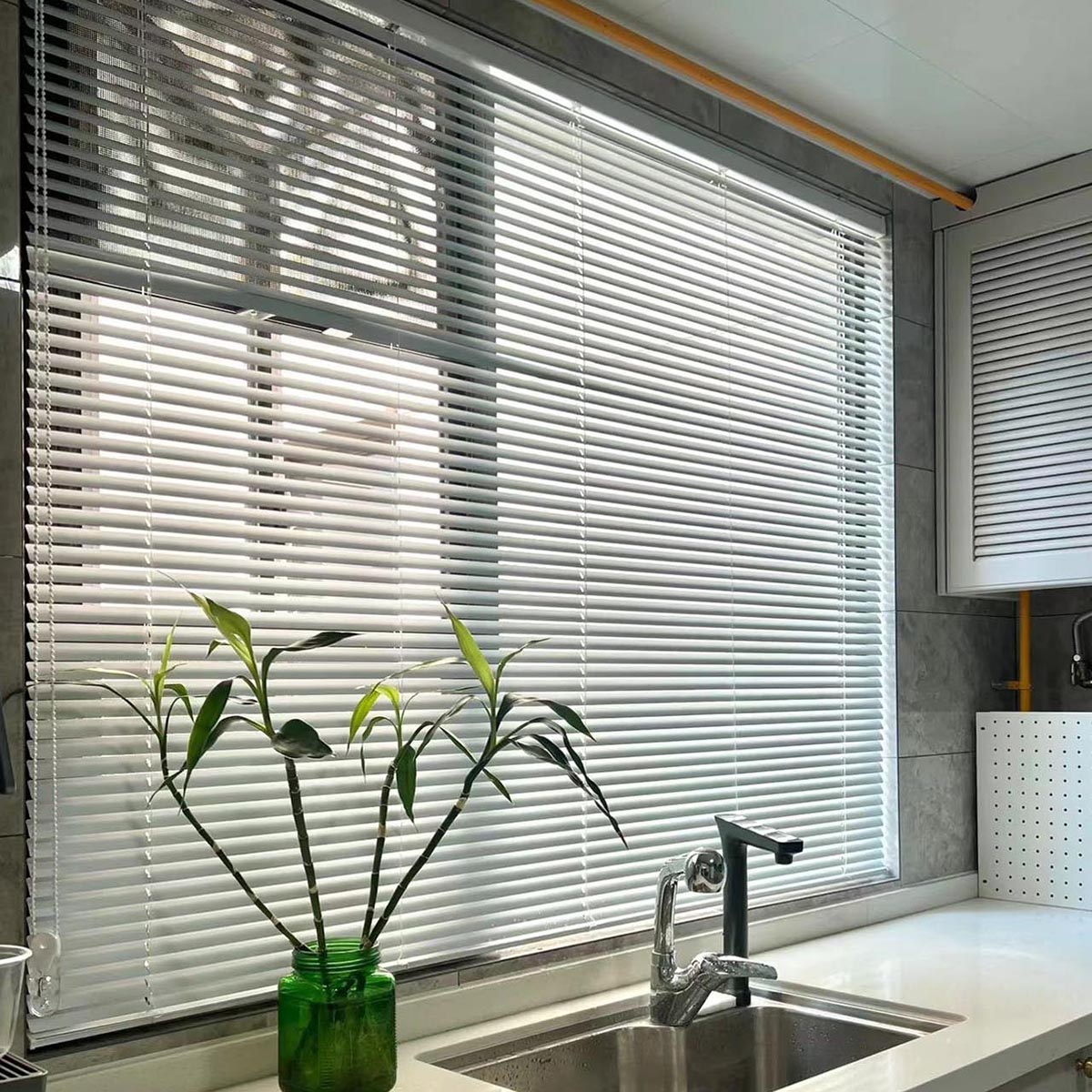
Venetian blinds are a timeless window treatment characterized by horizontal slats, typically made from aluminum, wood, or faux wood. The defining feature of Venetian blinds is their narrow to medium slat width—usually ranging from 1 inch to 2 inches—and their ability to tilt 180 degrees, allowing for precise control over light filtration and privacy. Unlike some other blind styles, Venetian blinds are also known for their sleek, structured appearance, which complements both modern and traditional interiors.
Aluminum Venetian blinds, one of the most popular variants, are celebrated for their durability, affordability, and low maintenance. They resist moisture, making them ideal for high-humidity areas like kitchens, bathrooms, and basements. Wood and faux wood Venetian blinds, on the other hand, add warmth and elegance to living rooms, bedrooms, and dining areas. Faux wood options, in particular, offer the look of real wood without the risk of warping or fading, making them a practical choice for homes with kids or pets.
At Topjoy Industrial Co., Ltd., we specialize in crafting high-quality Venetian blinds with a focus on customization. Whether you’re looking for aluminum Venetian blinds in a matte finish to match your modern kitchen or faux wood Venetian blinds in a rich walnut tone for your bedroom, we offer a wide range of materials, colors, and slat widths to suit your esthetic. Our team works closely with clients to deliver made-to-measure Venetian blinds that fit windows of all sizes—from standard rectangular windows to irregular shapes—ensuring a seamless, tailored look.
Understanding Horizontal Blinds: Versatility for Every Space
Horizontal blinds, as the name suggests, are a category of window blinds defined by their horizontal slats—but here’s where the confusion often arises: Venetian blinds are actually a subset of horizontal blinds. However, when most people refer to “horizontal blinds” in a comparative context, they’re talking about broader, more utilitarian styles that differ from the classic Venetian design. These non-Venetian horizontal blinds typically feature wider slats (3 inches or more), lighter materials, and a more minimalistic structure.
Common materials for non-Venetian horizontal blinds include vinyl, fabric, and composite materials. Vinyl horizontal blinds are budget-friendly and moisture-resistant, making them a popular choice for rental properties, offices, and children’s rooms. Fabric horizontal blinds, often called “horizontal fabric blinds” or “panel blinds,” offer a softer, more textured look, adding a touch of warmth to spaces while still providing light control. Composite horizontal blinds, meanwhile, combine durability with style, making them suitable for both residential and commercial applications.
The key advantage of horizontal blinds (beyond the Venetian subset) is their versatility. Their wider slats allow for maximum light exposure when fully open, and they’re easy to operate with a cord, wand, or motorized system. They’re also an excellent choice for large windows or sliding glass doors, as their broader slats create a more cohesive look and are less likely to feel cluttered than narrow Venetian slats on a large surface.
Key Differences: Venetian Blinds vs. Horizontal Blinds
To help you distinguish between these two popular window treatments, let’s break down their core differences across five critical categories:
1. Slat Width and Design
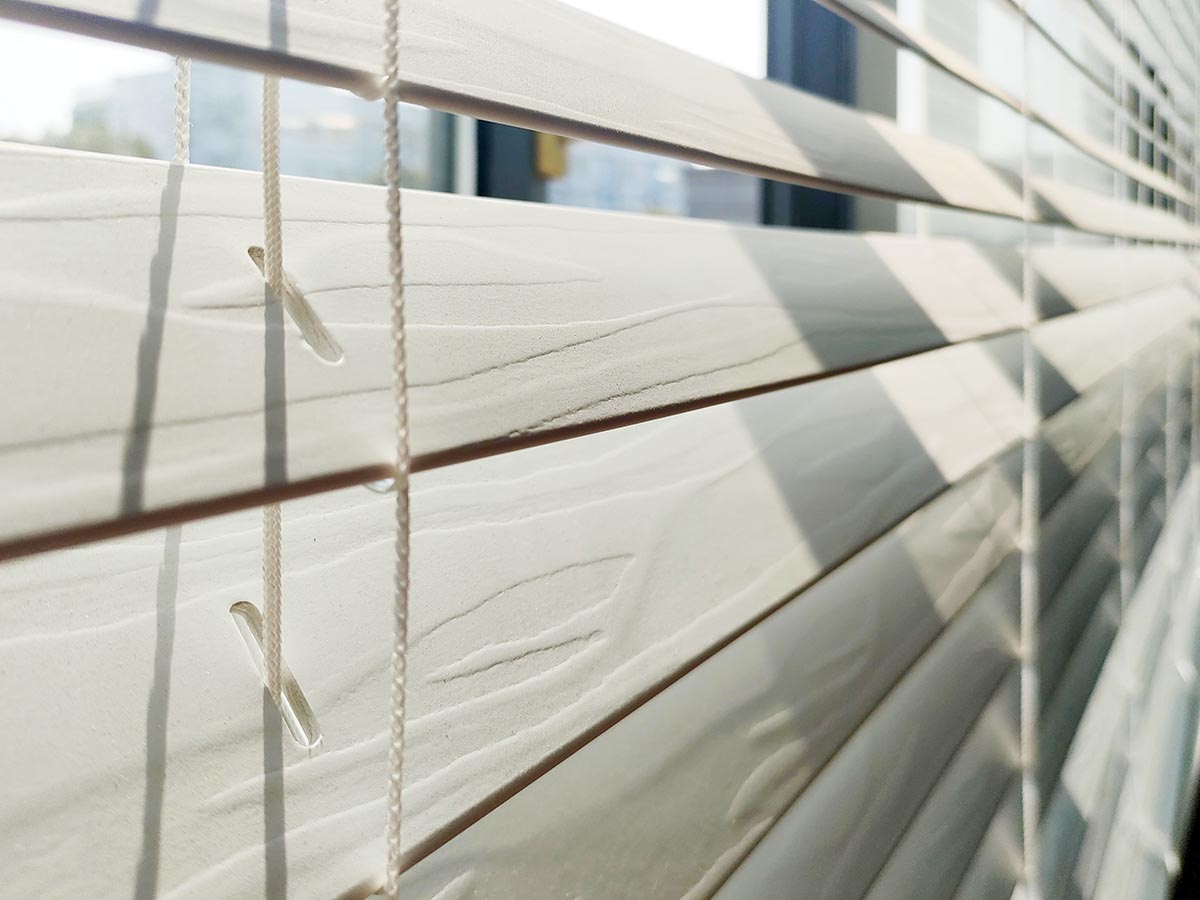
The most noticeable difference is slat width. Venetian blinds feature narrow to medium slats (1–2 inches), which create a more refined, structured appearance. Their slats are also typically thicker and more rigid, especially in aluminum and wood variants, giving them a substantial look and feel. Horizontal blinds (non-Venetian) have wider slats (3 inches or more), which offer a more open, contemporary esthetic. Their slats are often lighter and thinner, making them ideal for covering large windows without adding visual weight.
2. Material Options
Venetian blinds are primarily available in aluminum, wood, and faux wood. These materials are chosen for their durability, esthetic appeal, and ability to hold up to daily use. Horizontal blinds (non-Venetian) have a broader material range, including vinyl, fabric, composite, and even bamboo. This variety makes them more adaptable to different budgets and style preferences—from budget-friendly vinyl to luxurious fabric.
3. Functionality and Light Control
Both styles offer adjustable light control, but Venetian blinds provide more precision. Their narrow slats tilt to create subtle gaps, allowing for soft, diffused light without compromising privacy. When fully closed, Venetian blinds (especially aluminum and faux wood variants) block out most light, making them ideal for bedrooms, home theaters, and offices where glare reduction is critical. Horizontal blinds with wider slats offer less precise light control—tilting them may create larger gaps—but they allow for more natural light when fully open, making them great for living rooms and sunrooms.
4. Maintenance and Durability
Venetian blinds are generally more durable than non-Venetian horizontal blinds. Aluminum and faux wood Venetian blinds resist scratches, moisture, and fading, requiring only occasional dusting or wiping with a damp cloth. Wood Venetian blinds need a bit more care (avoiding excessive moisture), but they still offer long-lasting performance. Non-Venetian horizontal blinds, particularly vinyl and fabric variants, are more prone to wear and tear—vinyl slats may crack over time, and fabric slats can stain or fade if exposed to direct sunlight for extended periods.
5. Esthetic and Interior Compatibility
Venetian blinds exude elegance and sophistication, making them perfect for spaces where style is a top priority. Wood and faux wood Venetian blinds complement traditional, rustic, and transitional interiors, while aluminum Venetian blinds add a modern, sleek touch to contemporary homes. Horizontal blinds (non-Venetian) have a more casual, utilitarian look. Vinyl horizontal blinds are ideal for functional spaces like garages or laundry rooms, while fabric horizontal blinds work well in bedrooms and living rooms where a softer esthetic is desired.
How to Choose Between Venetian Blinds and Horizontal Blinds
The choice between Venetian blinds and horizontal blinds ultimately depends on your space, style preferences, budget, and functional needs. Here are some scenarios to help you decide:
▼ Choose Venetian Blinds if:
• You want precise light control and maximum privacy.
• You’re looking for a durable, low-maintenance option (aluminum or faux wood).
• Your space has a traditional, transitional, or modern esthetic.
• You’re decorating a bedroom, home theater, or office (where glare reduction is key).
• You want a timeless, elegant look that adds value to your home.
▼ Choose Horizontal Blinds (non-Venetian) if:
• You have large windows or sliding glass doors (wider slats create a cohesive look).
• You’re working with a tight budget (vinyl options are affordable).
• You prefer a casual, minimalistic esthetic.
• Your space requires maximum natural light (wider slats allow more light when open).
• You’re decorating a functional space like a rental property, garage, or laundry room.

Topjoy Industrial Co., Ltd.: Your Trusted Partner for Custom Blinds
At Topjoy Industrial Co., Ltd., we understand that every space is unique, and one-size-fits-all window treatments rarely meet the needs of discerning homeowners and businesses. That’s why we specialize in custom Venetian blinds and horizontal blinds, crafted to your exact specifications. Our team of experts works with you from concept to completion, helping you select the perfect materials, colors, slat widths, and operating systems to match your style and functionality requirements.
For Venetian blinds, we offer a premium selection of aluminum, wood, and faux wood options. Our aluminum Venetian blinds are available in a range of finishes—matte, glossy, metallic—and colors, from neutral whites and grays to bold blacks and blues. Our wood and faux wood Venetian blinds are crafted from high-quality materials, ensuring durability and a natural, elegant look. We also offer motorized Venetian blinds, allowing for easy operation with the touch of a button—perfect for high windows or smart homes.
For horizontal blinds, we provide versatile options in vinyl, fabric, and composite materials. Our vinyl horizontal blinds are budget-friendly and moisture-resistant, ideal for rental properties and high-traffic areas. Our fabric horizontal blinds come in a variety of textures and patterns, adding a soft, inviting touch to any space. We also offer custom sizing for horizontal blinds, ensuring a perfect fit for large windows, sliding glass doors, and irregularly shaped openings.
As a leading manufacturer of window treatments, Topjoy Industrial Co., Ltd. prides itself on quality craftsmanship, attention to detail, and exceptional customer service. We use only the finest materials and state-of-the-art manufacturing techniques to create blinds that are built to last. Whether you’re a homeowner looking to upgrade your living space, a designer working on a commercial project, or a retailer seeking high-quality blinds to offer your customers, we have the expertise and capabilities to meet your needs.
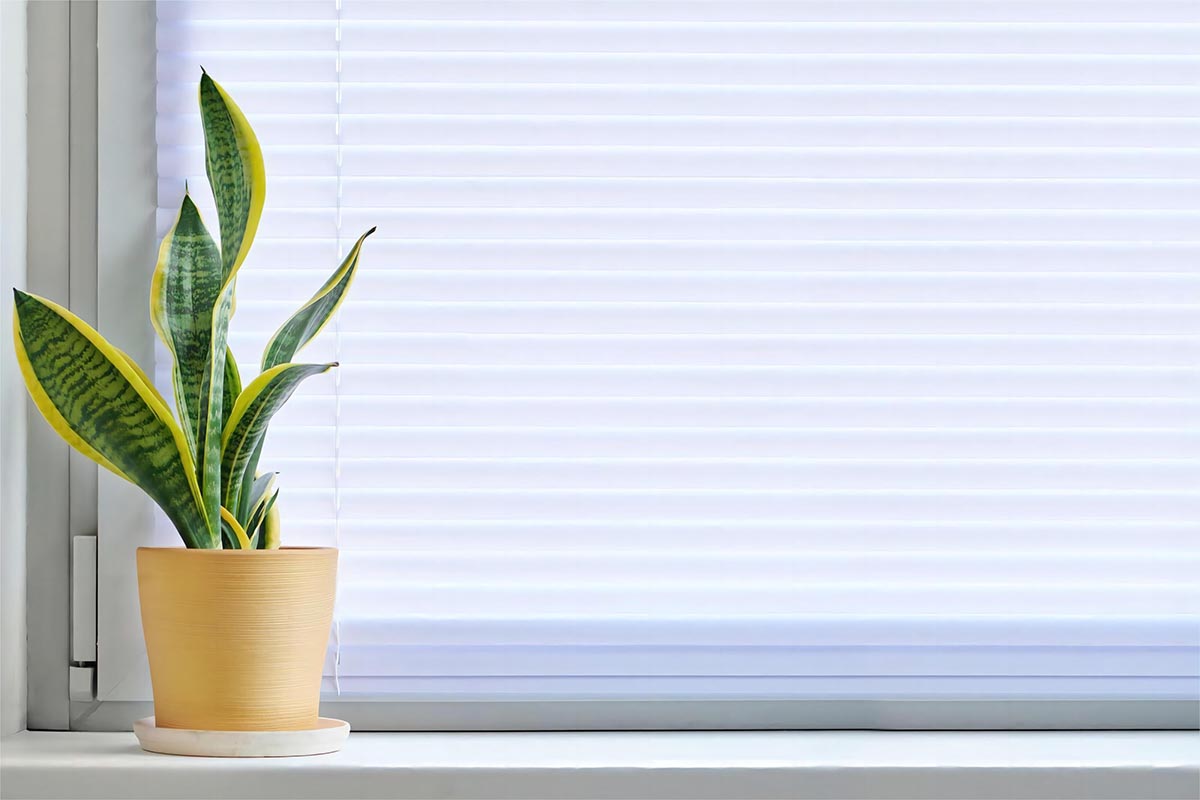
Venetian blinds and horizontal blinds are both excellent window treatment options, but their distinct differences make them better suited for specific spaces and preferences. Venetian blinds offer precision, durability, and elegance, while horizontal blinds provide versatility, affordability, and a casual esthetic. By understanding your functional needs and style goals, you can choose the perfect option for your home or business.
If you’re ready to invest in custom Venetian blinds or horizontal blinds, look no further than Topjoy Industrial Co., Ltd. Our team is dedicated to creating window treatments that enhance your space, reflect your style, and stand the test of time. Contact us today to learn more about our products and services, and let us help you transform your windows with high-quality, customized blinds.
Post time: Jan-12-2026