When selecting window coverings, Venetian blinds stand out as a versatile and popular choice, beloved for their ability to balance light control, privacy, and aesthetic appeal. Yet the success of any Venetian blind installation hinges entirely on the material chosen—each option brings unique strengths, limitations, and use-case advantages that directly impact durability, maintenance, and overall satisfaction.
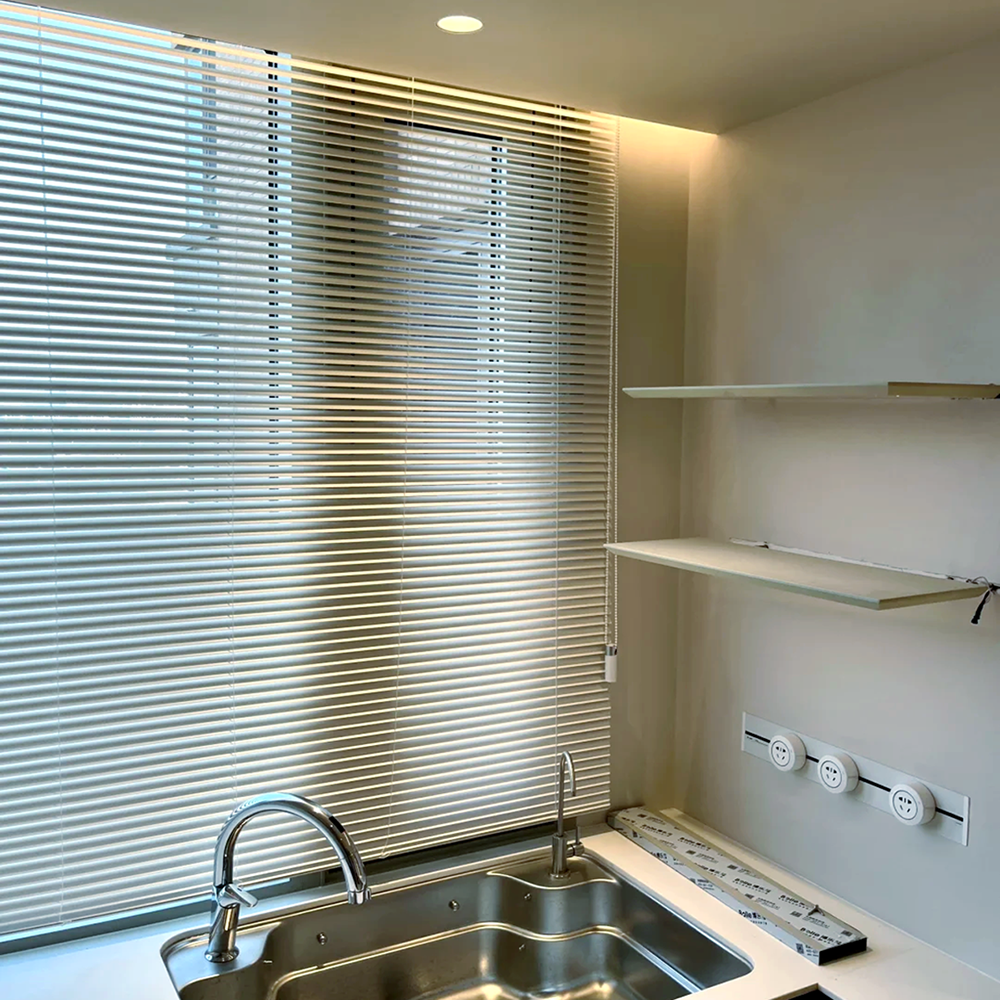
Core Basics of Venetian Blinds
Before diving into material comparisons, it’s essential to understand the key features that define Venetian blinds. Composed of horizontal slats typically ranging from 1 to 2.5 inches in width, these blinds are operated via cords, wands, or motorized systems, allowing users to tilt slats to adjust light flow or fully raise/lower the blinds for complete privacy. The material of the slats dictates nearly every critical aspect of the blind: how it holds up to daily use, how easy it is to clean, how it performs in different environments, and its long-term value.
The biggest misstep many homeowners make is choosing Venetian blinds based solely on price or appearance, without accounting for the unique demands of each room. A material that looks stunning in a dry living room may warp or crack in a humid bathroom; an affordable option may save money upfront but require frequent replacement within a few years. By evaluating materials against real-world factors like humidity, sunlight exposure, and maintenance tolerance, you can avoid costly mistakes and select a solution that delivers lasting performance.
1. Aluminum Venetian Blinds: Budget-Friendly, Low-Maintenance Workhorses
Aluminum Venetian blinds are the most widely available and cost-effective option on the market, making them a top choice for renters, budget-conscious homeowners, and high-traffic areas. Crafted from lightweight, malleable metal, these blinds are designed to withstand regular use without significant wear, offering a practical solution for a wide range of spaces.
• Key Advantages
- Affordability: Aluminum blinds come at a fraction of the cost of wooden or high-end faux wood alternatives, with standard sets for residential windows often priced under $50. This makes them ideal for covering multiple windows or temporary installations where long-term commitment is not a priority.
- Water and Humidity Resistance: Unlike natural wood, aluminum does not absorb moisture, making it perfect for kitchens, bathrooms, laundry rooms, and basements—spaces prone to steam, splashes, or high humidity. It resists warping, mold growth, and discoloration caused by moisture, eliminating the need for frequent replacements in these environments.
- Minimal Maintenance: Cleaning aluminum Venetian blinds is effortless. A quick wipe with a damp cloth or dusting with a feather duster removes dust and grime, with no need for specialized cleaners or delicate handling. The non-porous surface resists stains, even from common household spills like coffee or juice.
- Durability and Flexibility: While thin, aluminum slats are surprisingly resilient to minor bumps and scratches. They can bend slightly with force but are easily straightened, and high-quality aluminum blinds feature reinforced edges to reduce damage risk. They also resist fading from UV rays, maintaining their color and appearance for years.
- Versatile Design Options: Available in a vast array of finishes—including matte white, brushed nickel, black, and metallic hues—aluminum blinds can complement any decor style, from modern minimalist to traditional. Custom sizing ensures a precise fit for odd-shaped windows, while 1-inch slats offer precise light control, and 2-inch slats provide a more substantial, modern look.
• Potential Limitations
- Plastic-Like Feel: Some homeowners find aluminum blinds to have a “cheap” or utilitarian aesthetic compared to natural materials like wood. The thin slats may lack the weight and texture that add luxury to a space, making them less suitable for formal living areas or bedrooms where visual appeal is a top priority.
- Poor Insulation Properties: Aluminum is a good conductor of heat and cold, meaning it offers minimal insulation against outdoor temperatures. It will not help reduce energy costs in winter or keep rooms cool in summer, making it a poor choice for windows in extreme climates.
- Noise Susceptibility: Tilted aluminum slats can produce a faint “clinking” noise when brushed or moved, which may be noticeable in quiet spaces like bedrooms or home offices. While not a dealbreaker for most, it is a consideration for those sensitive to ambient sound.
• Ideal Use Cases
Aluminum Venetian blinds shine in high-humidity areas, rental properties, kids’ rooms, and utility spaces like garages or workshops. They are also a smart choice for temporary installations or rooms where the primary need is light control and easy maintenance, rather than aesthetic luxury.
2. Wooden Venetian Blinds: Timeless Elegance with a Premium Touch
For homeowners seeking to add warmth, texture, and sophistication to their space, wooden Venetian blinds are the gold standard. Crafted from natural woods like basswood, oak, or pine, these blinds offer a timeless aesthetic that elevates any room, from cozy bedrooms to formal dining areas.
• Key Advantages
- Superior Aesthetic Appeal: The natural grain and warm tones of wooden Venetian blinds create a luxurious, inviting atmosphere that synthetic materials cannot replicate. They blend seamlessly with natural decor, rustic designs, and traditional interiors, adding depth and character to the space.
- Effective Insulation: Wood is a natural insulator, helping to regulate indoor temperatures by reducing heat transfer through windows. High-quality wooden blinds can lower energy costs by keeping warm air in during winter and blocking heat from entering in summer, making them an eco-friendly choice for climate-controlled homes.
- Longevity with Proper Care: Premium wooden blinds, when cared for correctly, can last for decades. Basswood, the most common material, is lightweight yet strong, resistant to warping under normal conditions, and holds its shape over time, making it a worthwhile long-term investment.
- Customization Options: Wooden blinds are available in a range of stains and finishes, from light maple to dark walnut, allowing you to match them to furniture, trim, or wall colors. Custom slat widths (2 to 3.5 inches) and lengths ensure a perfect fit for any window, while motorized upgrades offer convenient, cordless operation.
• Potential Limitations
- High Maintenance Requirements: Wood is sensitive to moisture, humidity, and direct sunlight, making it unsuitable for bathrooms, kitchens, or south-facing windows with intense UV exposure. Excess humidity can cause warping, cracking, or mold growth, while prolonged sunlight leads to fading and discoloration.
- Delicate Cleaning Process: Wooden blinds cannot be cleaned with water or harsh cleaners, as this damages the wood and finish. Regular dusting with a soft, dry cloth is essential, and occasional spot cleaning with a wood-safe cleaner is required. This makes them a poor choice for homeowners who dislike frequent maintenance or have pets that may scratch the slats.
- Higher Cost: Wooden Venetian blinds are significantly more expensive than aluminum or PVC options, with premium sets costing 2 to 3 times as much. Custom sizes or rare wood species can increase the price further, making them a budget-stretching choice for many homeowners.
- Susceptible to Damage: The natural wood surface is prone to scratches, dents, and water spots, even with careful use. Accidental spills or rough handling can leave permanent marks, reducing the blind’s lifespan and aesthetic appeal.
• Ideal Use Cases
Wooden Venetian blinds are best suited for dry, low-humidity rooms with moderate sunlight exposure, such as living rooms, bedrooms, and dining areas. They are ideal for homeowners who prioritize aesthetic elegance and are willing to invest time in regular maintenance to preserve their beauty.
3. Faux Wood Venetian Blinds: The Best of Both Worlds
Faux wood Venetian blinds bridge the gap between the aesthetic appeal of wooden blinds and the durability of synthetic materials, making them one of the most popular choices for modern homeowners. Constructed from PVC, composite materials, or vinyl, these blinds mimic the look of natural wood while offering enhanced resistance to moisture, sunlight, and damage.
• Key Advantages
- Wood-Like Aesthetic: High-quality faux wood blinds feature realistic grain patterns and finishes that closely resemble real wood, allowing homeowners to achieve the warm, natural look of wooden blinds without the associated risks. They are available in the same range of stains and colors as wooden blinds, ensuring compatibility with any decor.
- Moisture and Humidity Resistance: Unlike real wood, faux wood does not absorb moisture, making it suitable for use in kitchens, bathrooms, laundry rooms, and basements. It resists warping, mold, and mildew, eliminating the need for frequent replacements in high-humidity environments.
- UV Fade Resistance: Faux wood is treated with UV inhibitors, preventing discoloration and fading caused by direct sunlight. This makes it ideal for south-facing windows or rooms with intense sun exposure, ensuring the blinds maintain their appearance for years.
- Low Maintenance: Faux wood Venetian blinds are incredibly easy to care for. A simple wipe with a damp cloth removes dust and stains, and they can be cleaned with mild soap and water for more stubborn grime. No special cleaners or delicate handling are required, making them a hassle-free option for busy households.
- Balanced Insulation: While not as effective as real wood, faux wood offers better insulation than aluminum, helping to reduce heat transfer through windows. It provides a modest boost to energy efficiency, making it a more sustainable choice than aluminum for climate-controlled homes.
• Potential Limitations
- Higher Weight: Faux wood blinds are heavier than aluminum, requiring sturdy window frames and mounting hardware to support them. Most standard frames can accommodate the weight, but it is important to verify compatibility before installation to avoid damage.
- Cost Variability: The price of faux wood blinds varies widely based on quality. Budget options may have a plastic-like finish or thin slats that look cheap, while high-quality faux wood blinds can cost nearly as much as real wood. It is important to invest in a reputable brand to ensure a realistic wood appearance and durability.
- Lack of Authentic Texture: Despite realistic grain patterns, faux wood lacks the natural texture and warmth of real wood. Homeowners seeking the genuine feel of natural wood may be disappointed by the synthetic surface, which has a slightly smoother, more uniform appearance.
• Ideal Use Cases
Faux wood Venetian blinds are versatile enough for use in nearly every room of the home, from living rooms and bedrooms to kitchens and bathrooms. They are the perfect choice for homeowners who want the look of real wood without the maintenance risks, and they are especially well-suited for households with kids, pets, or high humidity.
4. PVC Venetian Blinds: Ultra-Durable, Budget-Friendly Utility Options
PVC Venetian blinds are a practical, no-frills solution designed for maximum durability and minimal cost. Made from rigid PVC plastic, these blinds are resistant to scratches, dents, and moisture, making them a popular choice for commercial spaces, rental properties, and high-traffic residential areas.
• Key Advantages
- Extreme Durability: PVC is a tough, rigid material that resists scratches, dents, and impact, making it ideal for homes with kids, pets, or high-traffic areas like playrooms and garages. It can withstand rough handling and frequent use without significant damage, ensuring long-term performance.
- Ultimate Moisture Resistance: PVC is completely water-impermeable, making it the most moisture-resistant option on this list. It is perfect for basements, utility rooms, and outdoor covered areas, where it will not warp, mold, or degrade due to exposure to water or humidity.
- Affordable Pricing: PVC Venetian blinds are often the cheapest option, with prices lower than both aluminum and faux wood. This makes them an excellent choice for covering large windows or multiple rooms on a tight budget, and they are a cost-effective solution for temporary installations.
- Easy Cleaning: PVC blinds are incredibly easy to maintain. They can be wiped down with a damp cloth, cleaned with soap and water, or even hosed off for outdoor use. The smooth, non-porous surface resists stains and dirt buildup, requiring minimal effort to keep clean.
• Potential Limitations
- Plastic Aesthetic: PVC blinds have a distinct plastic-like appearance that can look tacky or out of place in formal or upscale spaces. The surface is often shiny and uniform, lacking the texture and warmth of natural materials, making them better suited for utilitarian spaces than living areas or bedrooms.
- Brittleness in Extreme Heat: While PVC resists moisture, prolonged exposure to direct sunlight and high temperatures can cause the material to become brittle over time. This may lead to cracking or breaking of the slats, especially in regions with hot climates or intense UV exposure.
- Poor Insulation: Like aluminum, PVC is a poor insulator, offering minimal protection against outdoor temperatures. It will not help reduce energy costs, making it a poor choice for windows in extreme climates.
- Limited Longevity: PVC blinds have a shorter lifespan than aluminum, faux wood, or wooden blinds. The material degrades over time, especially in direct sunlight, requiring replacement every 3 to 5 years for regular use.
• Ideal Use Cases
PVC Venetian blinds are best reserved for utility spaces like garages, basements, playrooms, and rental properties where durability and cost are the top priorities. They are not recommended for formal living areas, bedrooms, or spaces where aesthetic appeal is important.
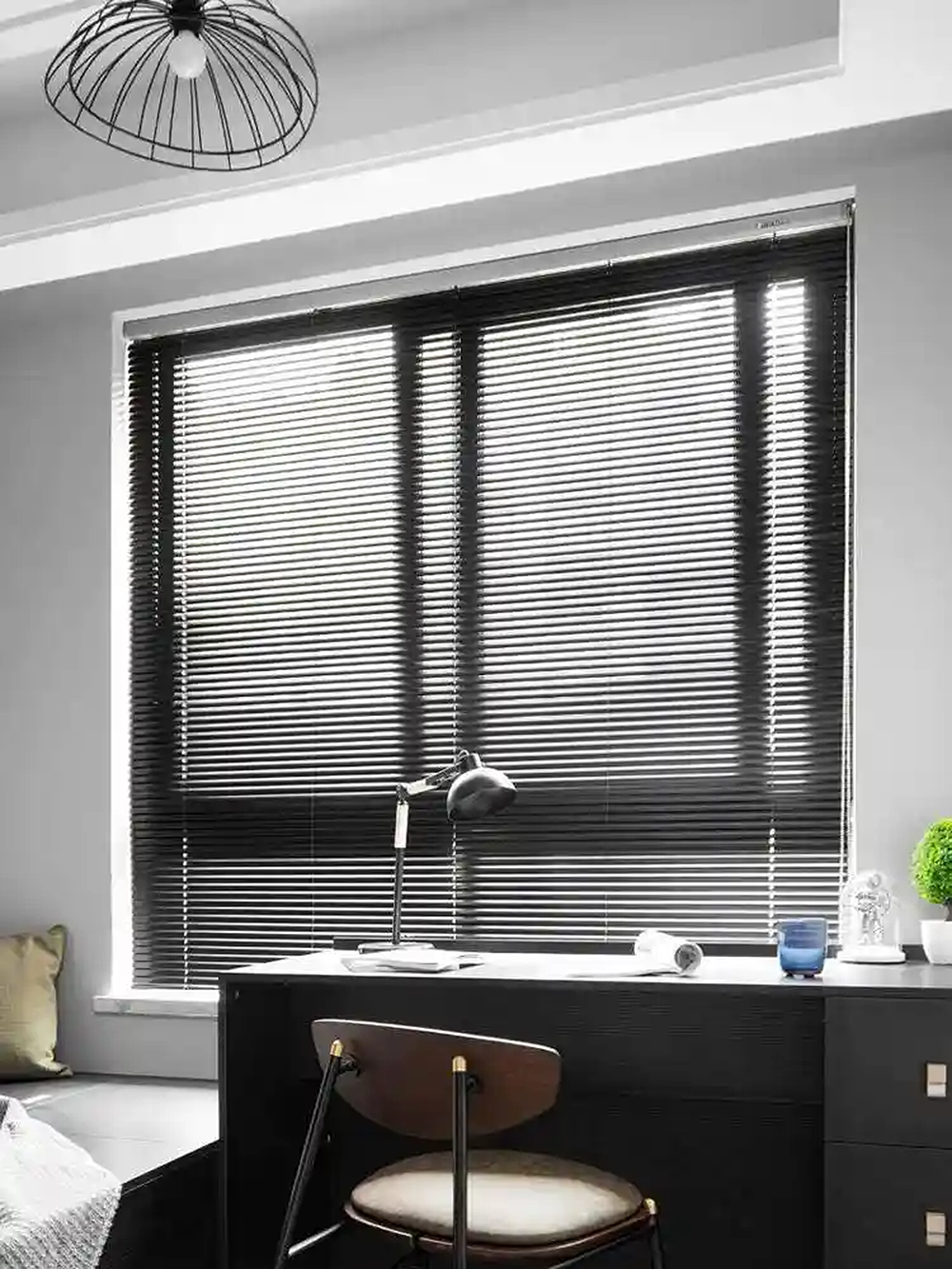
Quick Material Comparison Table
To simplify decision-making, here is a concise overview of the key characteristics of each Venetian blind material:
|
Material |
Cost Range |
Aesthetic Appeal |
Moisture Resistance |
Maintenance Level |
Insulation |
Best For |
|
Aluminum |
Low ($) |
Moderate |
High |
Low |
Low |
Renters, high-humidity areas, kids’ rooms |
|
Wood |
High ($$$) |
Premium |
Low |
High |
High |
Dry, low-sunlight rooms, formal spaces |
|
Faux Wood |
Mid ($$) |
High (Realistic) |
High |
Low |
Moderate |
Most rooms, wood lovers, high-humidity spaces |
|
PVC |
Low ($) |
Low |
Ultimate |
Low |
Low |
Utility rooms, rentals, high-traffic areas |
Practical Tips for Choosing the Right Venetian Blinds Material
• Match Material to Room Conditions: The single most important factor is aligning the blind material with the room’s environment. Humid spaces (kitchens, bathrooms) require moisture-resistant options: faux wood, aluminum, or PVC. Avoid real wood in these areas at all costs. South-facing windows with intense sunlight should skip PVC (prone to brittleness) and real wood (prone to fading), opting for fade-resistant faux wood or aluminum.
• Prioritize Durability Based on Lifestyle: Homes with kids or pets need scratch- and impact-resistant materials: faux wood, aluminum, or PVC. Real wood is easily damaged and should be avoided in high-traffic, pet-friendly spaces. Homeowners who hate cleaning should choose low-maintenance options: aluminum, faux wood, or PVC—real wood requires regular dusting and careful cleaning.
• Set a Realistic Budget: Decide on a budget before shopping to narrow down options. Tight budgets: aluminum or PVC. Mid-range budgets: faux wood (best value for most homes). Splurge-worthy budgets: real wood (ideal for long-term investment in formal spaces).
• Consider Slat Width and Operation: Slat width impacts light control and appearance: 1-inch slats offer precise light control (great for bedrooms); 2-inch slats have a more modern, substantial look (perfect for living rooms). Operation type is critical for safety: cordless or motorized options are safer for homes with young children, eliminating entanglement risks. Wand-operated blinds are a middle ground for those who prefer manual control.
• Test Samples Before Buying: Most retailers offer free or low-cost samples of Venetian blind materials. Take samples home to evaluate how they look in natural light, feel in terms of weight and texture, and match your decor. This small step avoids costly mistakes and ensures you are happy with the final choice.
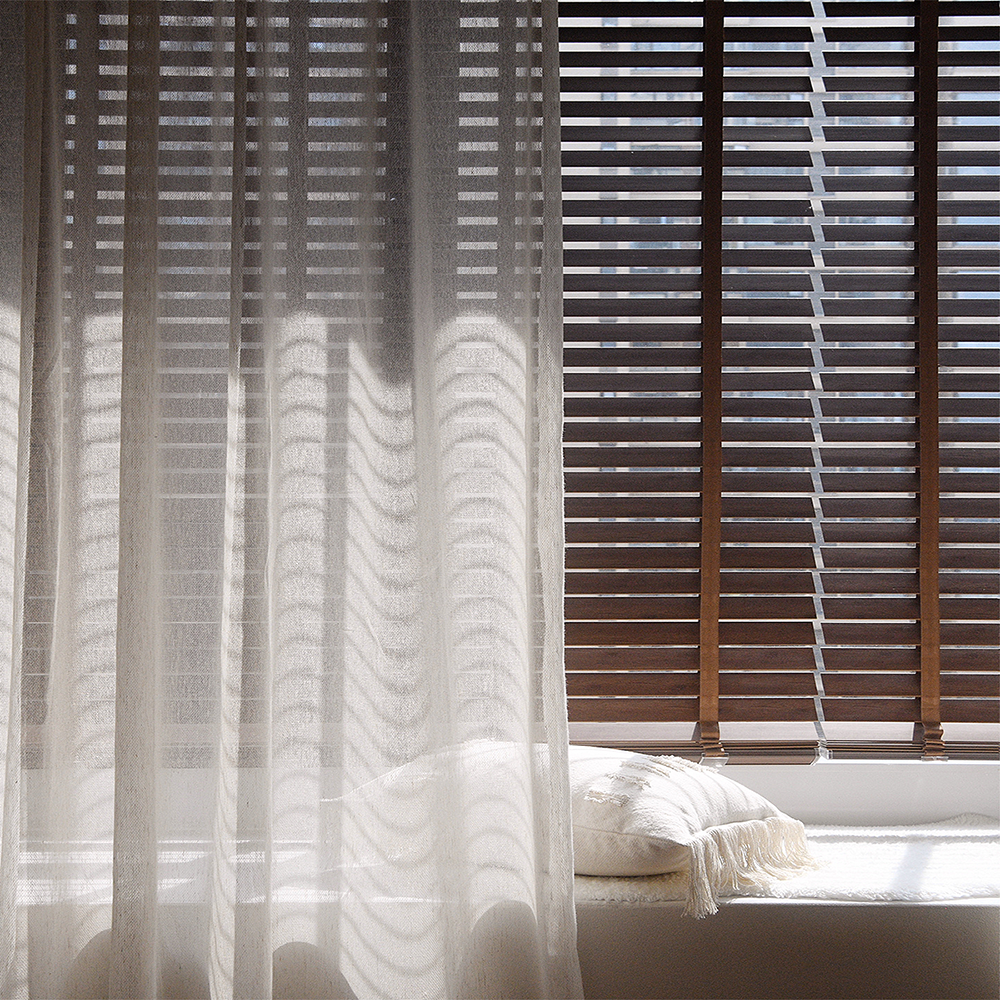
Selecting the right Venetian blinds material is not about choosing the “best” option overall—it’s about choosing the best option for your specific space and needs. Aluminum offers unbeatable affordability and low maintenance for high-humidity areas; real wood delivers timeless elegance for dry, low-sunlight rooms; faux wood strikes the perfect balance of style and durability for most homes; and PVC provides ultra-tough utility for utilitarian spaces.
By evaluating each material against your room’s conditions, lifestyle, and budget, you can avoid the common pitfalls of blind selection and invest in Venetian blinds that enhance your home’s functionality and aesthetics for years to come. Whether you’re updating a single window or furnishing an entire home, the right material choice ensures your Venetian blinds are a practical, beautiful addition to your space.
Post time: Apr-09-2026