If you’ve ever stood in front of a tiny bathroom window staring at blind samples, or stared up at a floor-to-ceiling living room window wondering why your new blinds look cluttered and cramped, you’re not alone. Most homeowners pick venetian blinds based on color or price first, and window size second—only to end up with treatments that look out of proportion, break easily, or fail at privacy and light control.
Why Window Size Changes Everything for Venetian Blinds
Venetian blinds aren’t one-size-fits-all, and the scale of your window dictates almost every choice you make. A slat size that looks sleek on a 2-foot-wide kitchen window will overwhelm a 12-inch bathroom window, just as a narrow slat that works for a bedroom nook will look messy stretched across an 8-foot sliding glass door.
Beyond visual proportion, window size directly impacts practical performance: larger windows put more weight on blind headrails and slats, so material durability becomes non-negotiable. Small windows, by contrast, prioritize tight closure for privacy, making slat gap size a critical factor. Skipping this matching step is the #1 reason homeowners end up replacing their blinds within 3 years.
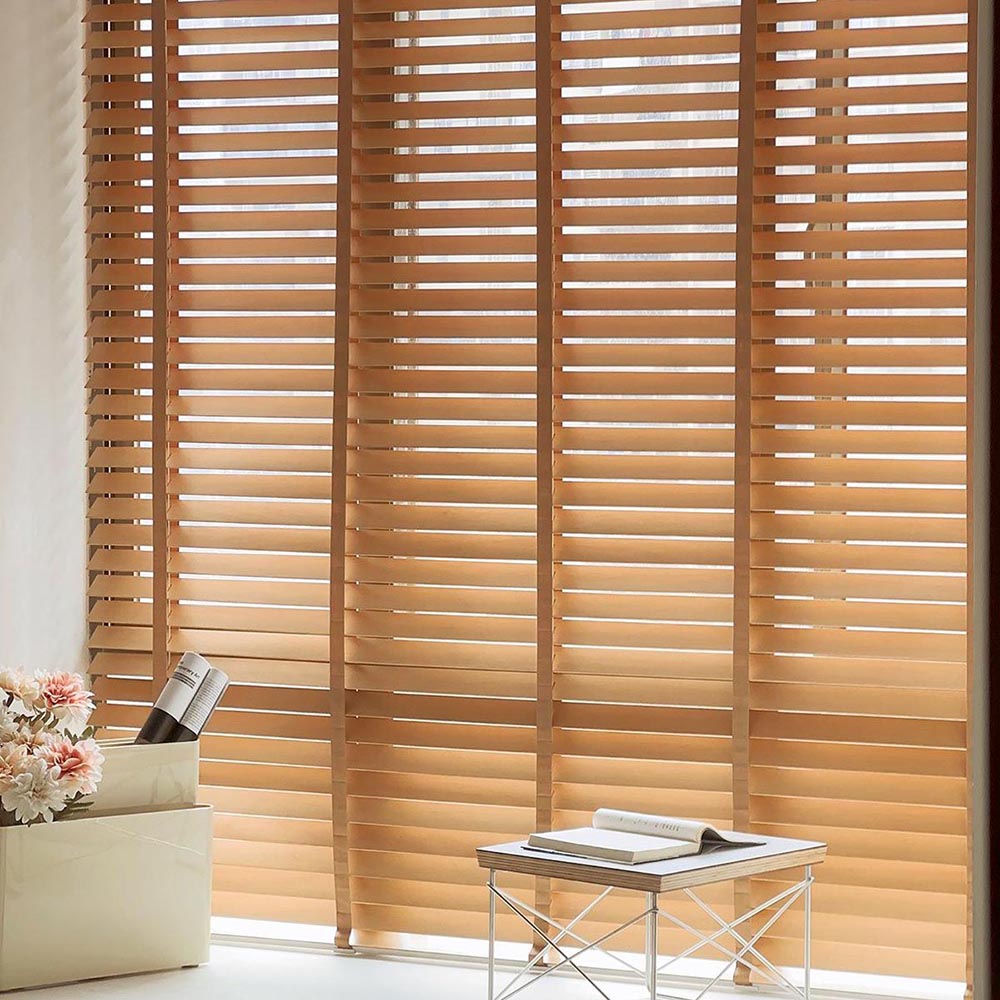
Venetian Blinds for Small Windows: Optimal Choices for Proportion & Performance
For windows under 3 feet wide (think bathroom windows, kitchen sink windows, bedroom closet windows, and basement nooks), venetian blinds for small windows work best when they prioritize visual balance and tight privacy control. The wrong choice here will make your already small window look even tinier, or leave gaps that compromise privacy.
• Best Slat Size for Small Windows
Stick to 1-inch (25mm) or 1.5-inch (35mm) slats for all small windows. Here’s why:
- 1-inch (25mm) slats: The gold standard for tiny windows under 2 feet wide. Narrow slats create a smooth, uniform look that doesn’t overpower small frames. They also close tighter than wider slats, leaving almost no visible gaps—critical for bathrooms and ground-floor bedrooms where privacy is non-negotiable. Aluminum venetian blinds in this size are the most popular choice for high-humidity small spaces.
- 1.5-inch (35mm) slats: Ideal for small windows between 2–3 feet wide, like kitchen sink windows or home office nooks. They offer slightly better outward visibility when open, while still maintaining the tight closure needed for privacy. This size strikes the perfect balance between traditional and modern style.
Never use 2-inch (50 mm) or wider slats for small windows. Wide slats will look bulky and out of proportion, making your window feel cramped and cluttered. You’ll also end up with large gaps when closed, defeating the purpose of privacy treatments for ground-floor spaces.
• Best Materials for Small Window Venetian Blinds
Small windows have far less weight stress than large ones, so you have more flexibility with material choices:
- Aluminum venetian blinds: The top pick for small bathrooms, kitchens, and laundry rooms. Waterproof, rust-proof, and easy to wipe clean, they hold up perfectly in high-humidity spaces. 1-inch aluminum slats are also the most affordable option for small windows, making them great for rental properties or budget renovations.
- Faux wood venetian blinds: Perfect for small bedroom or living room windows where you want the warm look of wood without the moisture risk. Composite slats won’t warp or fade, and they come in wood tones that match furniture and trim. 1.5-inch faux wood slats add subtle texture without overwhelming small frames.
- Real wood: A viable option for small, low-humidity windows (like home offices or formal dining rooms). Since small blinds use far fewer slats, weight isn’t an issue here—just avoid using real wood in any room with regular steam or moisture.
• Style Tips for Small Windows
Stick to light, neutral colors (white, off-white, soft gray) for small window blinds to make the space feel larger. Avoid dark colors or bold patterns, which will make the window frame feel smaller and the room more cramped. Inside mounts work best for small windows, as they create a clean, built-in look that doesn’t extend beyond the frame.
Venetian Blinds for Large & Floor-to-Ceiling Windows: Durable, Proportionate Choices
For windows over 4 feet wide, floor-to-ceiling windows, and sliding glass doors, the priorities shift from privacy tightness to weight distribution and visual simplicity. The biggest mistake homeowners make here is using the same small-slatted blinds they bought for their bathroom—leading to sagging slats, broken headrails, and a cluttered, busy look across large glass surfaces.
• Best Slat Size for Large Windows
Choose 2-inch (50 mm) or 2.5-inch (63 mm) slats for horizontal venetian blinds, or consider vertical blinds for extra-wide openings:
- 2-inch (50mm) slats: The standard for most large living room and bedroom windows. Wider slats mean fewer total slats across the window, creating clean, unbroken lines that complement open, modern spaces. They also let in more natural light when tilted open, which is a huge benefit for large windows that are meant to brighten a room.
- 2.5-inch (63mm) slats: Perfect for floor-to-ceiling windows over 6 feet tall and sliding glass doors. This statement size creates a bold, contemporary look, and the wider slats reduce visual clutter across huge glass surfaces. Just make sure your headrail is rated for the extra weight of these larger slats.
- Vertical blinds for large windows: The most practical choice for sliding glass doors and extra-wide windows over 8 feet wide. Vertical slats distribute weight evenly across the top track, eliminating the sagging risk that comes with extra-wide horizontal blinds. They also slide completely out of the way when you want full access to doors or unobstructed views.
Avoid 1-inch slats for large windows. Narrow slats will create a busy, striped look across big glass surfaces, making your window feel chopped up and smaller than it actually is. You’ll also end up with far more slats to clean and maintain, which adds unnecessary work for large window treatments.
• Best Materials for Large Window Venetian Blinds
Weight and durability are everything for large windows. Skip materials that will sag or warp under their own weight:
- Faux wood venetian blinds: The top choice for most large windows. Composite slats are lighter than real wood but stiffer than vinyl, so they won’t sag across wide spans. They’re also moisture-resistant, making them suitable for large patio doors near pools or kitchens. Most high-quality faux wood slats come with a 5+ year warranty against warping and fading.
- Aluminum venetian blinds: Great for large sunrooms or patio windows that get direct sunlight. Aluminum won’t fade or warp in UV light, and it’s lightweight enough for wide spans without sagging. Just opt for thicker-gauge aluminum (0.8mm or higher) to avoid bending slats during regular use.
- Avoid real wood for large windows: Solid wood slats are heavy, and across a 6-foot+ window, the total weight will cause slats to sag and headrails to bend within 1–2 years. Even high-end wood blinds will develop visible warping on large windows after regular exposure to sunlight and temperature changes.
• Style Tips for Large Windows
Match your blind color to your window trim or wall color to create a seamless, built-in look that doesn’t distract from your view. Outside mounts work best for large windows, as they extend slightly beyond the frame to cover edge gaps and make your window feel even larger. For floor-to-ceiling windows, mount the headrail as close to the ceiling as possible to draw the eye upward and emphasize ceiling height.
Common Mistakes to Avoid (No Matter Your Window Size)
Even if you pick the right slat size for your window, these common missteps will ruin the look and performance of your blinds:
- Ignoring room humidity: This overrides window size every time. No matter how small your bathroom window is, never use real wood blinds—they will warp and grow mold within months. Always prioritize moisture-resistant materials for kitchens, bathrooms, and laundry rooms, regardless of window dimensions.
- Skipping headrail weight ratings: For large windows, always check that your blind headrail is rated for the total width and slat weight you’re using. A cheap headrail will bend under the weight of wide faux wood slats, leading to uneven operation and broken cords.
- Choosing style over function: That wide, statement slat might look great in the showroom, but if you need total privacy for a ground-floor small window, 1-inch slats will always perform better. Balance aesthetic preferences with your room’s practical needs first.
Frequently Asked Questions
What size slats are best for small windows?
For most small windows under 3 feet wide, 1-inch (25mm) slats are the best choice. They create a balanced, proportional look and close tightly for maximum privacy. For slightly larger small windows (2–3 feet wide), 1.5-inch (35mm) slats offer better visibility while still maintaining good privacy control.
Can I use real wood blinds for large floor-to-ceiling windows?
We don’t recommend it. Real wood slats are heavy, and across large window spans, they will sag, warp, and put excess stress on the headrail. Faux wood venetian blinds offer the same warm wood look without the weight or moisture risk, making them a far more durable choice for large windows.
Are vertical blinds better than horizontal for large windows?
For sliding glass doors and windows wider than 8 feet, yes. Vertical blinds distribute weight evenly across the top track, eliminating sagging and making operation much smoother. They also slide completely out of the way for unobstructed access to doors and views. For standard large windows under 8 feet wide, horizontal 2-inch slats work perfectly well.
Does window size override room humidity when choosing blind materials?
No—room humidity is always the first priority. Even if you have a tiny bathroom window, you should never use real wood blinds, as steam and moisture will cause warping and mold growth. Always pick moisture-resistant materials (aluminum, PVC, faux wood) for high-humidity rooms, regardless of window size.
At the end of the day, the best venetian blinds for your space are the ones that balance proportion, function, and style. Start by measuring your window width, pick the slat size that matches that dimension, then narrow down materials based on your room’s humidity and sunlight exposure. Take the time to get this matching step right, and you’ll end up with blinds that look great, work perfectly, and last for years—no expensive replacements needed.
Post time: Jul-02-2026