If you’ve ever woken up at the crack of dawn, not because your alarm went off, but because a thin stream of sunlight is peeking through your PVC vertical blinds and shining right in your eyes—you’re not alone. I’ve been there too. A few months ago, I invested in PVC vertical blinds for my bedroom, drawn to their durability, easy cleaning, and how well they complemented my minimalist decor. But within a week, I realized my mistake: those tiny gaps between the slats, the space where the blinds meet the window frame, and even the little openings at the top were turning my “dark, cozy bedroom” into a bright morning spotlight. It was frustrating, to say the least—especially on weekends when all I wanted was to sleep in. After spending hours researching, testing different fixes, and even talking to a local blinds installer, I finally found solutions that actually work. No fancy tools, no expensive replacements, just simple, practical steps that anyone can do. Today, I’m sharing everything I learned to help you fix light leakage in your PVC vertical blinds and reclaim your privacy (and your sleep).
First, let’s get one thing straight: PVC vertical blinds are a fantastic choice for most homes. They’re water-resistant, which makes them perfect for bathrooms, kitchens, and even sliding glass doors that get a lot of moisture. They’re also affordable, low-maintenance, and come in a variety of colors to match any decor. But like any window treatment, they’re not perfect—light leakage is a common issue, and it’s usually caused by one (or more) of four things: misaligned slats, improper installation, gaps between the blinds and the window frame, or worn-out components. The good news? None of these issues are permanent, and most can be fixed in under an hour with basic household items.
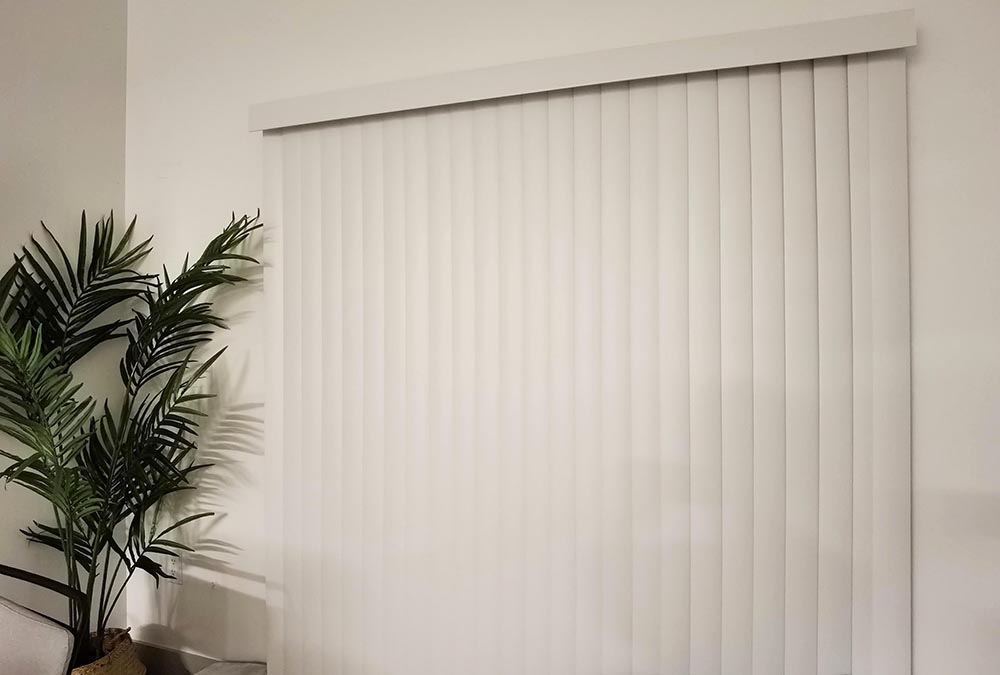
Before we dive into the fixes, let’s talk about the difference between PVC vertical blinds and other types, because that’s key to understanding why they leak light—and how to fix it. Unlike fabric vertical blinds, which have a thicker, more opaque texture that can block more light naturally, PVC vertical blinds are made of a lightweight, durable plastic material. While this makes them easy to clean (just wipe with a damp cloth!), it also means that any gaps or misalignments will be more noticeable when it comes to light leakage. Fabric vertical blinds might let in a soft, diffused light even when closed, but PVC vertical blinds—when properly adjusted—should block almost all light. If yours aren’t, let’s figure out why.
The first step to fixing light leakage is identifying where the light is coming from. Grab a flashlight (or wait until a sunny day) and stand inside your room with the blinds closed. Look closely at the edges of the blinds, between the slats, at the top where the blinds meet the headrail, and at the bottom where they touch the windowsill. Make a note of all the spots where light is seeping through—this will tell you which fix you need to use. For example, if light is coming through the sides, you’ll need a different solution than if it’s coming through gaps between the slats. Let’s break down each problem and its solution, starting with the most common one: misaligned slats.
Misaligned slats are the number one cause of light leakage in PVC vertical blinds. Over time, slats can get twisted, bent, or out of sync with each other, creating tiny gaps where light can slip through. This usually happens from regular use—pulling the cord too hard, kids or pets tugging on the slats, or even just the weight of the slats pulling them out of alignment. The fix here is simple, but it requires a little patience.
To realign your PVC vertical blind slats, start by closing the blinds completely. Then, take a flat, thin object—like a credit card or a butter knife—and gently slide it between the slats to straighten them. Work from top to bottom, making sure each slat is perfectly aligned with the one next to it. If a slat is bent, you can gently bend it back into shape (be careful not to break it—PVC is durable, but it can crack if you bend it too forcefully). For slats that are out of sync with the rotation mechanism, you’ll need to check the headrail. The headrail is the top part of the blinds that holds the slats and the control mechanism. Sometimes, the slat carriers (the small plastic pieces that hold each slat) can get stuck or misaligned. To fix this, gently push the carrier back into place using your finger or a small screwdriver. Once all slats are aligned, test the rotation—they should all turn smoothly and close tightly, with no gaps between them. This fix takes about 15 minutes and requires no tools, making it the easiest place to start.
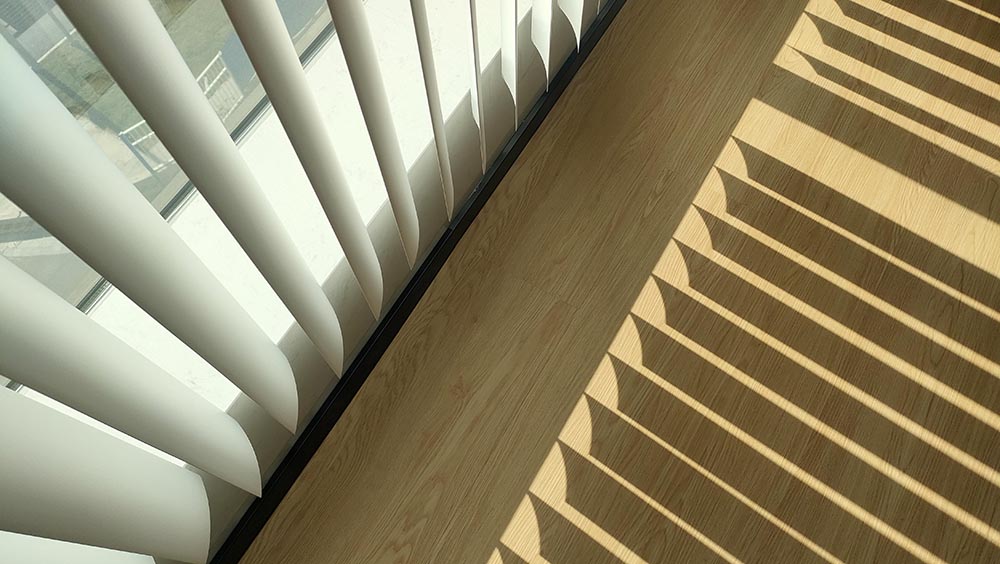
If your slats are aligned but you’re still getting light leakage, the next culprit is usually gaps between the blinds and the window frame. This is called a “light gap,” and it’s a common issue with inside-mounted blinds (blinds that are installed inside the window recess). Inside-mounted PVC vertical blinds are popular because they look clean and sleek, but they leave a small gap on either side of the window frame to allow the blinds to move freely. Unfortunately, this gap is perfect for light to seep through—especially during bright sunlight. The good news is that there are several easy ways to block these gaps without replacing your blinds.
One of the simplest solutions for light gaps is to use self-adhesive PVC light blocker strips. These strips are specifically designed for vertical blinds and are available at most home improvement stores or online (I found mine on Amazon for under $10). They’re thin, flexible, and come in black or white to match your blinds. To install them, clean the edge of the window frame with a damp cloth to remove any dust or dirt. Then, peel off the adhesive backing and stick the strip along the edge of the frame, where the blinds meet the wall. Make sure the strip overlaps the edge of the blinds slightly to block the gap. These strips are removable, so if you ever want to take them down, they won’t damage your walls. I installed these in my bedroom, and they blocked 90% of the light coming through the sides—total game-changer.
Another option for light gaps is to use magnetic light blockers. These are similar to the adhesive strips, but they have magnets that attach to the metal parts of the blinds or the window frame. They’re great for renters because they don’t require any adhesive—just stick them on and remove them when you move out. Magnetic blockers are also adjustable, so you can position them exactly where you need them. I used these on my sliding glass door, which has metal frames, and they worked perfectly. Just make sure to measure the gap before buying, so you get the right size.
If you have outside-mounted PVC vertical blinds (blinds that are installed outside the window frame), light gaps are less common, but they can still happen if the blinds are too small for the window. The fix here is to replace the blinds with a slightly larger size—make sure the blinds extend at least 2-3 inches past the window frame on all sides. This will cover the gaps and block more light. If you don’t want to replace the blinds, you can also add a valance or a cornice to the top of the blinds. A valance is a decorative piece that covers the headrail and the top gap, while a cornice is a wooden or PVC frame that surrounds the blinds. Both options not only block light but also add a finished look to your window.
The third common cause of light leakage is worn-out or broken components. Over time, the slat carriers, control cords, or rotation mechanism in your PVC vertical blinds can wear out, causing the slats to not close properly. If you notice that some slats won’t close all the way, or that the control cord is loose or frayed, it’s time to replace these parts. The good news is that most replacement parts are affordable and easy to install—you don’t need to be a handyman to do it.
Slat carriers are the small plastic pieces that hold each slat in place. If one is broken or missing, the slat won’t align properly, creating a gap. You can buy replacement carriers online or at a home improvement store—just make sure to get the right size for your blinds (most PVC vertical blinds use standard-sized carriers). To replace a carrier, gently pull the slat out of the old carrier, then snap the new carrier into place on the headrail. Then, reattach the slat. It’s that simple. If the control cord is frayed or broken, you can replace it with a new cord—just follow the instructions on the package to thread it through the headrail and slat carriers. A new cord will ensure that the slats close tightly and evenly.
Another worn-out component that can cause light leakage is the bottom weight of the slats. PVC vertical blind slats have a small weight at the bottom to keep them hanging straight. If a weight is missing or broken, the slat will sag, creating gaps between the slats. To fix this, you can buy replacement weights (they’re usually sold in packs) and attach them to the bottom of the slat using the small plastic clips that come with the weights. This will keep the slats hanging straight and close tightly, blocking light.
Now, let’s talk about a more advanced fix: adding side channels. Side channels are narrow, U-shaped pieces of PVC or metal that attach to the window frame and hold the edges of the blinds in place. They’re designed to block light gaps on the sides and top of the blinds, and they’re especially effective for bedrooms or media rooms where you want complete darkness. Side channels are a bit more involved to install than adhesive strips, but they’re still DIY-friendly. You’ll need a drill, screws, and a level to install them. First, measure the height of your window frame and cut the side channels to size. Then, use a level to mark where you’ll drill the holes, and attach the channels to the frame with screws. Once installed, the edges of the blinds will slide into the channels, blocking all light gaps. I installed side channels in my home theater room, and they made a huge difference—now I can watch movies during the day without any glare.
If you’ve tried all these fixes and you’re still getting light leakage, it might be time to consider upgrading to blackout PVC vertical blinds. Blackout PVC vertical blinds are made with a special opaque coating that blocks 99% of light, making them perfect for bedrooms, nurseries, or any room where you want complete darkness. They’re slightly more expensive than regular PVC vertical blinds, but they’re worth it if you’re tired of light leakage. Blackout vertical blinds also offer better insulation, which can help keep your home cool in the summer and warm in the winter—saving you money on energy bills.
Before you go out and buy new blinds, though, let’s recap the fixes we’ve covered—most of them are cheap and easy, and they’ll solve most light leakage issues: align your slats, use adhesive or magnetic light blockers for gaps, replace worn-out components, and install side channels if needed. These fixes work for both inside and outside-mounted PVC vertical blinds, and they’re all DIY-friendly. I’ve used a combination of these fixes in my home, and now my PVC vertical blinds block almost all light—no more early-morning wake-ups from sunlight, and no more glare on my TV.
One final tip: regular maintenance can prevent light leakage from happening in the first place. Dust your PVC vertical blinds regularly (a quick wipe with a damp cloth works), avoid pulling the control cord too hard, and check the slats and components every few months for wear and tear. If you notice a slat starting to bend or a carrier getting stuck, fix it right away—small issues can turn into bigger problems if left unaddressed.
I hope this blog post helps you fix the light leakage in your PVC vertical blinds. It’s a common problem, but it’s not one you have to live with. With a little time and effort, you can have blinds that block light, provide privacy, and look great in your home. If you have any other tips or tricks that worked for you, feel free to leave a comment below—I’d love to hear them. And if you’re still struggling, don’t hesitate to reach out to a local blinds installer—they can help you identify the problem and find the best solution for your home.
Remember, PVC vertical blinds are a great choice for any home—they’re durable, easy to clean, and affordable. Don’t let light leakage ruin your experience with them. Try these fixes, and you’ll be enjoying a dark, cozy room in no time.
Post time: Apr-27-2026