Modern architecture is defined by its blend of sleek design, sustainability, and functional efficiency—every element, from floor plans to window treatments, is chosen to serve a purpose while enhancing the space’s aesthetic appeal. In this context, motorized Venetian blinds have emerged as more than just a window covering; they are a key component of modern building design, addressing common pain points for architects, builders, and homeowners alike. From energy waste and poor light control to clunky manual operations that disrupt a space’s clean lines, these blinds offer practical solutions that align with the core principles of modern architecture.
Yet many in the architecture and design industry, as well as homeowners renovating modern spaces, struggle to integrate window treatments that balance form and function. Traditional manual blinds often clash with the minimalist, streamlined look of modern buildings, while generic off-the-shelf options fail to meet the unique demands of large windows, open floor plans, or eco-friendly design goals.
Unlike conventional blinds, motorized venetian blinds are designed to complement the clean, uncluttered aesthetic of modern architecture while delivering tangible functional benefits. They eliminate the need for unsightly cords or wands, blend seamlessly with large glass walls and floor-to-ceiling windows, and integrate with smart building systems—all while reducing energy costs and improving comfort. For anyone involved in designing, building, or furnishing a modern space, understanding how to leverage these blinds is key to creating a space that is both beautiful and practical.
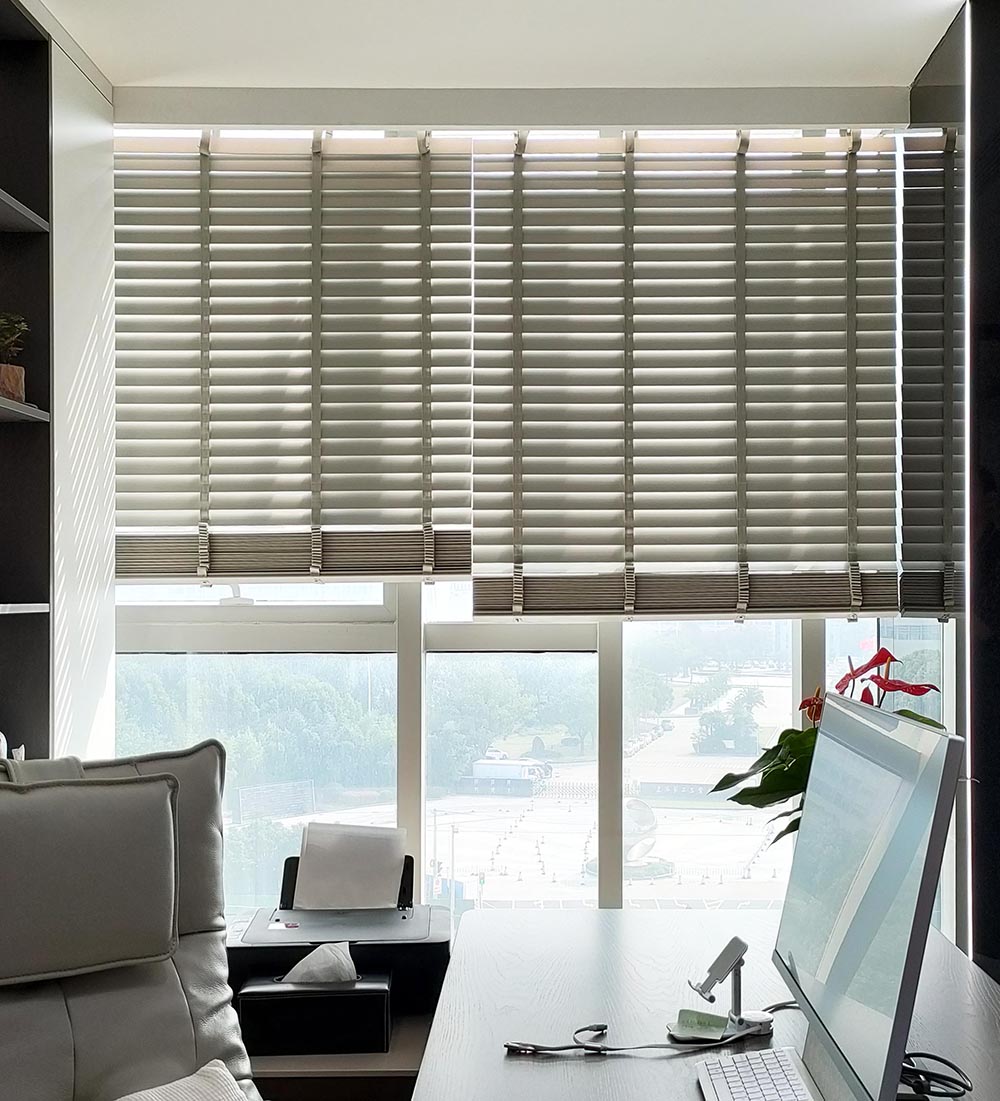
How motorized Venetian blinds integrate with modern architecture principles
Modern architecture prioritizes four core principles: minimalism, sustainability, functionality, and technological integration. Motorized Venetian blinds align with each of these, making them a natural fit for contemporary homes, offices, and commercial buildings. Let’s break down this integration, focusing on how these blinds solve common challenges in modern design:
• Clean Lines and Unobtrusive Design
Modern architecture rejects clutter, favoring clean lines, open spaces, and unobstructed views. Traditional manual blinds, with their cords, wands, and bulky headrails, often disrupt this aesthetic, creating visual chaos that detracts from a space’s streamlined look. Motorized venetian blinds, by contrast, feature sleek, low-profile headrails that blend into window frames, and their cordless operation eliminates unsightly cords that break up the flow of a room.
Auxiliary keyword: Slim Profile Venetian Blinds, a subset of motorized options, are specifically designed for modern spaces. Their ultra-thin headrails and narrow slats (often 1 or 2 inches) maintain the clean lines of modern architecture while still providing full light control and privacy. For example, in a modern home with floor-to-ceiling glass windows, slim profile motorized venetian blinds can be fully retracted, leaving the windows unobstructed and showcasing the view—when needed, they can be quietly lowered or tilted to adjust light, without disrupting the space’s minimalist vibe.
• Energy Efficiency at Its Core
Sustainability is a cornerstone of modern architecture, with builders and designers striving to reduce energy consumption and minimize environmental impact. Windows are a major source of energy waste—heat gains in summer and heat loss in winter—often undermining a building’s eco-friendly goals. Motorized Venetian blinds address this by providing precise light and temperature control, reducing the need for artificial heating, cooling, and lighting.
Unlike manual blinds, which are often left in one position for days (or even weeks), motorized Venetian blinds can be programmed to adjust automatically based on the sun’s position. For example, in a south-facing modern office building, the blinds can be set to tilt closed during the hottest part of the day, blocking harsh sunlight and reducing air conditioning usage. In winter, they can open automatically to let in sunlight, warming the space and reducing heating costs. This level of automation ensures that the blinds are always working to optimize energy efficiency, aligning with the sustainability goals of modern architecture.
• Smart Homes and Buildings
Modern architecture increasingly incorporates smart technology, with buildings designed to be connected, efficient, and responsive to user needs. Motorized Venetian blinds fit seamlessly into this ecosystem, integrating with smart home and building management systems (BMS) to provide centralized control. This integration solves a common frustration for modern building occupants: managing window treatments across large spaces or multiple rooms.
For example, in a modern apartment complex or office building, a BMS can control all motorized Venetian blinds from a single dashboard, adjusting them based on occupancy, time of day, or weather conditions. In a smart home, the blinds can be synced with thermostats, lights, and security systems—closing automatically when the thermostat detects high temperatures, or opening when the lights turn on in the morning. This level of integration not only enhances convenience but also maximizes the functional efficiency of modern spaces.
Key Applications of motorized Venetian blinds in Modern Buildings
Motorized Venetian blinds are versatile enough to suit nearly any modern building type, from residential homes to commercial offices and public spaces. Their adaptability makes them ideal for addressing the unique challenges of different building designs, and their sleek appearance complements a range of modern architectural styles—from minimalist to industrial to contemporary. Below are the most common applications, with a focus on how they solve specific problems:
1. Modern Residential Homes
Modern homes often feature open floor plans, large glass walls, and high ceilings—elements that enhance natural light and space but create challenges for window treatments. Manual blinds are impractical for tall windows or large glass walls, and their cords clash with the home’s minimalist design. Motorized Venetian blinds solve these issues, offering effortless control and a sleek look.
Auxiliary keyword: Faux Wood Venetian Blinds are a popular choice for modern homes, as they combine the warm, natural look of wood with the durability and moisture resistance needed for high-traffic areas. Motorized faux wood blinds are ideal for modern kitchens, bathrooms, and living rooms, where style and practicality are equally important. For example, a modern home with an open-concept kitchen and dining area might use Motorized Faux Wood Venetian Blinds on large windows, allowing the homeowner to adjust light levels for cooking, dining, or relaxing—all with the push of a button.
2. Commercial Offices and Coworking Spaces
Modern offices prioritize employee comfort, productivity, and energy efficiency—all areas where motorized Venetian blinds excel. Large windows in open-plan offices can cause glare on computer screens, leading to eye strain and reduced productivity. Manual blinds are difficult to adjust across large spaces, and inconsistent positioning can create uneven lighting.
Motorized Venetian blinds solve this by allowing centralized control of all blinds in the office, ensuring consistent light levels throughout the space. They can be programmed to adjust based on the time of day, reducing glare during peak sunlight hours and maximizing natural light during overcast days. This not only improves employee comfort but also reduces energy costs by minimizing the need for artificial lighting and air conditioning.
3. Hospitality and Public Spaces
Modern hotels, restaurants, and public buildings (such as museums and community centers) often feature large windows and glass facades to create an open, inviting atmosphere. However, these spaces face unique challenges: balancing privacy with natural light, maintaining a consistent aesthetic, and managing window treatments across large, high-traffic areas.
Motorized Venetian Blinds are ideal for these spaces, as they offer discreet, effortless control. For example, a modern hotel might use motorized aluminum Venetian blinds in guest rooms—aluminum is durable, easy to clean, and available in sleek, neutral colors that complement the hotel’s design. Guests can adjust the blinds with a remote control, while hotel staff can reset them to a standard position between guests. In public spaces like museums, motorized Venetian blinds can be used to protect artwork from harsh sunlight, adjusting automatically to maintain optimal light levels.
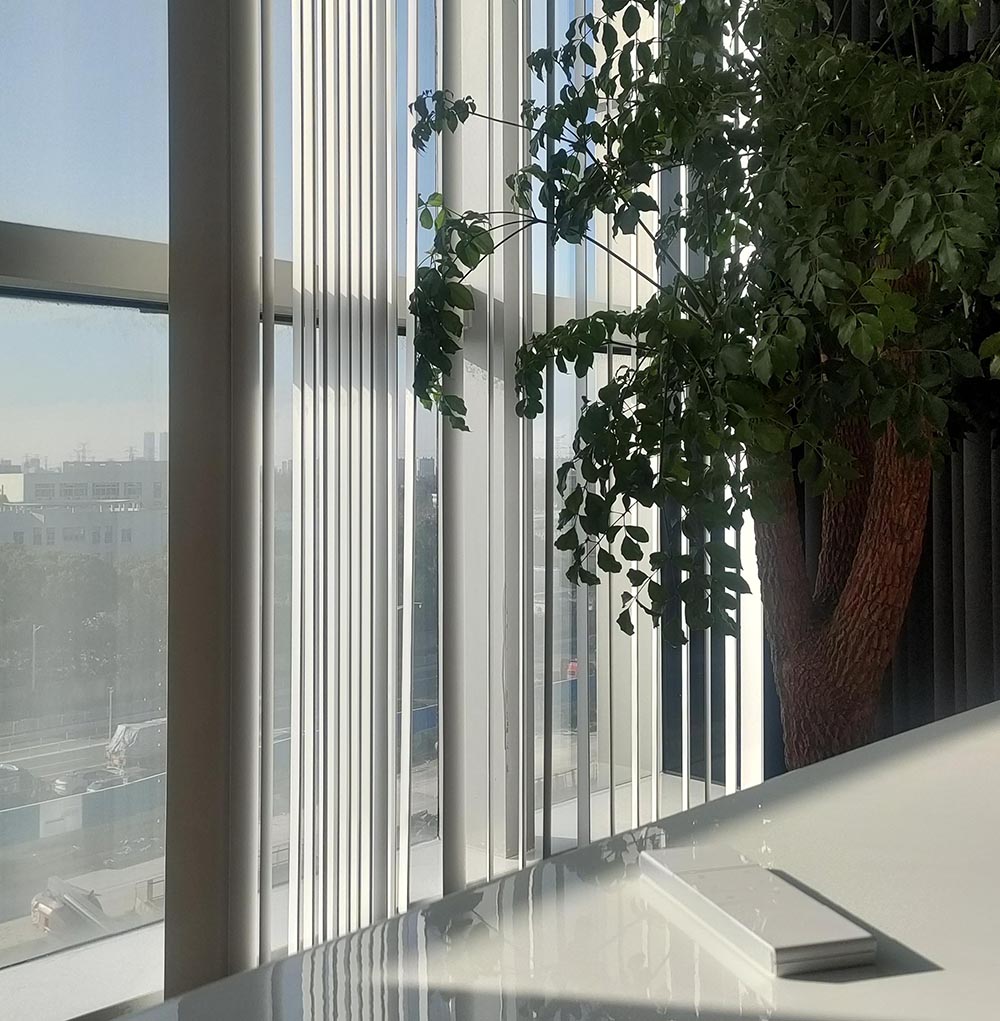
Motorized Venetian Blinds Transforming Modern Spaces (Real-World Examples)
To illustrate how motorized Venetian blinds work in real modern buildings, let’s look at two examples that highlight their practical benefits and design integration:
Example 1: A Minimalist Modern Home in Urban Areas
An architecture firm designed a minimalist modern home in a busy urban area, featuring floor-to-ceiling glass windows that overlook the city skyline. The homeowners wanted to maximize natural light and the view, but also needed privacy from neighboring buildings and control over glare. Traditional manual blinds were ruled out because they would block the view when retracted and disrupt the home’s clean lines.
The firm recommended Motorized Slim Profile Venetian Blinds with a matte black finish, matching the home’s black window frames and minimalist decor. The blinds were programmed to open at sunrise, letting in natural light, and tilt closed during the afternoon to block glare and provide privacy. The homeowners could also control the blinds via a smartphone app, adjusting them remotely when they were away from home. The result was a space that maintained its minimalist aesthetic while offering practical light and privacy control. The blinds blended seamlessly with the glass windows, and their motorized operation eliminated the need for cords or wands, keeping the space clutter-free.
The homeowners noted that the blinds reduced their energy bills by 20% in the first year, as they no longer needed to run the air conditioning as frequently during the summer. They also appreciated the convenience of the app control, which allowed them to adjust the blinds before arriving home, ensuring the space was comfortable and private.
Example 2: A Modern Coworking Space
A coworking space operator renovated a historic building into a modern, open-plan workspace, featuring large windows and high ceilings. The operator faced two main challenges: reducing glare on computer screens to improve employee productivity, and maintaining a consistent, professional aesthetic across the space. Manual blinds were impractical because the space was large (over 5,000 square feet) and had windows at varying heights, making them difficult to adjust uniformly.
The operator installed motorized aluminum Venetian blinds throughout the space, choosing a light gray finish that complemented the workspace’s neutral color palette. The blinds were connected to a building management system, allowing staff to control all blinds from a single dashboard. They programmed the blinds to tilt open slightly during the morning to let in natural light, tilt closed during midday to reduce glare, and open again in the afternoon. The system also allowed individual users to adjust the blinds at their workstations via a wall-mounted switch, giving them control over their immediate environment.
Within a month of installation, the operator noticed a significant improvement in employee satisfaction—feedback surveys showed that 80% of users reported less eye strain and greater comfort. The consistent light levels also made the space feel more professional and inviting, helping to attract new members. The motorized Venetian blinds also reduced the coworking space’s energy costs by 15%, as they minimized the need for artificial lighting and air conditioning.
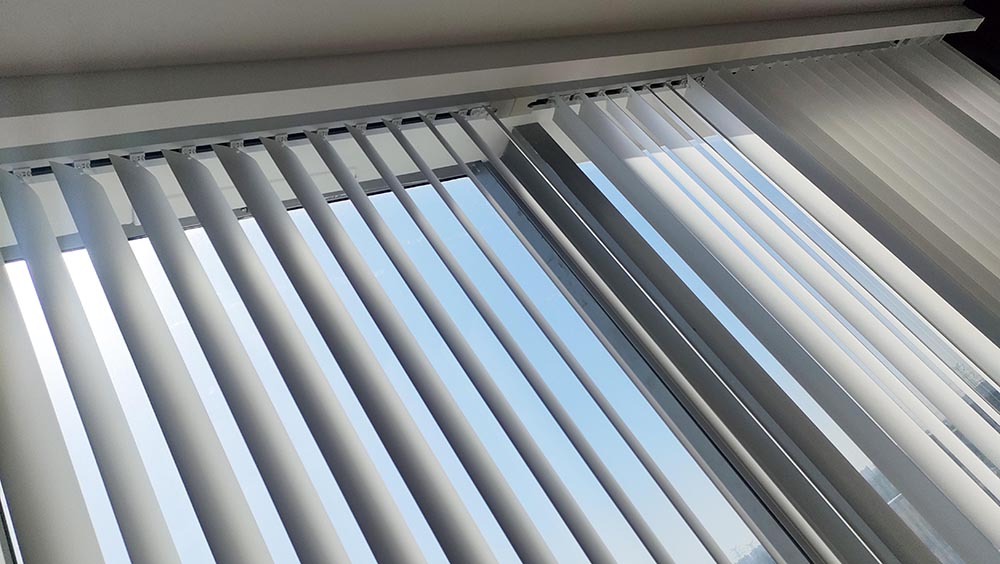
Practical Tips for Choosing motorized Venetian blinds for Modern Architecture
Choosing the right motorized Venetian blinds for a modern building requires careful consideration of design, functionality, and integration with the building’s systems. Below are actionable tips to help architects, builders, and homeowners make the right choice, avoiding common pitfalls and ensuring the blinds enhance the space’s form and function:
• Match the Blind Profile to the Building’s Aesthetic: Modern architecture favors slim, unobtrusive design, so opt for motorized Venetian blinds with slim headrails and narrow slats (1-2 inches) to maintain clean lines. Avoid bulky headrails or wide slats, which can disrupt the space’s minimalist look. Choose colors that complement the building’s exterior and interior—neutral tones like black, white, gray, or beige work best for most modern spaces, while bold colors can be used as an accent in select areas.
• Prioritize Energy Efficiency: Look for blinds with energy-efficient features, such as thermal insulation or light-reflective slats. Faux wood and aluminum blinds are good choices for energy efficiency, as they block heat transfer and reflect sunlight. Additionally, choose a motorized system with scheduling capabilities, allowing the blinds to adjust automatically based on the sun’s position—this will maximize energy savings without requiring manual intervention.
• Ensure Compatibility with Smart Systems: If the building uses a smart home or building management system, choose motorized Venetian blinds that integrate seamlessly with it. Look for blinds compatible with popular systems like Alexa, Google Home, or BMS platforms, as this will allow for centralized control and automation. Avoid blinds with proprietary control systems that are difficult to integrate with existing technology.
• Consider the Building’s Usage and Traffic: For high-traffic areas like offices, hotels, or public spaces, choose durable materials like aluminum or faux wood, which are easy to clean and resistant to wear and tear. For residential spaces, wooden or faux wood blinds may be more suitable for their warm, natural look. For spaces with moisture (like bathrooms or kitchens), opt for moisture-resistant materials to prevent warping or damage.
• Work with a Reputable Manufacturer: Not all motorized Venetian blinds are created equal—cheap, low-quality blinds may have noisy motors, poor craftsmanship, or limited functionality, which can detract from a modern space. Work with a manufacturer that specializes in blinds for modern architecture, offering high-quality motors, durable materials, and custom options. Ask for references or examples of their work in modern buildings to ensure they understand the unique needs of contemporary design.
• Plan for Installation Early: Motorized Venetian blinds, especially hardwired ones, require planning during the building’s construction or renovation phase. Work with the architect and builder to ensure the window frames are designed to accommodate the blinds’ headrails, and that electrical wiring (for hardwired motors) is installed before the walls are finished. This will avoid costly modifications later and ensure the blinds integrate seamlessly with the building’s design.
Why motorized Venetian blinds are essential for modern architecture
In modern architecture, every element must serve a purpose—beauty alone is not enough. motorized Venetian blinds excel in this regard, offering a perfect balance of form and function. They enhance the clean, minimalist aesthetic of modern spaces while solving common challenges like energy waste, glare, and impractical manual operation. They integrate with smart technology, align with sustainability goals, and adapt to a wide range of building types, from residential homes to commercial offices.
For architects and designers, motorized Venetian blinds provide a versatile window treatment solution that complements modern design principles, allowing them to create spaces that are both beautiful and practical. For homeowners and building occupants, they offer convenience, comfort, and energy savings, making modern spaces more livable and efficient. And for builders, they are a cost-effective addition that adds value to the property, as modern buyers and tenants increasingly prioritize smart, sustainable features.
As modern architecture continues to evolve, motorized Venetian blinds will remain a key component, adapting to new technologies and design trends while maintaining their core benefits. Whether you’re designing a new modern home, renovating an existing space, or outfitting a commercial building, these blinds are more than just a window covering—they are an investment in the space’s functionality, sustainability, and aesthetic appeal.
By choosing the right motorized Venetian blinds and integrating them thoughtfully into the design, you can create a modern space that is both visually stunning and practically perfect—one that meets the needs of today’s occupants while aligning with the principles of contemporary architecture.
Post time: Mar-19-2026