Large windows are a double-edged sword for homeowners: they bring in abundant natural light, enhance curb appeal, and make rooms feel airy and spacious—but they’re also one of the biggest culprits of energy waste and uncomfortable indoor temperatures. If you’ve ever felt your living room turn into a sauna on a hot summer day or noticed your heating bill spike in winter, your window coverings (or lack thereof) are likely to blame. This is where Venetian Blinds for Large Windows shine—not just as a stylish decor choice, but as a practical tool to regulate indoor temperature and boost energy efficiency.
After years of helping homeowners optimize their homes for comfort and cost savings, I’ve learned that many people underestimate the power of well-chosen Venetian blinds. They see them as just a way to control light and privacy, but the right Venetian Blinds can reduce energy bills by 10-25% (depending on your climate and window size)—a significant savings that adds up over time. The key is understanding how these blinds interact with heat transfer, and how to use them strategically to keep your home cool in summer and warm in winter.
How Venetian Blinds Regulate Temperature
To understand how Venetian Blinds for Large Windows impact indoor temperature, you first need to grasp the basics of heat transfer through windows. Windows lose and gain heat in three main ways: conduction (heat moving through the glass), convection (warm air rising and cool air sinking near the window), and radiation (heat from the sun or indoor sources transferring through light). Venetian blinds interrupt all three processes—when used correctly—acting as a barrier between your home and the outside elements.
Unlike heavy curtains that block light entirely, Venetian blinds offer adjustable control. Their slats (typically 1-3 inches wide) can be tilted to reflect sunlight, trap air, or allow controlled light in—all while reducing heat transfer. For large windows, this adjustability is critical: a single large window can lose more heat in winter than a small window, so having precise control over how much heat enters or escapes is key to energy efficiency.
Here’s the breakdown: in summer, tilted slats reflect solar radiation (the sun’s heat) away from your home, preventing it from warming up the interior. In winter, closed or slightly tilted slats trap a layer of air between the blinds and the window—air is a poor conductor of heat, so this layer acts as insulation, reducing heat loss from inside to outside. The material and slat size of your faux wood Venetian Blinds (a popular choice for large windows) further enhances this effect, as we’ll explore later.
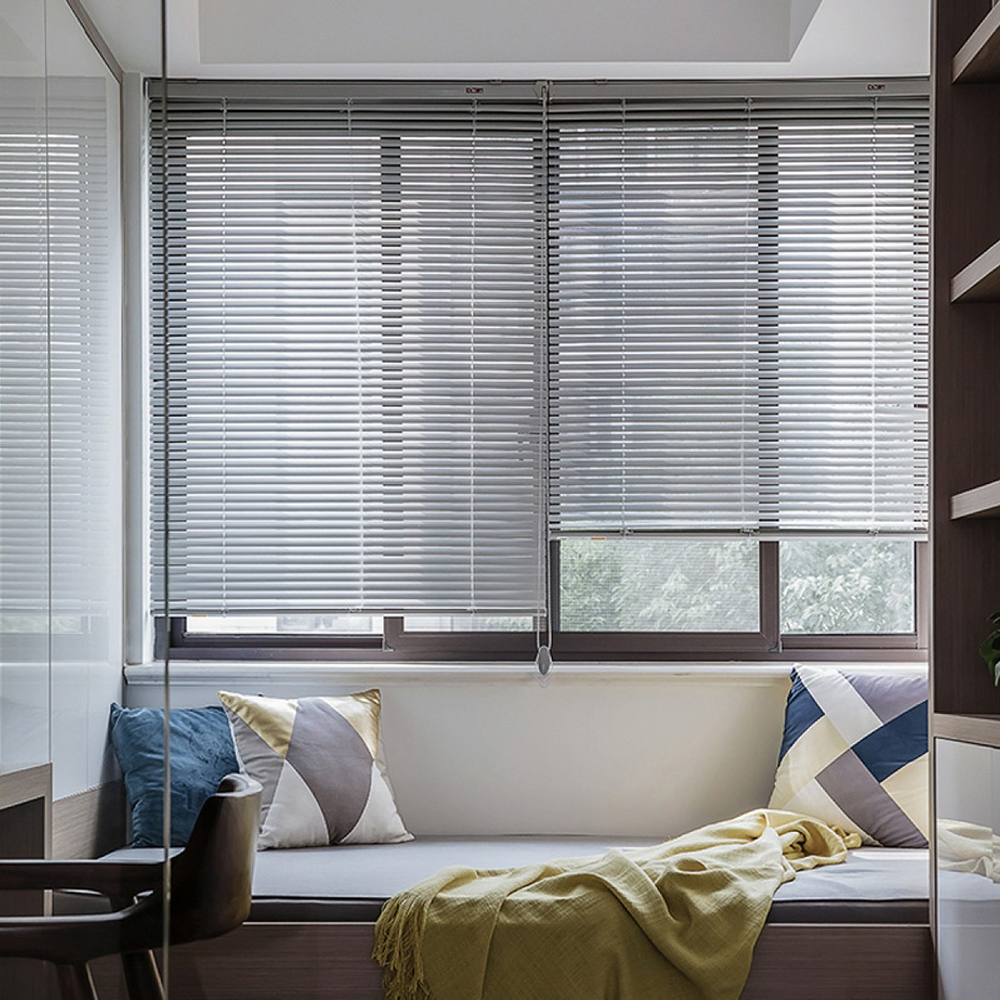
Why Large Windows Need Special Venetian Blind Considerations
Large windows (typically 4 feet wide or more, or floor-to-ceiling designs) amplify the effects of heat transfer—for better or worse. A standard 3×5 foot window might lose a moderate amount of heat, but a 6×8 foot large window can lose twice as much, making your HVAC system work harder to maintain a comfortable temperature. This is why Venetian Blinds for Large Windows can’t be treated the same as blinds for small windows—they need to be sturdier, properly sized, and chosen with energy efficiency in mind.
One common mistake I see is installing cheap, flimsy Venetian blinds on large windows. Thin plastic slats or poorly fitted blinds leave gaps around the edges, allowing air to seep through and negating any insulation benefits. Similarly, choosing slats that are too small (1 inch or less) for a large window means more gaps between slats, reducing their ability to trap air and reflect heat. For large windows, the goal is to minimize gaps, maximize the insulation layer, and ensure the blinds cover the entire window (including the frame, if possible) to block as much heat transfer as possible.
Another factor is weight: large Venetian blinds are heavier, so they need reinforced headrails and proper mounting to stay in place. A sagging blind creates gaps at the top or sides, which let in cold air in winter and hot air in summer. This is why heavy-duty Venetian Blinds (designed specifically for large windows) are worth the investment—they’re built to stay straight, cover the window fully, and provide consistent insulation.
Summer: How to Use Venetian Blinds to Keep Your Home Cool
In summer, the primary goal is to block solar heat gain—the heat from the sun that enters your home through windows and raises indoor temperatures. Venetian Blinds for Large Windows are ideal for this because their adjustable slats let you reflect sunlight without completely blocking natural light (unlike blackout curtains, which make rooms feel dark and stuffy).
Here are my proven, practical tips for using Venetian blinds to cool your home in summer:
• Tilt slats correctly: Tilt the slats downward at a 45-degree angle (facing the outside of the window). This reflects sunlight away from the glass, preventing it from heating up the interior. Avoid tilting slats upward—this directs sunlight toward the ceiling, where it can still warm the room. For east-facing windows (which get morning sun), tilt slats downward in the morning; for west-facing windows (afternoon sun), keep slats tilted downward from late morning to early evening.
• Close blinds during peak sunlight hours: For windows that get direct sunlight (especially south-facing windows), close the blinds completely between 10 AM and 4 PM. This blocks the most intense solar radiation and can reduce indoor temperatures by 5-10 degrees Fahrenheit. For large windows, this simple step can cut your air conditioning usage by 15-20%.
• Choose light-colored slats: Light-colored slats (white, beige, light gray) reflect more sunlight than dark-colored slats, which absorb heat. For large windows, light-colored aluminum Venetian Blinds or faux wood blinds are ideal—they reflect solar heat while still looking stylish. Avoid dark wood or black slats for south-facing large windows, as they will absorb heat and make your home warmer.
• Ensure a tight fit: Make sure your blinds fit the window properly—no gaps around the edges. For inside-mount blinds, measure carefully to ensure they fit snugly within the frame; for outside-mount blinds, extend them 3-4 inches beyond the window frame to block sunlight that would otherwise seep around the edges.
I had a client with a 7-foot-wide south-facing living room window who was struggling with sky-high AC bills. After installing light-colored faux wood Venetian blinds and following these tips, their summer energy bills dropped by 22%—and their living room felt significantly cooler without needing to crank the AC.
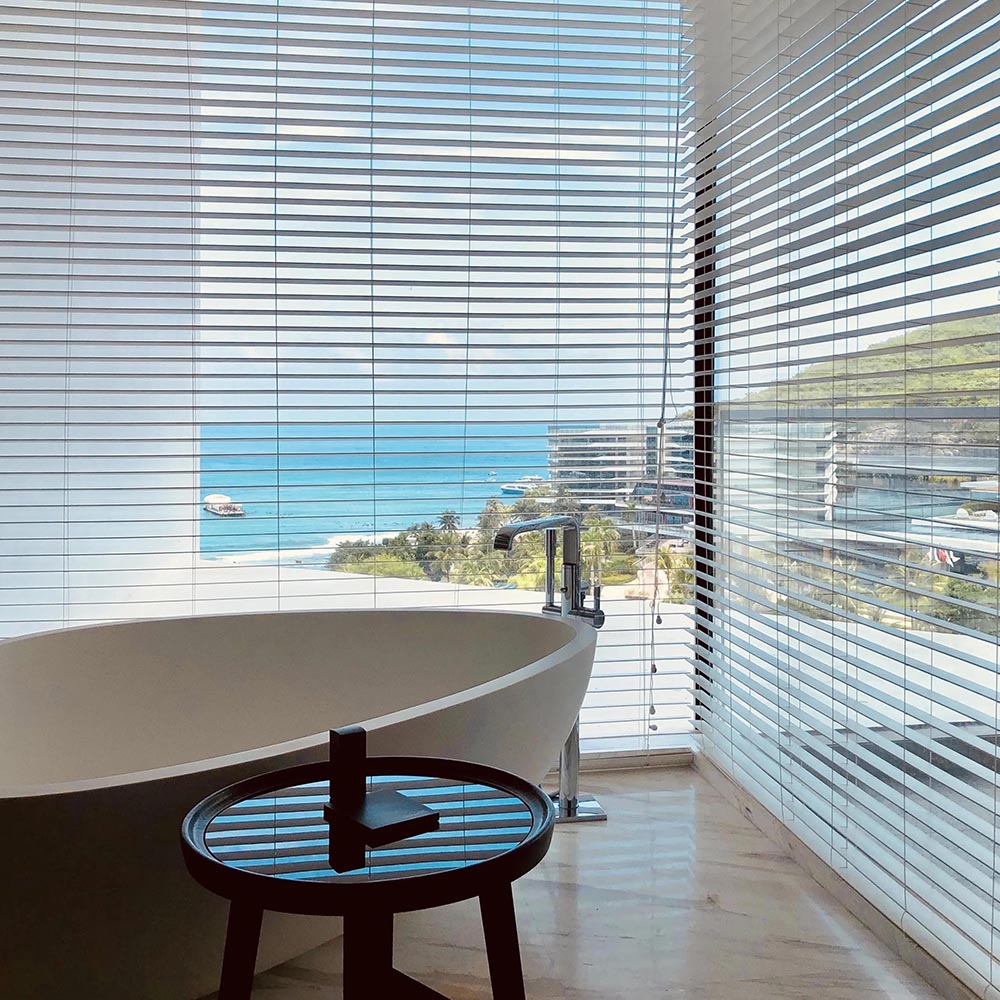
Winter: How to Use Venetian Blinds to Keep Your Home Warm
In winter, the goal is to reduce heat loss through windows—up to 30% of a home’s heat is lost through windows, and large windows make this problem worse. Venetian Blinds for Large Windows act as insulation by trapping a layer of air between the slats and the glass, which slows down heat transfer from inside to outside.
Here’s how to use Venetian blinds to maximize warmth and reduce heating costs in winter:
• Close blinds at night: Once the sun goes down, close your Venetian blinds completely. This traps the warm air inside your home and creates a barrier against the cold outside air. For large windows, this is especially important—closing the blinds at night can reduce heat loss by 10-15%.
• Tilt slats upward during the day: On sunny winter days, tilt the slats upward at a 45-degree angle to let sunlight enter your home. This allows solar heat to warm the room naturally (a process called passive solar heating), reducing the need for artificial heating. For south-facing large windows, this can warm the room by 3-5 degrees Fahrenheit, cutting down on heating costs.
• Choose insulated slats: Faux wood or wood Venetian Blinds are better insulators than aluminum blinds. Faux wood slats are often made with a foam core, which adds extra insulation and reduces heat loss. For large windows in cold climates, faux wood blinds are the best choice—they’re durable, moisture-resistant, and provide better insulation than aluminum or plastic.
• Add a secondary layer (optional): For extra insulation, pair your Venetian blinds with sheer curtains. The curtains add another layer of air trapping, further reducing heat loss. This is a great option for large windows in very cold climates (like the northern U.S. or Canada).
Another client in a cold climate had a floor-to-ceiling large window in their master bedroom. They were losing so much heat that their bedroom was 5 degrees colder than the rest of the house. After switching to insulated faux wood Venetian blinds and closing them at night, their bedroom stayed warm, and their heating bill dropped by 18% that winter.
Choosing the Right Venetian Blinds for Large Windows
Not all Venetian Blinds for Large Windows are created equal—some are far more energy-efficient than others. When shopping for blinds, focus on these key factors to maximize temperature control and energy savings:
1. Material Matters
The material of your Venetian blinds directly impacts their insulation properties:
• Faux Wood Venetian Blinds: The best all-around choice for large windows. They’re made with a foam core that provides excellent insulation, resistant to warping (even in humid climates), and available in a variety of styles. They reflect heat in summer and trap warmth in winter, making them ideal for year-round energy efficiency.
• Aluminum Venetian Blinds: Great for warm climates. They’re lightweight, durable, and reflect sunlight well, which helps keep homes cool in summer. However, they’re not as good at insulating in winter, so they’re better suited for regions with mild winters.
• Real Wood Venetian Blinds: Good insulators, but they can warp in high humidity or direct sunlight. They’re best for low-humidity climates and windows that don’t get intense direct sunlight. They add warmth to a room but require more maintenance than faux wood.
2. Slat Size
For large windows, wider slats (2-3 inches) are more energy-efficient than narrow slats (1 inch or less). Wider slats have fewer gaps between them, which reduces air flow and heat transfer. They also trap more air between the slats and the window, enhancing insulation. For windows wider than 5 feet, 2.5-inch slats are ideal—they balance coverage, style, and energy efficiency.
3. Fit and Installation
A poorly fitted blind is useless for energy efficiency. For Venetian Blinds for Large Windows, always measure carefully and choose the right mount:
• Inside Mount: Best if your window frame is deep enough (at least 2 inches). It fits snugly inside the frame, reducing gaps around the edges.
• Outside Mount: Better for windows with narrow frames or uneven edges. Extend the blinds 3-4 inches beyond the frame on all sides to block sunlight and prevent air seepage.
Also, ensure the blinds are mounted securely with multiple brackets—large blinds are heavy, and sagging can create gaps that reduce insulation.
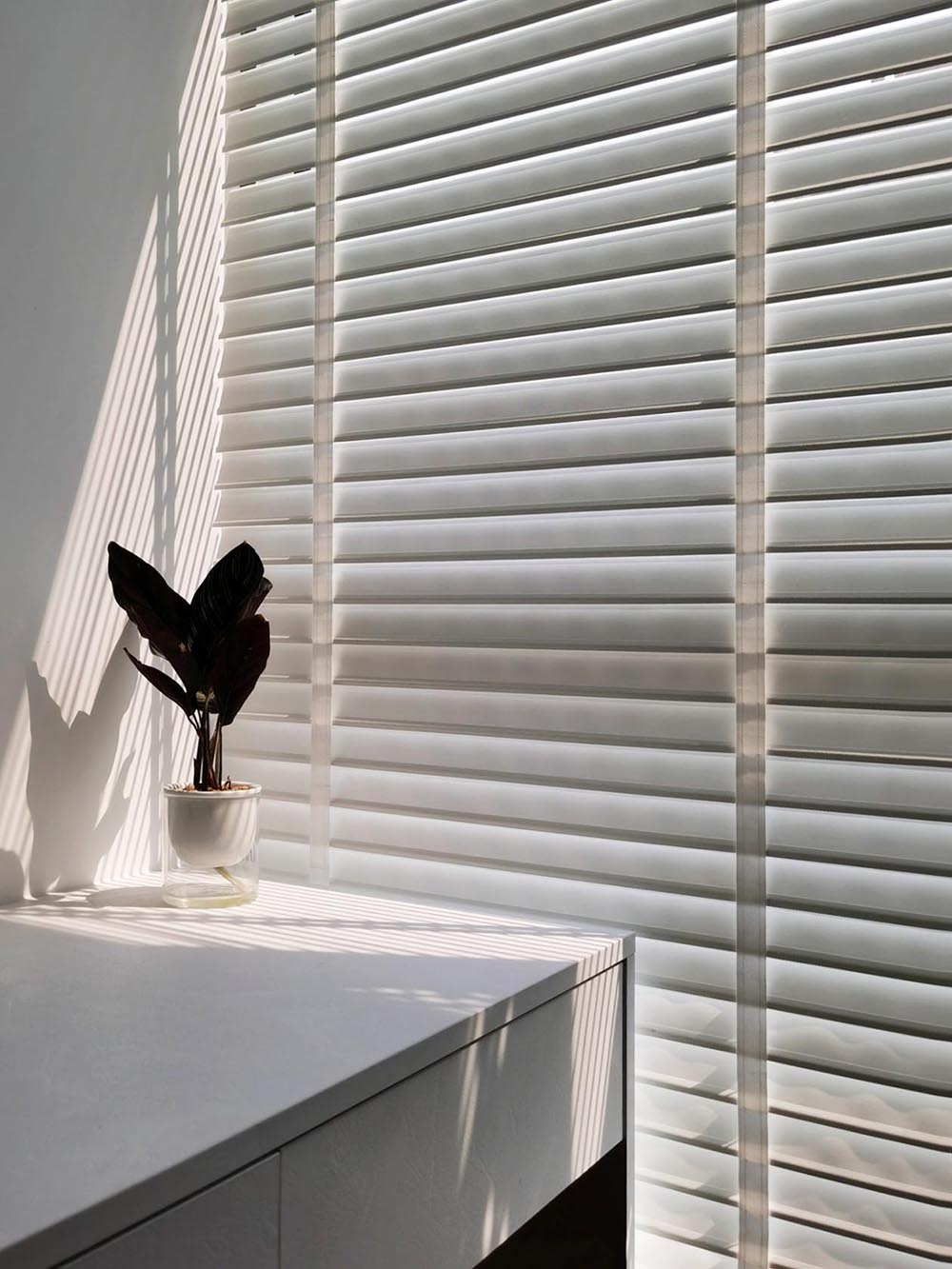
Common Misconceptions About Venetian Blinds and Energy Efficiency
Over the years, I’ve heard a lot of myths about Venetian Blinds and their impact on temperature and energy use. Let’s debunk the most common ones:
Myth 1: Venetian blinds don’t insulate as well as curtains.
Fact: While thick curtains can provide good insulation, Venetian blinds offer better adjustable control. Curtains are either open or closed, but blinds let you tilt slats to reflect heat, let in light, or trap air—making them more versatile for year-round use. When paired with a sheer curtain, Venetian blinds can insulate just as well as heavy curtains.
Myth 2: Dark slats are better for winter warmth.
Fact: Dark slats absorb more sunlight, which can help warm a room during the day—but they also absorb heat from inside the home at night, increasing heat loss. Light slats reflect sunlight in summer and trap air better in winter, making them more energy-efficient year-round.
Myth 3: All Venetian blinds are the same for energy efficiency.
Fact: Material, slat size, and fit all impact energy efficiency. A cheap plastic blind with narrow slats will do little to insulate your home, while a high-quality faux wood blind with wide slats and a tight fit can reduce energy bills significantly.
FAQs: Venetian Blinds for Large Windows & Energy Efficiency
To wrap things up, let’s answer the most common questions I get about Venetian Blinds for Large Windows and their impact on indoor temperature and energy efficiency.
Q1: Can Venetian blinds really reduce energy bills?
A: Yes! According to the U.S. Department of Energy, well-chosen window coverings (including Venetian blinds) can reduce energy bills by 10-25%. For large windows, the savings are even more significant because large windows lose more heat and gain more solar heat than small windows.
Q2: Which is better for energy efficiency: Venetian blinds or roller blinds?
A: Venetian blinds are better for adjustable control. Roller blinds are either open or closed, but Venetian blinds let you tilt slats to reflect heat, let in light, or trap air—making them more versatile for year-round energy savings. Roller blinds can provide good insulation when closed, but they lack the adjustability of Venetian blinds.
Q3: Do I need to replace my existing Venetian blinds for better energy efficiency?
A: Not necessarily. If your current blinds are in good condition, fit properly, and are made of a durable material (like faux wood or aluminum), you can improve their energy efficiency by using them strategically (closing at night in winter, tilting slats in summer). However, if your blinds are flimsy, have gaps, or are made of cheap plastic, replacing them with high-quality Venetian Blinds for Large Windows will yield better savings.
Q4: Are motorized Venetian blinds more energy-efficient?
A: Motorized blinds themselves aren’t more energy-efficient than manual blinds, but they make it easier to use your blinds strategically. For example, you can set them to close automatically at night in winter or during peak sunlight hours in summer—ensuring you never forget to adjust them, which maximizes energy savings. They’re especially useful for large, hard-to-reach windows.
Venetian Blinds for Large Windows are far more than just a decor accessory—they’re a practical, cost-effective way to regulate indoor temperature and boost energy efficiency. By understanding how they interact with heat transfer, using them strategically (tilting slats, closing during peak hours), and choosing the right material and size, you can keep your home comfortable year-round while cutting down on energy bills.
The key takeaway? Don’t overlook the power of well-chosen Venetian blinds. For large windows, investing in high-quality, properly fitted blinds will pay off in the long run—saving you money, reducing your carbon footprint, and making your home a more comfortable place to live. Whether you’re dealing with scorching summers or freezing winters, the right Venetian blinds can make all the difference.
Post time: May-14-2026