Let me set the scene: It’s a Saturday morning, you’re sipping your coffee, and you glance over at your living room window. Your Venetian Blinds Slats are supposed to be a sleek, polished addition to the space—something that controls light, adds privacy, and ties the room together. But instead, they’re lopsided. One side hangs an inch lower than the other, a few slats are twisted so they catch the light weirdly, and when you tilt the wand, half the slats move and the other half stay stuck. Sound familiar? If you’ve ever dealt with uneven Venetian Blinds Slats, you know how frustrating it can be. It’s not just an eyesore; it defeats the whole purpose of having blinds in the first place.
I’ve been there too. A few months ago, my kitchen Venetian blinds started acting up—after a particularly rowdy dinner party where a guest accidentally tugged the lift cord too hard, the slats were all out of whack. I considered calling a professional, but then I realized most alignment issues are fixable with a little patience, some basic tools, and zero expertise. No need to spend money on a replacement or a repair service when you can do it yourself in an hour or less. That’s why I’m sharing this step-by-step guide: to help you fix uneven Venetian Blinds Slats without the hassle, using tips that actually work for real-life homeowners.
First, let’s get one thing straight: uneven Venetian Blinds Slats aren’t a sign that your blinds are “broken” or need to be thrown away. More often than not, the issue is something simple—like uneven cord tension, misaligned mounting brackets, or a tangled tilt mechanism. Before you panic and buy new blinds, take 10 minutes to diagnose the problem. Trust me, it’s almost always fixable.
Let’s start with the basics: identifying the type of misalignment you’re dealing with. Not all uneven Venetian Blinds Slats issues are the same, and the fix depends on what’s wrong. Here are the most common problems I’ve encountered (and fixed!)):
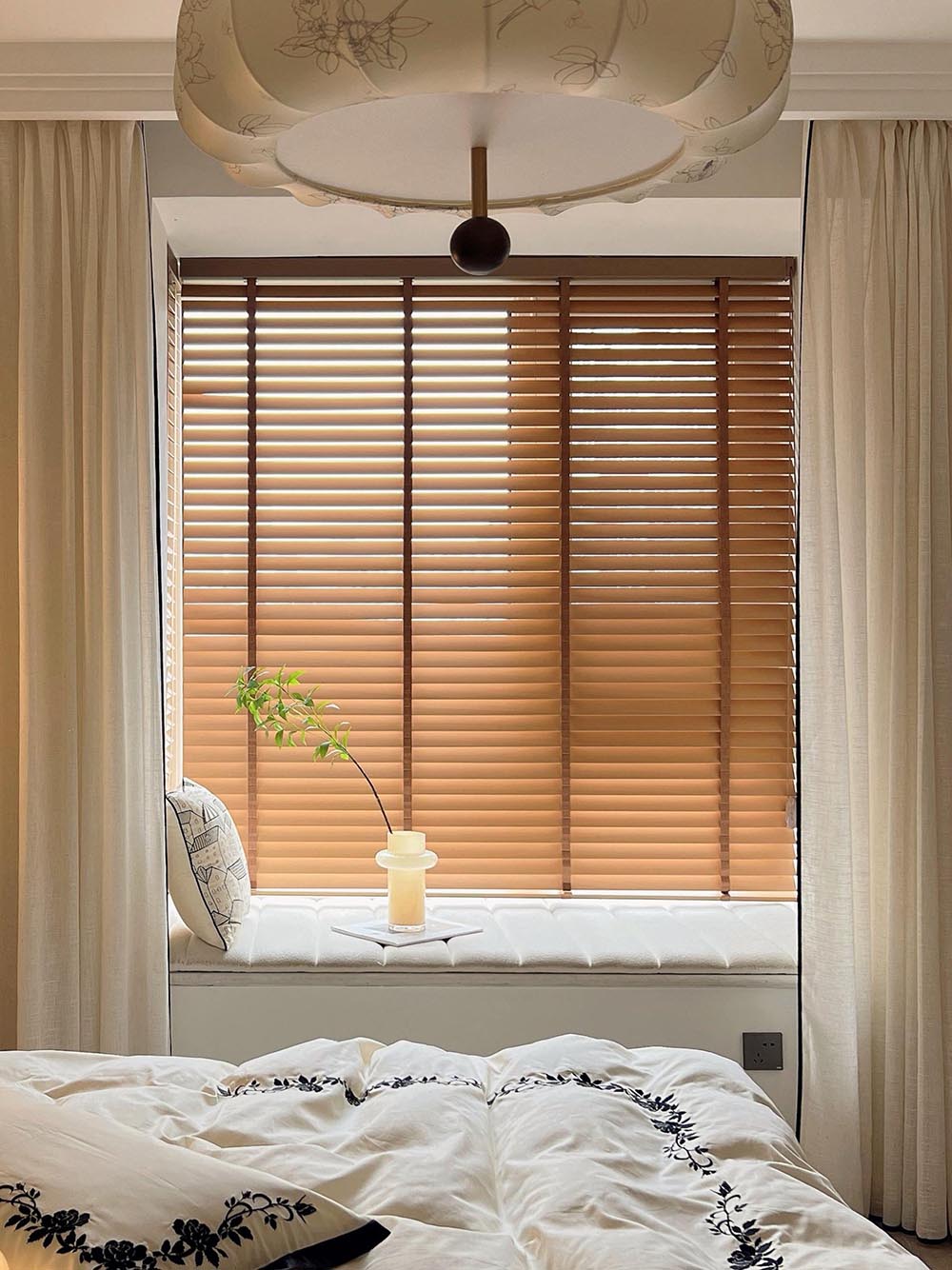
Common Types of Venetian Blinds Slats Alignment Issues
1. One side of the blinds hangs lower than the other: This is the most common issue, and it’s usually caused by uneven tension in the lift cords. Imagine pulling one side of a rope harder than the other—your blinds will tilt. I had this problem with my bedroom Venetian blinds after my cat decided to use the lift cord as a toy. She tugged one side repeatedly, and soon enough, the left side was 2 inches lower than the right. It looked messy, and it let in sunlight where I didn’t want it.
2. Slats are twisted or misaligned individually: Sometimes, the entire blind hangs straight, but a few slats are twisted or sitting at an angle. This happens when slats get caught in the ladder strings (the fabric or plastic strips that hold the slats in place) or when they’re knocked out of position by kids, pets, or even a vacuum cleaner. My living room blinds had this issue—after vacuuming the window sill, I noticed three slats were twisted, making the whole blind look unkempt.
3. Slats won’t tilt uniformly: You twist the tilt wand, and some slats open all the way, some stay closed, and others are somewhere in between. This is usually a problem with the tilt mechanism, which is the part inside the headrail (the top part of the blinds) that controls the slats. I had this issue with my home office Venetian blinds—turning the wand felt “sticky,” and the slats wouldn’t move in sync. It made it impossible to control the light, which was a nightmare when I was trying to work.
4. The entire blind is crooked (not just one side): If your Venetian Blinds are mounted crookedly, the whole thing will look uneven, even if the slats are straight. This is an installation issue—either the mounting brackets are misaligned, or they’re loose. I saw this when my friend moved into a new apartment; the previous owner had installed the blinds hastily, and the whole thing was tilted to the right. It drove her crazy until we fixed it together.
Now that you know what to look for, let’s dive into the fixes. I’ll break each one down step by step, with tips that are easy to follow and require minimal tools. All you’ll need is a screwdriver (Phillips or flathead, depending on your blinds), a soft cloth, a step ladder (if your blinds are high), and maybe some replacement cord or a small level (for mounting bracket issues). No fancy tools required—promise.
Fix #1: Uneven Lift Cord Tension
If one side of your Venetian Blinds hangs lower than the other, the problem is almost certainly uneven tension in the lift cords. Lift cords are the strings that you pull to raise and lower the blinds, and over time, they can stretch, fray, or get tangled, leading to uneven tension. Here’s how to fix it:
Step 1: Fully lower the blinds. This gives you full access to the lift cords and makes it easier to adjust the tension. Make sure the slats are closed (tilted down) so they’re not in the way.
Step 2: Locate the cord lock. The cord lock is the mechanism inside the headrail that holds the lift cords in place when you’re not pulling them. It’s usually near the tilt wand. Gently remove the cover of the headrail (if there is one) to access the cord lock—some headrails have a snap-on cover, while others require a screwdriver to remove.
Step 3: Adjust the tension. Look at the two lift cords (one on each side) and see which one is looser. The looser cord is the one causing the uneven hang. Gently pull the looser cord until the blinds are level. Once they’re level, test the cord lock by letting go of the cord—if it stays in place, you’re done. If not, you may need to adjust the cord lock itself.
Step 4: Fix frayed or stretched cords. If your lift cords are frayed or stretched out, adjusting the tension won’t be enough—you’ll need to replace them. Replacement cords are cheap (usually $5-$10 at hardware stores) and easy to install. Here’s how: Remove the bottom rail end caps (the plastic pieces at the end of the bottom slat), untie the knots holding the old cord in place, and thread the new cord through the slats and headrail, following the same path as the old cord. Tie the new cord in a knot at the bottom rail, replace the end caps, and adjust the tension as needed. I had to replace the lift cords on my kitchen Venetian blinds after my dog chewed one of them— it took 15 minutes and cost $7.
Pro tip: When pulling the lift cords, always pull both sides evenly. Tugging one side harder than the other is the number one cause of uneven tension. I learned this the hard way after repeatedly pulling the right side of my blinds to open them faster—oops.
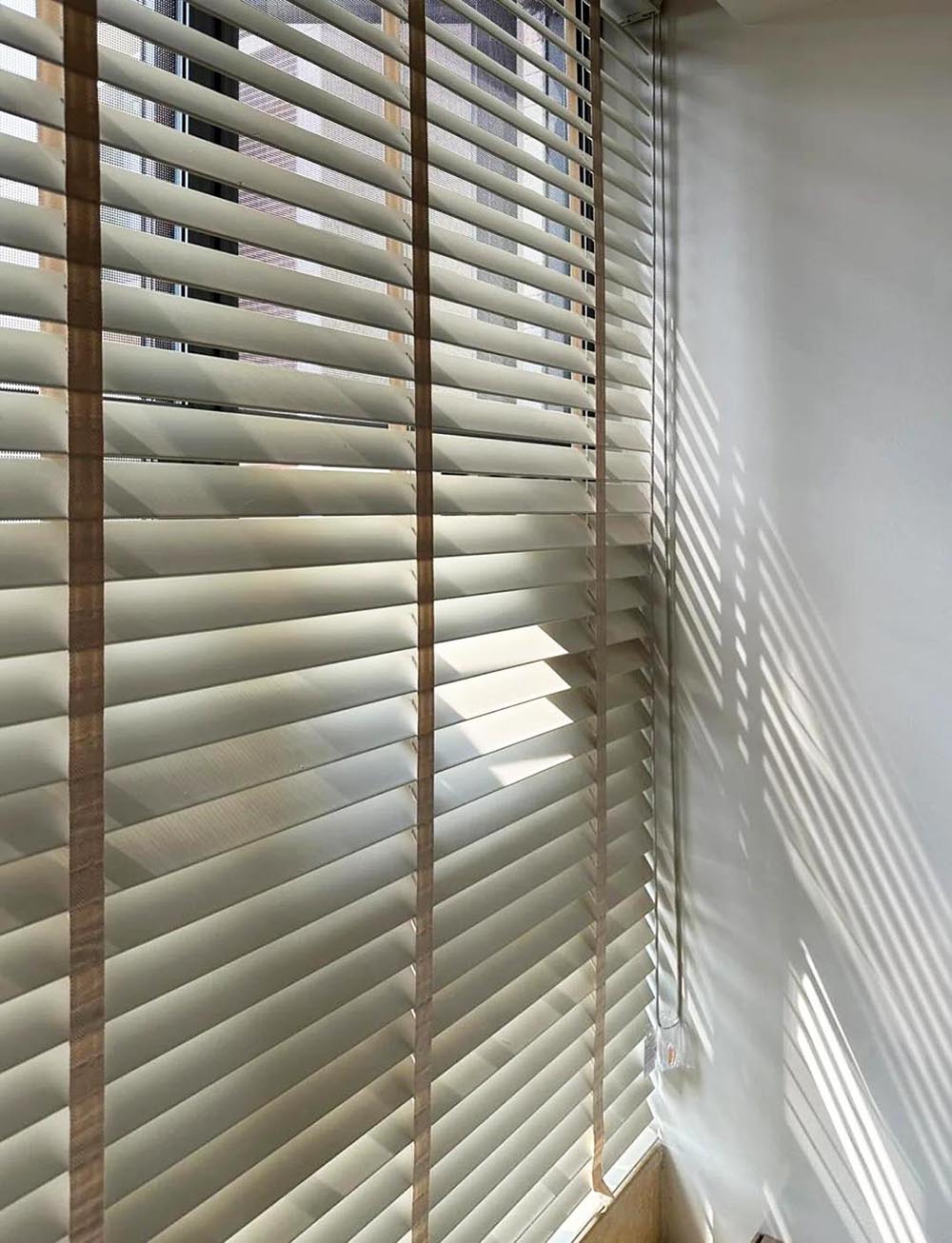
Fix #2: Twisted or Misaligned Venetian Blinds Slats
Twisted slats are a quick fix—you just need a little patience. Here’s how to straighten them:
Step 1: Fully lower the blinds and tilt the slats so they’re horizontal (open). This makes it easier to see which slats are twisted.
Step 2: Identify the twisted slats. Look for slats that are not aligned with the others—they may be turned slightly to the left or right, or they may be sitting higher or lower than the rest.
Step 3: Straighten the slats by hand. Gently hold the twisted slat at both ends and twist it back into place. Be careful not to bend the slat—especially if you have aluminum or wooden Venetian Blinds Slats, which can break if you apply too much pressure. For slats that are stuck in the ladder strings, gently lift the slat and reposition it so it sits evenly in the strings. I had a few twisted slats in my living room blinds that were stuck— a little wiggling and repositioning did the trick.
Step 4: Test the tilt mechanism. After straightening the slats, twist the tilt wand to make sure all slats move uniformly. If some slats still don’t move, check the ladder strings—they may be tangled or broken. If a ladder string breaks, you can replace it with a new one (available at hardware stores) or use a small piece of string to tie it back together temporarily.
Pro tip: If you have kids or pets, consider adding a cord cleat to keep the lift cords out of reach. This not only keeps your family safe but also prevents the slats from getting twisted or misaligned from tugging.
Fix #3: Slats That Won’t Tilt Uniformly
If your Venetian Blinds Slats won’t tilt in sync, the problem is likely with the tilt mechanism. The tilt mechanism is a small plastic or metal part inside the headrail that connects to the tilt wand and controls the slats. Over time, it can get dusty, tangled, or broken. Here’s how to fix it:
Step 1: Remove the blinds from the mounting brackets. Gently lift the headrail out of the brackets—most Venetian blinds slide out easily. Place the blinds on a flat surface (like a table or the floor) to work on them.
Step 2: Open the headrail. Remove the snap-on cover or unscrew the screws holding the headrail together. Be careful not to lose any small parts (like screws or plastic gears) inside.
Step 3: Clean the tilt mechanism. Use a soft cloth to wipe away dust and debris from the tilt mechanism. Dust buildup is a common cause of sticky or unresponsive tilt mechanisms. If the mechanism is really dirty, you can use a small brush (like a toothbrush) to get into the crevices. I cleaned the tilt mechanism on my home office blinds and was shocked at how much dust had built up—after cleaning, it worked like new.
Step 4: Check for broken parts. If cleaning doesn’t work, look for broken gears or plastic pieces in the tilt mechanism. If a part is broken, you can buy a replacement tilt mechanism (usually $10-$15) from a hardware store or online. Simply remove the old mechanism and snap the new one into place—no tools required in most cases.
Step 5: Reassemble the headrail and rehang the blinds. Once the tilt mechanism is clean or replaced, put the headrail back together and slide it into the mounting brackets. Test the tilt wand—all slats should move uniformly now.
Pro tip: To prevent dust buildup, clean the tilt mechanism every 6 months with a soft cloth. This will keep your Venetian Blinds Slats tilting smoothly for years.
Fix #4: Crooked Mounting Brackets
If your entire Venetian Blinds are crooked, the mounting brackets are probably misaligned or loose. Mounting brackets are the metal or plastic pieces that attach the blinds to the wall or window frame, and if they’re not level, the whole blind will be crooked. Here’s how to fix it:
Step 1: Remove the blinds from the mounting brackets. Gently lift the headrail out of the brackets and set it aside.
Step 2: Check the brackets for level. Use a small level to see if the brackets are even. If one bracket is higher than the other, that’s the problem. Loosen the screws holding the bracket to the wall or window frame, adjust the bracket so it’s level, and tighten the screws back up. If the brackets are loose, simply tighten the screws—this is a common issue after a few years of use.
Step 3: Rehang the blinds. Slide the headrail back into the mounting brackets and check if the blinds are level. If not, adjust the brackets again until they are. I helped my friend fix her crooked Venetian blinds by adjusting the mounting brackets— it took five minutes and made a huge difference.
Pro tip: If you’re installing new Venetian blinds, use a level to ensure the mounting brackets are even before you attach them. This will prevent alignment issues from the start.
Preventing Future Venetian Blinds Slats Alignment Issues
Now that you’ve fixed your uneven Venetian Blinds Slats, you’ll want to keep them that way. Here are a few simple tips to prevent alignment issues in the future:
1. Handle the cords gently: Avoid tugging the lift cords too hard or pulling one side more than the other. When raising or lowering the blinds, pull the cords evenly to keep the tension balanced.
2. Clean your blinds regularly: Dust and debris can build up in the headrail, tilt mechanism, and ladder strings, leading to alignment issues. Wipe the slats with a soft cloth every month, and clean the tilt mechanism every 6 months.
3. Keep kids and pets away from the cords: Tugging, chewing, or playing with the cords is a common cause of frayed cords and misaligned slats. Use cord cleats to keep cords out of reach, or opt for cordless Venetian blinds if you have young kids or pets.
4. Check the mounting brackets periodically: Loose brackets can cause the blinds to become crooked over time. Tighten the screws every few months to keep the brackets secure.
5. Replace worn parts early: If you notice frayed cords, broken ladder strings, or a sticky tilt mechanism, replace the parts before the problem gets worse. This will save you time and frustration in the long run.
When to Call a Professional
Most uneven Venetian Blinds Slats issues are fixable with DIY methods, but there are a few cases where you may need to call a professional. For example, if the headrail is broken, the tilt mechanism is irreparably damaged, or the blinds are custom-made and require special parts. Additionally, if you’re not comfortable working with tools or climbing a ladder, it’s better to call a professional than to risk injury.
But for most homeowners, DIY fixes are more than enough. I’ve fixed all of my Venetian blinds issues myself, and it’s saved me hundreds of dollars in replacement costs. The key is to take your time, diagnose the problem correctly, and follow the steps carefully.
Final Thoughts: Uneven Venetian Blinds Slats are a common annoyance, but they’re not a death sentence for your blinds. With a little patience and the right tips, you can fix them yourself in no time. Whether it’s uneven cord tension, twisted slats, a sticky tilt mechanism, or misaligned mounting brackets, the solutions are simple and affordable. So the next time you glance at your blinds and notice they’re uneven, don’t panic—grab your screwdriver and get to work. Your sleek, polished blinds will be back in no time.
Post time: Apr-30-2026