When it comes to window treatments, Venetian blinds have long been a top choice for homeowners and interior designers alike. Their timeless charm, versatile functionality, and wide range of styles make them suitable for nearly every room in the house—from busy kitchens and serene bedrooms to modern home offices and cozy living spaces. However, with countless types, materials, and configurations available, choosing the right Venetian blinds can feel overwhelming. Should you go for narrow or wide slats? Aluminum or faux wood? Manual or motorized operation? The key to making the perfect choice lies in understanding your windows’ unique needs, your lifestyle, and your design preferences. This practical guide breaks down the essential factors to consider, giving you actionable advice to find blinds that check all your boxes.
Match It to Your Window Dimensions
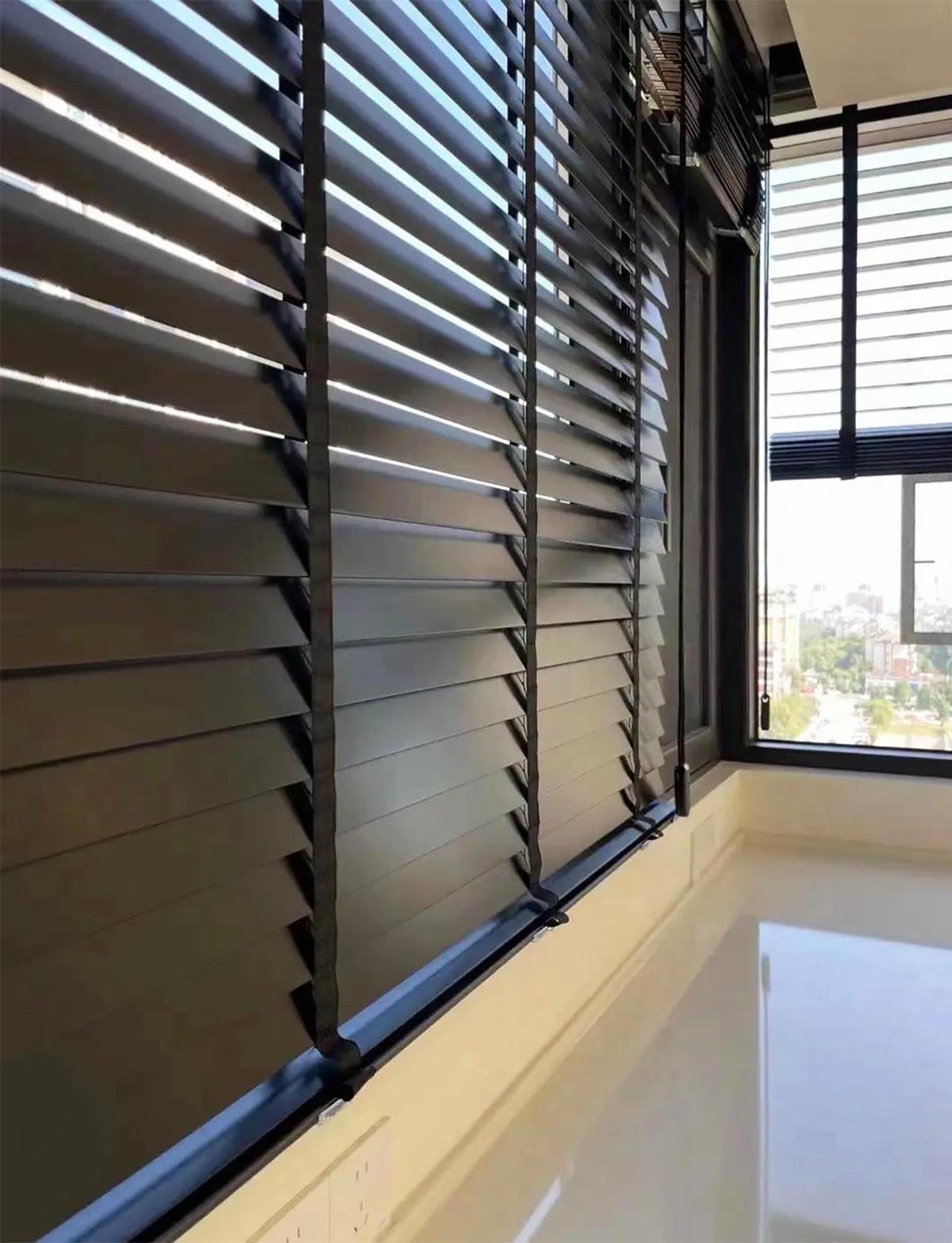
Slat width is one of the most impactful decisions you’ll make, as it directly affects both the blinds’ appearance and functionality. The three most common slat sizes cater to different window types and spaces—here’s a clear breakdown:
|
Slat Type |
Size Range |
Ideal For |
Key Benefits |
|
16mm – 25mm |
Small windows (bathroom windows above sinks, kitchen cabinet windows, narrow hallway alcoves) |
Slim profile won’t overwhelm compact spaces; offers precise light control |
|
|
Standard Slats |
35mm–45mm |
Standard-sized windows (living rooms, bedrooms, home offices) |
Balances style and versatility; provides good light filtration and privacy without being bulky |
|
50mm or more |
Large windows, sliding glass doors |
Creates a streamlined, modern look; complements expansive glass surfaces; allows significant light adjustments with each tilt |
In short: Opt for mini slats for small windows to keep the space airy, standard slats for most regular rooms (a safe, reliable choice), and wide slats for large windows or glass doors to match their scale and enhance light control.
Suit It to Room Conditions & Maintenance Needs
Material dictates durability, how much upkeep your blinds will need, and whether they’ll hold up in specific rooms. Pick one that aligns with your space’s environment (like humidity levels) and your willingness to maintain it.
• Aluminum Blinds
A top pick for high-moisture areas like bathrooms and kitchens. They’re lightweight, rust-resistant, and a breeze to clean—just wipe them down with a damp cloth to remove splatters or dust. Aluminum blinds also come in a variety of finishes, from matte to metallic, making them perfect for modern or industrial-style homes. Keep in mind: They have a sleek, lightweight feel, so they may not add the warmth of wood-based options.
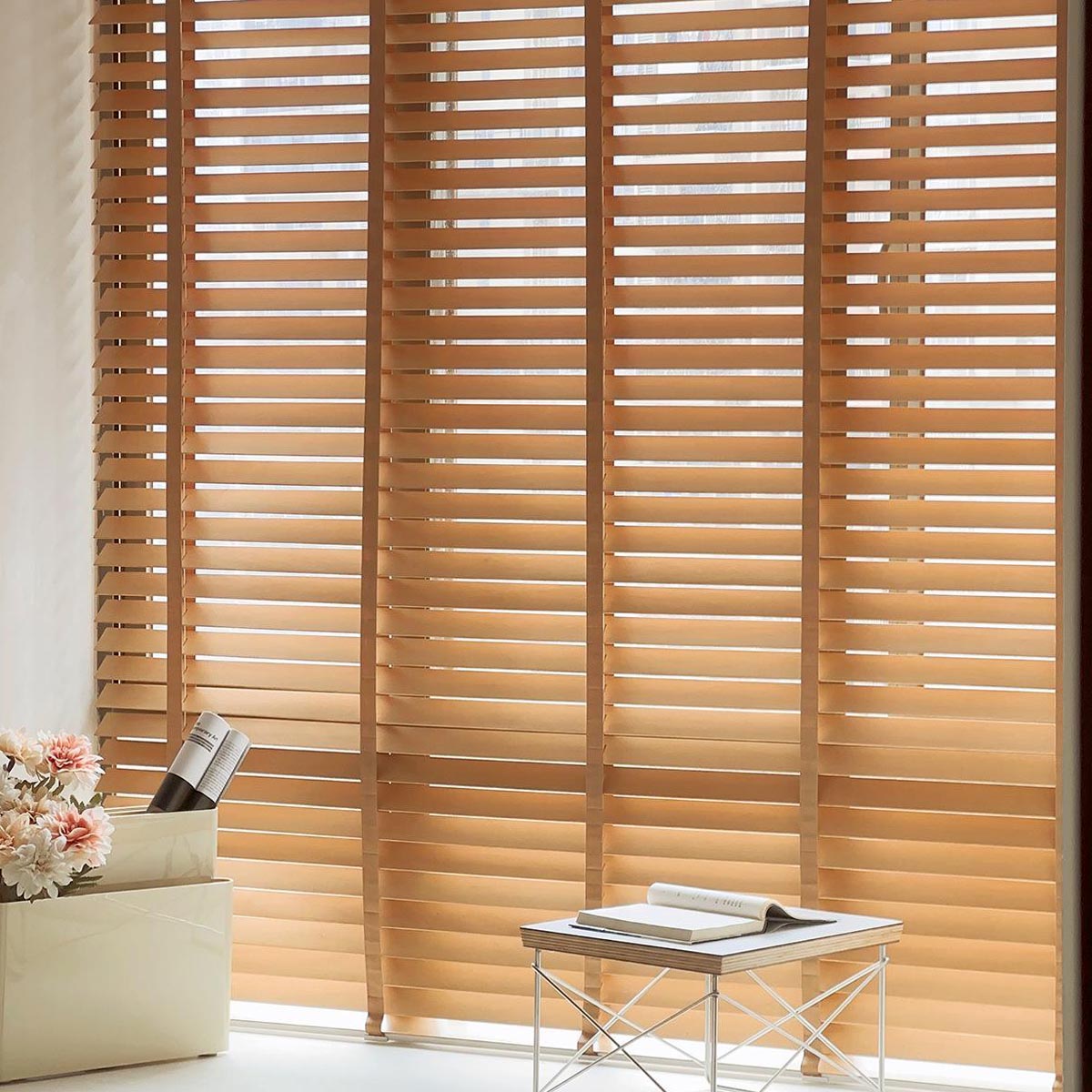
If you love the look of real wood but want more practicality, faux wood is the way to go. It mimics the warm, natural texture of wood without warping, fading, or swelling from humidity or direct sunlight. Ideal for bedrooms, living rooms, and dining rooms, these blinds add a cozy touch while staying low-maintenance. They’re also a great middle-ground option for homeowners who want style without the high cost or fragility of real wood.
• Real Wood Blinds
For ultimate luxury, real wood blinds (crafted from oak, maple, basswood, or other hardwoods) add richness and texture to any space. They’re perfect for dry, low-humidity rooms like formal living rooms or home offices. However, they require more careful maintenance—avoid moisture, direct sunlight, and harsh cleaning products to prevent cracking or discoloration. They’re an investment, but their timeless appeal makes them worth it for those prioritizing premium esthetics.
Prioritize Safety & Convenience
The way your blinds operate should fit your lifestyle—especially if you have kids, pets, or hard-to-reach windows. Here’s how the three main options stack up:
• Manual Operation
The most traditional and cost-effective choice. Typically, a wand tilts the slats, and a cord or lift mechanism raises and lowers the blinds. It’s simple, durable, and easy to repair if needed. Best for: Budget-conscious homeowners who don’t mind a hands-on approach. Note: Cords can pose an entanglement risk for young children and pets, so skip this if safety is a top concern.
• Cordless Operation
A game-changer for families with kids or pets. Cordless blinds eliminate tangled cords, making them much safer, and they have a cleaner, more minimalist look. To adjust them, simply lift or lower the bottom rail—no cords to clutter the space. They’re easy to use (even for kids or older adults) and work well in most rooms. While slightly more expensive than manual corded blinds, the safety and esthetic benefits are well worth the upgrade.
• Motorized Operation
For maximum convenience, motorized blinds can’t be beat. Controlled via smartphone app, voice commands, or a remote, they’re perfect for hard-to-reach windows (like those above kitchen cabinets or high up in vaulted ceilings). You can also set schedules—program them to open in the morning for natural light and close in the evening for privacy, even when you’re not home. They’re ideal for busy homeowners, tech lovers, or anyone with mobility issues. Keep in mind: They have a higher upfront cost and require a power source (battery or electrical outlet), but the long-term convenience is unmatched.
Color & Finish-Blend with Your Existing Decor
Your blinds should complement, not clash with, your home’s decor. The right color and finish will tie the room together seamlessly.
• Color Choices
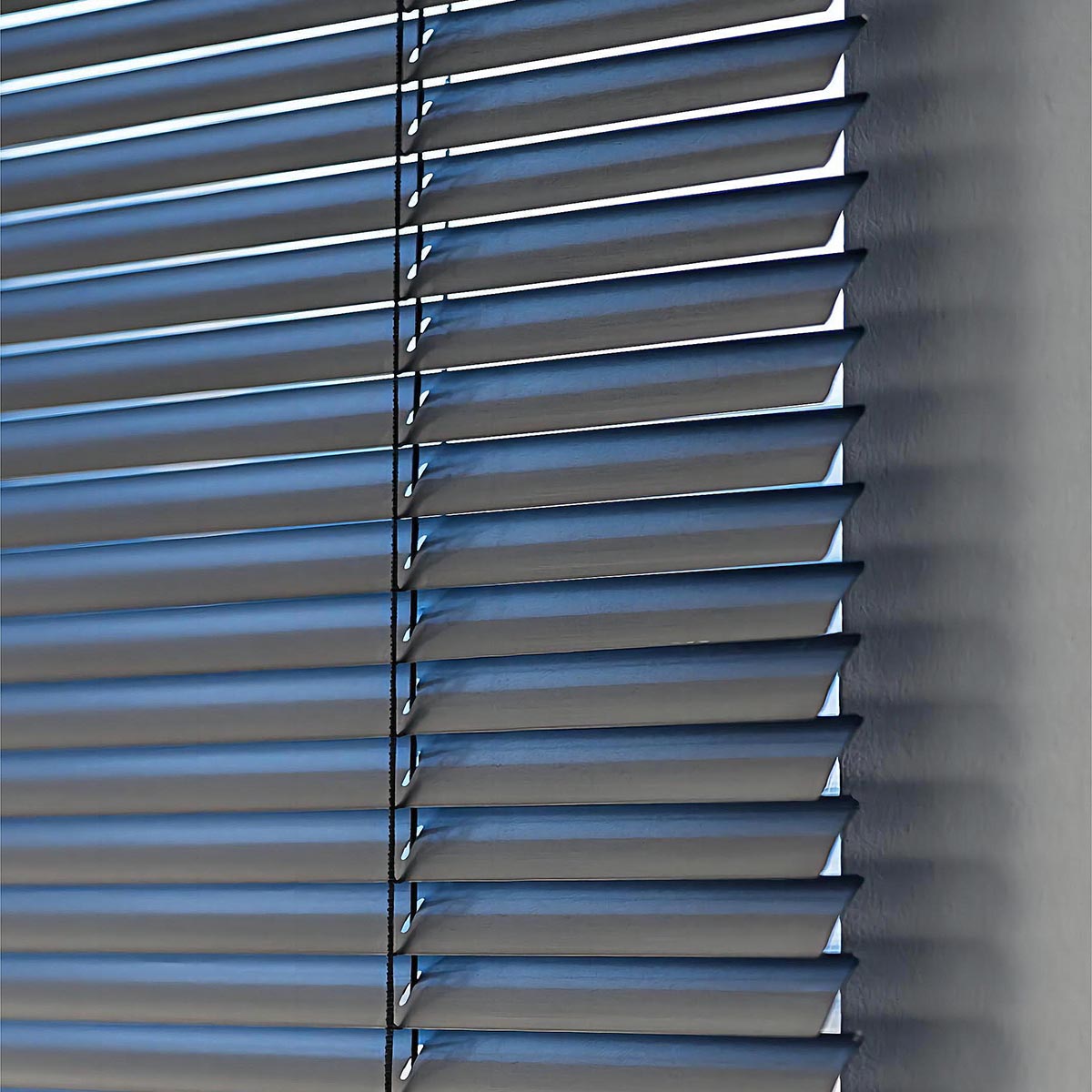
- Neutral tones (white, cream, gray, beige): Timeless and versatile, these work with nearly any color scheme. They brighten small spaces and create a cohesive, calming look—perfect if you want your blinds to fade into the background.
- Darker hues (black, brown, navy): Add depth and contrast to light-colored rooms. They make a bold statement and work well if you want your blinds to be a focal point (e.g., in a minimalist living room with white walls).
• Finish Tips
- Wood/faux wood blinds: Opt for natural wood finishes (light oak, walnut, maple) to complement hardwood floors, wooden furniture, or earthy decor elements.
- Aluminum blinds: Matte finishes are subtle and modern, while metallic finishes (chrome, brushed nickel) add a touch of elegance or industrial edge.
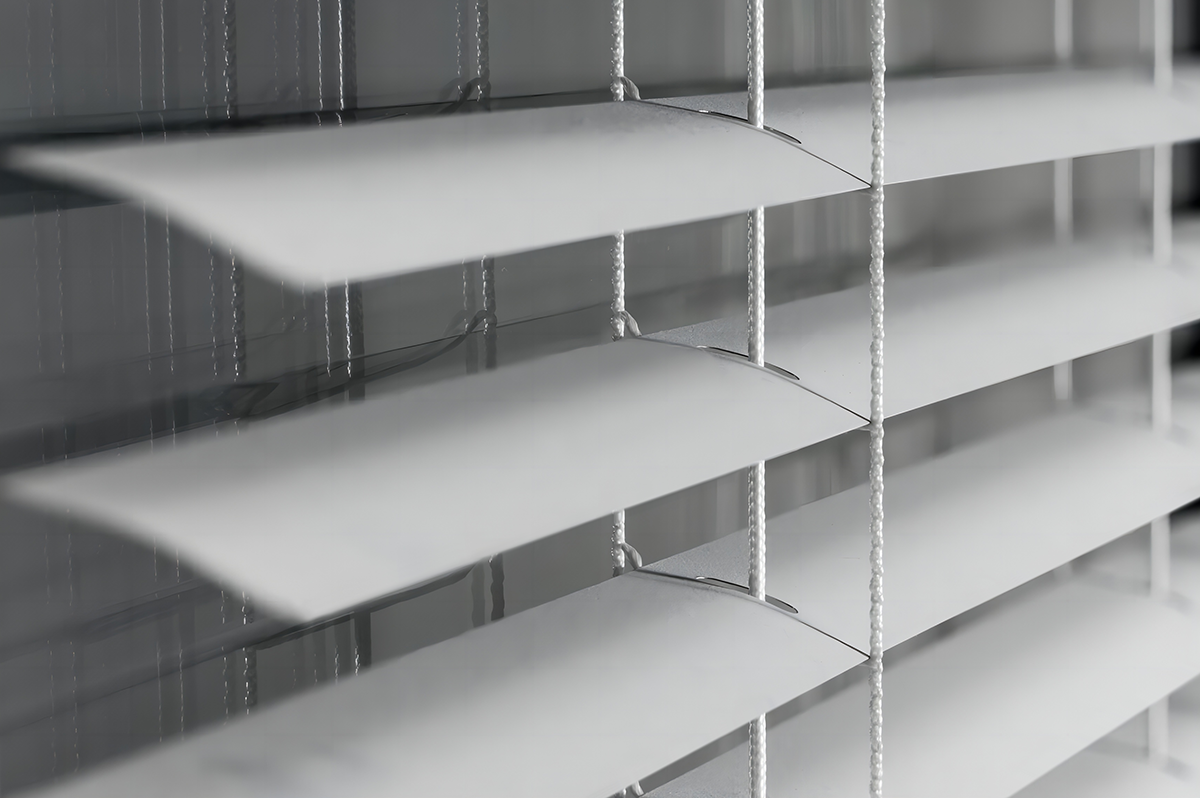
- Don’t forget hardware: The headrail, tilt mechanism, and other hardware should match your blinds’ finish. For example, a matte black blind pairs well with matte black hardware, while a metallic finish works with chrome or brass accents.
The goal is to choose a color and finish that enhances your room’s esthetic—if you’re unsure, stick to neutrals; they’re always a safe bet.
Measure Correctly-Avoid Ill-Fitting Blinds
Ill-fitting blinds are a common frustration—too small, and they won’t block light or provide privacy; too large, and they’ll overwhelm the window. The key is to decide between inside-mount (fits within the window frame) or outside-mount (mounted on the wall or trim) first, then measure accordingly.
• Inside-Mount Blinds
For a sleek, built-in look. Best for windows with deep, even frames.
- Measure the width: Take measurements at the top, middle, and bottom of the window frame. Use the smallest measurement to ensure a snug fit (frames aren’t always perfectly straight!).
- Measure the height: Take measurements at the left, middle, and right of the frame. Again, use the smallest measurement to avoid gaps.
• Outside-Mount Blinds
Ideal for windows with shallow frames, irregular shapes, or if you want to cover the entire window (and possibly the trim).
- Measure the width: Add 3–5 inches to both sides of the window frame to ensure full coverage (this prevents light from leaking around the edges).
- Measure the height: Measure from the top of the trim to the bottom of the windowsill. For extra coverage (or to hide the sill), add a few inches to the height.
Pro tip: Use a metal tape measure for accuracy, and measure twice to avoid mistakes. If you’re unsure, many blind retailers offer professional measuring services—worth it if you want to be 100% confident.
Balance Cost & Quality
Venetian blind prices vary widely based on material, size, operation mechanism, and brand. Here’s how to make the most of your budget:
• Price Tiers
- Budget-friendly: Aluminum manual blinds. Affordable, durable, and easy to maintain—great for rental properties, kitchens, or bathrooms (high-moisture areas where you don’t want to overspend).
- Mid-range: Faux wood cordless blinds. Offer a good balance of style, durability, and safety. Perfect for most homeowners and rooms (bedrooms, living rooms, dining rooms).
- Premium: Real wood or motorized blinds. More expensive, but they deliver luxury, durability, and convenience. Worth the investment if you’re looking for long-term quality (e.g., in a primary bedroom or home office).
• Value Tip
Don’t sacrifice quality for a lower upfront cost. Cheap blinds may warp, fade, or break within a few years, requiring replacement. Investing in higher-quality blinds (like cordless faux wood or motorized aluminum) will save you money in the long run—they’ll last longer and perform better. If you’re on a tight budget, prioritize key rooms (e.g., bedrooms for privacy) and opt for more affordable options in less-used spaces (e.g., hallways).
Choosing the right Venetian blinds doesn’t have to be stressful. By focusing on slat size (matching to window size), material (suited to room conditions), operation mechanism (prioritize safety and convenience), color/finish (blend with decor), accurate measurements (avoid fit issues), and budget (balance cost and quality), you’ll narrow down your options to find blinds that work for your home and lifestyle. Whether you need mini slat aluminum blinds for a small bathroom, wide slat faux wood blinds for a large living room window, or motorized real wood blinds for a high-end home office, there’s a perfect match out there. The best Venetian blinds are those that fit seamlessly, function well, and make your space feel more comfortable and stylish. With this guide, you’ll make an informed decision and enjoy the timeless beauty and practicality of Venetian blinds for years to come.
Post time: Jan-29-2026