There’s nothing more frustrating than investing in window treatments for your bathroom, only to find them warping, molding, or discoloring within a few months. Bathrooms are tricky spaces—constant humidity, sudden temperature changes, and occasional splashes create an environment that’s tough on most materials. If you’ve ever dealt with a ruined set of blinds or struggled to find something that balances functionality, privacy, and durability in this damp zone, you’re not alone. The solution? Waterproof Venetian Blinds. But not all options are created equal, and even the best waterproof models need proper care to last. In this guide, we’ll break down everything you need to know to choose the right waterproof Venetian blinds for your bathroom, avoid common pitfalls, and keep them looking and working like new for years.
Why Regular Blinds Fail in Bathrooms
Before diving into Waterproof Venetian Blinds, let’s understand why standard window treatments fall short in bathrooms. Most traditional blinds—whether made of wood, fabric, or even basic aluminum—aren’t designed to withstand prolonged exposure to moisture. Wooden Venetian blinds, for example, are a popular choice for their timeless look, but wood absorbs water easily. Over time, this leads to warping, cracking, and unsightly water stains. Fabric blinds, including roller blinds with fabric panels, are even worse—they soak up humidity, become breeding grounds for mold and mildew, and start to smell musty. Even low-cost aluminum Venetian blinds can corrode if they’re not treated for moisture, especially in bathrooms with hard water that leaves mineral deposits.
The core issue is that bathrooms have relative humidity levels that often exceed 70%, far higher than most other rooms in the home. When warm, moist air hits cool window glass, condensation forms, dripping onto the blinds below. Without proper waterproofing, this cycle of moisture exposure breaks down materials quickly. Privacy is another concern—bathrooms need window coverings that block visibility while still allowing light control. Regular blinds might offer this initially, but as they degrade, their slats become misaligned or discolored, compromising both function and esthetics.
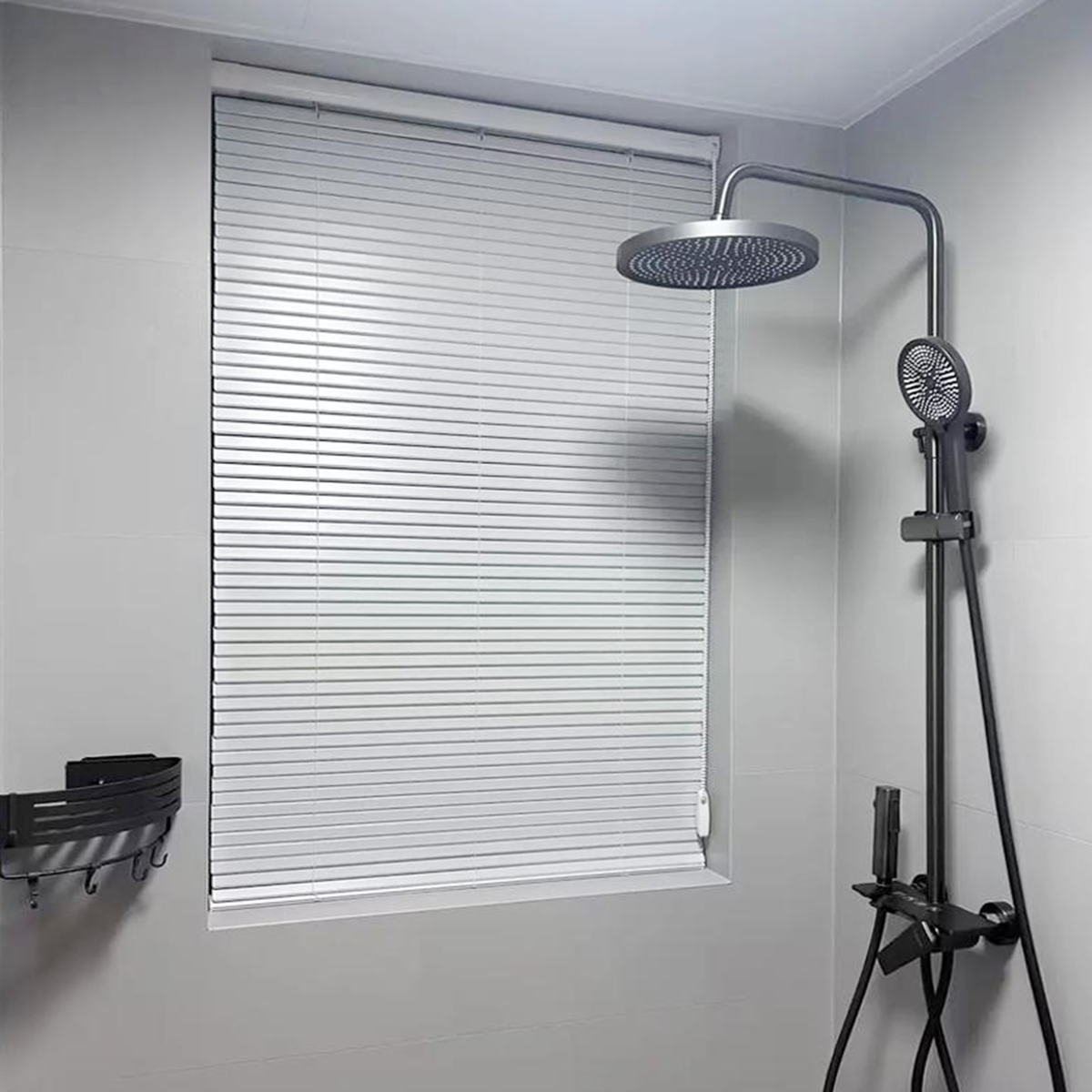
What Makes Waterproof Venetian Blinds Different
Waterproof Venetian Blinds are engineered specifically to resist moisture, making them ideal for bathrooms, laundry rooms, and even covered outdoor patios. Unlike regular blinds, they’re constructed with materials that repel water rather than absorb it, and their hardware is designed to prevent rust and corrosion. The key difference lies in both the slat material and the finishing treatments used.
Most high-quality waterproof Venetian blinds use PVC, aluminum, or composite materials for their slats. PVC is a popular choice because it’s 100% waterproof, affordable, and available in a wide range of colors and finishes—including options that mimic the look of wood. Aluminum slats, when treated with a powder-coated or anodized finish, are also highly water-resistant and durable, though they can be noisier than PVC when raised or lowered. Composite slats, made from a blend of wood fibers and resin, offer the esthetic of wooden Venetian blinds with added waterproofing, making them a great middle ground for those who want style without sacrificing functionality.
Another crucial feature of waterproof Venetian blinds is their hardware. The cords, pulleys, and brackets are typically made from rust-resistant materials like stainless steel or coated plastic. This prevents the mechanisms from seizing up or corroding due to moisture, ensuring smooth operation for years. Some models even come with sealed bearings to further protect against humidity damage.
Key Factors to Consider When Choosing Waterproof Venetian Blinds
Not all waterproof Venetian blinds are suitable for every bathroom. To make the right choice, consider these practical factors to address your specific needs and avoid buyer’s remorse.
• Slat Material: Balance Durability and Esthetics
The slat material is the most important decision, as it dictates both durability and style. Let’s break down the pros and cons of each option:
- PVC: Best for budget-friendly, high-humidity spaces. PVC slats are completely waterproof, easy to clean, and lightweight. They’re available in solid colors, wood grains, and even metallic finishes. The downside? They can feel less premium than other materials, and some low-quality PVC may become brittle over time if exposed to direct sunlight for extended periods. Look for UV-resistant PVC if your bathroom window gets a lot of sun.
- Aluminum: Ideal for modern, low-maintenance bathrooms. Powder-coated aluminum slats are scratch-resistant, rust-proof, and long-lasting. They’re also fire-resistant, which is an added safety bonus. Aluminum Venetian blinds are great for bathrooms with large windows, as they’re sturdy without being heavy. The main drawback is noise—slats can clink together when opened or closed. Opt for slats with foam cores if you want a quieter option.
- Composite: Perfect for those who want the look of wooden Venetian Blinds without the moisture risk. Composite slats combine wood fibers with waterproof resin, creating a material that’s resistant to warping and molding. They have a warmer, more natural appearance than PVC or aluminum, making them a great fit for traditional or rustic-style bathrooms. However, they’re more expensive than PVC and can be heavier, so ensure your window brackets can support the weight.
• Slat Size: Functionality Over Trend
Slat size affects both light control and privacy. Waterproof Venetian Blinds typically come in 25mm, 50mm, or 89mm slats. Smaller slats (25 mm) offer more precise light control—you can tilt them slightly to let in soft light while maintaining privacy. They’re also a good choice for small windows, as they don’t overwhelm the space. Larger slats (50 mm or 89 mm) let in more light when open and create a more modern, streamlined look. However, they may not offer as much privacy when tilted, as gaps between slats are more noticeable. For bathrooms, 50mm slats are a safe middle ground—they balance light control, privacy, and esthetics.
• Mounting Style: Inside or Outside the Window Recess
The mounting style depends on your window size and bathroom layout. Inside-mount blinds fit within the window recess, creating a clean, seamless look. They’re ideal for bathrooms with limited wall space and work best if your window recess is deep enough (at least 5 cm) to accommodate the brackets without blocking the window handle. Outside-mount blinds are installed on the wall above the window, extending beyond the recess. They’re a good option if your window recess is too shallow or if you want to cover more of the wall for added privacy. For bathrooms, outside-mount blinds can also help prevent moisture from seeping into the window frame, as they cover the edges of the recess.
• Hardware Quality: Don’t Skimp on the Details
Even the best slats won’t last if the hardware is shoddy. When shopping for waterproof Venetian blinds, inspect the cords, pulleys, and brackets. Look for stainless steel cords or coated plastic cords that resist fraying and mildew. Avoid cheap metal brackets, as they’ll rust quickly—opt for powder-coated steel or plastic brackets instead. If you have kids or pets, choose blinds with cordless operation or a cord cleat to keep cords out of reach, as this is both a safety feature and a way to prevent cords from absorbing moisture and deteriorating.
• Color and Finish: Practicality First
While style is important, practicality should guide your color choice. Light-colored slats (white, beige, light gray) reflect light, making small bathrooms feel brighter and more spacious. They’re also easier to spot mold or mildew on, so you can clean them promptly. Dark-colored slats (black, dark brown, navy) add a sleek, modern look but can show water spots and dust more easily. If you want the warmth of wood without the maintenance, choose composite slats with a wood-grain finish in a medium tone—this hides water spots and dust better than light or dark wood finishes.
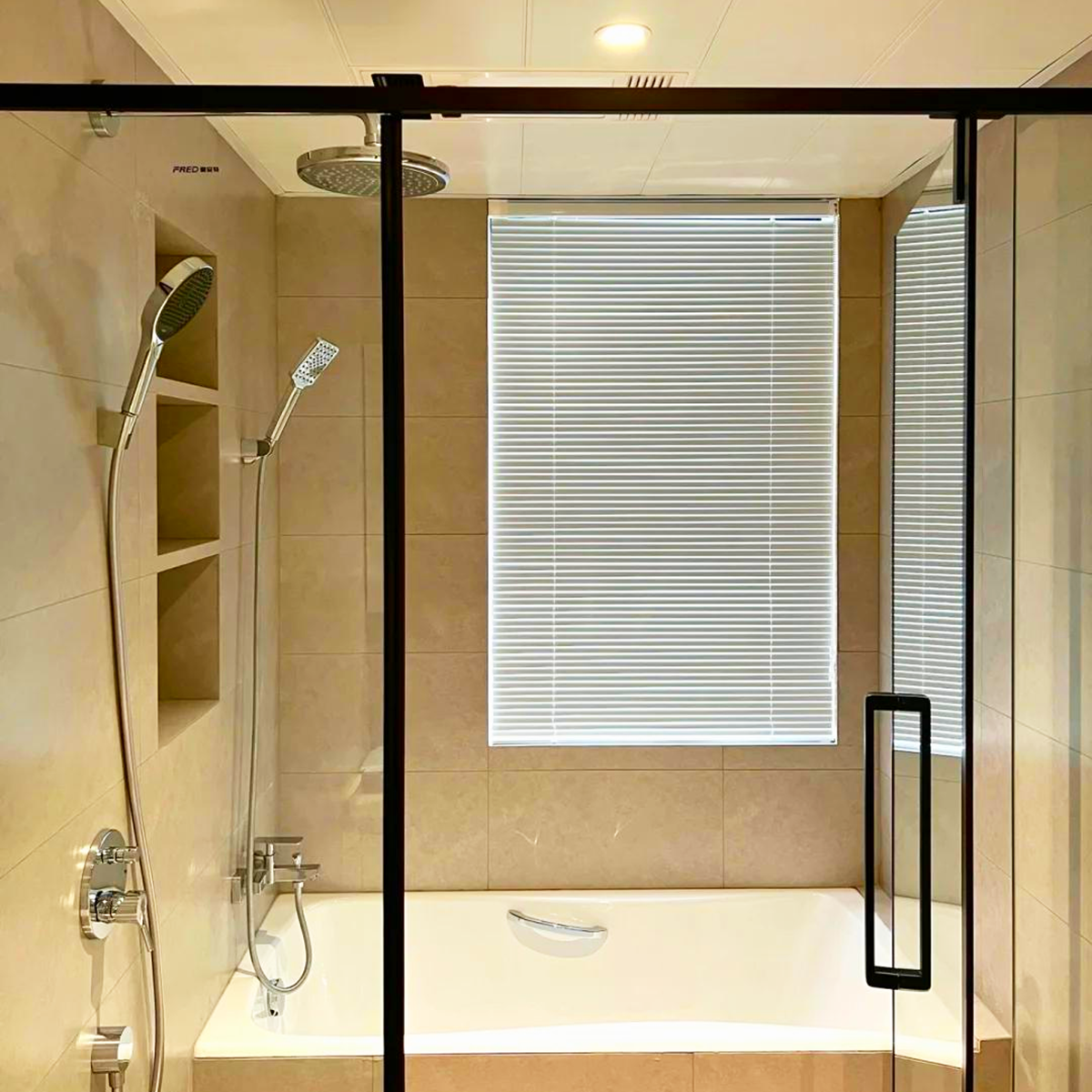
Common Mistakes to Avoid When Installing and Using Waterproof Venetian Blinds
Even with the right Waterproof Venetian Blinds, improper installation or care can shorten their lifespan. Here are the most common mistakes to steer clear of:
Mistake 1: Ignoring Ventilation
Waterproof Venetian Blinds resist moisture, but they’re not immune to extreme humidity. If your bathroom lacks proper ventilation (like an exhaust fan), condensation will build up on the blinds and window, leading to mineral deposits and even mold over time. Always run the exhaust fan during and after showers, and open the window periodically to let fresh air circulate. This simple step will extend the life of your blinds and keep your bathroom healthier.
Mistake 2: Using Harsh Cleaners
While waterproof Venetian blinds are easy to clean, using abrasive cleaners or bleach can damage their finish. Avoid scouring pads, ammonia-based cleaners, and harsh chemicals—these can scratch PVC or strip the powder coating from aluminum slats. Instead, use a soft cloth or sponge with mild soap and warm water. For tough mineral deposits (common in hard water areas), mix equal parts white vinegar and water, apply with a cloth, and wipe clean. Rinse with water afterward to prevent vinegar residue from dulling the finish.
Mistake 3: Incorrect Installation
Poorly installed blinds can sag, misalign, or even fall off the wall—plus, gaps around the edges can let in unwanted light and moisture. If you’re installing the blinds yourself, measure twice before cutting or drilling. For inside-mount blinds, ensure the brackets are level and securely attached to the window frame (not just the drywall, which can crumble under weight). For outside-mount blinds, use wall anchors if you’re drilling into drywall to ensure the brackets can support the blinds’ weight. If you’re unsure, hire a professional installer—it’s a small investment to avoid costly mistakes.
Mistake 4: Forgetting to Tilt Slats After Showers
After a hot shower, condensation will collect on the slats of your Waterproof Venetian Blinds. If you leave the slats closed, the moisture will sit on the surface longer, increasing the risk of mineral deposits and mold. Get into the habit of tilting the slats open after showers to let air circulate around them. This allows the moisture to evaporate quickly, keeping your blinds dry and clean.
How to Clean and Maintain Waterproof Venetian Blinds
With proper maintenance, Waterproof Venetian Blinds can last 5–10 years or more. Follow these simple steps to keep them in top condition:
• Regular Cleaning (Weekly)
Dust your blinds weekly with a feather duster, microfiber cloth, or vacuum cleaner with a soft brush attachment. This prevents dust and dirt from building up and mixing with moisture, which can cause stains. For PVC or aluminum slats, a quick wipe with a damp microfiber cloth will remove any surface grime.
• Deep Cleaning (Monthly)
Once a month, give your blinds a deeper clean. Remove them from the brackets if possible (check the manufacturer’s instructions first) and lay them flat on a towel. Mix mild dish soap with warm water and use a soft sponge to wipe each slat individually. For tough stains or mineral deposits, use the vinegar-water solution mentioned earlier. Rinse the slats with clean water and dry them thoroughly with a towel before rehanging. If you can’t remove the blinds, wipe them in place, tilting the slats to clean both sides.
• Hardware Maintenance (Quarterly)
Inspect the cords, pulleys, and brackets every few months. Wipe away any dust or moisture with a dry cloth. If the cords are fraying, replace them immediately (most hardware stores sell replacement cords for Venetian blinds). Lubricate the pulleys with a small amount of silicone spray if they start to stick—avoid oil-based lubricants, which can attract dust and grime.
• Seasonal Checks (Twice a Year)
At the start of summer and winter, check for signs of damage. Look for warping, cracking, or discoloration on the slats, and ensure the brackets are still secure. If you notice any issues, address them promptly—small problems (like a loose bracket) can become bigger (like a fallen blind) if left unattended.
Are Waterproof Venetian Blinds Worth the Investment?
If you’re tired of replacing damaged blinds every year or dealing with mold and mildew, Waterproof Venetian Blinds are absolutely worth the investment. While they may cost more upfront than regular blinds, their durability means you’ll save money in the long run. They also offer better privacy and light control than other bathroom window treatments like curtains or shutters, and their sleek design complements any decor style.
For example, a family in a small apartment with a windowless bathroom (relying solely on an exhaust fan) might opt for PVC Waterproof Venetian Blinds—they’re affordable, easy to clean, and can withstand constant humidity. A homeowner with a spacious, modern bathroom might choose aluminum Venetian Blinds for their sleek look and durability. And someone who wants a cozy, traditional vibe might go for composite slats that mimic wooden Venetian blinds without the maintenance.
Bathrooms don’t have to be a challenge when it comes to window treatments. Waterproof Venetian Blinds offer the perfect combination of durability, functionality, and style for damp spaces. By choosing the right slat material, avoiding common mistakes, and following a simple maintenance routine, you can enjoy blinds that look great and work well for years. Remember to prioritize practicality over trends—focus on materials that resist moisture, hardware that’s rust-proof, and a design that fits your bathroom’s layout. With the right waterproof Venetian blinds, you’ll never have to deal with warped, moldy blinds again. Whether you’re renovating your bathroom or just replacing old window treatments, investing in high-quality waterproof Venetian blinds is a decision you won’t regret; they solve the core problem of moisture damage while providing the privacy and light control every bathroom needs. So go ahead—upgrade your bathroom with blinds that can keep up with the humidity, and enjoy a space that’s both functional and stylish. Whether you’re renovating your bathroom or just replacing old window treatments, investing in high-quality waterproof Venetian blinds is a decision you won’t regret. They solve the core problem of moisture damage while providing the privacy and light control every bathroom needs. So go ahead—upgrade your bathroom with blinds that can keep up with the humidity, and enjoy a space that’s both functional and stylish.
Post time: Feb-28-2026