If you’re shopping for Venetian blinds or already have them in your home, you’ve probably wondered: How long should these things actually last? I know I did when I was replacing the old, warped blinds in my guest room last year. I spent hours scrolling through product pages, asking salespeople, and even bugging my handyman friend—all to figure out if I should splurge on wood Venetian blinds or save money on aluminum ones. Would the cheaper option fall apart in a year? Would the expensive wood ones last a decade? And most importantly, what could I do to make whichever I chose last as long as possible?
After all that research (and a few mistakes along the way), I realized there’s no one-size-fits-all answer to how long Venetian blinds last. Their lifespan depends almost entirely on the material, how you use them, and how well you maintain them. That’s why I’m writing this blog—to break down the average lifespan of every common Venetian blind material, answer the questions I had (and probably yours too), and share practical tips to make your blinds last longer.
First-What Impacts a Venetian Blind’s Lifespan?
Before we get into the specific materials, let’s talk about the factors that affect how long any Venetian blind will last. Even the highest-quality blinds won’t hold up if they’re mistreated, and even budget blinds can last longer with a little care. Here are the three biggest factors to keep in mind:
1. Material (The Biggest Factor)
This is the most obvious one. Venetian blinds are made from a range of materials, each with its own strengths and weaknesses. Some are durable and water-resistant (great for kitchens and bathrooms), while others are more delicate but add warmth (perfect for living rooms and bedrooms). We’ll break down each material’s lifespan in detail next.
2. Usage & Environment
How often you use your blinds and where you hang them makes a huge difference. Blinds in high-traffic areas (like a busy living room or kids’ room) that get opened and closed multiple times a day will wear out faster than blinds in a guest room that’s rarely used. Similarly, blinds in humid spaces (bathrooms, kitchens) or areas with direct, harsh sunlight (south-facing windows) will degrade more quickly than those in dry, shaded rooms.
3. Maintenance (The Most Overlooked Factor)
I can’t stress this enough: regular maintenance is the key to making your Venetian blinds last. Dust buildup, harsh cleaners, and neglecting small issues (like frayed cords or bent slats) can cut a blind’s lifespan in half. The good news? Maintaining Venetian blinds doesn’t have to be time-consuming—even a few minutes a month can make a huge difference. We’ll cover simple maintenance tips later in the post.
Average Lifespan of Venetian Blinds by Material
Now, let’s get to the part you’re here for: how long each type of Venetian blind lasts, plus the pros and cons of each material (so you can choose the right one for your space). I’ve tested or researched all of these materials firsthand, so these lifespans are based on real-world use, not just manufacturer claims.
1. Aluminum Venetian Blinds: 5–8 Years (Budget-Friendly & Durable)
Aluminum Venetian blinds are the most common and affordable option, and for good reason—they’re durable, easy to clean, and hold up well in high-traffic areas. I have aluminum blinds in my kitchen, and they’ve been going strong for 6 years now (even with my kids pulling on the cords occasionally).
On average, aluminum Venetian blinds last 5–8 years. If you take good care of them (we’ll cover how later), they can even last up to 10 years. The biggest strengths of aluminum blinds are their water resistance and affordability—they’re perfect for kitchens, bathrooms, or any space where you want a low-maintenance option. They’re also lightweight, so they’re easy to install and operate.
The downside? They’re not as stylish as wood or faux wood blinds, and the slats can bend if you’re too rough with them (my kids bent a few slats early on, but I was able to bend them back gently). They also tend to show dust more easily than darker materials, so you’ll need to dust them regularly.
Pro Tip: Choose aluminum blinds with thicker slats (1.5 inches or more) if you want them to last longer. Thinner slats are more prone to bending and warping over time.
2. PVC Venetian Blinds: 4–7 Years (Waterproof & Low-Maintenance)
PVC Venetian blinds (also called vinyl Venetian blinds) are another budget-friendly option, and they’re even more water-resistant than aluminum blinds—perfect for bathrooms, laundry rooms, or any space with high humidity. I had PVC blinds in my old bathroom, and they lasted 5 years before the cords started fraying.
The average lifespan of PVC Venetian blinds is 4–7 years. They’re slightly less durable than aluminum blinds, but they’re still a great choice for wet spaces. PVC blinds are easy to clean (just wipe them down with a damp cloth), and they’re resistant to stains, which makes them ideal for kids’ rooms or kitchens.
The biggest downside of PVC blinds is that they can become brittle over time, especially if they’re exposed to direct sunlight. I noticed my old PVC blinds started to crack around the edges after a few years of being in a south-facing bathroom. They also don’t have the same high-end look as wood or faux wood blinds, and they can sometimes have a slight plastic smell when they’re new.
3. Faux Wood Venetian Blinds: 7–12 Years (The Best of Both Worlds)
Faux wood Venetian blinds are my personal favorite—they look like real wood but are much more durable and affordable. I have faux wood blinds in my living room and bedroom, and they’ve been going strong for 8 years now. They add warmth to the space without the high cost or maintenance of real wood.
On average, faux wood Venetian blinds last 7–12 years. With proper maintenance, they can even last up to 15 years. Faux wood blinds are made from PVC or composite materials, so they’re water-resistant (great for kitchens and bathrooms) and resistant to warping, cracking, and fading—issues that plague real wood blinds. They’re also easy to clean and hold up well in high-traffic areas.
The downside? They’re heavier than aluminum or PVC blinds, so you’ll need to make sure your window frames can support them. They’re also more expensive than aluminum or PVC, but they’re still cheaper than real wood. Some lower-quality faux wood blinds can look “plastic-y,” so it’s worth investing in a mid-range option for a more natural look.
Pro Tip: Look for faux wood blinds with a textured finish—they’ll look more like real wood and hide dust better.
4. Wood Venetian Blinds: 10–15 Years (Luxurious & Timeless)
Wood Venetian blinds are the most luxurious and timeless option, and they’re built to last—if you take good care of them. My handyman friend has wood blinds in his home that have been there for 12 years, and they still look brand new. They add a level of elegance that no other material can match.
The average lifespan of wood Venetian blinds is 10–15 years. With proper maintenance (more on that later), they can last 20 years or more—making them the longest-lasting Venetian blind material. Wood blinds are made from real hardwood (like oak, maple, or basswood), so they’re sturdy and have a natural, warm appearance that complements any decor style.
The downside? They’re the most expensive option, and they require more maintenance than other materials. Wood blinds are not water-resistant, so they can’t be used in bathrooms or kitchens (excess moisture will cause them to warp, crack, or rot). They’re also susceptible to fading from direct sunlight, so you’ll need to protect them from harsh UV rays.
Pro Tip: Choose wood blinds with a protective finish (like polyurethane) to help prevent fading and water damage. You should also avoid using harsh cleaners on them—stick to dry dusting and gentle spot cleaning.
Venetian Blinds Lifespan Comparison Table
To make it easy to compare, here’s a side-by-side table of the average lifespan, pros, cons, and best uses for each Venetian blind material. Keep this handy when you’re shopping for new blinds or trying to decide how to maintain your current ones.
|
Venetian Blind Material |
Average Lifespan |
Pros |
Cons |
Best For |
|
Aluminum |
5–8 Years (Up to 10 with care) |
Affordable, water-resistant, durable, lightweight, easy to clean |
Slats can bend, less stylish, shows dust easily |
Kitchens, bathrooms, high-traffic areas, budget-friendly spaces |
|
PVC (Vinyl) |
4–7 Years |
Waterproof, low-maintenance, stain-resistant, affordable |
Can become brittle in sunlight, plastic-y appearance, cords fray easily |
Bathrooms, laundry rooms, kids’ rooms, wet spaces |
|
Faux Wood |
7–12 Years (Up to 15 with care) |
Looks like real wood, water-resistant, durable, easy to clean, resists warping/fading |
Heavier than aluminum/PVC, more expensive, low-quality options look plastic-y |
Living rooms, bedrooms, kitchens, bathrooms (humid spaces) |
|
Wood |
10–15 Years (Up to 20 with care) |
Luxurious, timeless, sturdy, natural appearance, longest-lasting |
Most expensive, not water-resistant, requires more maintenance, fades in sunlight |
Living rooms, bedrooms, formal spaces, dry/shaded areas |
Practical Tips to Extend the Lifespan of Your Venetian Blinds (No Matter the Material)
Now that you know how long each material lasts, let’s talk about how to make your Venetian blinds last as long as possible. These tips are simple, easy to implement, and work for all types of Venetian blinds. I’ve been using these habits for years, and they’ve helped my blinds stay in great shape—even with kids and pets in the house.
1. Dust Regularly (Once a Month Minimum)
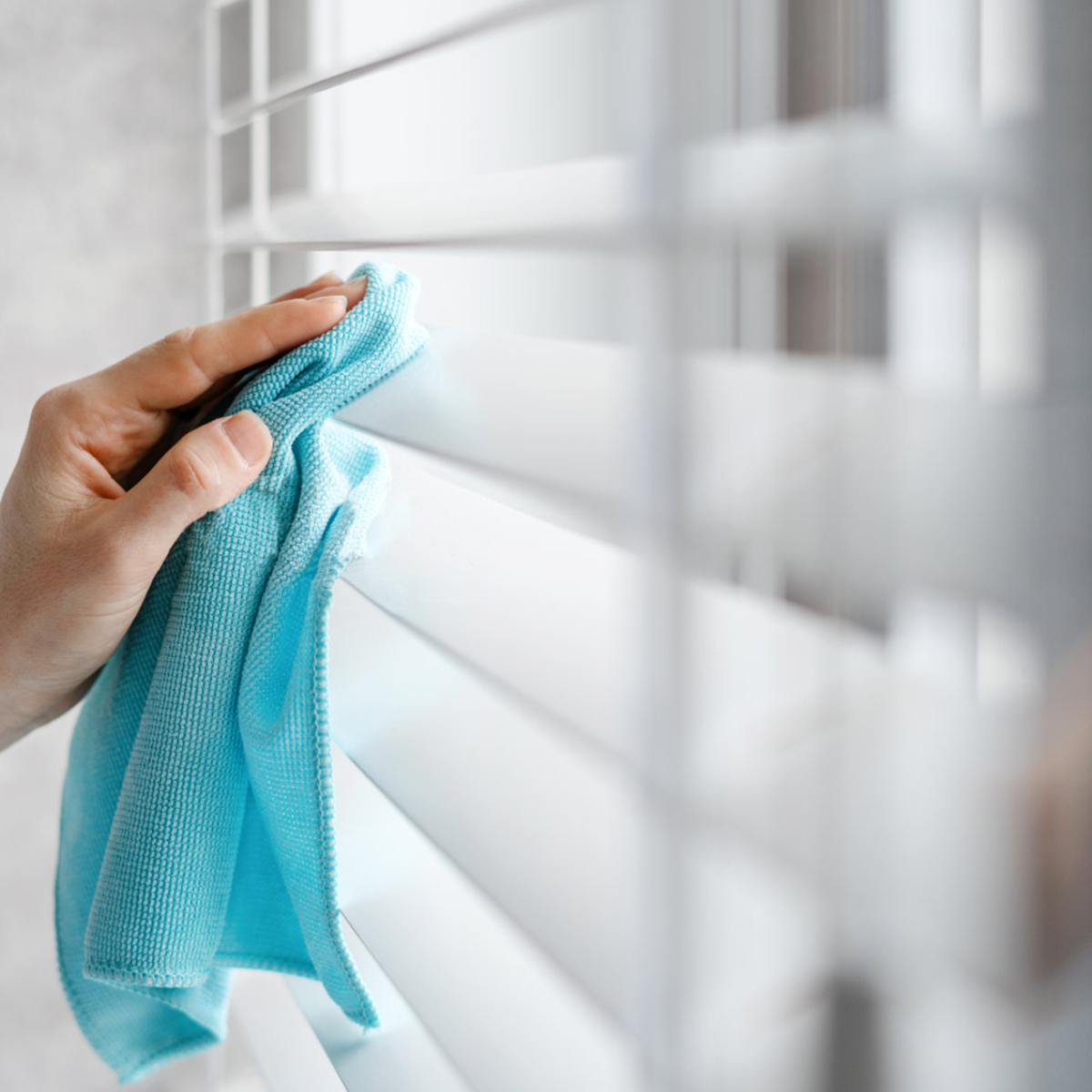
Dust buildup is the biggest enemy of Venetian blinds. It can get into the cords and mechanism, making them stiff and hard to operate, and it can cause the slats to look dull and worn. The solution? Dust your blinds once a month (or more frequently if you have pets or allergies).
Use a soft microfiber cloth or a vacuum cleaner with a soft brush attachment to dust the slats (both top and bottom). For hard-to-reach areas (like between the slats), use a soft-bristled toothbrush. Avoid using feather dusters—they just move the dust around instead of removing it.
2. Handle with Care (No Yanking or Pulling)
Venetian blinds are sturdy, but they’re not indestructible. Yanking or pulling the cords too hard can fray the cords or damage the tilting mechanism. Bending the slats (either on purpose or by accident) can also shorten their lifespan.
Teach your kids (and pets!) to handle the blinds gently. Tilt the slats slowly and evenly, and raise/lower the blinds with a steady hand. If a slat gets bent, gently bend it back into place—don’t force it, or it could break.
3. Clean Spills & Stains Immediately
Spills and stains (like coffee, grease, or pet accidents) can damage your Venetian blinds if left untreated. For water-resistant blinds (aluminum, PVC, faux wood), wipe up spills immediately with a damp cloth and mild dish soap. For wood blinds, use a slightly damp cloth to blot the stain (do not rub—rubbing can damage the wood finish) and then dry it immediately with a dry cloth.
4. Protect from Harsh Sunlight
Direct, harsh sunlight can fade and damage Venetian blinds—especially PVC and wood blinds. If your blinds are in a south-facing window, use a sheer curtain or valance to protect them from UV rays. You can also tilt the slats slightly to reduce the amount of direct sunlight hitting them.
5. Clean the Cords & Mechanism
The cords and tilting mechanism are often overlooked, but they need maintenance too. Dust and grime can build up in the mechanism, making it stiff and hard to operate. Every few months, use a soft cloth or toothbrush to clean the cords and mechanism. For water-resistant blinds, you can use a damp cloth with mild soap—just make sure to dry them thoroughly.
6. Replace Small Parts Before They Break
If you notice frayed cords, broken slats, or a stiff mechanism, address the issue immediately. Replacing a single slat or cord is much cheaper than replacing the entire blind, and it can prevent further damage. You can buy replacement parts at most home improvement stores, or contact a professional if you’re not comfortable replacing them yourself.
FAQ: Common Questions About Venetian Blinds Lifespan
Over the years, I’ve gotten a lot of questions about how long Venetian blinds last and how to maintain them. Below are the most common ones, along with my honest, real-world answers. I hope these clear up any confusion you have.
Q: Can I make my Venetian blinds last longer than the average lifespan?
A: Absolutely! The average lifespans I listed are just guidelines—with proper maintenance (dusting regularly, handling gently, cleaning spills immediately), you can extend your blinds’ lifespan by 2–5 years. For example, my aluminum kitchen blinds are 6 years old, and they still look great—even though the average lifespan is 5–8 years. I expect them to last at least 2 more years with continued care.
Q: When is it time to replace my Venetian blinds?
A: It’s time to replace your blinds if: the cords are severely frayed or broken (a safety hazard, especially for kids and pets); the slats are warped, cracked, or broken beyond repair; the mechanism is stiff and won’t operate smoothly (even after cleaning); or the blinds are faded, stained, or look worn out (and cleaning them doesn’t help). If your blinds are approaching the end of their average lifespan and have multiple issues, it’s usually cheaper to replace them than to fix them.
Q: Are motorized Venetian blinds more durable than corded ones?
A: Motorized Venetian blinds have the same lifespan as corded ones—their durability depends on the material, not the operation method. However, motorized blinds can be easier on the mechanism (since you’re not pulling cords), which might help extend their lifespan slightly. The downside is that motorized blinds are more expensive to replace if the motor breaks.
Q: Which material is best for a bathroom (high humidity)?
A: For bathrooms, I recommend PVC or aluminum Venetian blinds—they’re water-resistant/waterproof and can handle high humidity without warping or rotting. Faux wood blinds are also a good option (they’re water-resistant), but make sure to choose a high-quality one that’s specifically designed for humid spaces. Avoid wood blinds in bathrooms—excess moisture will ruin them.
Q: Do more expensive Venetian blinds last longer?
A: Not always—but usually, yes. Higher-quality blinds (which are often more expensive) are made with better materials and craftsmanship, so they tend to last longer. For example, a high-end faux wood blind will last longer than a cheap, low-quality one. However, you don’t have to splurge on the most expensive option—mid-range blinds (like mid-priced faux wood or aluminum) are usually durable enough for most homes.
Q: Can I paint my Venetian blinds to make them look new again?
A: You can, but it’s not always worth it. For aluminum or PVC blinds, you can paint them with a spray paint designed for metal or plastic—this can cover fading or stains and make them look new again. However, painting wood or faux wood blinds is more difficult (the paint might chip or peel), and it’s usually cheaper to replace them than to paint them. If your blinds are still in good shape but just look dull, painting is a good option—otherwise, replace them.
Choosing the Right Venetian Blinds for Longevity
At the end of the day, the best Venetian blinds for you are the ones that fit your space, budget, and lifestyle. If you want a budget-friendly option that’s easy to maintain, go with aluminum or PVC. If you want the look of wood without the high cost or maintenance, faux wood is your best bet. If you want a luxurious, timeless option that will last for years (and you’re willing to put in a little maintenance), wood blinds are worth the investment.
No matter which material you choose, remember that maintenance is key. Taking a few minutes a month to dust your blinds, handle them gently, and clean spills immediately can make them last years longer than if you neglect them. I’ve seen people replace their blinds every 3–4 years because they didn’t take care of them, while others have had the same blinds for 10+ years with simple, regular care.
I hope this blog helped answer your questions about how long Venetian blinds last and how to extend their lifespan. If you have any other questions, or if you want to share your experience with Venetian blinds (how long have yours lasted?), leave a comment below—I’d love to hear from you!
And remember: when it comes to Venetian blinds, it’s not just about how long they last—it’s about choosing the right material for your space so you can enjoy them for years to come. Happy decorating!
Post time: Mar-06-2026