Sliding doors and patio doors are the perfect bridge between indoor comfort and outdoor beauty—they flood spaces with natural light, expand living areas, and frame scenic views. But when it comes to window treatments, these doors present unique challenges. Unlike standard windows, they’re large, frequently operated, and require treatments that balance functionality, style, and durability. Venetian blinds for sliding doors have emerged as a top choice for homeowners and renters alike, thanks to their adjustable light control, sleek profile, and versatility. Yet, many people struggle with choosing the right size, material, and installation method—leading to ill-fitting blinds, operational headaches, or premature wear.
In this post, we’ll tackle the most common frustrations homeowners face with Venetian blinds for sliding and patio doors, share actionable tips to get the perfect fit and performance, and answer the questions we hear most often. Whether you’re renovating your space or just upgrading your window treatments, this guide will help you make informed decisions and get the most out of your Venetian blinds.
Why Venetian Blinds Work for Sliding & Patio Doors
Before diving into the details, let’s break down why Venetian blinds are a better fit for sliding and patio doors than other treatments like curtains or vertical blinds. First, their horizontal slats (typically 25mm, 35mm, or 50mm wide) offer precise light control—tilt them slightly to filter sunlight, fully open for unobstructed views, or close tightly for privacy and light blockage. This flexibility is a game-changer for spaces like living rooms and dining areas that transition from morning brightness to evening coziness.
Unlike vertical blinds, which can sway with drafts and get tangled in sliding door tracks, Venetian blinds have a compact, stable design that won’t interfere with door operation. They’re also easier to clean and maintain—no dangling vanes to dust or repair. Plus, high-quality Venetian blinds come in a range of materials, from aluminum to wood, allowing you to match any interior style, from modern minimalist to warm rustic.
To maximize their performance, it’s key to pair them with the right complementary elements—we’ll cover aluminum Venetian blinds (ideal for high-moisture areas), wooden Venetian blinds (for warmth and elegance), and cordless Venetian blinds (for safety and sleekness) later on, as these are the most popular variants for sliding and patio doors.
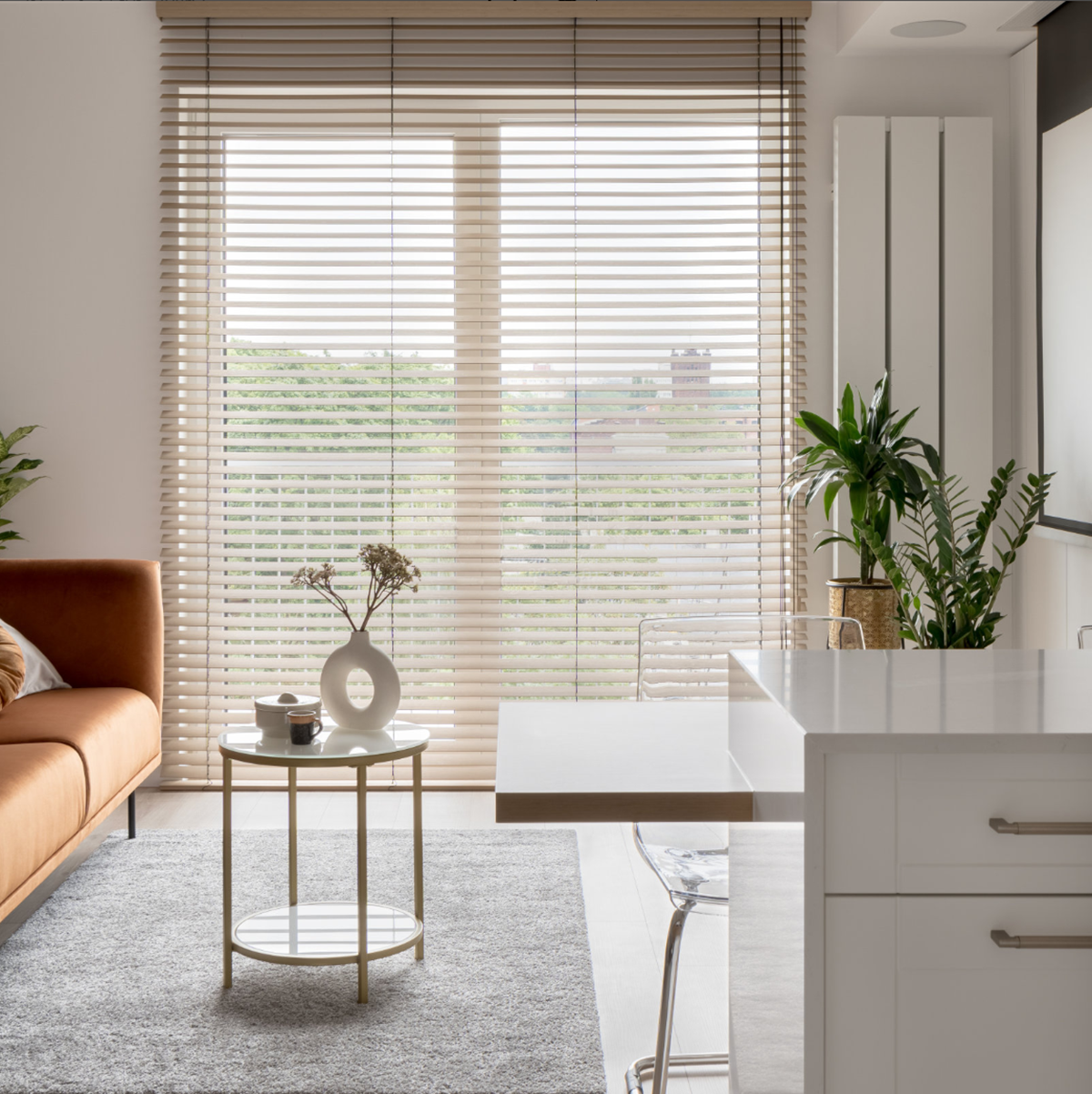
Common Questions with Venetian Blinds for Sliding Doors (And How to Fix Them)
Even with all these advantages, choosing and installing Venetian blinds for sliding and patio doors isn’t without hurdles. Let’s walk through the top issues homeowners run into and break down step-by-step solutions to fix them.
Q1: My Venetian Blinds Get Stuck When I Open/Close the Sliding Door—How Do I Prevent This?
This is the most frequent complaint, and it almost always comes down to incorrect sizing or mounting. Sliding doors need clearance to glide smoothly, so blinds that are too wide or mounted too close to the track will rub against the door or frame.
The fix starts with precise measuring. First, decide whether to mount the blinds inside the window recess or outside. For sliding doors, outside mounting is usually better—it avoids clearance issues and provides full coverage. Measure the width of the door frame (from one end to the other) and add 3–5 inches to each side—this ensures the blinds don’t block the door’s path when open. For height, measure from the top of the frame to the floor (or sill) and add 2 inches to prevent light gaps at the top.
If you prefer inside mounting (for a streamlined look), measure the width of the recess at the top, middle, and bottom—use the smallest measurement to ensure a fit. You’ll also need at least 2 inches of depth in the recess to avoid the blinds hitting the door handle. If your recess is shallow, opt for slim-profile Venetian blinds (aluminum variants are thinner than wood) or adjust the mounting brackets to sit further back.
Another tip: Choose blinds with a side-winding mechanism instead of front-mounted cords. This keeps the operating hardware out of the door’s path and prevents tangling.
Q2: The Blinds Warp or Fade Near Patio Doors—What Material Should I Choose?
Patio doors expose blinds to direct sunlight, temperature fluctuations, and sometimes moisture (if near a pool or garden). Wooden Venetian blinds are prone to warping and fading in these conditions, while low-quality aluminum blinds may discolor over time.
The solution is to pick the right material for your environment:
For high-sunlight areas: Go for aluminum Venetian blinds with a powder-coated finish. The powder coating resists UV damage and fading, and aluminum’s durability means it won’t warp or crack. Look for blinds with a UV protection rating of UPF 50+ for maximum resistance.
For a warm, natural look (without the warping risk): Choose faux wood Venetian blinds (made from PVC or composite materials). They mimic the appearance of real wood but are water-resistant and UV-stable—perfect for patio doors, bathrooms, or kitchens. Just avoid cheap faux wood blinds, as they can become brittle in extreme heat.
For shaded patio doors (minimal direct sunlight): Real wooden Venetian blinds work beautifully. Opt for hardwoods like oak or basswood, which are more resistant to warping than softwoods. Treat them with a UV-protective sealant annually to extend their lifespan.
Q3: Corded Blinds Are a Safety Hazard for Kids/Pets—What’s the Alternative?
Corded Venetian blinds pose a strangulation risk for young children and pets, especially near sliding doors where little ones may play. Many regions now have regulations restricting corded blinds, so it’s wise to opt for cordless alternatives.
Cordless Venetian blinds are the safest option—they use a spring-loaded mechanism that allows you to raise, lower, and tilt the slats with a gentle push or pull. For larger sliding door blinds (wider than 4 feet), look for cordless blinds with a handle at the bottom rail—this makes them easier to operate without straining.
If you already have corded blinds, you can retrofit them with cord cleats (mounted high on the wall to keep cords out of reach) or cord stops (which limit how far cords can hang). However, cordless blinds are a better long-term solution for safety and aesthetics—they have a cleaner look and eliminate the hassle of tangled cords.
Q4: How do I clean Venetian blinds on sliding doors without damaging them?
Sliding door blinds collect dust, pollen, and sometimes outdoor grime, but cleaning them doesn’t have to be a chore—nor does it require harsh chemicals that can damage the material.
For aluminum and faux wood Venetian blinds: Wipe the slats with a microfiber cloth or a duster with soft bristles. For heavier dirt, mix a mild detergent (dish soap) with warm water, dampen a cloth, and wipe each slat—avoid soaking the blinds, as excess water can seep into the mechanism. Dry the slats with a clean cloth to prevent water spots.
For wooden Venetian blinds: Avoid water entirely—use a dry microfiber cloth or a vacuum with a soft brush attachment. If there’s a stain, gently rub it with a cloth dampened with a small amount of wood cleaner (test on an inconspicuous area first to ensure it doesn’t discolor the wood).
Pro tip: Clean your blinds every 2–3 months to prevent dust buildup, which can make the mechanism sticky. For hard-to-reach areas (tall sliding doors), use an extendable duster or a step stool (never stand on the sliding door track—it can damage the gliders).
How to Choose High-Quality Venetian Blinds for Sliding & Patio Doors
Not all Venetian blinds are created equal—cheap options might look good at first, but they’ll warp, fade, or break within a year. Below is a step-by-step guide to choosing durable, high-performance blinds that fit your space and needs.
Step 1: Choose the Right Slat Width
Slat width impacts both style and functionality. Since sliding and patio doors are typically wide, wider slats—35mm or 50mm—are the best choice. They create a more balanced aesthetic, and tilting or adjusting them feels effortless. Narrower 25mm slats, on the other hand, can look cluttered on large doors and take more time to clean thoroughly.
Wider slats also allow more light when open and better privacy when closed. If you want to maximize views, opt for 50mm slats—they have fewer gaps between slats when open, creating a more unobstructed view of the outdoors.
Step 2: Opt for Quality Hardware & Mechanisms
The operating mechanism is what makes or breaks your Venetian blinds. Cheap plastic components will fail fast, especially with the frequent use sliding doors demand. Look for blinds featuring metal headrails and sidewinder mechanisms—these ensure smooth, consistent operation. For cordless models, prioritize those with heavy-duty springs that keep the blinds securely in place without sagging over time.
Mounting brackets should also be made of metal, not plastic. They need to support the weight of the blinds (especially for wide or wooden models) and withstand repeated opening and closing of the door.
Step 3: Consider Customization for a Perfect Fit
Sliding and patio doors come in non-standard sizes more often than you’d think—off-the-shelf blinds may not fit properly. Custom Venetian blinds are worth the investment—they’re tailored to your door’s exact dimensions, ensuring no light gaps, no rubbing, and a polished look.
Many retailers offer custom options, including color, slat width, mounting type, and cordless operation. Be sure to provide accurate measurements (follow the retailer’s guide) or hire a professional to measure—this avoids costly mistakes.
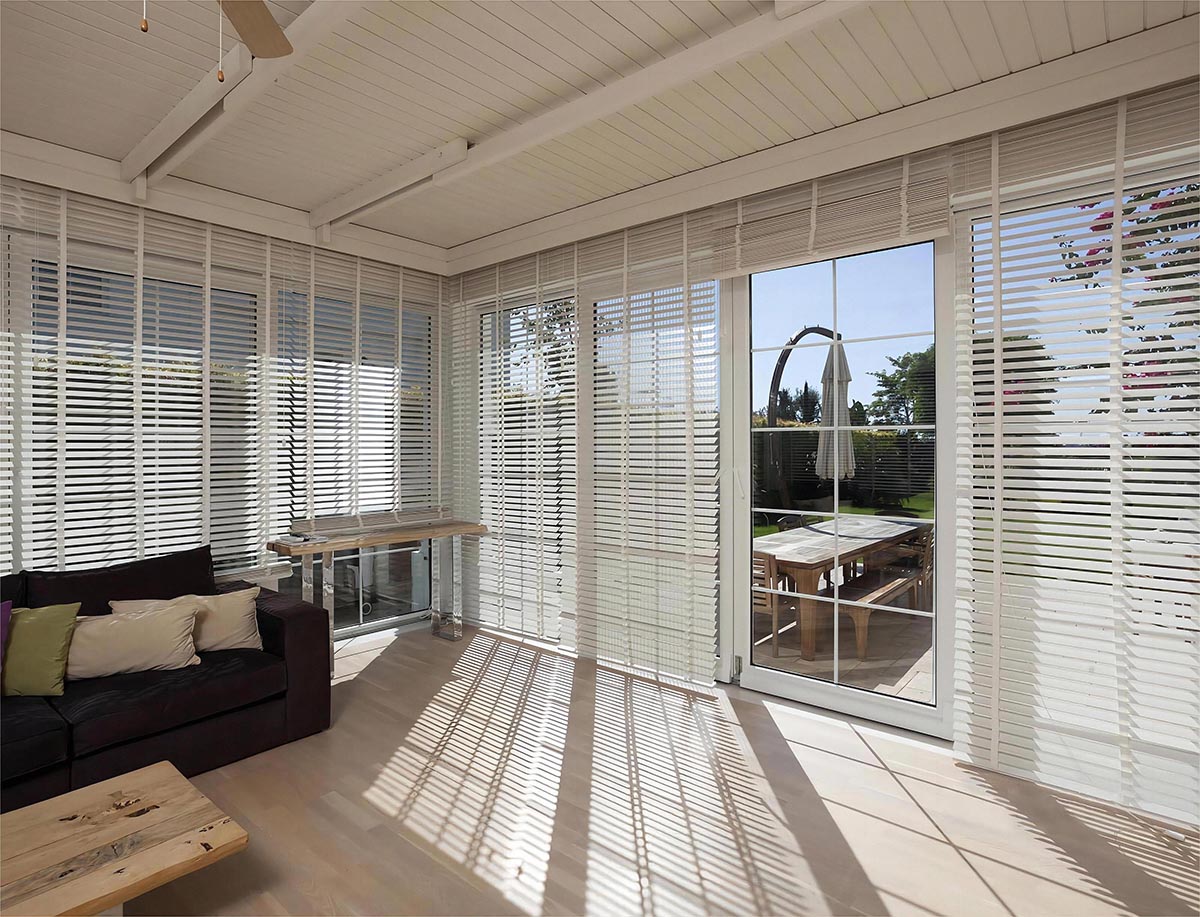
Installation Tips for Venetian Blinds on Sliding & Patio Doors
Even the best blinds will perform poorly if installed incorrectly. Follow these tips for a smooth, hassle-free installation:
• Check for Obstructions First: Before drilling, ensure the mounting area is clear of door handles, locks, or trim. If the door handle is in the way, adjust the bracket position or choose blinds with an offset headrail.
• Use the Right Tools: For drywall or wood frames, use screws and wall anchors (included with most blinds). For concrete or brick frames, use masonry drills and anchors—standard screws won’t hold.
• Level the Brackets: A slight tilt in the brackets will make the blinds hang crookedly. Use a level to ensure the brackets are aligned before securing them.
• Test Operation Before Finishing: After installing the blinds, test raising, lowering, and tilting the slats to ensure they work smoothly. If they stick, adjust the brackets or loosen the screws slightly (over-tightening can warp the headrail).
If you’re not comfortable with DIY installation, hire a professional—especially for large or heavy blinds. Improper installation can damage the door frame or the blinds themselves, voiding warranties.
High-quality Venetian blinds for sliding and patio doors are a practical, stylish addition to any home—they deliver precise light control, long-lasting durability, and a clean look that complements any decor. The key to making them work for your space is choosing the right material, getting accurate measurements, and prioritizing safety and functionality.
Remember, the best blinds for your space depend on your unique needs—whether you need UV-resistant aluminum blinds for a sunny patio or cordless faux wood blinds for a family-friendly living room. By addressing common pain points (sticking, warping, safety hazards) and following our tips for selection and installation, you’ll enjoy your Venetian blinds for years to come.
Post time: Mar-03-2026