When it comes to elevating your home’s windows with timeless style and functional light control, Faux Wood Blinds and Wood Venetian Blinds are two of the most popular choices—but they’re far from interchangeable. Many homeowners find themselves stuck between the warmth of real wood and the practicality of faux wood, asking: Is the premium price of real wood blinds worth it? Will faux wood look cheap or fake? Which holds up better in humid rooms like bathrooms or kitchens?
Breaking Down the Core Materials: Faux Wood vs Wood Venetian Blinds
Before diving into comparisons, let’s get clear on what each type of blind is made of—this foundational difference drives every other aspect of their performance and appeal. Wood Venetian Blinds are crafted from genuine hardwood slats, typically oak, basswood, or maple, chosen for their natural grain, durability, and warm aesthetic. They’re often sanded, stained, or painted to enhance their natural beauty, and each set has unique variations in grain pattern, making them one-of-a-kind.
Faux Wood Blinds, on the other hand, are synthetic alternatives designed to mimic the look of real wood without the associated maintenance or cost. They’re most commonly made from PVC (polyvinyl chloride) or a composite of wood fibers and resin—materials chosen for their moisture resistance, durability, and affordability. Modern faux wood blinds are remarkably realistic, with textures and finishes that closely resemble natural wood, making them a popular choice for homeowners who want the look without the upkeep.
Both fall under the umbrella of traditional Venetian blinds, featuring horizontal slats that rotate to control light and privacy, but their material composition sets them apart in key areas like durability, maintenance, and suitability for different rooms.
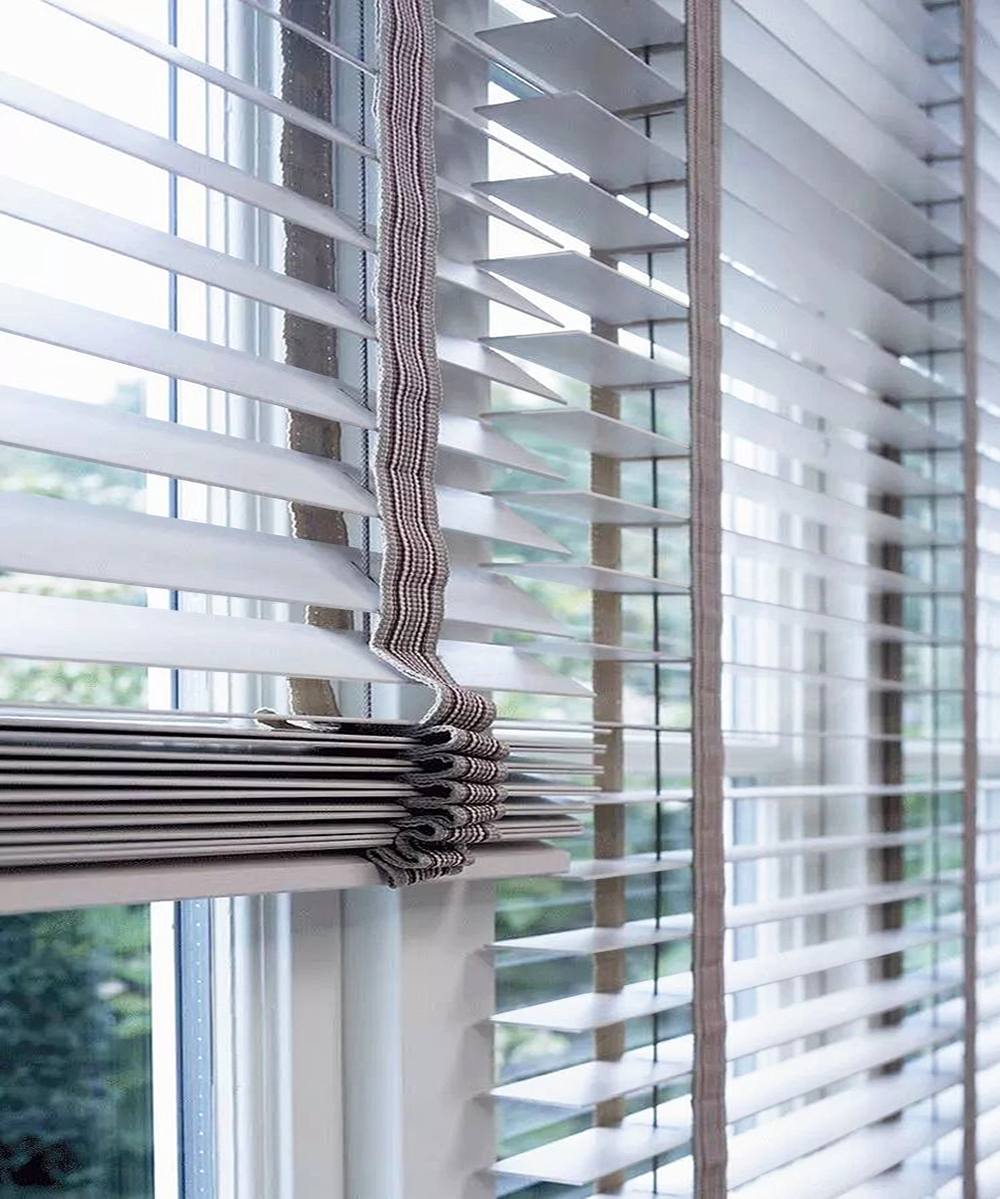
Durability & Resistance to Environmental Factors
When investing in window blinds, you want something that will last—and perform well in your home’s unique conditions. Here’s how faux wood and wood Venetian blinds stack up in the areas that matter most:
1. Humidity & Moisture Resistance
• Wood Venetian Blinds: Genuine wood is porous, which means it absorbs moisture—this is its biggest downside. In high-humidity areas (think bathrooms, laundry rooms, or coastal homes), wood slats can warp, bow, or even develop mold or mildew over time. Even in moderately humid spaces like kitchens, prolonged exposure to steam can cause the wood to crack or discolor. For example, a wood blind in a bathroom without proper ventilation might start to warp within 6–12 months, ruining its functionality and appearance.
• Faux Wood Blinds: Designed for moisture resistance, faux wood (especially PVC-based) is non-porous, so it doesn’t absorb water. This makes them ideal for humid rooms—they won’t warp, bow, or develop mold, even in steamy bathrooms or coastal environments. Composite faux wood blinds (wood fiber + resin) are also moisture-resistant, though they’re slightly less durable than PVC in extreme humidity. They’re a practical choice for any room where real wood would struggle.
2. Heat & UV Resistance
• Wood Venetian Blinds: Natural wood is sensitive to direct sunlight and extreme heat. Prolonged exposure to UV rays can cause the wood to fade, darken, or dry out, leading to cracking or splitting. For south-facing windows or sunrooms, unprotected wood blinds may start to show signs of sun damage within a few years. While some wood blinds come with UV-resistant finishes, they still require more care to maintain their appearance.
• Faux Wood Blinds: Most faux wood blinds are treated with UV stabilizers, making them highly resistant to sun fading and heat damage. They won’t dry out, crack, or fade even in sun-drenched rooms, making them a low-maintenance choice for west-facing or south-facing windows. PVC faux wood is especially heat-resistant, holding its shape even in temperatures up to 85°C, which is far more than most homes experience.
3. Longevity & Wear Resistance
• Wood Venetian Blinds: With proper care (avoiding humidity, limiting direct sunlight, and regular dusting), real wood blinds can last 15–20 years. However, they’re more prone to scratches and dents than faux wood—even a minor impact from a pet or child can leave a permanent mark. The finish can also chip over time, requiring touch-ups to maintain their appearance.
• Faux Wood Blinds: Faux wood blinds are incredibly durable, with a lifespan of 10–15 years (and sometimes longer) with minimal care. They’re scratch-resistant, dent-resistant, and won’t chip or peel, making them ideal for homes with kids, pets, or high-traffic areas. PVC faux wood is particularly tough, standing up to daily wear and tear without showing signs of damage.
Practical Takeaway: For humid rooms, sun-drenched spaces, or homes with kids/pets, Faux Wood Blinds are the clear winner for durability.Wood Venetian Blinds thrive in low-humidity, low-traffic areas (like bedrooms or formal living rooms) where they can be protected from direct sunlight and moisture.
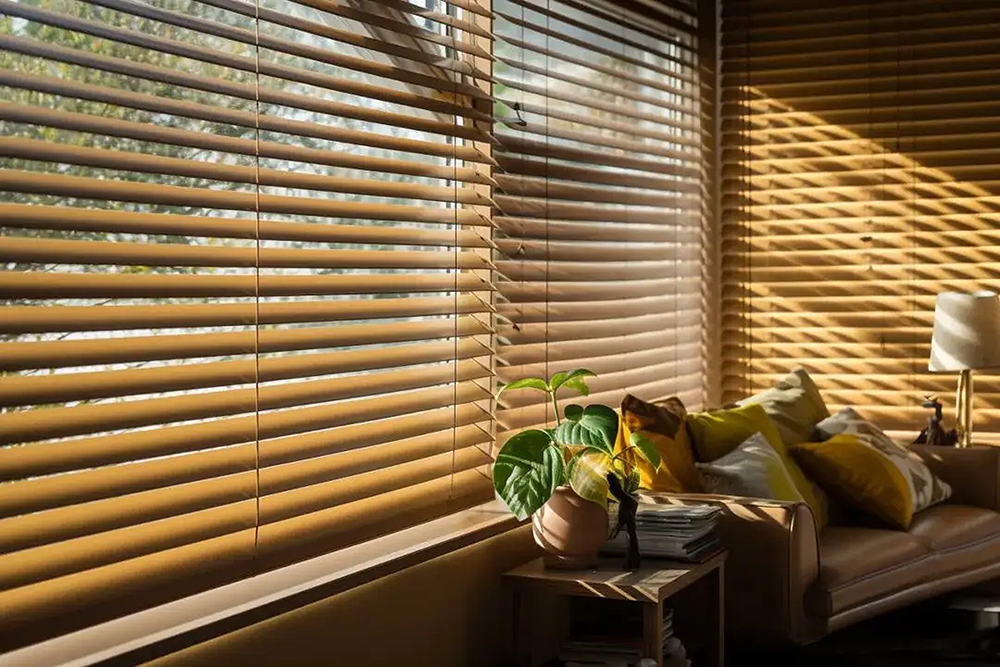
Aesthetics & Design Flexibility: Which Looks Better?
Blinds aren’t just functional—they’re a design element that ties your room together. Here’s how faux wood and wood Venetian blinds compare in terms of style and customization:
• Wood Venetian Blinds: The biggest advantage of real wood is its natural beauty. Each slat has a unique grain pattern, warmth, and depth that faux wood can’t fully replicate. They add a touch of elegance and sophistication to any space, making them perfect for traditional, rustic, or coastal interiors. Wood blinds come in a range of stains (light oak, dark walnut, cherry) and paint colors, though the color options are more limited than faux wood. The slats are often thicker (35–50mm), giving them a substantial, luxurious look that enhances the overall feel of a room.
• Faux Wood Blinds: Modern faux wood blinds have come a long way in mimicking real wood—many have textured surfaces and realistic grain patterns that are hard to distinguish from the real thing, especially from a distance. They offer far more design flexibility than wood blinds, with a wide range of colors (from neutrals to bold hues), finishes (matte, glossy, textured), and even faux wood grains (oak, maple, walnut). They’re available in both slim (25mm) and thick (50mm) slats, making them suitable for any decor style—from modern to traditional. Faux wood also maintains its color consistently, with no variation between slats, which is ideal for homeowners who want a uniform look.
Practical Takeaway: If you prioritize natural beauty and are willing to maintain them,Wood Venetian Blinds are unbeatable. If you want a realistic wood look with more color options and less maintenance, Faux Wood Blinds are the better choice.
Is Real Wood Worth the Premium?
Budget is a key factor for most homeowners, and the gap between faux wood and wood Venetian blinds is significant. Let’s break down the costs and long-term value to help you make an informed decision:
• Wood Venetian Blinds: Real wood blinds are a premium option, typically costing 50–70% more than faux wood. Prices range from $30–$60 per square foot, depending on the type of wood (basswood is more affordable, while oak or maple is more expensive), slat size, and finish. For a standard 3×4 foot window, this translates to $360–$720 per window. While they have a longer lifespan with proper care, the upfront cost is a barrier for many homeowners.
• Faux Wood Blinds: Faux wood blinds are budget-friendly, with prices ranging from $15–$30 per square foot. For the same 3×4 foot window, this is $180–$360 per window—half the cost of real wood. While their lifespan is slightly shorter (10–15 years vs. 15–20 years for wood), the lower upfront cost makes them a more economical choice for most homeowners, especially those on a tight budget or renting.
Long-term value also depends on maintenance costs. Wood Venetian Blinds may require touch-ups (stain or paint) every 5–7 years, adding to their overall cost. Faux Wood Blinds, on the other hand, require no maintenance beyond regular cleaning, so their long-term cost is minimal.
Practical Takeaway: If you’re investing in a forever home and prioritize natural beauty, Wood Venetian Blinds offer long-term value despite the higher upfront cost. For rentals, budget projects, or homeowners who want a low-maintenance option, Faux Wood Blinds provide the best bang for your buck.
Which Is Easier to Care For?
No one wants blinds that require constant upkeep. Here’s how the two options compare in terms of daily care:
• Wood Venetian Blinds: Real wood requires more maintenance to keep them looking their best. You’ll need to dust them weekly to prevent dust buildup, and avoid using water (which can damage the wood) for cleaning—instead, use a dry cloth or a wood-specific cleaner. If they get wet, dry them immediately to prevent warping. You’ll also need to reapply stain or paint every 5–7 years to maintain their finish and protect against sun damage.
• Faux Wood Blinds: Faux wood is incredibly low-maintenance. You can dust them weekly with a dry cloth, or wipe them down with a damp cloth and mild soap for deeper cleaning—no special cleaners needed. They’re resistant to dust buildup, and you don’t have to worry about water damage or re-finishing. Even if they get wet (e.g., in a bathroom), a quick wipe down is all that’s needed to keep them in good condition.
Practical Takeaway: Faux Wood Blinds are ideal for homeowners who want a “set-it-and-forget-it” option. Wood Venetian Blinds are better for those who don’t mind putting in a little extra effort to maintain their natural beauty.
Common Mistakes to Avoid When Choosing
• Putting wood blinds in humid rooms: This is the most common mistake—wood blinds warp and mold in bathrooms, laundry rooms, or coastal homes. Save wood for low-humidity spaces.
• Choosing faux wood for a high-end look: While modern faux wood is realistic, it still lacks the depth and uniqueness of real wood. If you’re going for a luxury aesthetic, wood blinds are worth the investment.
• Ignoring slat size: Thicker slats (40–50mm) add warmth and depth, while slim slats (25mm) are more modern. Choose slat size based on your room’s style and window size—larger windows look better with thicker slats.
• Overlooking UV protection: If your windows get direct sunlight, choose faux wood with UV stabilizers or wood blinds with a UV-resistant finish to prevent fading and damage.
Which Should You Choose?
There’s no one-size-fits-all answer, but these simple guidelines will help you make the right choice for your home:
• Choose Wood Venetian Blinds if: You have low-humidity, low-traffic rooms (bedrooms, formal living rooms), prioritize natural beauty and luxury, are willing to maintain them, and have the budget for a premium option.
• Choose Faux Wood Blinds if: You have humid rooms (bathrooms, kitchens), sun-drenched windows, kids/pets, a tight budget, or want a low-maintenance option that still looks like real wood.
Both Faux Wood Blinds and Wood Venetian Blinds are excellent choices—they just excel in different areas. By focusing on your space’s unique conditions, budget, and design goals, you’ll avoid costly mistakes and pick blinds that look great and function flawlessly for years. Whether you opt for the warmth of real wood or the practicality of faux wood, the right blinds will elevate your home’s style and provide the light control and privacy you need.
Post time: May-18-2026