Installing vertical blinds seems like a straightforward weekend DIY project at first glance, but even small missteps can turn a quick task into a frustrating hassle. If you’ve ever ended up with crooked headrails, stuck slats, uneven gaps, or blinds that won’t glide smoothly after installation, you’re not alone. Many homeowners and renters rush into Installing Vertical Blinds without prepping properly, skipping key measurements or ignoring small but critical details, and end up with a shoddy result that ruins the look and functionality of their window treatments.
The good news is that installing vertical blinds doesn’t require professional tools or advanced handyman skills. With the right prep, clear step-by-step techniques, and a handful of key tips to avoid common mistakes, you can get a flawless, long-lasting install that makes your vertical blinds look sleek and work perfectly.
Pre-Install Prep
Before you pick up a screwdriver or unwrap your vertical blinds, taking 15-20 minutes to prep will save you hours of frustration later. Skipping this step is the top reason DIY installations go wrong, so don’t cut corners here. Start by clearing the area around your window—move furniture, remove old curtains or blinds, and wipe down the window frame to eliminate dust, dirt, or debris that could get in the way of mounting. Lay out all your parts on a flat surface: headrail, brackets, screws, vertical blind slats, valance (if included), and mounting hardware. Double-check that you have all pieces; missing screws or brackets will halt your progress mid-install.
Next, gather your basic tools—you won’t need anything fancy. A tape measure (the most important tool for this job), a pencil for marking, a drill with a small drill bit, a screwdriver (manual or electric), and a level to ensure straight mounting are all you need. A step stool is also a must for high windows or ceiling mounts. Once your space and tools are ready, it’s time to focus on the most critical part of installing vertical blinds: precise measuring.
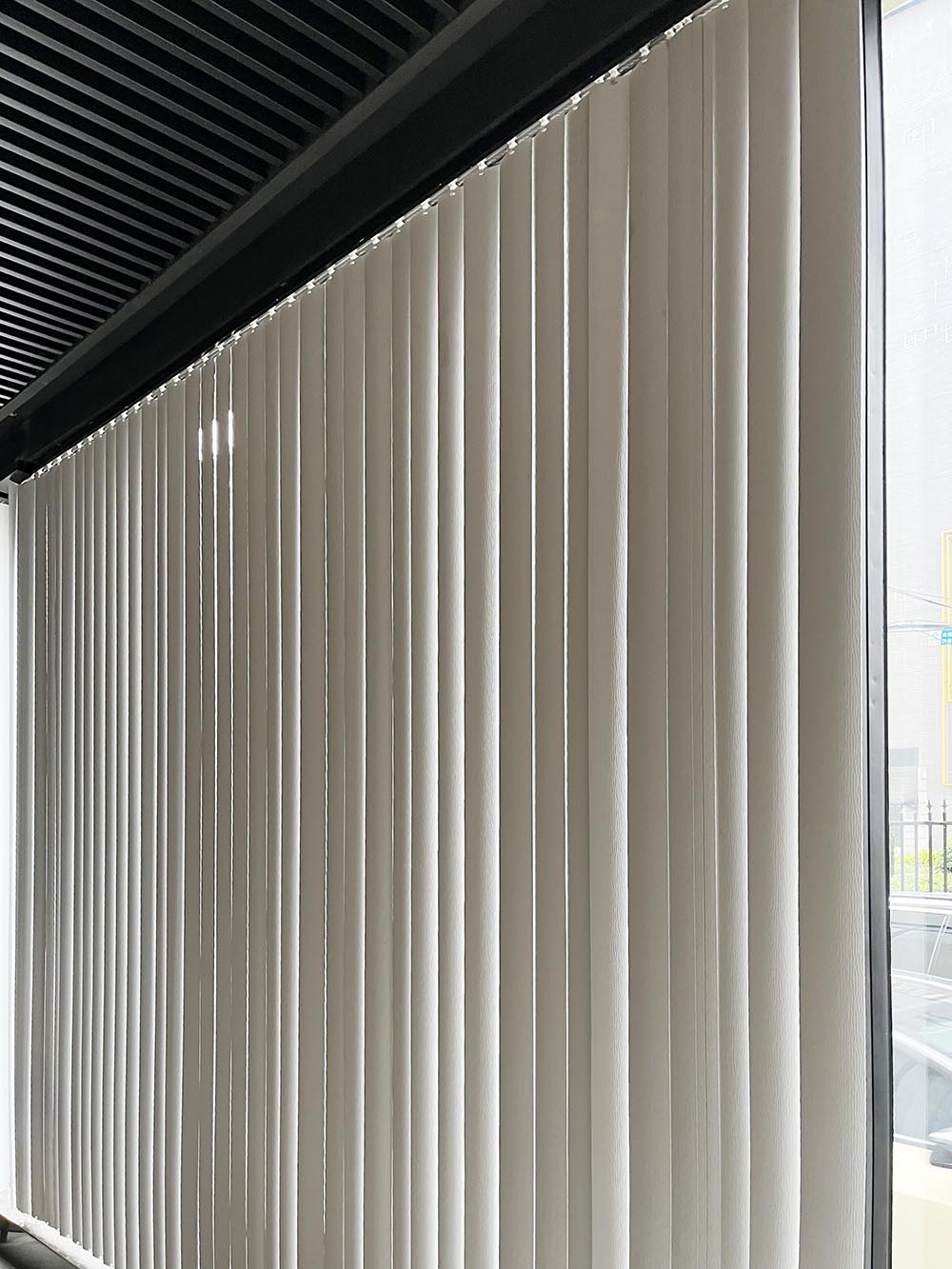
Critical Measuring Rules for Perfect Fitting Vertical Blinds
Measuring incorrectly is the single biggest mistake people make when installing vertical blinds, and it leads to gaps, ill-fitting blinds, or even blinds that don’t fit the window at all. There are two main mounting styles: inside mount (blinds fit inside the window frame) and outside mount (blinds mount on the wall or trim above the window). Each has different measuring rules, and getting this right is non-negotiable.
For inside mount vertical blinds (the sleekest option, ideal for clean window frames), measure the width of the window frame at three points: top, middle, and bottom. Use the narrowest measurement to ensure your blinds fit inside without rubbing the frame. For height, measure the left, middle, and right sides of the frame, using the shortest measurement. Always subtract ¼ inch from both width and height to give the blinds a small gap for smooth operation—too tight, and the slats will stick.
For outside mount vertical blinds (perfect for windows with deep trim, uneven frames, or to make small windows look larger), measure the width of the window, then add 3-4 inches total (1.5-2 inches on each side) to cover gaps and block light. For height, measure from the top of your desired mounting spot to 1-2 inches below the window sill to ensure full coverage. Mark these measurements lightly with a pencil, and use a level to draw a straight guideline for your headrail—this keeps your blinds from hanging crookedly.
Step-by-Step Installation Guide for Smooth Results
Once your measurements are marked and your tools are ready, follow these steps to install your vertical blinds without hiccups. Take it slow, and double-check alignment at every stage to avoid rework.
1. Mount the Support Brackets Securely
The headrail is the backbone of your vertical blinds, so mounting brackets securely is vital. Align the brackets with your pencil marks, ensuring they’re level and evenly spaced—most vertical blinds require a bracket at each end and one in the middle for extra support, especially for wide windows. Use your drill to make small pilot holes first; this prevents wood trim or drywall from splitting, which is a common issue that weakens the mount. Once pilot holes are drilled, attach the brackets with the provided screws, tightening them firmly but not overly tight (over-tightening can strip the screws or crack the bracket).
2. Attach the Headrail to the Brackets
Lift the vertical blind headrail carefully and snap or slide it into the mounted brackets. Every brand has a slightly different mechanism, but most headrails click into place or lock with a small tab. Give the headrail a gentle tug to make sure it’s secure—if it wobbles or shifts, the brackets are loose or misaligned, and you’ll need to adjust them before moving on. A wobbly headrail will cause slats to hang unevenly and operate poorly, so don’t skip this check.
3. Install Vertical Blind Slats and Valance
Once the headrail is secure, it’s time to add the slats. Each vertical blind slat hooks into a carrier clip on the headrail—simply line up the top of the slat with the clip and push up until it clicks into place. Work from one end to the other, making sure all slats are facing the same direction for a neat look. If your blinds include a valance (the decorative front piece), snap it onto the front of the headrail to cover the brackets and hardware for a polished, finished appearance. Take your time here; forcing slats can break the clips, ruining the blind set.
4. Test Operation and Adjust as Needed
The final step is to test your blinds to ensure they work smoothly. Use the tilt wand or chain to rotate the slats, checking that they open and close evenly without sticking. Slide the blinds open and closed along the headrail to make sure they glide without catching. If slats are uneven, adjust the carrier clips slightly; if they stick, check for debris in the track or misaligned slats. Small tweaks here make a huge difference in how your vertical blinds perform long-term.
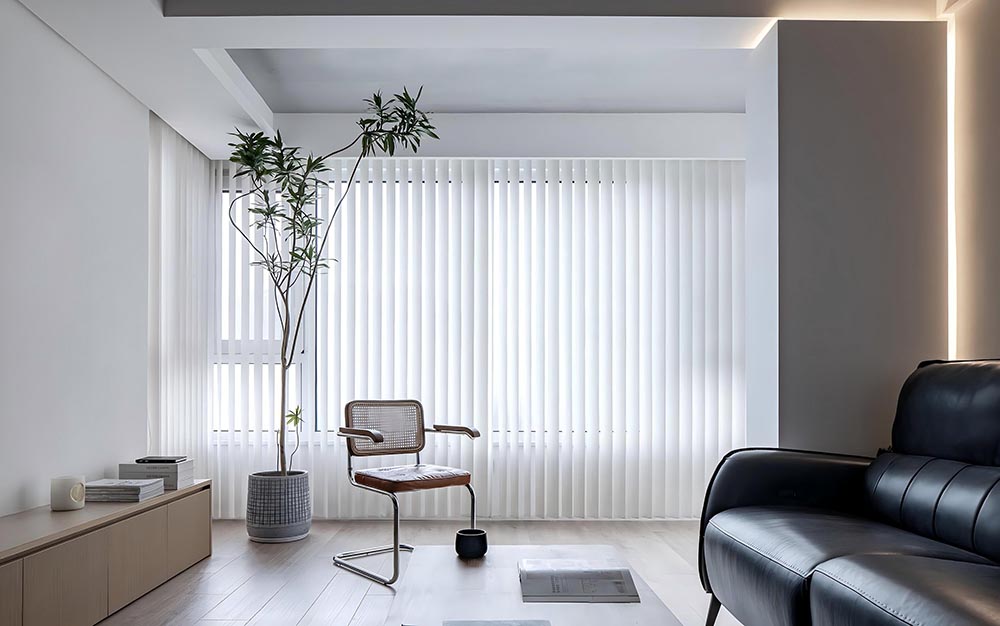
Key Installation Mistakes to Avoid
Even with careful prep, it’s easy to make small mistakes that ruin your install. Here are the most common pitfalls to steer clear of when installing vertical blinds:
• Skipping the level: Mounting brackets without a level leads to crooked headrails and uneven slats—always use a level, even if you think your eye is accurate.
• Using the wrong screws: Drywall anchors are a must for mounting into drywall (not wood trim); using regular screws without anchors will cause brackets to pull out of the wall over time, especially with frequent use.
• Overcrowding slats: Don’t force extra slats or space them unevenly; follow the manufacturer’s guide for proper spacing to ensure smooth gliding.
• Ignoring cord safety: If your vertical blinds have cords, keep them out of reach of children and pets to avoid strangulation hazards—opt for cordless cleats to secure excess cord length.
• Rushing the job: Taking 5 extra minutes to check alignment and security is far better than taking down and redoing the entire install later.
Pro Tips for Long-Lasting, Functional Vertical Blinds
Beyond the basic install, these pro tips will ensure your vertical blinds stay in great shape and work perfectly for years:
If you’re installing vertical blinds on a wide sliding glass door or large window, add extra support brackets to prevent the headrail from sagging over time. Heavy-duty headrails can handle wide spans, but extra support adds durability for daily use. For renters who can’t drill holes, use heavy-duty adhesive brackets (designed for vertical blinds) to mount the headrail without damaging walls—just make sure the surface is clean and dry for a strong hold.
After installation, dust the slats and headrail regularly to keep the track clear of debris; buildup is the top cause of stuck blinds. Avoid pulling or yanking the slats open/closed, as this can damage the carrier clips and headrail track. If a slat breaks, replace it individually instead of replacing the entire blind set—most brands sell replacement vertical blind slats affordably, making maintenance easy and budget-friendly.
FAQs About Installing Vertical Blinds
To wrap up, we’re answering the most common questions readers have about installing vertical blinds to clear up any remaining confusion:
Q: Can I install vertical blinds by myself, or do I need a helper?
A: Most standard-sized vertical blinds are easy to install solo, but a second pair of hands helps with lifting long headrails or mounting high brackets. For extra-wide blinds (8 feet or more), a helper is recommended to keep the headrail level during mounting.
Q: How long does installing vertical blinds take?
A: For a single standard window, the full install takes 30-45 minutes, including prep and measuring. Larger windows or multiple windows may take 1-2 hours total—don’t rush, and prioritize accuracy over speed.
Q: My vertical blinds are uneven after installation—how do I fix this?
A: Uneven slats usually mean the headrail is crooked or carrier clips are misaligned. Loosen the bracket screws, adjust the headrail with a level until straight, then retighten. For minor slat misalignment, adjust individual clips to line up slats evenly.
Q: Do I need drywall anchors for installing vertical blinds?
A: Yes, if you’re mounting into drywall (not wood trim or studs). Drywall anchors prevent screws from pulling out, keeping brackets secure even with frequent blind use. Skipping anchors leads to wobbly mounts and damaged walls.
Q: Can I install vertical blinds on a ceiling or angled window?
A: Yes, but you’ll need specialty mounting brackets designed for ceiling or angled installs. Standard wall brackets won’t work, so check with the manufacturer for compatible hardware before starting.
Installing vertical blinds doesn’t have to be a stressful DIY disaster. With thorough prep, precise measuring, and careful attention to small details, you can achieve a flawless, professional-grade install that lasts for years. The biggest takeaway is to prioritize accuracy over speed, avoid the common mistakes we’ve covered, and test your blinds thoroughly once installed. Whether you’re a first-time DIY enthusiast or a seasoned home improver, these tips will help you get the job done right the first time, letting you enjoy fully functional, sleek vertical blinds without the hassle of costly do-overs or professional help.
Post time: Apr-08-2026