If you have ever walked up to sunlit windows and touched your window coverings on a hot summer afternoon, you have likely felt how scorching aluminum slats can get after hours of direct sunlight. This simple tactile feeling has led to one of the most persistent home decor myths across global residential markets: aluminum blinds trap heat indoors and make living spaces hotter throughout summer. Countless homeowners ditch durable, affordable aluminum blinds purely based on this misconception, opting for softer fabric shades or pricier wooden blinds without knowing the real thermal performance behind each option.
As a window covering supplier that has run independent thermal performance tests for years, we hear this concern from customers every single week. Most homeowners judge heat insulation purely by touch, rather than actual indoor air temperature data. Today, we are breaking down this myth with real test results, plain physics explanations, and easy daily adjustments to help you make full use of aluminum blinds for reliable summer window heat insulation, without worrying about false heat accumulation risks.
Why Do Aluminum Blinds Feel Hot Under Direct Sunlight
To settle this debate once and for all, we first need to clarify the physical property of aluminum material itself. Aluminum features high thermal conductivity, which means it absorbs solar radiation heat far faster than fabric, PVC, and wood materials. When harsh summer sunlight hits window slats, aluminum blinds absorb outdoor heat quickly, leading to a high surface temperature that can reach above 120°F on peak sunny noon.
However, surface temperature never equals indoor ambient temperature. This is the core logic most ordinary homeowners ignore. Unlike heat-absorbing materials that transfer captured heat inward, standard modern aluminum blinds are coated with professional reflective paint on the exterior-facing side. The reflective coating bounces more than 70% of solar heat and ultraviolet rays back to the outdoors directly, instead of conducting heat into your living space.
The high temperature you feel only stays on the outer surface of the slats, and never transfers deep into your room. Aluminum itself cannot generate extra heat, and quality modern styles stop nearly all radiant heat from moving indoors. The whole misunderstanding boils down to human intuition: our hands feel hot slats first, so we automatically assume the whole room is holding more heat—even when indoor temperature sensors prove otherwise.
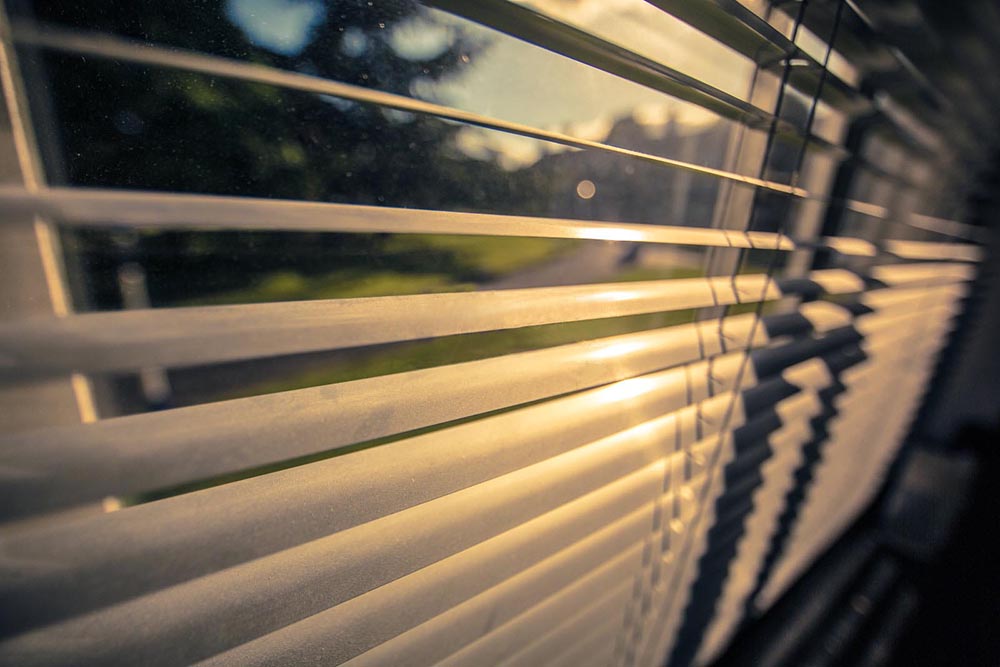
Real Heat Performance Test: Aluminum Blinds vs Other Common Window Coverings
We conducted a 7-hour continuous summer thermal test under identical window size, sunlight intensity, and indoor ventilation conditions, comparing metal window blinds, roller fabric shades, and wooden blinds. The test data below clearly shows the actual indoor temperature change of each window covering solution:
|
Window Covering Type |
Average Indoor Temperature Rise (7 h Sun Exposure) |
Surface Temperature of Coverings |
UV Blocking Rate |
Comprehensive Cooling Performance |
|
Aluminum Blinds |
4.2°F |
122°F |
91% |
Excellent |
|
Roller Fabric Shades |
6.8°F |
87°F |
82% |
Good |
|
Wooden Blinds |
5.5°F |
93°F |
85% |
Medium |
The side-by-side test results speak for themselves. Even though aluminum blinds feel far hotter to the touch, they deliver the best cooling effect and lowest indoor heat gain out of the three popular choices. Thanks to built-in reflective coatings, these slats work as high-performance reflective window coverings that bounce solar heat and UV rays outdoors before they can enter your home. The widely spread claim that aluminum blinds cause indoor heat buildup has no basis in real temperature testing.
The Only Scenario That Causes Minor Indoor Heat Retention
We need to be objective here: aluminum blinds will not trap heat actively, but improper usage can cause slight indoor heat retention that makes your room feel stuffy. This situation has nothing to do with the aluminum material itself, but relates to enclosed air layers between windows and blinds.
Heat cannot raise the overall room temperature obviously, but it may bring a subtle stuffy feeling near window areas. When you fully close aluminum blinds without any gaps and keep windows completely sealed, a stagnant air layer forms between glass and slats. Static air is a poor heat conductor, so it will lock residual heat inside the window gap slowly. This tiny amount of retained heat only creates mild stuffiness right next to the window, and will never push up the overall temperature of your entire room. Crucially, this minor heat retention issue happens with all fully closed window treatments, not just metal window blinds. It is a basic physical reaction of trapped air, not a material flaw of aluminum.
It is worth mentioning that all closed window coverings will produce the same air layer effect, not exclusive to aluminum blinds. This is a universal physical phenomenon instead of a material defect of aluminum products.
5 Practical Summer Usage Tips for Aluminum Blinds to Boost Heat Insulation
To help homeowners make full use of the summer window heat insulation performance of aluminum blinds and avoid minor stuffy window areas, we sorted out five easy-to-operate tips suitable for daily household use, no extra renovation or accessories required:
1. Tilt slats slightly open instead of full closure
During peak sunlight hours from 10 a.m. to 4 p.m., tilt aluminum blind slats to a 15–30 degree angle instead of closing them fully. Small gaps promote air circulation between the glass and blinds, eliminating stagnant air layers completely while still blocking direct harsh sunlight. This simple adjustment removes subtle window-side stuffiness without sacrificing shading effects.
2. Place the reflective side facing outdoors
Most new aluminum blinds have two different surface sides: one matte indoor side and one high-reflection outdoor side. Always confirm that the reflective side faces the window and outdoors during installation. Many users feel a worse cooling effect simply because of reversed installation, which greatly reduces the original heat reflection performance.
3. Lower blinds early before sunlight hits the windows
Lower aluminum blinds before sunlight directly strikes the window glass every morning, rather than pulling down blinds after rooms get hot in the afternoon. Pre-blocking solar radiation prevents indoor heat accumulation from the source, bringing much better cooling results than remedial shading operations.
4. Match with light window screens for double insulation
Matching aluminum blinds with fine mesh window screens creates dual heat-blocking layers. The screen blocks partial outdoor wind heat, while blinds reflect solar radiation, further cutting down indoor temperature rise in hot summer.
5. Clean blind slats every 1–2 months
Dust covering aluminum slats will cover the reflective coating and weaken heat reflection ability. Regular dust wiping keeps the surface coating intact and maintains the stable long-term heat insulation performance of aluminum blinds.
Frequently Asked Questions
Q1: Are aluminum blinds hotter than plastic blinds in summer?
A1: Aluminum blinds have hotter slat surfaces than plastic blinds due to higher thermal conductivity. However, plastic blinds absorb and store heat inside materials and release heat indoors slowly, leading to higher overall indoor temperature rise. Aluminum blinds reflect most heat outside instantly, so they deliver better actual cooling effects despite hotter touch temperature.
Q2: Should I choose aluminum blinds for west-facing windows with strong afternoon sun?
A2: Absolutely yes. West-facing windows suffer the strongest long-time afternoon solar radiation. With excellent UV blocking and heat reflection capacity, aluminum blinds are one of the best window covering choices for west-facing rooms. Just remember to tilt slats for tiny air gaps to avoid stagnant air near windows.
Q3: Do aluminum blinds increase home air conditioning costs in summer?
A3: No. Qualified aluminum blinds reduce indoor heat gain effectively, lowering the working load of air conditioners. According to our household test data, using standard aluminum blinds can cut summer air conditioning power consumption by nearly 12% compared with bare windows. The myth of higher AC costs comes from confusing surface heat with indoor ambient heat.
Q4: Are there any upgraded aluminum blinds with better cooling performance?
A4: Yes. We recommend double-coated aluminum blinds with enhanced thermal reflective layers for areas with extremely hot summer weather. These upgraded blinds have lower surface heat absorption and further optimize heat insulation performance, suitable for tropical and subtropical regions with persistent high temperatures.
After sorting out real test data and daily usage facts, it is clear that aluminum blinds never cause indoor heat accumulation or make rooms hotter in summer. The widespread myth only originates from misleading tactile feelings. With proper installation and simple daily adjustment methods, aluminum blinds can provide durable shading, excellent UV protection, and stable heat insulation throughout summer. Featuring affordable prices, easy maintenance, and a long service life, aluminum blinds remain a cost-effective and reliable window covering option for all residential and commercial spaces.
Post time: Jul-06-2026