Large windows are a standout feature in any home—they flood spaces with natural light, frame stunning outdoor views, and create an airy, open atmosphere. But when it comes to dressing them, many homeowners hit a wall. Generic window treatments either look undersized and disjointed, fail to provide adequate light control, or overwhelm the window’s grandeur. This is where Venetian Blinds for Large Windows shine. Unlike one-size-fits-all options, Venetian blinds offer the perfect blend of functionality, style, and adaptability—especially when customized to fit your large windows’ unique dimensions and design needs.
Why Custom Venetian Blinds Work Better for Large Windows Than Generic Ones
Large windows—whether floor-to-ceiling, picture windows, or expansive bay windows—present unique challenges that generic blinds simply can’t address. First, size matters: standard blinds (usually maxing out at 36 inches wide) will leave unsightly gaps or require multiple panels that break up the window’s visual flow. This not only looks unpolished but also compromises privacy and light control. Second, large windows are often exposed to more sunlight and temperature fluctuations, so the blinds need to be durable enough to withstand prolonged UV exposure without warping, fading, or sagging.
Custom Venetian blinds solve these issues by being tailored to your window’s exact measurements, ensuring a seamless fit that covers the entire glass surface. They also allow you to choose materials, slat sizes, and operating mechanisms that align with your space’s needs—whether you’re looking to block glare in a home office, enhance insulation in a living room, or add a touch of elegance to a bedroom. Unlike roller shades, which offer limited style flexibility, or curtain panels, which can look heavy and block views when closed, Venetian blinds let you strike a balance between form and function for large windows.
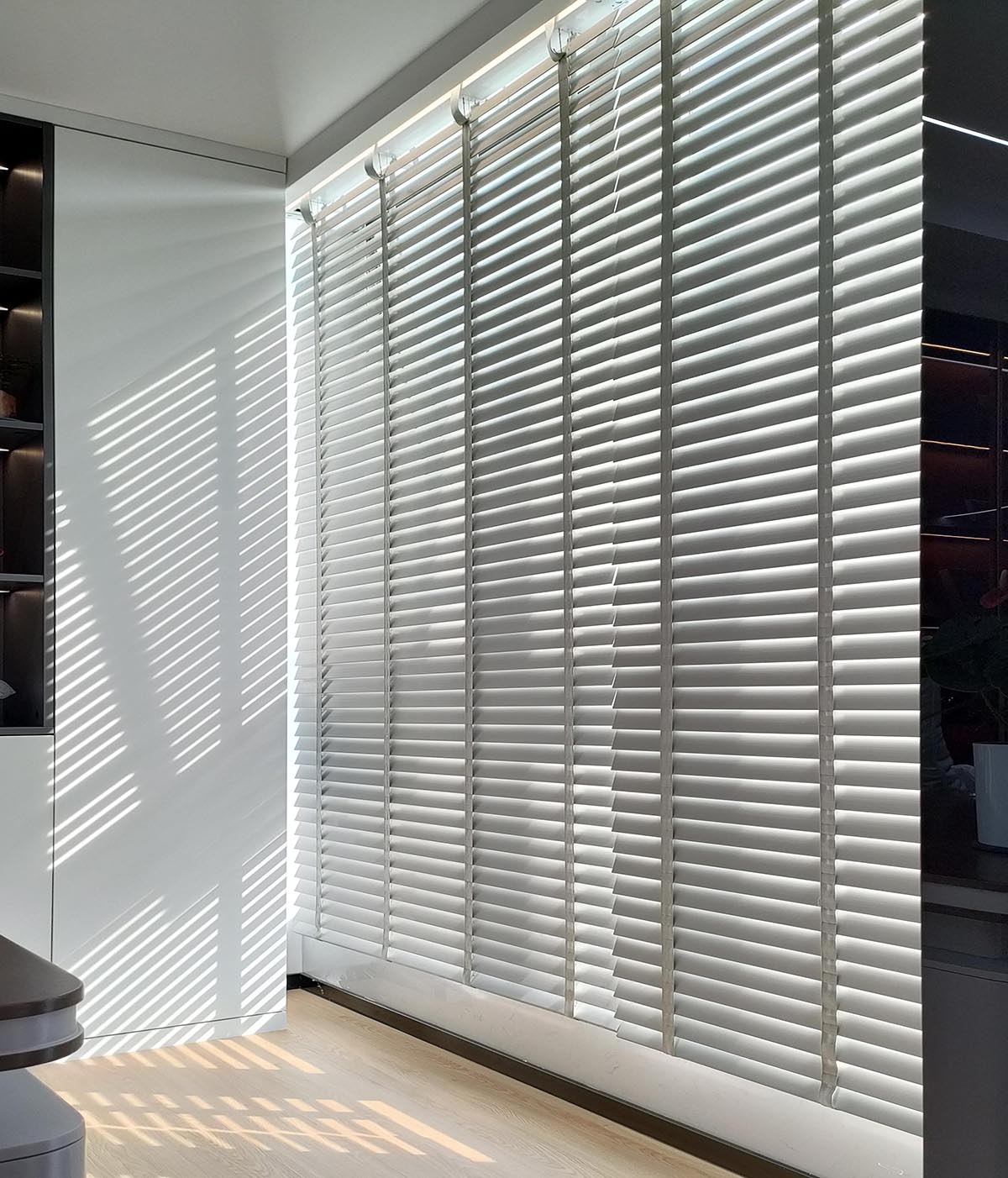
Design Tips to Get Venetian Blinds Right for Large Windows
Designing Venetian Blinds for Large Windows isn’t just about size—it’s about choosing elements that enhance the window’s beauty while addressing practical concerns. Here’s what to prioritize:
• Slat Size: Getting Proportion and Functionality in Sync
Slat size is one of the most impactful design choices for large windows, as it directly affects proportion, light control, and visual weight. Narrow slats (1 inch or less) can look busy and overwhelmed on expansive glass surfaces, while wider slats create a more cohesive, streamlined look that complements the window’s scale.
For most large windows, 2-inch to 2.5-inch slats are ideal. They provide ample coverage, are easy to tilt for precise light adjustment, and add a modern, polished touch. If your window is particularly tall (8 feet or more), 3-inch slats can help balance vertical proportions without looking bulky. Keep in mind: wider slats may be heavier, so you’ll need to pair them with a sturdy operating mechanism (more on that later).
• Picking the Right Material for Durability on Large Surfaces
The material of your Venetian blinds dictates their durability, performance, and style—even more so for large windows, where the blinds have more surface area exposed to wear and sunlight. Here are the top options for large windows:
- Aluminum: Lightweight, affordable, and resistant to fading and rust, aluminum Venetian blinds are a practical choice for large windows in high-traffic areas (like kitchens or playrooms) or rooms with direct sunlight. They’re easy to clean and come in a range of colors, from neutrals to bold hues, making them versatile for modern or minimalist spaces. The only downside is that they can feel somewhat industrial, so they may not be ideal for cozy, traditional rooms.
- Faux Wood: Faux wood blinds (made from PVC, composite, or foam) mimic the warmth and texture of real wood without the risk of warping, swelling, or cracking—critical for large windows exposed to humidity (like bathrooms or sunrooms) or temperature changes. They’re heavier than aluminum but still manageable for large sizes, and they pair beautifully with both traditional and transitional decor. Look for faux wood with a UV-protective coating to prevent discoloration over time.
- Real Wood: For a luxurious, timeless look, real wood Venetian blinds are unmatched. They add warmth and character to large windows in living rooms, bedrooms, or dining rooms. However, real wood is susceptible to warping from moisture and sunlight, so it’s best suited for large windows in low-humidity, shaded areas. Opt for hardwoods like oak or maple for added durability, and treat them with a protective finish to extend their lifespan.
• Color and Finish: Elevating Your Space Without Overpowering It
The color of your Venetian blinds can make or break the look of your large windows. For a cohesive, expansive feel, match the blind color to your window trim or wall color—this helps the blinds blend in rather than stand out, drawing attention to the view outside. Neutral tones (white, beige, gray, or light wood) are safe bets for most spaces, as they reflect light and complement any decor style.
If you want the blinds to be a statement piece, opt for darker hues (black, espresso, or navy) to contrast with light walls and create depth. Just keep in mind that dark colors absorb more sunlight, which can cause fading over time—so pair them with UV-protective slats. For a subtle touch of texture, choose blinds with a matte or satin finish instead of high-gloss, which can reflect glare and look cheap on large surfaces.
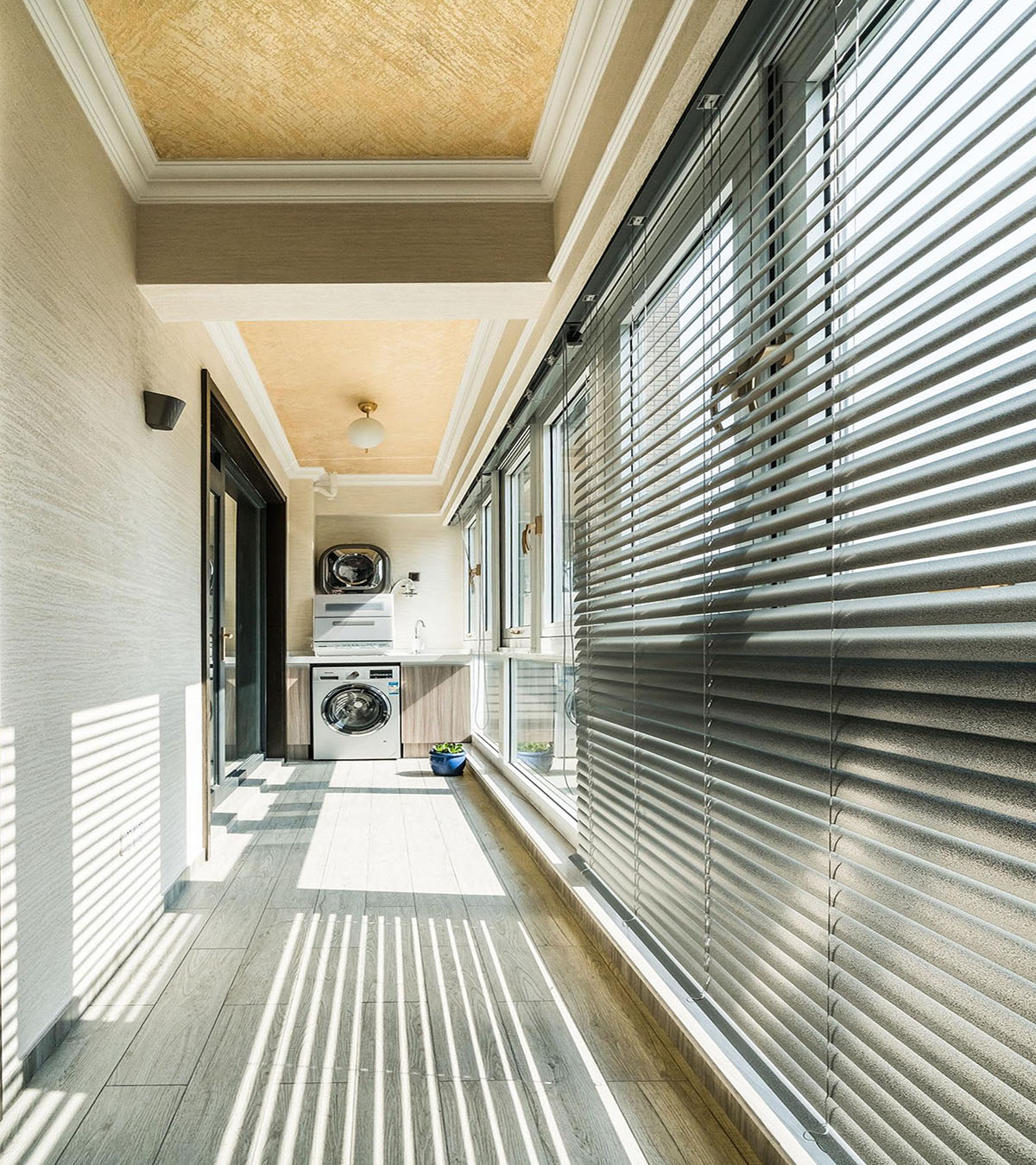
Customization Fixes for Common Large Window Blind Issues
The biggest advantage of custom Venetian Blinds for Large Windows is the ability to tailor them to your specific pain points—whether that’s hard-to-reach controls, uneven light distribution, or compatibility with your decor. Here are the most valuable customization options:
• Motorization: Easy Control for Hard-to-Reach Large Windows
Large windows—especially floor-to-ceiling or second-story ones—can be a hassle to adjust with manual cords or wands. Motorized Venetian blinds eliminate this struggle by allowing you to control the blinds with a remote, smartphone app, or voice command (compatible with smart home systems like Alexa or Google Home).
Motorization isn’t just convenient—it’s also safer (no cords for kids or pets to get tangled in) and precise. You can program the blinds to open or close at specific times of day (e.g., closing during peak sunlight to protect furniture) or adjust multiple blinds at once for a uniform look. For very large blinds, motorization ensures smooth operation without straining the slats or mechanism.
• Split-Stack Blinds: Partial Light Without Sacrificing Privacy
Traditional Venetian blinds raise from the bottom up, which means if you want to let in light while maintaining privacy (e.g., in a living room facing the street), you’re out of luck. Split-stack customization solves this by allowing the blinds to raise from both the bottom up and the top down, meeting in the middle. This lets you enjoy natural light from the top while keeping the lower portion closed for privacy.
Split-stack is particularly useful for large picture windows or bay windows, where you may want to frame the view without exposing the entire room. It’s also a great option for home offices or bedrooms, where balanced light control is key.
• Reinforced Headrails: Keeping Heavy Blinds Stable
Large Venetian blinds—especially those made from wood or faux wood—can be heavy, which puts strain on the headrail (the top bar that holds the blinds). A flimsy headrail can cause the blinds to sag, warp, or operate unevenly over time. Custom reinforced headrails are designed with thicker metal or wood to support the weight of large blinds, ensuring stability and longevity.
When customizing, ask for headrails with heavy-duty brackets that mount securely to the wall or ceiling. Ceiling mounting is a great option for large windows with no trim or limited wall space, as it creates a clean, floating look while distributing weight evenly.
Mistakes to Skip When Customizing Venetian Blinds for Large Windows
Even with customization, it’s easy to make missteps that compromise the look or functionality of your Venetian blinds. Here are four pitfalls to steer clear of:
• Underestimating Measurements: For large windows, even a 1-inch measurement error can lead to ill-fitting blinds with gaps or overlaps. Always measure the window’s width and height at three different points (top, middle, bottom for width; left, center, right for height) and use the largest measurement to ensure full coverage. If your window is uneven (common in older homes), work with a professional to take precise measurements.
• Choosing the Wrong Operating Mechanism: Manual wands work for small to medium blinds, but they’re cumbersome for large ones. Avoid corded blinds altogether—they’re unsafe and can be hard to pull for heavy blinds. Stick to motorization or cordless lift mechanisms (spring-loaded) for large windows.
• Ignoring Insulation Needs: Large windows are a major source of heat loss in winter and heat gain in summer. If energy efficiency is a priority, choose Venetian blinds with insulated slats or pair them with sheer curtains for an extra layer of insulation. Faux wood and real wood blinds naturally offer better insulation than aluminum, so keep this in mind when selecting materials.
• Overlooking Maintenance Requirements: Large Venetian blinds have more surface area to clean, so choose materials that fit your lifestyle. Aluminum and faux wood are easy to wipe down with a damp cloth, while real wood requires gentle cleaning with a wood-specific cleaner. Avoid high-maintenance materials if you have a busy household or large windows that are hard to reach.
Common Questions About Venetian Blinds for Large Windows
Q: How much does it cost to customize Venetian Blinds for Large Windows?
A: The cost varies based on material, size, and customization options. Aluminum blinds start at around $30–$50 per square foot, while faux wood ranges from $50–$80 per square foot, and real wood from $80–$150 per square foot. Motorization adds $100–$300 per blind, and split-stack or reinforced headrails may add 10–20% to the total cost. While custom blinds are more expensive than generic options, they’re a worthwhile investment for large windows, as they last longer and perform better.
Q: Can Venetian blinds be customized for irregularly shaped large windows (e.g., arched or triangular)?
A: Yes! Many manufacturers offer custom Venetian blinds for irregularly shaped large windows. For arched windows, the blinds can be tailored to follow the arch’s curve, with a motorized mechanism to adjust smoothly. For triangular or trapezoidal windows, the headrail and slats are cut to fit the exact angles. Keep in mind that irregular shapes may increase the cost and lead time, so work with a retailer who specializes in custom window treatments.
Q: Will large Venetian blinds block all sunlight when closed?
A: Most Venetian blinds block 90–95% of sunlight when fully closed, but some light may seep through the gaps between slats. For complete blackout (ideal for bedrooms or home theaters), look for custom blinds with overlapping slats or add a blackout liner. You can also pair Venetian blinds with blackout curtains for maximum light blockage while retaining the blinds’ adjustability.
Q: How long do custom Venetian Blinds for Large Windows last?
A: With proper care, custom Venetian blinds can last 7–15 years. Aluminum blinds tend to have the longest lifespan (10–15 years) due to their durability, while faux wood lasts 8–12 years, and real wood 7–10 years (depending on exposure to sunlight and humidity). Regular cleaning and avoiding excessive force when adjusting the blinds will extend their lifespan.
Q: Should I install large Venetian blinds myself or hire a professional?
A: For most large windows, professional installation is recommended. Custom blinds for large windows are heavy and require precise mounting to ensure stability. A professional installer will have the tools and expertise to mount the headrail securely, calibrate motorized mechanisms, and ensure the blinds operate smoothly. DIY installation is possible for smaller large windows (under 6 feet wide), but it’s risky—one mistake can damage the blinds or window frame.
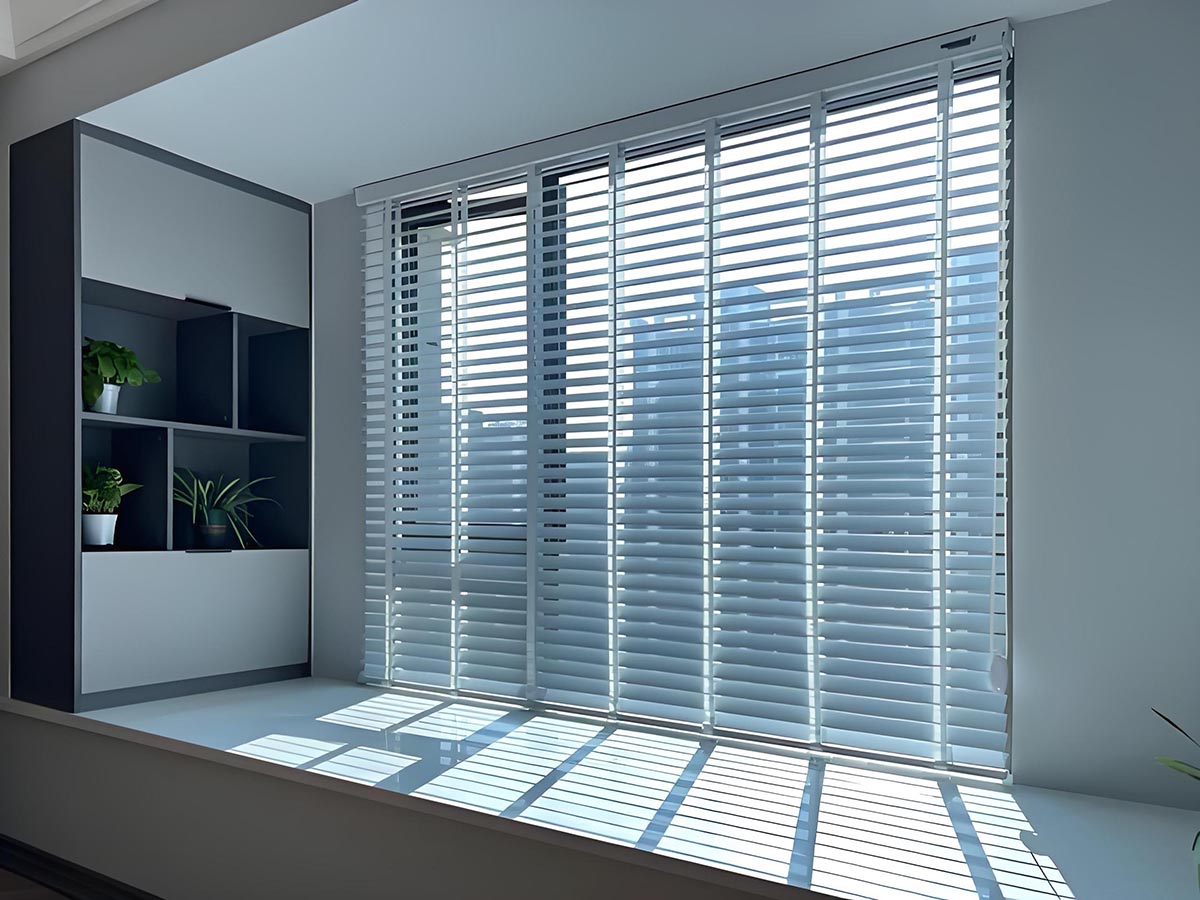
Custom Venetian blinds are the perfect solution for styling large windows, as they combine functionality, style, and adaptability to solve the unique challenges of expansive glass surfaces. By focusing on proportionate slat sizes, durable materials, and tailored customization options (like motorization and split-stack), you can create blinds that enhance your window’s beauty while meeting your practical needs. Remember to avoid common mistakes like inaccurate measurements or choosing the wrong operating mechanism, and don’t hesitate to work with a professional for measurements and installation—this ensures your blinds look and perform their best for years to come. Whether you’re dressing a floor-to-ceiling picture window or an expansive bay window, custom Venetian blinds turn a design challenge into a standout feature of your home.
Post time: Feb-03-2026