When it comes to picking Venetian blinds for your home, the choice between cordless and corded often feels like a toss-up. On the one hand, corded blinds have been around forever—they’re familiar, affordable, and get the job done. On the other hand, cordless Venetian blinds are hailed as the safer, sleeker option, especially for families with kids or pets. I’ve been in this exact dilemma: when renovating my living room and nursery, I spent weeks weighing the pros and cons, worried about choosing something that sacrificed safety for convenience (or vice versa).
The truth is, there’s no one-size-fits-all answer—but understanding how these two styles stack up in terms of safety and convenience will help you make the right call for your space.
Why Safety & Convenience Matter Most for Venetian Blinds
Venetian blinds aren’t just a decor choice—they’re a daily-use item. You’ll adjust them multiple times a day (to block glare, let in light, or add privacy), so convenience directly impacts how much you’ll love them. Safety, meanwhile, is non-negotiable—especially in homes with little ones or furry friends. The Consumer Product Safety Commission (CPSC) estimates that corded window treatments cause dozens of accidental strangulations in kids under 6 each year, which is why cordless options have grown so popular.
But cordless isn’t perfect, and corded isn’t all bad. It depends on your space: a corded blind might work great in a high-up kitchen window you rarely adjust, while a cordless one is a must for a nursery or playroom. Let’s dive into the details.
Safety Showdown: Cordless vs Corded Venetian Blinds
Safety is where the biggest gap between these two styles lies. Let’s break down the risks and protections of each, so you can make an informed choice.
• Corded Venetian Blinds: The Hidden Risks
Corded Venetian blinds have one major downside: the dangling cords. Even if you tuck them up, kids and pets can easily pull them down, wrap them around their necks, and get stuck. I learned this the hard way when my neighbor’s cat got tangled in her corded blinds—thankfully, she was home to free it, but it was a wake-up call.
Manufacturers do offer cord cleats (small hooks to wrap cords around) to mitigate risks, but they’re only effective if you remember to use them every time. In busy households, it’s easy to forget—and that’s when accidents happen. Corded blinds also pose a tripping hazard, especially in high-traffic areas like hallways or near stairs.
That said, corded blinds aren’t inherently dangerous in every space. If you’re installing them in a room with no kids or pets (like a guest bedroom or home office), and the cords are out of reach (above eye level), the risk is minimal. They’re also a better choice if you need heavy-duty blinds—corded mechanisms can handle thicker slats (like those in wooden Venetian blinds) more reliably than some cordless options.
• Cordless Venetian Blinds: The Safer Alternative
Cordless Venetian blinds eliminate the strangulation risk entirely by ditching the dangling cords. Instead, they use a spring-loaded mechanism or a wand to adjust the slats and lift/lower the blinds. This makes them the gold standard for nurseries, bedrooms, and playrooms—no more worrying about little hands or paws getting tangled.
I installed cordless blinds in my son’s nursery, and it’s been a game-changer. No cords to tuck, no constant stress, and they’re still easy for me to adjust. Most cordless blinds also have a locking mechanism that keeps them in place once lifted, so they won’t suddenly drop—another safety win.
The only minor safety note with cordless blinds? Some spring-loaded models can be stiff for small kids to operate, but that’s a plus if you don’t want them adjusting the blinds on their own. Just make sure to test the mechanism before buying—you want something smooth, not too tight.
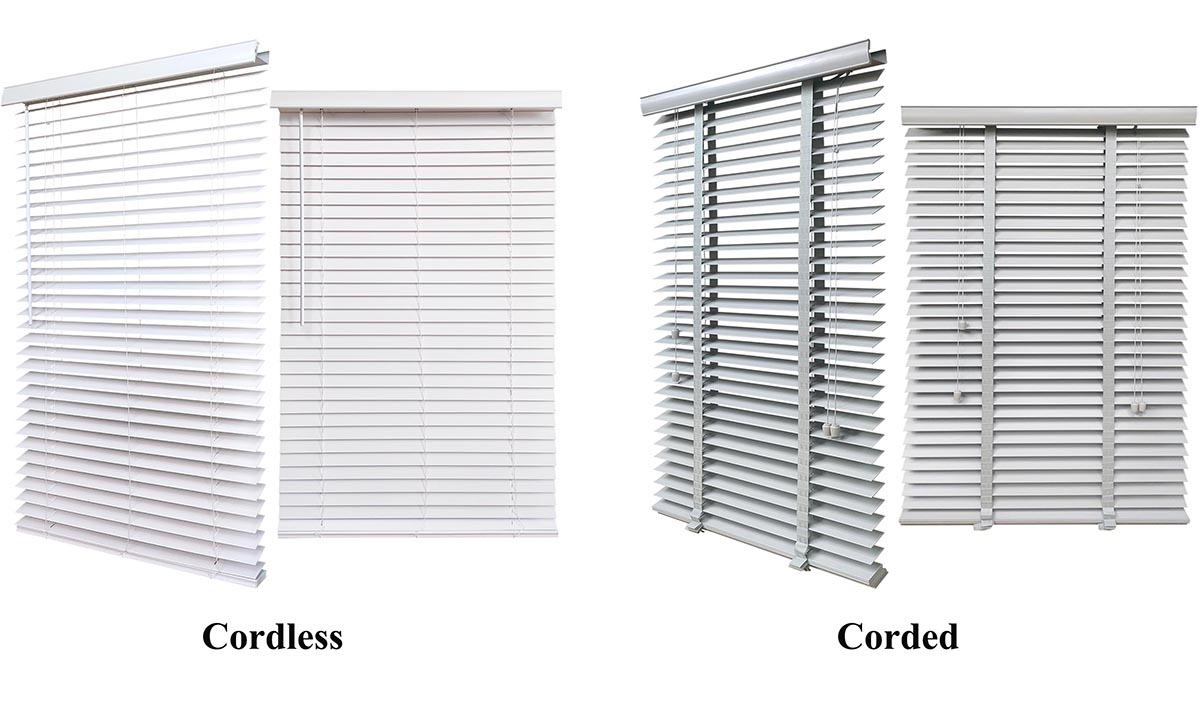
Convenience Comparison—Which Is Easier to Use?
Safety is crucial, but if a blind is a hassle to use, you’ll end up hating it. Let’s compare how cordless and corded blinds perform in daily life.
• Corded Venetian Blinds: Familiarity & Affordability
Corded blinds are simple—pull the cord to lift, release to lower, and twist the wand to tilt the slats. Most people have used them before, so there’s no learning curve. They’re also cheaper than cordless options (usually $10–$20 less per blind), which adds up if you’re outfitting your whole house.
But convenience has its limits. Cords can get tangled, especially if you have multiple blinds side by side. They also collect dust and can fray over time—my old corded blinds had frayed cords after two years, making them hard to lift smoothly. And if you have high windows, reaching the cords can be a hassle—you’ll need a step stool every time you want to adjust them.
• Cordless Venetian Blinds: Sleek & Low-Maintenance
Cordless blinds are all about ease. To lift them, you just push up on the bottom rail; to lower, pull down gently. Tilt the slats with a small wand (or no wand at all, for some models). No tangles, no fraying, no dust-collecting cords—they’re a breeze to keep clean.
I love how sleek they look, too—no dangling cords cluttering up the window. They’re also great for high windows, since you don’t need to reach a cord—just grab the bottom rail (or use a pole for extra-high spots). The spring-loaded mechanism is durable, too; my cordless blinds have held up for three years with daily use, no issues.
The only downside? They’re more expensive upfront, and the spring mechanism can wear out over time (though most come with a 1–5 year warranty). If this happens, don’t panic—most spring mechanisms are replaceable, and many brands sell affordable replacement parts. I had a spring break on one of my blinds after two years, and the brand sent a replacement mechanism that was easy to install with just a screwdriver. For heavy blinds (like wooden or large aluminum Venetian blinds), standard cordless mechanisms might struggle—opt for heavy-duty cordless models labeled for thicker slats, or upgrade to motorized cordless blinds if budget allows.
Cordless vs Corded Venetian Blinds: Quick Comparison Table
To make it even easier, here’s a side-by-side breakdown of the key features, safety, and convenience of each style:
|
Feature |
Corded Venetian Blinds |
Cordless Venetian Blinds |
|
Safety (Kids/Pets) |
High risk of strangulation; use cord cleats to reduce risk |
No strangulation risk; safest for families |
|
Ease of Use |
Simple, familiar operation; cords may tangle |
Smooth lift/lower; no tangles; easy to clean |
|
Price |
More affordable ($20–$50 on average) |
More expensive ($30–$70 on average) |
|
Durability |
Cords fray over time; mechanism is reliable for heavy blinds |
Spring mechanism durable; no cord wear; some struggle with heavy slats |
|
Aesthetics |
Dangling cords can look cluttered |
Sleek, clean look; blends with any decor |
|
Best For |
Adult-only spaces, high windows (rarely adjusted), tight budgets |
Nurseries, playrooms, living rooms, spaces with kids/pets |
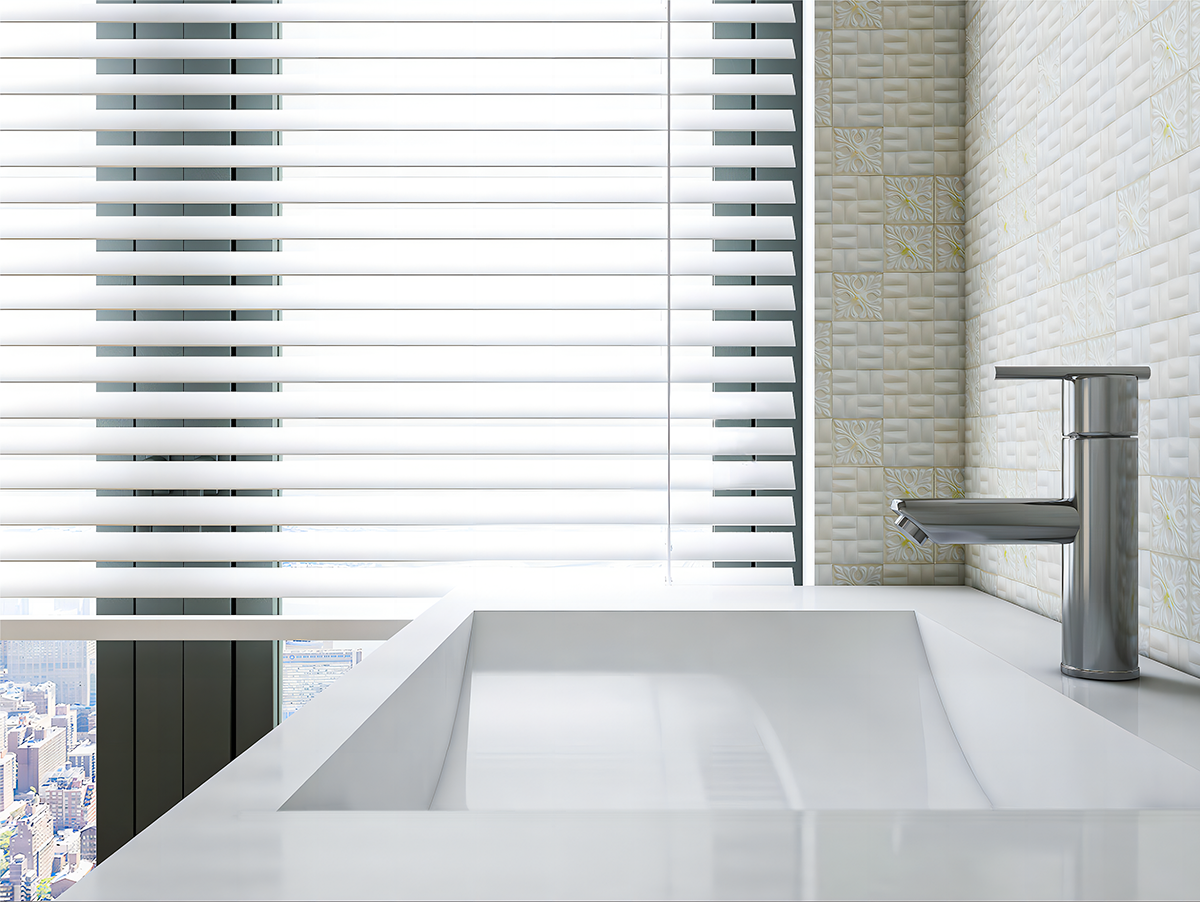
Motorized & Aluminum Venetian Blinds
If you’re still on the fence, there are hybrid options that combine the best of cordless and corded blinds. Here’s what you need to know:
Motorized blinds are the ultimate in convenience—control them with a remote, app, or voice assistant (like Alexa or Google Home). They’re cordless, so they’re safe for kids and pets, and perfect for high windows or hard-to-reach spots. I installed them in my living room, and being able to adjust the blinds without getting up is a luxury.
The downside? They’re expensive (starting at $100 per blind) and require batteries or a power source. But if you value convenience and safety above all, they’re worth the splurge. It’s also worth noting that while corded blinds still meet 2024 safety standards—with stricter rules like shorter or breakaway cords—the CPSC still recommends cordless options for homes with kids or pets. If you do go corded, always choose ones certified by the Window Covering Safety Council (WCSC) for added peace of mind.
Aluminum blinds are lightweight, which makes them ideal for cordless mechanisms—they’re easy to lift and don’t strain the spring. They’re also water-resistant, so they work great in bathrooms and kitchens. I have aluminum cordless blinds in my kitchen, and they’re easy to wipe clean and hold up to humidity.
For corded aluminum blinds, the lightweight slats mean cords last longer (no heavy strain), so they’re a durable budget option.
Practical Tips to Choose the Right Blinds for Your Home
Now that you know the differences, here’s how to pick the right style for each room:
- Nurseries/Playrooms: Go cordless—safety is non-negotiable. Opt for a wand-tilt model (no internal cords) for extra peace of mind.
- Living Rooms/Bedrooms: Cordless is best if you have kids/pets; corded works if it’s adult-only. Motorized blinds are a great splurge for living rooms.
- Kitchen/Bathrooms: Aluminum cordless blinds—they’re water-resistant, easy to clean, and safe if you have little ones running around.
- High Windows (Rarely Adjusted): Corded is fine—you won’t use the cords often, and it’s cheaper. Just install cord cleats high up.
- Tight Budgets: Mix and match—cordless in high-traffic/family areas, corded in guest rooms or storage spaces. If you already have corded blinds and want to upgrade safely without replacing them entirely, conversion kits (usually $15–$30) are a great fix. These kits replace the corded mechanism with a cordless spring, and I installed one in my guest room in just 30 minutes—way cheaper than buying new blinds. Just double-check that the kit fits your blind size and material.
At the end of the day, the choice between cordless and corded Venetian blinds comes down to your lifestyle. For families with kids or pets, cordless is a no-brainer—even the extra cost is worth the priceless peace of mind. For adult-only homes, it’s a balance of budget and esthetics: if you hate cluttered cords, cordless’s sleek look justifies the expense; if you’re watching your wallet, corded blinds are a reliable, affordable option. And if you want the best of both worlds—safety, convenience, and luxury—motorized cordless blinds are a splurge that pays off daily.
I went with cordless blinds in most of my house, and I’ve never looked back. No more tangled cords, no more safety worries, and they look so much cleaner. Whatever you choose, make sure it fits how you live—after all, the best blinds are the ones you’ll use and love every day.
Post time: Feb-25-2026