There’s nothing more frustrating than being jolted awake at dawn by sunlight streaming through your windows, or feeling like passersby can peer into your home every time you turn on a light at night. If you’ve struggled with poor light management or shaky privacy, you’re not alone—and the solution might be simpler than you think: Blackout Venetian blinds. Unlike flimsy curtains or basic blinds, these window treatments blend the classic adjustability of Venetian styles with the total light-blocking power of blackout fabrics, solving two of the most common home comfort issues in one sleek design.
But with so many options on the market—from aluminum Venetian blinds to wooden Venetian blinds, and varying blackout liners—it’s easy to feel overwhelmed. Do blackout Venetian blinds really block 100% of light? Will they work in a bedroom, living room, or home office? And how do you choose the right one for your space without overspending? In this guide, we’ll answer all these questions and more, breaking down everything you need to know to leverage Blackout Venetian blinds for better sleep, privacy, and daily comfort.
What Are Blackout Venetian Blinds, Exactly?
Let’s start with the basics. Traditional Venetian blinds feature horizontal slats (usually made of aluminum, wood, faux wood, or vinyl) that tilt open and closed, allowing you to adjust light levels and visibility. Blackout Venetian blinds take this design a step further by adding a blackout liner—either attached to the back of the slats or as a separate layer—that blocks nearly all incoming light. This combination means you get the best of both worlds: the versatility to let in soft, filtered light when you want it, and complete darkness when you don’t.
It’s important to distinguish them from regular Venetian blinds, which offer minimal light blocking (even when fully closed, gaps between slats let in stray light) and limited privacy. Blackout versions eliminate those gaps (either with overlapping slats or a tight-fitting liner) and use opaque materials to prevent light penetration. They’re also different from blackout curtains, which are bulky and lack the precise adjustability of slatted blinds.
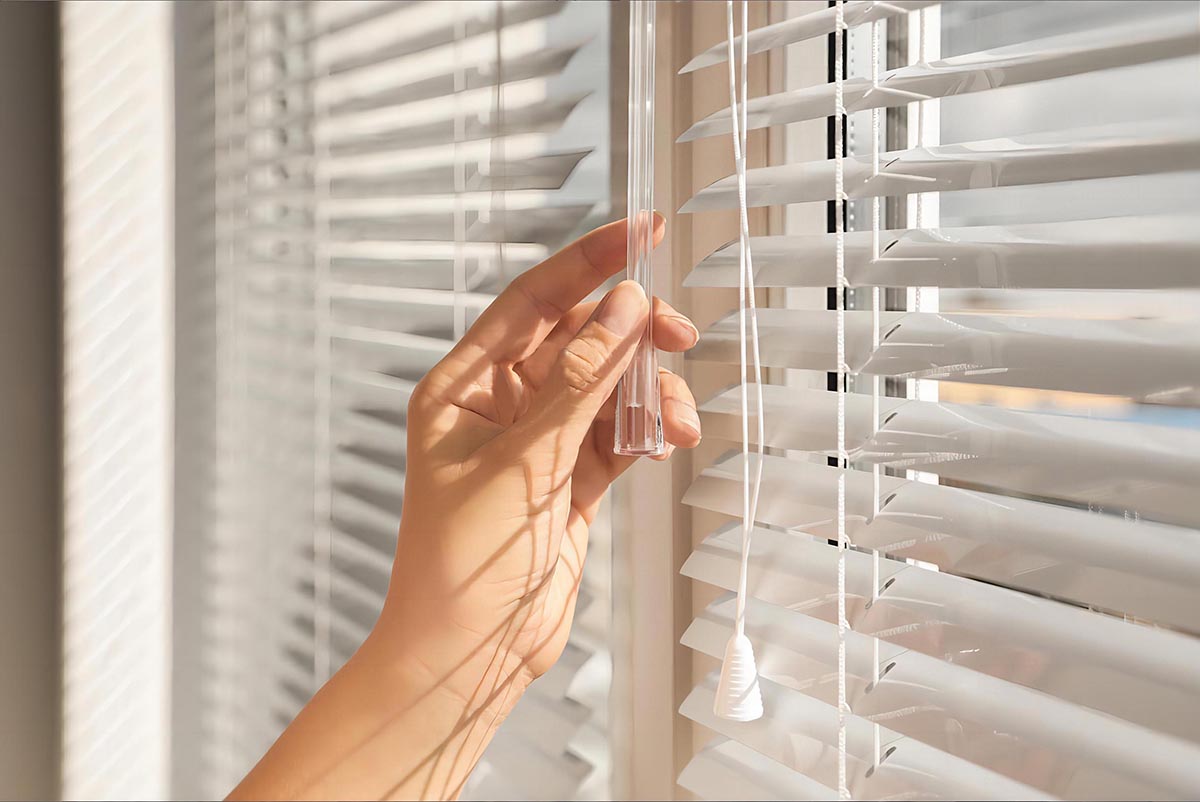
Light Control & Privacy
The primary reason homeowners invest in Blackout Venetian blinds is to take control of their environment. Let’s break down the key advantages, with answers to common user questions.
1. Light Blocking: How Effective Are They?
Q: Do blackout Venetian blinds really block 100% of light?
A: Most high-quality options block 99-100% of light, but this depends on the material and installation. Cheaper blinds may have thin liners or poorly fitting slats, allowing small amounts of light to seep through. For true blackout, look for blinds with a thick, opaque liner (often made of polyester or cotton) and ensure they’re custom-sized to your window—gaps around the edges are a common source of light leakage.
This level of light control is a game-changer for several spaces:
• Bedrooms: Shift workers, light sleepers, and parents of young children will appreciate the ability to create a dark, cave-like environment at any time of day. Even during the summer months, when dawn breaks early, blackout blinds keep your bedroom cool and dark, promoting deeper sleep.
• Home Theaters/Media Rooms: Glare on screens ruins the viewing experience. Blackout Venetian blinds eliminate ambient light, making your movie nights feel like a trip to the theater—without the cost of a dedicated projector screen setup.
• Nurseries: Babies and toddlers need consistent sleep schedules, regardless of the time of day. Blackout blinds help regulate their circadian rhythms by blocking morning light and creating a calm, sleep-friendly space.
2. Privacy Protection: Keep Prying Eyes Out
Q: Are Blackout Venetian blinds better for privacy than regular blinds?
A: Absolutely. Regular Venetian blinds, even when closed, can leave small gaps between slats that allow people outside to see in—especially at night when indoor lights are on. Blackout versions solve this by using thicker slats or a liner that covers those gaps, creating a fully opaque barrier when closed.
The adjustability of the slats adds another layer of privacy control. During the day, you can tilt the slats slightly to let in natural light while keeping your space hidden from street-level view. At night, simply close the blinds fully for complete seclusion. This is ideal for ground-floor rooms, homes near busy streets, or apartments with close neighbors.
For extra privacy, consider faux wood Venetian blinds with a blackout liner. Faux wood is thicker than aluminum, further reducing visibility, and it’s resistant to warping from moisture—perfect for bathrooms or kitchens, where privacy and durability are both priorities.
3. Bonus Benefits: Energy Efficiency & Durability
While light control and privacy are the main draws, Blackout Venetian blinds offer additional perks that make them a smart long-term investment. The thick liner acts as an insulator, trapping heat in during winter and blocking solar heat gain in summer. This can lower your energy bills by reducing the need for heating and air conditioning.
They’re also durable and low-maintenance. Unlike curtains, which need frequent washing, blackout blinds can be wiped clean with a damp cloth or duster. Aluminum Venetian blinds are lightweight and resistant to scratches, while wooden and faux wood options add a touch of warmth to your decor without sacrificing functionality.
Common Mistakes to Avoid When Choosing Blackout Venetian Blinds
Even the best blackout blinds won’t perform well if you make these common errors. Let’s address the most frequent pitfalls and how to steer clear of them.
Mistake 1: Buying “One-Size-Fits-All“ Blinds
Standard-sized blinds rarely fit windows perfectly, leaving gaps along the top, bottom, or sides. These gaps are the biggest culprit for light leakage and reduced privacy. Always measure your window carefully (or hire a professional) and opt for custom-sized Blackout Venetian blinds. For maximum coverage, choose blinds that extend 2-3 inches beyond the window frame on all sides.
Mistake 2: Ignoring Slat Material
The material of the slats affects not just durability, but also light blocking and privacy. Here’s a quick breakdown to help you choose:
• Aluminum: Affordable, lightweight, and easy to clean. Ideal for bedrooms, kitchens, or rental properties. Look for 2-inch slats (wider than 1-inch slats) for better light blocking.
• Wood: Adds a luxurious, natural look to living rooms, bedrooms, or dining rooms. Thicker wood slats block more light than aluminum, but they’re susceptible to warping in humid areas (avoid in bathrooms).
• Faux Wood: A budget-friendly alternative to real wood, resistant to moisture and warping. Perfect for bathrooms, kitchens, or high-humidity spaces. Most faux wood blackout blinds offer the same light-blocking power as real wood.
• Vinyl: Durable and water-resistant, but thinner than other materials. Best for utility rooms or spaces where esthetics are less important.
Mistake 3: Overlooking Installation Quality
Even custom-sized blinds will underperform if installed poorly. Loose brackets, uneven hanging, or gaps between the blind and window frame can all compromise light blocking and privacy. If you’re not confident in your DIY skills, hire a professional installer. They’ll ensure the blinds fit tightly, hang straight, and operate smoothly.
Mistake 4: Confusing “Blackout“ with “Room-Darkening“
Not all “darkening” blinds are true blackout blinds. Room-darkening Venetian blinds block 80-90% of light—great for living rooms or home offices where you want to reduce glare but still let in some natural light. But if you need complete darkness (for bedrooms or media rooms), always look for the “blackout” label. Check the product specifications for light-blocking percentage to be sure.
How to Maintain Blackout Venetian blinds for Long-Lasting Performance
With proper care, Blackout Venetian blinds can last 5-10 years. Here are some simple tips to keep them in top shape:
1. Regular Cleaning: Dust slats weekly with a microfiber cloth or duster to prevent buildup. For deeper cleaning, wipe slats with a damp cloth and mild soap (avoid harsh chemicals that can damage the blackout liner). For aluminum blinds, you can even remove them and soak in a tub of warm, soapy water (let dry completely before reinstalling).
2. Avoid Over-Tilting Slats: Tugging or forcing slats to tilt beyond their range can damage the mechanism. Operate the tilt rod gently to prevent wear and tear.
3. Protect from Moisture: Wooden blinds should be kept away from humid areas or direct water exposure. If you have faux wood or aluminum blinds in the bathroom, open a window or run a fan to reduce moisture buildup.
4. Check for Wear: Periodically inspect the blackout liner for tears or fraying. If the liner is damaged, most blinds can be re-lined (a cheaper alternative to replacing the entire blind).
Blackout Venetian Blinds vs. Other Window Treatments: Which Is Best?
If you’re debating between Blackout Venetian blinds and other options (like blackout curtains, roller blinds, or shutters), here’s how they stack up:
• Blackout Curtains: Bulkier than blinds, harder to clean, and lack adjustability. They may block more light if floor-to-ceiling, but they’re less versatile for day-to-day use.
• Roller Blinds (Blackout): Sleek and affordable, but you can’t adjust light levels—they’re either fully open or closed. Venetian blinds offer more control.
• Plantation Shutters: Durable and stylish, but expensive and heavy. They offer good privacy but not full blackout (gaps between louvers remain).
• Vertical Venetian Blinds: Better for large windows or sliding doors, but horizontal slats (traditional Venetian) offer superior light control and privacy for standard windows.
For most homes, Blackout Venetian blinds strike the perfect balance of functionality, style, and affordability—and to ensure you pick the right set for your space, here’s a quick checklist to guide your decision.
Final Tips for Choosing the Right Blackout Venetian Blinds
• Assess Your Needs: Do you need full blackout (bedroom/media room) or just light reduction (living room/office)? Prioritize accordingly.
• Measure Accurately: Custom size is non-negotiable for maximum light blocking and privacy.
• Choose the Right Material: Match slat material to your room’s humidity level and style (aluminum for budget, wood/faux wood for warmth).
• Test for Light Leakage: If possible, ask for a sample or check reviews to ensure the blinds don’t have excessive gaps.
• Consider Operation: Corded, cordless, or motorized? Cordless is safer for homes with kids/pets, while motorized offers convenience for hard-to-reach windows.
Blackout Venetian blinds are more than just a window treatment—they’re a solution to common home comfort struggles. Whether you’re tired of sleepless mornings, concerned about privacy, or want to upgrade your media room, these blinds offer unbeatable light control, privacy, and versatility. By avoiding common mistakes, choosing the right material, and investing in custom sizing, you’ll get a product that enhances your space for years to come. The best blackout Venetian blinds are the ones that fit your window, your style, and your lifestyle, so take the time to research, measure, and choose wisely—and you’ll wonder how you ever lived without them.
Post time: Feb-27-2026