Choosing the right window treatments is a decision that balances practicality, style, and budget—and when it comes to Venetian blinds, the biggest dilemma many homeowners and designers face is deciding between automatic and manual options. Automatic Venetian blinds have grown in popularity in recent years, thanks to their convenience and smart features, but manual Venetian blinds remain a reliable, budget-friendly choice for many spaces. The problem? Most people don’t have a clear understanding of the pros and cons of each, leading them to make a choice that doesn’t fit their lifestyle, space, or needs.
Some homeowners assume automatic blinds are “too fancy” or “too expensive,” while others write off manual blinds as “outdated” or “inconvenient.” The truth is, both have their place—what works for a busy family with young kids and tall windows might not work for a budget-conscious renter or a minimalist who prefers simple, hands-on control. This blog breaks down the key differences between automatic Venetian blinds and manual Venetian blinds, highlighting their respective advantages and drawbacks, sharing real-world examples to illustrate how each performs in real homes, and offering practical advice to help you make the right choice. We’ll also include a handy comparison table for quick reference and address common questions to clear up any confusion—no jargon, just straightforward, actionable information.
Whether you’re furnishing a new home, renovating a room, or simply upgrading your window treatments, understanding the pros and cons of automatic vs manual Venetian blinds is key to avoiding buyer’s remorse. By the end of this piece, you’ll know exactly which type of blind aligns with your budget, lifestyle, and space, ensuring you invest in a window treatment that works for you—not against you.
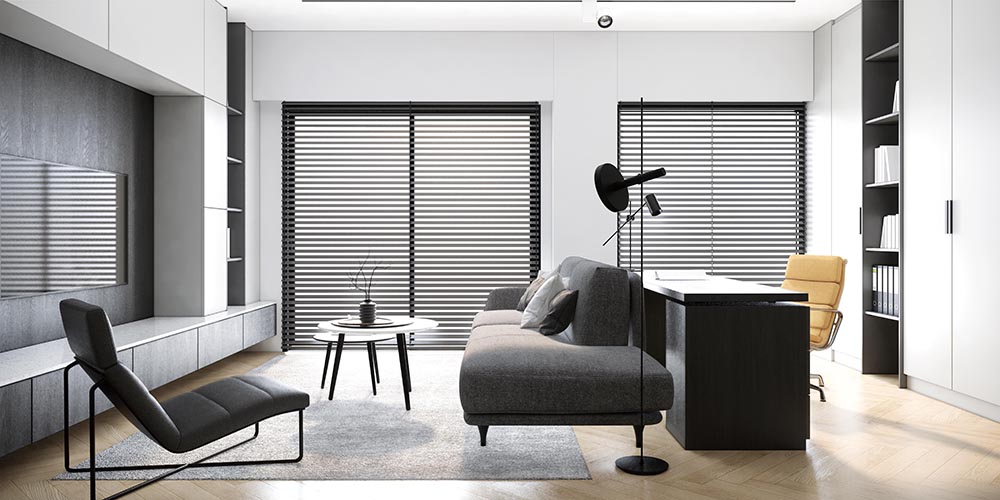
What Are Automatic and Manual Venetian Blinds?
Before diving into the pros and cons, it’s important to clarify what each type of blind is, as some people confuse “automatic” with “smart” or “motorized” (they’re often used interchangeably, but automatic blinds specifically refer to those that operate without manual effort, whether via a motor, remote, or smart system).
Automatic Venetian Blinds (the main focus of this blog) are window treatments with horizontal slats (typically made of wood, aluminum, or faux wood) that operate using an electric motor. They can be controlled via a remote, smartphone app, voice command, or pre-programmed schedule—no pulling cords, twisting wands, or climbing ladders required. They’re designed for convenience, accessibility, and modern functionality.
Manual Venetian blinds, by contrast, rely on physical effort to adjust. They typically feature a cord (for raising and lowering) and a wand (for tilting the slats), though cordless manual options are also available. They’re simpler in design, require no electricity or batteries, and are often more affordable upfront.
Auxiliary keyword: Cordless Venetian blinds are a popular subset of manual blinds, eliminating the need for cords and adding a safer, sleeker look—ideal for homes with kids or pets. While they’re manual (requiring you to push or pull the blind to adjust), they offer a middle ground between traditional corded manual blinds and fully automatic options.
A detailed comparison between automatic blinds and manual blinds
To make it easy to compare the two, we’ve put together a table highlighting their key features, advantages, and drawbacks. This table focuses on the factors that matter most to homeowners: convenience, safety, cost, maintenance, and suitability for different spaces.
|
Factor |
Automatic Venetian Blinds |
Manual Venetian Blinds |
|
Convenience |
High: Can be controlled remotely (remote, app, voice) and programmed to adjust automatically. Ideal for hard-to-reach windows or busy lifestyles. |
Moderate: Requires physical effort to adjust (pulling cords, twisting wands). Easy for small, accessible windows but cumbersome for tall or large windows. |
|
Safety |
High: Most are cordless, eliminating the risk of entanglement for kids and pets. No loose cords to pose hazards. |
Variable: Corded manual blinds pose a safety risk for kids/pets; cordless manual blinds are safer but still require physical adjustment. |
|
Upfront Cost |
Higher: Typically 20-50% more expensive than manual blinds, due to the motor and control system. |
Lower: More affordable upfront, with simple design and no motor or electronics. |
|
Long-Term Cost |
Moderate: Battery-powered models require battery replacements; hardwired models have no ongoing costs. Motors may need replacement after 5-10 years. |
Low: No ongoing costs (no batteries, no motor). Durable if maintained properly, with a lifespan of 5-10 years. |
|
Maintenance |
Moderate: Requires occasional battery replacement (if battery-powered) and dusting. Motors may need servicing rarely. |
Low: Only requires regular dusting and occasional cord/wand repair. No electronics to maintain. |
|
Suitability for Large/Tall Windows |
Excellent: Effortless to adjust, even for large or hard-to-reach windows (e.g., floor-to-ceiling, skylights). |
Poor: Manual adjustment is difficult or unsafe for tall/large windows; may require ladders or step stools. |
|
Style & Aesthetic |
Sleek: Cordless design blends with modern decor; slim headrails maintain clean lines. Available in various materials and colors. |
Classic: Traditional look works with most decor styles. Corded models may look cluttered; cordless models are sleeker. |
|
Smart Integration |
Yes: Integrates with smart home systems (Alexa, Google Home) for voice control and automation. |
No: No smart features; requires manual adjustment only. |
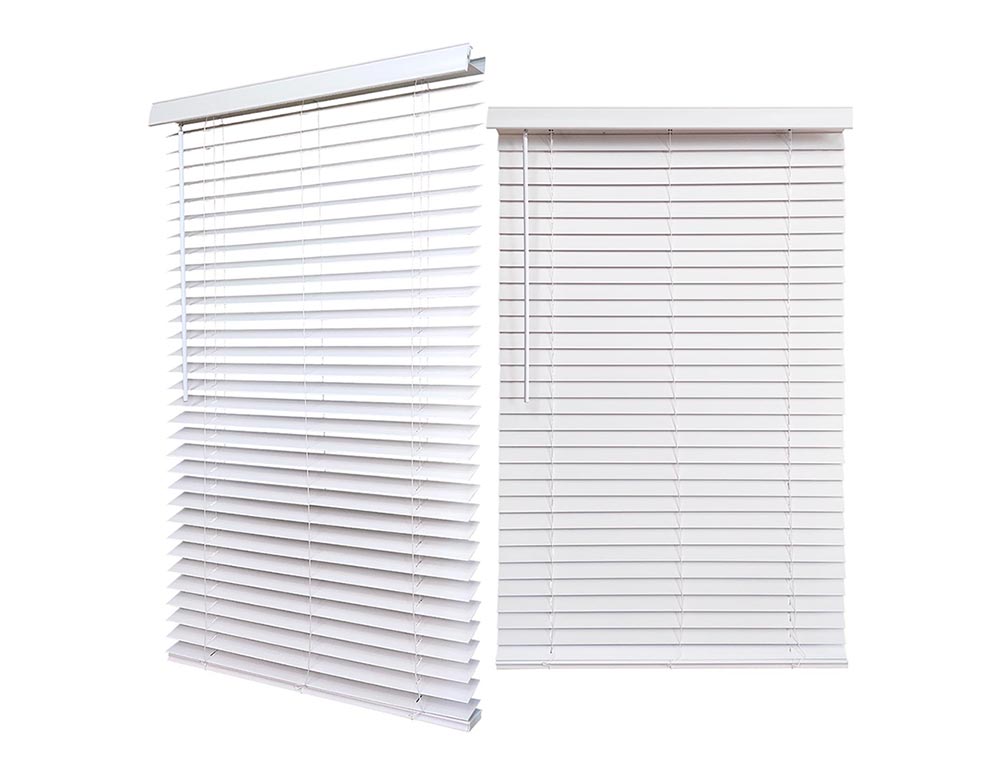
Pros and Cons of Each Type
While the table above gives a quick overview, let’s dive deeper into the specific advantages and drawbacks of Automatic Venetian Blinds and manual Venetian blinds, focusing on the real-world issues that homeowners face.
• Automatic Venetian Blinds: Pros
The biggest advantage of Automatic Venetian Blinds is convenience—and it’s a game-changer for many households. For example, if you have tall windows in your living room or skylights in your home office, adjusting manual blinds would require climbing a ladder, which is inconvenient and unsafe. Automatic blinds let you adjust them from the comfort of your couch, or even remotely via your phone if you’re away from home.
Safety is another major benefit. Auxiliary keyword: Child-safe Venetian blinds are a top priority for families with young kids, and automatic blinds are inherently safer because they’re cordless. There’s no risk of kids or pets getting tangled in loose cords, which is a common concern with manual corded blinds.
Energy efficiency is also a key pro. Automatic Venetian blinds can be programmed to adjust based on the sun’s position—closing during the hottest part of the day to block heat, and opening in the morning to let in natural light. This reduces energy costs by minimizing the need for air conditioning and artificial lighting, a feature that manual blinds can’t match (since they’re often left in one position for days).
Finally, automatic blinds add a touch of modern elegance to any space. Their cordless design maintains clean lines, making them perfect for modern, minimalist homes. They also integrate with smart home systems, allowing for voice control and automation—ideal for tech-savvy homeowners who want a connected space.
• Automatic Venetian Blinds: Cons
The biggest downside of automatic Venetian blinds is their upfront cost. They’re significantly more expensive than manual blinds, which can be a barrier for budget-conscious homeowners. For example, a set of automatic aluminum Venetian blinds for a standard window might cost $200-$400, while a manual set of the same size would cost $100-$200.
Maintenance is another consideration. Battery-powered automatic blinds require regular battery replacements (every 6-12 months, depending on use), which can be a hassle. Hardwired automatic blinds eliminate this issue, but require professional installation, which adds to the upfront cost. Additionally, if the motor breaks, repairs can be expensive—though most manufacturers offer warranties for 2-5 years.
They also rely on electricity. If the power goes out, battery-powered blinds will still work (as long as the batteries are charged), but hardwired blinds may be unusable until power is restored (some models have a manual override, but not all). This is a minor drawback for most people, but it’s worth considering if you live in an area with frequent power outages.
• Manual Venetian Blinds: Pros
The biggest advantage of manual Venetian blinds is their affordability. They’re significantly cheaper upfront than automatic blinds, making them a great choice for homeowners on a budget or those who need to cover multiple windows. They’re also widely available, with a range of materials, colors, and styles to choose from.
Low maintenance is another key pro. Manual blinds have no motors, batteries, or electronics, so there’s no need to replace batteries or repair motors. They only require regular dusting to keep them clean, and occasional cord or wand repairs (which are simple and affordable).
They’re also reliable. Manual blinds don’t rely on electricity, so they’ll work even during power outages. They’re simple in design, which means there are fewer things that can break—many manual blinds last 10 years or more with proper care.
Auxiliary keyword: Aluminum Venetian blinds are a popular manual option, known for their durability and affordability. They’re easy to clean, moisture-resistant, and ideal for high-traffic areas like kitchens and bathrooms—perfect for homeowners who want a practical, low-cost solution.
• Manual Venetian Blinds: Cons
The biggest drawback of manual Venetian blinds is the lack of convenience. Adjusting them requires physical effort—pulling cords to raise or lower the blinds, and twisting wands to tilt the slats. This is cumbersome for tall or large windows, and it can be a hassle for busy homeowners who don’t have time to adjust their blinds multiple times a day.
Safety is another concern. Corded manual blinds pose a risk of entanglement for young kids and pets, which is why many child safety organizations recommend avoiding them in homes with young children. Cordless manual blinds are safer, but they still require you to reach up to adjust them, which can be difficult for tall windows.
They also lack smart features and automation. You can’t program manual blinds to adjust automatically, and they don’t integrate with smart home systems. This means you have to adjust them manually every time you want to change the light or privacy levels—a minor inconvenience for some, but a major one for others.
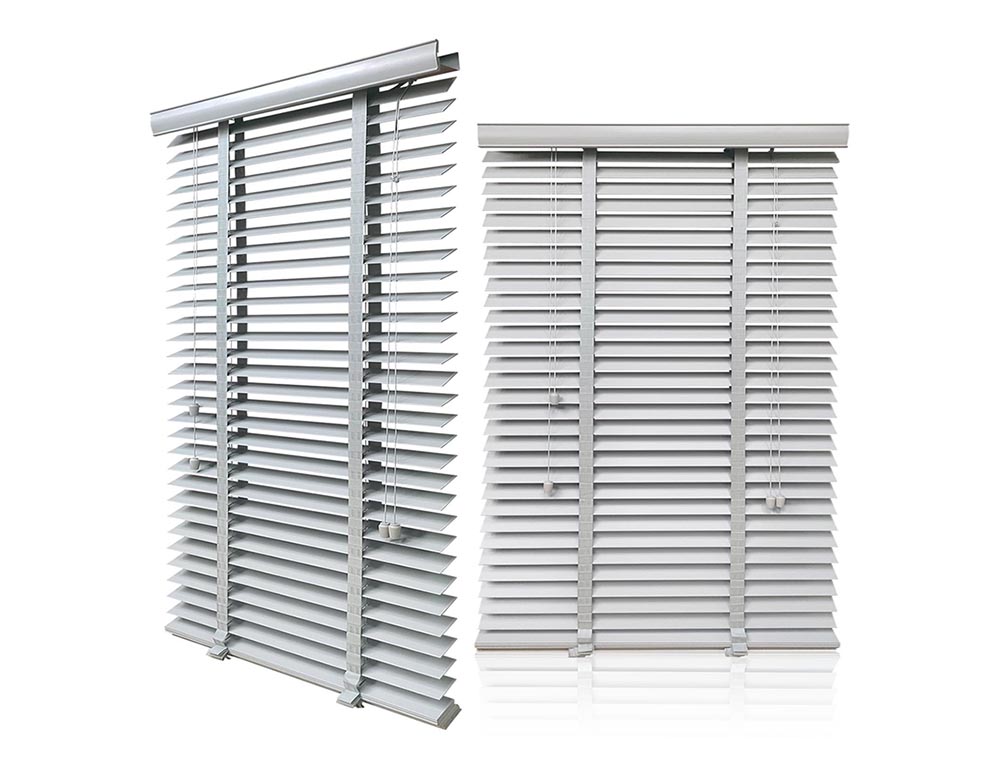
How the Choice Impacts Real Homes
To illustrate how Automatic Venetian Blinds and manual Venetian blinds perform in real life, let’s look at two examples of homeowners who chose different options and how it worked out for them.
Example 1: A Family with Tall Windows and Young Kids Chooses Automatic Blinds
A family of four with two young children (ages 3 and 5) moved into a modern home with floor-to-ceiling windows in the living room and tall windows in the kids’ bedrooms. They initially considered manual cordless blinds to save money, but they quickly realized that adjusting them would be difficult—they had to stand on a step stool to reach the top of the windows, which was unsafe with young kids running around. They were also worried about corded blinds posing a safety risk.
They decided to invest in automatic Venetian blinds (faux wood, battery-powered) for all their windows. The blinds were controlled via a remote and smartphone app, allowing them to adjust the blinds from anywhere in the house. They programmed the blinds to open at 7 AM (when the kids woke up) and close at 8 PM (when it was time for bed). The cordless design eliminated the safety risk for their kids, and they no longer had to climb step stools to adjust the blinds.
While the upfront cost was higher than manual blinds, the family noted that the convenience and safety were worth it. They also saved money on energy bills—programming the blinds to close during the afternoon reduced their air conditioning usage by 15%. “We wish we had chosen automatic blinds sooner,” the homeowner said. “It’s made our daily routine so much easier, and we don’t have to worry about our kids getting hurt.”
Example 2: A Budget-Conscious Renter Chooses Manual Blinds
A young professional renting a small apartment needed to cover two standard-sized windows in her living room and bedroom. She was on a tight budget and didn’t want to invest in expensive automatic blinds, since she might move in a few years. She also didn’t have any kids or pets, so safety wasn’t a major concern.
She chose manual cordless aluminum Venetian blinds, which were affordable and easy to install (she installed them herself in under an hour). The blinds were lightweight, easy to clean, and matched her minimalist decor. While she had to adjust them manually, the windows were small and accessible, so it wasn’t a hassle. She also appreciated that there were no batteries to replace or motors to maintain.
After a year of use, she was happy with her choice. “Manual blinds were perfect for my needs,” she said. “They’re affordable, easy to use, and they do exactly what I need them to do. I don’t need all the fancy features of automatic blinds, so why pay extra?”
Practical Tips for Choosing Between Automatic and Manual Venetian Blinds
Now that you understand the pros and cons of each type, here are some actionable tips to help you make the right choice for your space and lifestyle:
• Consider Your Window Size and Accessibility: If you have tall, large, or hard-to-reach windows (e.g., skylights, windows above furniture), Automatic Venetian Blinds are the better choice. For small, accessible windows, manual blinds will work just fine.
• Think About Your Budget: If upfront cost is a major concern, manual blinds are the way to go. If you can afford the higher upfront cost and value convenience, automatic blinds are worth the investment.
• Prioritize Safety: If you have young kids or pets, choose Automatic Venetian Blinds (cordless) or cordless manual blinds to eliminate entanglement risks. Avoid corded manual blinds.
• Evaluate Your Lifestyle: If you’re busy and don’t have time to adjust blinds manually, or if you want to integrate your window treatments with a smart home system, automatic blinds are ideal. If you prefer simple, hands-on control and don’t mind manual adjustment, manual blinds are a good fit.
• Consider Long-Term Costs: Battery-powered automatic blinds require ongoing battery replacements, while hardwired automatic blinds have no ongoing costs. Manual blinds have no ongoing costs, making them more cost-effective in the long run for budget-conscious homeowners.
• Choose the Right Material: Both automatic and manual blinds come in a range of materials. Aluminum Venetian Blinds are durable and affordable (great for manual blinds), while Faux Wood Venetian Blinds are stylish and moisture-resistant (great for automatic blinds in kitchens/bathrooms).
Common Questions About Automatic and Manual Venetian Blinds
To wrap up, let’s address some of the most common questions homeowners have when choosing between automatic Venetian blinds and manual Venetian blinds:
Q: Are automatic Venetian blinds difficult to install? A: It depends on the type. Battery-powered automatic blinds are easy to install (similar to manual blinds) and require no electrical work. Hardwired automatic blinds require professional installation, as they need to be connected to your home’s electrical system.
Q: Can manual Venetian blinds be converted to automatic? A: Yes, in some cases. There are conversion kits available that add a motor to existing manual blinds, but they only work with certain types of blinds (e.g., cordless manual blinds). It’s often more cost-effective to buy new automatic blinds if you want the full range of features.
Q: How long do automatic Venetian blinds last? A: High-quality automatic blinds have a lifespan of 5-10 years, depending on usage and maintenance. The motor is the most likely component to fail, but most manufacturers offer warranties that cover motor repairs or replacements.
Q: Are manual Venetian blinds outdated? A: No—manual blinds are still a popular, practical choice for many homeowners. They’re simple, reliable, and affordable, and cordless manual blinds offer a sleek, modern look that fits with most decor styles.
Q: Do automatic Venetian blinds work with smart home systems? A: Most modern automatic blinds integrate with popular smart home systems like Alexa, Google Home, and Siri. This allows for voice control, scheduling, and integration with other smart devices (e.g., thermostats, lights).
Q: Which is more energy-efficient: automatic or manual Venetian blinds? A: Automatic blinds are more energy-efficient, as they can be programmed to adjust automatically based on the sun’s position. Manual blinds are only as energy-efficient as the user is consistent about adjusting them, which is often not very consistent.
At the end of the day, there’s no “better” option between automatic Venetian blinds and manual Venetian blinds—only the one that fits your needs, budget, and lifestyle. Automatic blinds are perfect for busy households, homes with tall windows, or anyone who values convenience and safety. Manual blinds are ideal for budget-conscious homeowners, renters, or those who prefer simple, hands-on control. The key is to evaluate your space, your priorities, and your budget before making a decision. Consider the size and accessibility of your windows, whether you have kids or pets, how much you’re willing to spend upfront and long-term, and how much convenience you need. By taking these factors into account, you’ll choose a window treatment that enhances your space and makes your daily life easier.
The key is to evaluate your space, your priorities, and your budget before making a decision. Consider the size and accessibility of your windows, whether you have kids or pets, how much you’re willing to spend upfront and long-term, and how much convenience you need. By taking these factors into account, you’ll choose a window treatment that enhances your space and makes your daily life easier.
Whether you go with automatic Venetian blinds or manual Venetian blinds, the most important thing is that they meet your needs—providing the right balance of light control, privacy, style, and functionality. With the right choice, your Venetian blinds will be a practical, stylish addition to your home for years to come.
Post time: Mar-23-2026