When you’re outfitting windows for a home or commercial project, the choice between Aluminum Blinds and PVC Venetian Blinds often becomes a sticking point. Both are popular types of horizontal Venetian blinds, but they differ sharply in durability, performance, cost, and suitability for different spaces. Many people struggle with common questions: Will PVC blinds warp in sunny rooms? Are aluminum blinds worth the extra cost? Which material handles humidity better?
Understanding the Core Materials: Aluminum vs PVC Venetian Blinds
Before diving into comparisons, let’s clarify what each material brings to the table. Aluminum Blinds are crafted from lightweight, corrosion-resistant aluminum alloy slats—typically thin (1–2mm) but rigid, designed for long-term stability. PVC Venetian Blinds, meanwhile, are made from polyvinyl chloride, a durable plastic blended with additives to enhance moisture resistance and UV stability. Both are classic Venetian-style window coverings, but their inherent properties drive every other difference in performance and use cases.
Durability & Longevity: Which Lasts Longer?
Durability is non-negotiable, especially for high-traffic areas or long-term installations. Here’s how the two stack up:
• Aluminum Blinds: Built to last 20+ years with minimal wear. The alloy resists bending, cracking, and warping—even in extreme heat or cold. Slats bounce back from minor impacts, making them ideal for busy spaces like offices, kitchens, or homes with kids and pets. They also resist UV degradation, so colors won’t fade or turn yellow after years of sun exposure.
• PVC Venetian Blinds: Average lifespan ranges from 10–15 years, shorter than aluminum. While sturdy in moderate conditions, PVC softens and warps under prolonged direct sunlight (e.g., south-facing windows in summer). Over time, it can become brittle, especially in dry climates, leading to cracking or chipping. PVC slats also tend to sag in widths over 1.5 meters, whereas aluminum remains straight and rigid.
Practical Takeaway: If you want a “set-it-and-forget-it” solution for sunny or high-traffic areas, aluminum blinds win for longevity. PVC works better for low-stress, shaded spaces where replacement every decade is acceptable.
Performance in Key Environments: Heat, Humidity & Light Control
Blinds don’t just look good—they need to perform in your space’s unique conditions. Let’s break down the most critical factors:
1. Heat Resistance
• Aluminum Blinds: Excellent heat reflectors. The metallic surface bounces solar radiation away from windows, reducing heat gain in summer and lowering cooling costs. They won’t warp or degrade even in temperatures up to 80°C, making them perfect for sun-drenched rooms like sunrooms or west-facing living rooms.
• PVC Venetian Blinds: Poor heat tolerance compared to aluminum. Direct sunlight heats the plastic, causing slats to warp, bow, or lose shape over time. While modern UV-stabilized PVC resists fading, warping remains a persistent issue in hot, sunny spaces.
2. Humidity & Moisture Resistance
• PVC Venetian Blinds: Exceptional waterproofing—100% moisture-resistant. The non-porous plastic doesn’t absorb water, making them ideal for high-humidity areas like bathrooms, laundry rooms, or coastal homes. They won’t mold, mildew, or rust, even in steamy environments.
• Aluminum Blinds: Moisture-resistant but not waterproof. The enamel coating prevents corrosion in moderate humidity, but prolonged exposure to saltwater (coastal areas) or constant steam (bathrooms) can cause rust spots over time. They work fine in kitchens or lightly humid rooms but are less ideal for full bathrooms.
3. Light Control & Privacy
• Aluminum Blinds: Superior light control with 180° slat rotation. Slim, rigid slats close tightly with minimal gaps, blocking up to 80% of light and ensuring maximum privacy. They also reduce glare effectively, making them great for home offices or media rooms where screen visibility matters.
• PVC Venetian Blinds: Limited to 90° slat rotation, so light leakage is more common when closed. However, their thicker slats (often S-shaped) block up to 98% of light, making them better for blackout needs in bedrooms. Privacy is good but less precise than aluminum, as slats don’t seal as tightly.
Practical Takeaway: Choose PVC Venetian Blinds for bathrooms or coastal homes (humidity) or bedrooms (blackout). Choose Aluminum Blinds for sunny rooms (heat resistance), offices (glare control), or high-traffic areas (durability).
Aesthetics & Design Flexibility
Your blinds should complement your space’s style—not clash with it. Here’s how the materials differ in look and customization:
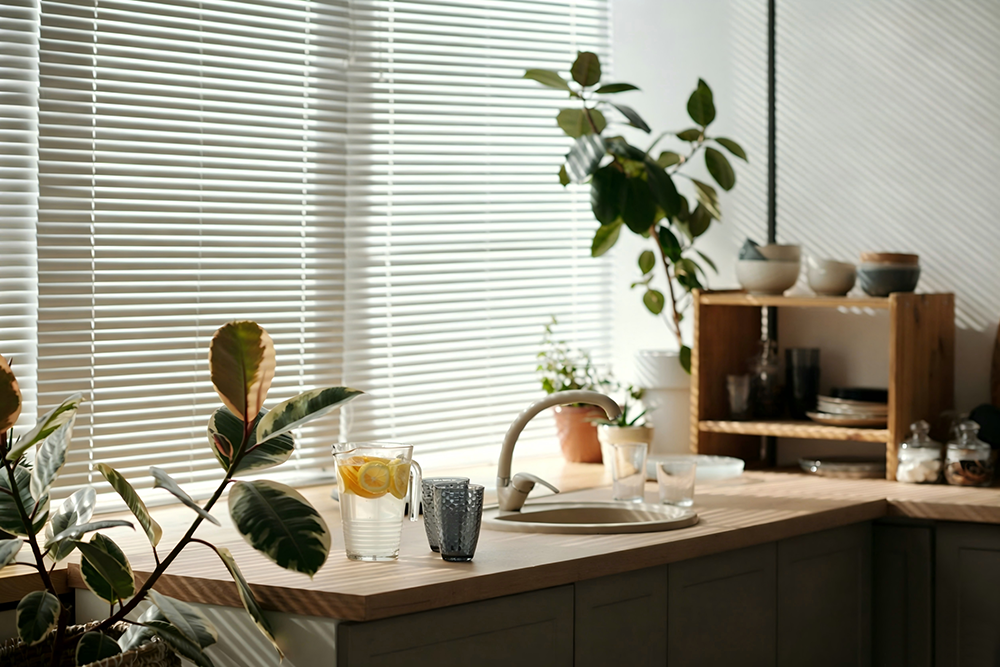
• Aluminum Blinds: Sleek, modern, and minimalist. They feature a smooth metallic finish with clean lines, perfect for contemporary, industrial, or Scandinavian interiors. Color options are limited to solid neutrals (white, gray, black) and subtle metallics (silver, bronze)—no bold patterns or wood-grain finishes. The slim slat profile (typically 25mm) creates a lightweight, unobtrusive look.
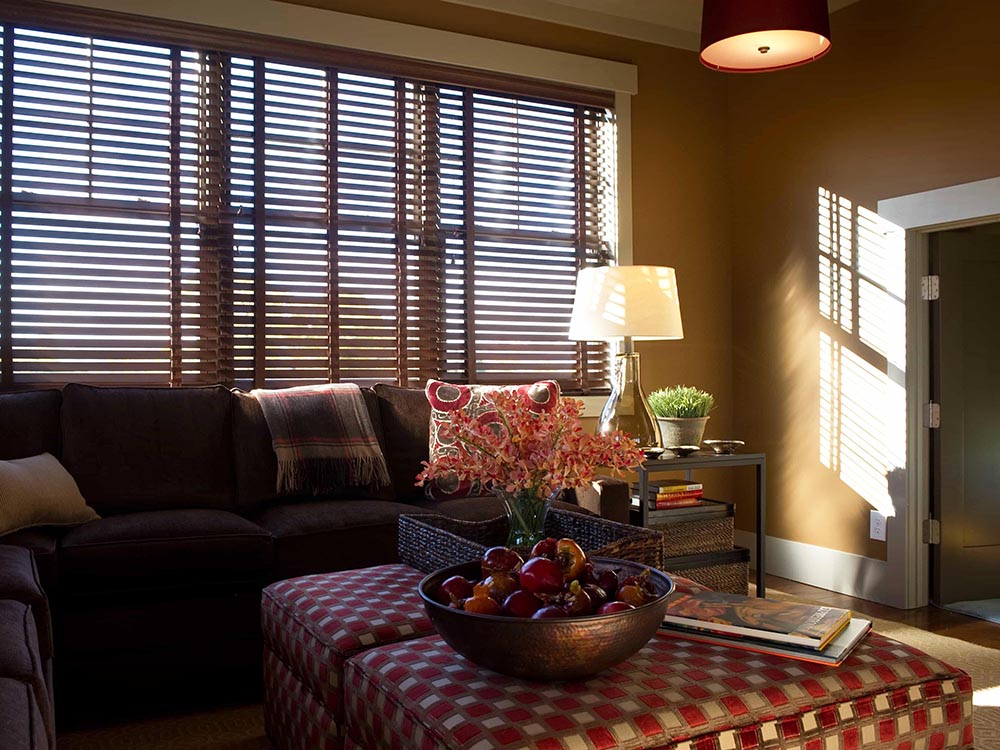
• PVC Venetian Blinds: Highly versatile with endless design options. They come in matte, glossy, or textured finishes, plus wood-grain, marble, or patterned prints that mimic natural materials at a fraction of the cost. Colors range from soft pastels to bold hues, making them easy to match or accent any decor—traditional, bohemian, or modern. Thicker slats (25–50mm) add a substantial, cozy feel to rooms.
Practical Takeaway: Pick aluminum blinds for a sleek, modern look with understated elegance. Choose PVC Venetian Blinds if you want to match specific decor, add color, or mimic natural materials like wood without the maintenance.
Cost & Long-Term Value
Budget is always a factor, but it’s critical to weigh upfront cost against long-term value:
• Aluminum Blinds: Higher upfront cost—typically 30–40% more expensive than PVC blinds. Prices range from 40 per square foot, depending on slat size and finish. However, their 20+ year lifespan means lower long-term costs—no frequent replacements or repairs.
• PVC Venetian Blinds: Budget-friendly—25 per square foot. They’re a great choice for tight budgets or temporary installations (e.g., rental properties). However, their shorter lifespan (10–15 years) means you’ll pay for replacements sooner, increasing long-term costs.
Practical Takeaway: If you’re investing in a forever home or commercial space, aluminum blinds offer better long-term value despite the higher upfront cost. For rentals, budget projects, or spaces where you plan to update decor in a decade, PVC Venetian Blinds are the more economical choice.
Maintenance & Ease of Use
No one wants blinds that demand constant upkeep. Here’s how the two compare in daily care:
• Aluminum Blinds: Low-maintenance and easy to clean. Dust or wipe slats with a damp cloth; for stubborn dirt, use mild soap and water—no harsh chemicals needed. They resist dust and pet hair buildup, making them ideal for allergy sufferers. Operation is smooth and quiet, with no rattling or sticking over time.
• PVC Venetian Blinds: Easy to clean but prone to dust buildup. Wipe with a damp cloth or mild soap; avoid abrasive cleaners that can scratch the surface. They attract more dust than aluminum, so weekly dusting is recommended. Some cheaper PVC models have noisy pull cords that rattle when adjusting slats.
Practical Takeaway: Both are low-maintenance, but aluminum blinds edge out PVC for ease of use—less dust, quieter operation, and no risk of surface scratching with regular cleaning.
Common Mistakes to Avoid When Choosing
• Picking PVC for sunny rooms: A top mistake—PVC warps in direct sunlight, ruining functionality and aesthetics within 1–2 years.
• Choosing aluminum for full bathrooms: While moisture-resistant, prolonged steam exposure can cause rust spots over time.
• Ignoring window size: PVC slats sag in widths over 1.5 meters; aluminum remains straight—critical for large windows.
• Overlooking decor style: Aluminum’s modern look clashes with traditional interiors; PVC’s versatility makes it easier to match existing decor.
Recommendations: Which Should You Choose?
There’s no one-size-fits-all answer, but these simple guidelines will steer you right:
• Choose Aluminum Blinds if: You have sunny windows, high-traffic areas, large windows (over 1.5m), a modern decor style, or want a 20+ year low-maintenance solution.
• Choose PVC Venetian Blinds if: You have high-humidity areas (bathrooms, coastal homes), a tight budget, traditional/bohemian decor, or need blackout light control for bedrooms.
At the end of the day, the best choice aligns with your space’s unique needs, budget, and style. Both Aluminum Blinds and PVC Venetian Blinds are excellent options—they just excel in different areas. By focusing on durability, performance, aesthetics, and value, you’ll avoid costly mistakes and pick blinds that look great and function flawlessly for years.
Post time: May-15-2026